post-title

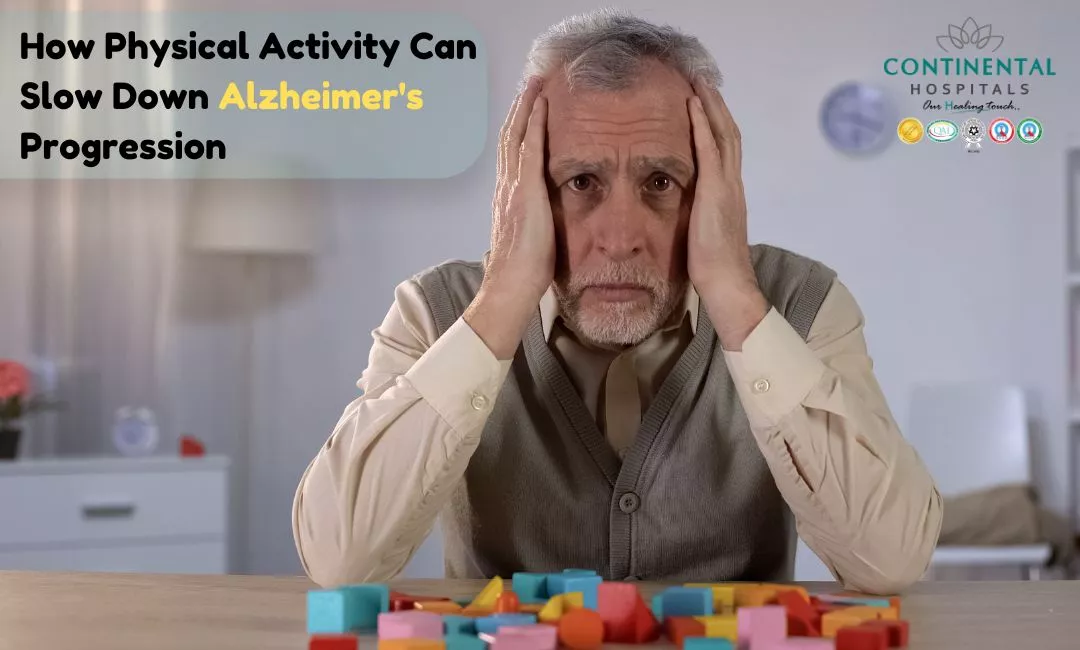
How Physical Activity Can Slow Down Alzheimer's Progression

Written by - Editorial Team
Medically Reviewed by - Dr M K Singh

Alzheimer's disease is a complex condition that affects millions of people worldwide. It's a type of dementia that leads to memory loss, confusion, and changes in behavior. While there is currently no cure for Alzheimer's, research shows that certain lifestyle changes can help slow its progression. One of the most effective strategies is engaging in regular physical activity.

In this blog, we will explore how physical activity can help those living with Alzheimer’s disease and why incorporating exercise into daily life is essential for brain health.

What Is Alzheimer's Disease?

Before diving into the benefits of physical activity, it’s essential to understand what Alzheimer’s disease is. Alzheimer’s is characterized by the buildup of proteins in the brain that form plaques and tangles, disrupting communication between brain cells. Over time, this leads to cognitive decline, impacting daily activities and overall quality of life.

While genetics and age are significant risk factors, lifestyle choices, including physical activity, can play a vital role in influencing the onset and progression of the disease.

Experiencing Alzheimer’s symptoms? Consult our Best Neurologist in Hyderabad at Continental Hospital is available to provide you with the support you need.

What Is the Connection Between Physical Activity and Brain Health?

Research has consistently shown a strong link between physical activity and brain health. Regular exercise increases blood flow to the brain, providing it with oxygen and essential nutrients. This process helps maintain and improve brain function, which is crucial for those at risk of or living with Alzheimer’s.

Here are several ways physical activity positively impacts brain health:

Improves Blood Circulation: Exercise enhances blood circulation, which delivers more oxygen and nutrients to brain cells. Improved blood flow can help keep brain cells healthy and functioning well.

Reduces Inflammation: Regular physical activity has anti-inflammatory effects that can help protect the brain from damage. Inflammation is believed to play a role in the progression of Alzheimer’s disease, so reducing it can be beneficial.

Second Opinion

Promotes Neurogenesis: Exercise stimulates the production of brain-derived neurotrophic factor (BDNF), a protein that encourages the growth of new brain cells. This process, known as neurogenesis, is essential for learning and memory.

Enhances Mood and Reduces Stress: Physical activity releases endorphins, the body's natural mood lifters. For people with Alzheimer's, maintaining a positive mood and reducing stress can lead to better cognitive function.

Improves Sleep Quality: Regular exercise can help improve sleep patterns, which are often disrupted in individuals with Alzheimer's. Better sleep leads to improved brain health and cognitive performance.

What are the best physical activities for people with Alzheimer's?

Incorporating different types of physical activities can have varying benefits for individuals with Alzheimer's. Here are some suggestions:

Aerobic Exercise: Activities like walking, swimming, or cycling increase heart rate and improve cardiovascular health. Aim for at least 150 minutes of moderate aerobic exercise each week.

Strength Training: Resistance exercises, such as lifting weights or using resistance bands, can help build muscle strength and improve balance. Aim for two sessions per week, focusing on all major muscle groups.

Flexibility and Balance Exercises: Practices like yoga or tai chi improve flexibility, balance, and coordination, reducing the risk of falls. These exercises can also promote relaxation and mental clarity.

Need an Appointment?

Social Activities: Group exercises, such as dance classes or community fitness programs, not only promote physical health but also provide social interaction, which is crucial for emotional well-being.

Mind-Body Exercises: Activities that combine mental and physical engagement, like dancing or martial arts, can provide cognitive benefits alongside physical ones.

How can people with Alzheimer's get started with physical activity?

If you or a loved one has been diagnosed with Alzheimer’s, starting a physical activity routine can be challenging but rewarding. Here are some tips to help you get started:

Consult with Healthcare Providers: Always consult a healthcare professional before starting any new exercise program, especially for individuals with Alzheimer's. They can provide guidance on safe and appropriate activities.

Set Realistic Goals: Begin with small, achievable goals. This could be a short daily walk or a few minutes of stretching. Gradually increase the duration and intensity of the exercises.

Create a Routine: Establish a regular exercise schedule to make physical activity a part of daily life. Consistency is key to reaping the benefits.

Make It Enjoyable: Choose activities that are fun and engaging. This could include dancing to favorite music, gardening, or joining a local walking group.

Involve Family and Friends: Encourage loved ones to join in on physical activities. Exercising together can provide motivation and support while also strengthening social bonds.

Monitor Progress: Keep track of physical activity levels and any improvements in mood, sleep, or cognitive function. This can help maintain motivation and encourage adherence to the exercise routine.

Why Is Nutrition Important?

While physical activity plays a significant role in brain health, it should be combined with a balanced diet for optimal results. A diet rich in fruits, vegetables, whole grains, lean proteins, and healthy fats can support overall brain function. Foods high in antioxidants, omega-3 fatty acids, and vitamins can help reduce inflammation and promote cognitive health.

Conclusion

Incorporating physical activity into daily routines is a powerful way to support brain health and slow down the progression of Alzheimer’s disease. Regular exercise can lead to improved mood, better sleep, and enhanced cognitive function, all of which contribute to a better quality of life.

If you’re experiencing symptoms of Alzheimer’s, reach out to our best neuro doctor hyderabad at Continental Hospital for expert advice.

Related Blog Articles:

  1. Early Signs of Alzheimer's: How to Recognize Them
  2. 10 Lifestyle Changes to Reduce the Risk of Alzheimer's Disease

Frequently Asked Questions

Yes, regular physical activity can help slow the progression of Alzheimer's disease by supporting overall brain health. Exercise improves blood circulation to the brain, ensuring that brain cells receive adequate oxygen and nutrients. It also encourages the production of brain-derived neurotrophic factor (BDNF), a protein that helps protect and repair nerve cells. Regular movement can reduce inflammation and oxidative stress, both of which contribute to cognitive decline. Studies have shown that physically active individuals often experience slower memory loss and better daily functioning than inactive individuals. Exercise also helps improve mood, sleep quality, and energy levels, reducing symptoms like anxiety and depression that commonly accompany Alzheimer's disease. While physical activity cannot cure Alzheimer's, it is an important part of a comprehensive treatment plan. Combining exercise with medications, a healthy diet, cognitive stimulation, and regular medical care can help improve quality of life. Patients should always consult their healthcare provider before starting a new exercise routine.
The best exercises for people with Alzheimer's include activities that are safe, enjoyable, and suited to their physical abilities. Walking is one of the simplest and most effective forms of exercise because it improves cardiovascular health without requiring special equipment. Strength training helps maintain muscle mass and supports balance, reducing the risk of falls. Stretching exercises improve flexibility and joint mobility, making everyday movements easier. Yoga and tai chi can enhance balance, coordination, and relaxation while reducing stress. Swimming and water aerobics are excellent low-impact options for those with joint pain. Dancing combines physical movement with music, which may stimulate memory and emotional well-being. Household activities such as gardening or light cleaning also encourage movement. The ideal goal is to remain active most days of the week with exercises that are enjoyable, supervised when necessary, and tailored to the individual's health condition.
Most healthcare professionals recommend that people with Alzheimer's engage in at least 150 minutes of moderate-intensity physical activity each week, if medically appropriate. This can be divided into 30-minute sessions on five days of the week or shorter sessions throughout the day. Activities such as brisk walking, cycling, or light aerobic exercises are commonly recommended. Strength training two to three times a week can help preserve muscle strength and mobility. Balance and flexibility exercises should also be included to reduce fall risk. The exercise plan should be individualized based on age, disease stage, and overall health. Caregivers can encourage consistency by making exercise part of a daily routine. Even gentle physical activity is beneficial for individuals who cannot perform vigorous exercise. A healthcare provider or physiotherapist can help design a safe and effective exercise program.
Exercise supports memory and cognitive function by increasing blood flow and oxygen delivery to the brain. It stimulates the release of beneficial chemicals that promote the growth and survival of brain cells. Physical activity also strengthens communication between different areas of the brain, helping preserve thinking and learning abilities. Regular exercise reduces inflammation and supports healthier blood vessels, lowering the risk of additional brain damage. It may also slow the shrinking of brain regions involved in memory, such as the hippocampus. Exercise improves sleep quality, which is essential for memory consolidation and overall brain health. Additionally, physical activity reduces stress hormones that can negatively affect cognitive performance. Many people also experience better concentration, improved mood, and enhanced confidence through regular exercise. Although the degree of benefit varies, consistent physical activity remains one of the most effective lifestyle interventions for supporting brain health in Alzheimer's disease.
Yes, regular physical activity can significantly improve several behavioral and psychological symptoms associated with Alzheimer's disease. Exercise helps reduce anxiety, restlessness, irritability, and agitation by promoting the release of endorphins, which naturally improve mood. Staying physically active can also reduce depression, a common condition among people living with dementia. Structured daily exercise provides routine and purpose, helping reduce confusion and wandering behaviors. Physical activity also supports better sleep patterns, which may decrease nighttime agitation and improve overall well-being. Group exercises or walking with caregivers can encourage social interaction and reduce feelings of isolation. Many patients become calmer and more cooperative after regular exercise sessions. The benefits are often greater when activities are enjoyable and matched to the individual's abilities. Caregivers should monitor for signs of fatigue and ensure exercises are performed safely under appropriate supervision.
Exercise can still be safe and beneficial during the later stages of Alzheimer's disease when properly adapted to the individual's abilities. Activities should focus on maintaining mobility, flexibility, circulation, and comfort rather than achieving fitness goals. Gentle walking with assistance, seated exercises, stretching, and guided range-of-motion movements are commonly recommended. Caregivers or physiotherapists should supervise exercises to prevent falls or injuries. Sessions should be short, simple, and performed in a familiar environment to reduce confusion. Medical conditions such as heart disease, arthritis, or balance problems should be considered before starting any activity. The intensity should be adjusted based on the person's physical condition and daily energy levels. Even small amounts of movement can improve mood, reduce stiffness, and support independence. A personalized exercise plan developed with healthcare professionals provides the safest and most effective approach.
Research suggests that regular physical activity may lower the risk of developing Alzheimer's disease and other forms of dementia. Exercise improves heart health, reduces high blood pressure, manages diabetes, and supports healthy cholesterol levels, all of which are linked to better brain function. It also promotes the growth of new brain connections and helps protect existing nerve cells. Staying physically active can reduce chronic inflammation and oxidative stress, factors associated with cognitive decline. Exercise often works alongside other healthy habits such as a balanced diet, quality sleep, mental stimulation, and social engagement to support long-term brain health. Although no lifestyle change can completely prevent Alzheimer's disease, regular exercise is one of the strongest modifiable protective factors identified by researchers. Starting physical activity early and maintaining it throughout life offers the greatest potential benefits for cognitive health.
People with Alzheimer's disease should consult a doctor before beginning any new exercise program, especially if they have existing medical conditions such as heart disease, diabetes, arthritis, or balance disorders. A healthcare professional can evaluate overall health, physical abilities, and cognitive status to recommend appropriate activities. They may also identify potential risks, review medications, and determine whether supervised exercise is necessary. Individuals with advanced dementia or frequent falls often benefit from guidance provided by physiotherapists or rehabilitation specialists. Starting with low-intensity exercises and gradually increasing activity levels is generally the safest approach. Caregivers should observe for signs of dizziness, chest pain, unusual fatigue, or breathing difficulty during exercise. Regular follow-up appointments help adjust the exercise plan as the disease progresses. A personalized and medically supervised program maximizes safety while providing the greatest physical and cognitive benefits.
Disclaimer: The information provided in this blog is intended for general knowledge and informational purposes only, and does not constitute medical advice. Always consult with a qualified healthcare professional for any medical concerns or before making any decisions about your health.

Get in Touch With Us

Whether you are from India or abroad, we are here to help you with your medical queries. Please fill out the form below and our team will connect with you shortly.

  • ✔ Quick response from our medical experts
  • ✔ Secure data handling & privacy
  • ✔ Easy upload for reports & documents
banner_image

Chat with our medical experts on WhatsApp for quick assistance and hassle-free appointment booking

Recent Posts