
post-title

How to Talk to Your Doctor About Digestive Issues

Written by - Editorial Team
Medically Reviewed by - Dr Guru N Reddy

Digestive problems can feel uncomfortable to talk about, but they're more common than you might think. Whether it’s bloating, heartburn, constipation, or stomach pain, these symptoms can affect your daily life and should not be ignored. The good news? You don’t have to suffer in silence. Talking openly with your doctor is the first step toward feeling better.

In this blog, we’ll guide you on how to start the conversation, what information to share, and how to feel more confident during your visit. At the end, we’ll also explain why patients across Hyderabad trust Continental Hospitals for digestive health care.

Why is it important to talk to your doctor about digestive issues?

Many people feel shy or embarrassed when talking about their stomach problems. But your doctor hears about these issues every day. Digestive symptoms can be signs of something minor, like indigestion, or they could be early warnings of something more serious. The sooner you speak up, the sooner you can get relief.

Ignoring digestive symptoms may lead to delayed diagnosis of conditions like:

  • Acid reflux (GERD)
  • Irritable bowel syndrome (IBS)
  • Ulcers
  • Gallstones
  • Liver or pancreas issues

Even if it seems small, your symptom matters. Your doctor can only help if they know what’s going on.

Your digestive health deserves expert attention. Visit our best gastroenterologist in hyderabad for comprehensive care from experienced specialists.
Facing digestive concerns? Don’t wait—contact Continental Hospitals today. Visit the best gastroenterologist in Hyderabad.

How Do I Prepare for a Doctor's Appointment for Digestive Issues?

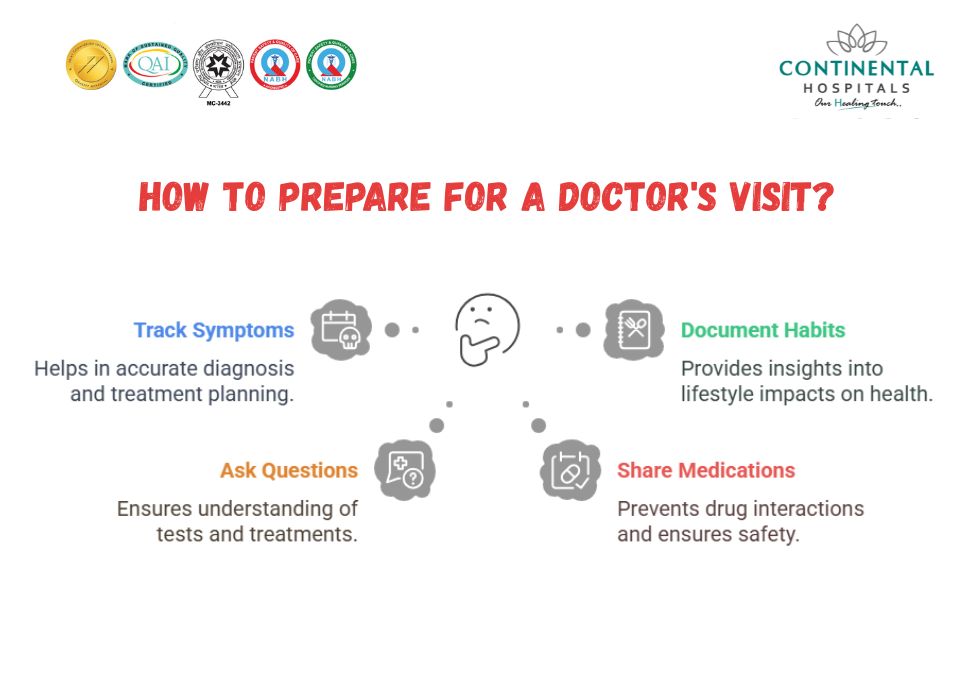
Before your appointment, take a few minutes to prepare. This can help you stay calm and make the most of your time with the doctor.

Second Opinion

Here’s what you can do:

1. Write down your symptoms.
List everything you’ve been feeling. Include even small things like burping or feeling full too fast. Try to answer:

  • What are the symptoms?
  • When did they start?
  • How often do they happen?
  • What seems to make them better or worse?

2. Track your diet and habits.
Doctors often ask about what you eat, how much water you drink, and how often you go to the bathroom. Try to track your food and digestive habits for a few days before the visit.

3. List medications or supplements.
Some medicines—even over-the-counter ones—can affect your digestive system. Share everything you take, including vitamins or herbal products.

4. Note your family history.
If your parents or siblings have had stomach issues, ulcers, or colon problems, let your doctor know. Some conditions run in families.

What Is the Best Way to Talk Honestly With Your Doctor?

Being open and honest is key. Doctors are here to help, not to judge. If something feels embarrassing, just remember—your health is more important.

Here are some tips:

Need an Appointment?

  • Start with the main issue. Say, “I’ve been having stomach pain every evening after dinner,” or “I feel bloated most days.”
  • Be clear, not vague. Instead of saying “I feel weird,” describe it: “It’s a sharp pain in my lower belly that comes and goes.”
  • Don’t hide symptoms. Even if they seem unrelated or uncomfortable to talk about, mention them. Diarrhea, constipation, or gas are all important clues.
  • Ask questions. If your doctor uses words you don’t understand, it’s okay to ask, “Can you explain that in a simpler way?”

Remember, the more your doctor knows, the better they can help.

Common Questions to Ask Your Doctor?

Bringing questions to your appointment shows you’re taking your health seriously. Here are a few you can ask:

  • What might be causing my symptoms?
  • Are there any tests I need?
  • Should I change my diet?
  • Is stress affecting my digestion?
  • Do I need to see a specialist?
  • What should I do if the symptoms get worse?

Writing these questions down ahead of time can help you feel more in control during your visit.

What Happens After the Visit?

After your appointment, your doctor might:

  • Suggest dietary changes
  • Order blood tests, imaging, or endoscopy
  • Prescribe medications
  • Refer you to a gastroenterologist

Follow their advice closely, and don’t skip any follow-ups. If your symptoms don’t improve or new ones appear, reach out again.

Why Choose Continental Hospitals for Digestive Health?

At Continental Hospitals, we understand how digestive issues can affect every part of your life. Our team of experienced gastroenterologists, dietitians, and specialists offers:

  • Accurate diagnosis with advanced technology
  • Personalised treatment plans
  • Supportive care in a patient-friendly environment
  • Focus on lifestyle-based and long-term digestive wellness

We listen closely, respect your comfort, and work with you to restore your digestive health. Located in Hyderabad, we are known for high-quality care and a compassionate approach.

Don’t Wait—Talk to a Doctor Today

If you’re struggling with digestive discomfort, bloating, pain, or any unusual changes, don’t wait for it to go away on its own. Your body is trying to tell you something.

At Continental Hospitals, we’re here to listen and help. Our specialists are ready to guide you with gentle, expert care every step of the way.

Conclusion

Talking to your doctor about digestive issues doesn’t have to be hard. Be honest, prepared, and open. With the right information and support, you can get answers, feel better, and enjoy life again.

Facing digestive concerns? Don’t wait—contact Continental Hospitals today. Visit the best gastroenterologist in Hyderabad.

Related Blog Topics

  1. Digestive Problems Symptoms You Must Watch
  2. Digestive Disorders in the Elderly: What You Need to Know

Frequently Asked Questions

Preparing before your appointment can help your doctor understand your digestive symptoms more accurately. Keep a diary of your symptoms, including when they started, how often they occur, and what seems to trigger them. Note any abdominal pain, bloating, nausea, vomiting, constipation, diarrhea, heartburn, or changes in bowel habits. Record the foods and beverages you consume and any medications or supplements you take. Mention your medical history, previous digestive conditions, allergies, and family history of gastrointestinal diseases. If you have experienced weight loss, fever, blood in stools, or fatigue, make sure to mention these symptoms. Carry previous medical reports, blood tests, imaging scans, or endoscopy reports if available. Being organized allows your doctor to make a faster and more accurate diagnosis while recommending the most appropriate treatment plan.
While occasional digestive discomfort is common, certain symptoms require immediate medical attention. Persistent abdominal pain, unexplained weight loss, difficulty swallowing, blood in the stool, black or tarry stools, severe vomiting, chronic diarrhea, prolonged constipation, or persistent heartburn should always be discussed with your doctor. Frequent bloating, excessive gas, or changes in bowel habits lasting several weeks may also indicate an underlying digestive disorder. Mention if symptoms wake you up at night or interfere with daily activities. If digestive problems are accompanied by fever, anemia, dehydration, or fatigue, these details are important. Early communication helps identify conditions such as ulcers, inflammatory bowel disease, liver disorders, gallbladder disease, or colorectal cancer before complications develop.
Complete honesty is essential for an accurate diagnosis and effective treatment. Your doctor is not there to judge your eating habits or lifestyle choices but to understand what may be contributing to your digestive symptoms. Share details about your daily diet, alcohol intake, smoking habits, caffeine consumption, exercise routine, stress levels, sleep quality, and hydration. Mention if you frequently consume spicy foods, processed foods, or high-fat meals. Inform your doctor about any recent dietary changes, fasting practices, or weight-loss programs. Discuss over-the-counter medications, herbal remedies, or supplements you regularly use. Honest communication helps your doctor identify possible triggers and recommend realistic lifestyle modifications that can improve your digestive health.
Asking the right questions helps you better understand your condition and treatment options. Ask what may be causing your symptoms and whether additional tests are required. Discuss whether your condition is temporary or chronic and what treatment options are available. Ask if dietary changes, medications, or lifestyle modifications will help. Inquire about warning signs that require emergency medical care. Find out if you need procedures such as endoscopy or colonoscopy and how to prepare for them. Ask about possible medication side effects and expected recovery time. Discuss follow-up appointments and whether your symptoms need long-term monitoring. Understanding your diagnosis empowers you to actively participate in managing your digestive health.
The need for diagnostic tests depends on your symptoms, medical history, age, and physical examination findings. Your doctor may initially recommend blood tests, stool analysis, or urine tests to identify infections, inflammation, anemia, or nutritional deficiencies. Imaging studies such as ultrasound or CT scans may be suggested for abdominal pain. If symptoms involve persistent heartburn, difficulty swallowing, ulcers, or stomach pain, an upper gastrointestinal endoscopy may be recommended. Colonoscopy is commonly advised for rectal bleeding, chronic diarrhea, unexplained anemia, or colorectal cancer screening. Additional specialized tests may be required for liver disease, pancreatic disorders, or food intolerances. Your doctor will explain why each test is necessary and what information it provides.
Yes. Stress and anxiety can significantly affect digestive function and may worsen symptoms such as bloating, abdominal pain, nausea, diarrhea, constipation, and irritable bowel syndrome. Emotional stress influences communication between the brain and the digestive tract through the gut-brain axis. If you notice digestive symptoms becoming worse during stressful situations, tell your doctor. Discuss recent emotional challenges, sleep disturbances, or mental health concerns that may be contributing to your condition. Your doctor may recommend stress management techniques, dietary modifications, counseling, or medications when appropriate. Addressing both physical and emotional health often improves symptom control and overall quality of life.
Clear communication helps your doctor reach the correct diagnosis more efficiently. Describe exactly where the pain occurs, how severe it is, how long it lasts, and whether it comes and goes or remains constant. Explain when symptoms started and whether they worsen after meals, during stress, or at night. Mention any nausea, vomiting, bloating, gas, heartburn, constipation, diarrhea, or changes in stool color or consistency. Tell your doctor what improves or worsens the symptoms. Report any fever, fatigue, weight loss, or blood in the stool. Avoid minimizing symptoms due to embarrassment. The more detailed and accurate your description, the easier it becomes for your doctor to identify the underlying digestive condition.
You should consult a gastroenterologist if digestive symptoms persist for more than a few weeks, become increasingly severe, or keep returning despite home remedies. Persistent heartburn, difficulty swallowing, chronic abdominal pain, unexplained weight loss, blood in stools, ongoing diarrhea, constipation lasting several weeks, recurrent vomiting, or suspected liver disease require specialist evaluation. Individuals with a family history of colorectal cancer, inflammatory bowel disease, or gastrointestinal cancers should also seek timely medical advice. Early consultation allows for prompt diagnosis, appropriate investigations, and effective treatment before complications develop. Delaying medical evaluation may allow certain digestive disorders to progress and become more difficult to treat.
Disclaimer: The information provided in this blog is intended for general knowledge and informational purposes only, and does not constitute medical advice. Always consult with a qualified healthcare professional for any medical concerns or before making any decisions about your health.

Get in Touch With Us

Whether you are from India or abroad, we are here to help you with your medical queries. Please fill out the form below and our team will connect with you shortly.

  • ✔ Quick response from our medical experts
  • ✔ Secure data handling & privacy
  • ✔ Easy upload for reports & documents
banner_image

Chat with our medical experts on WhatsApp for quick assistance and hassle-free appointment booking

Recent Posts