.webp)


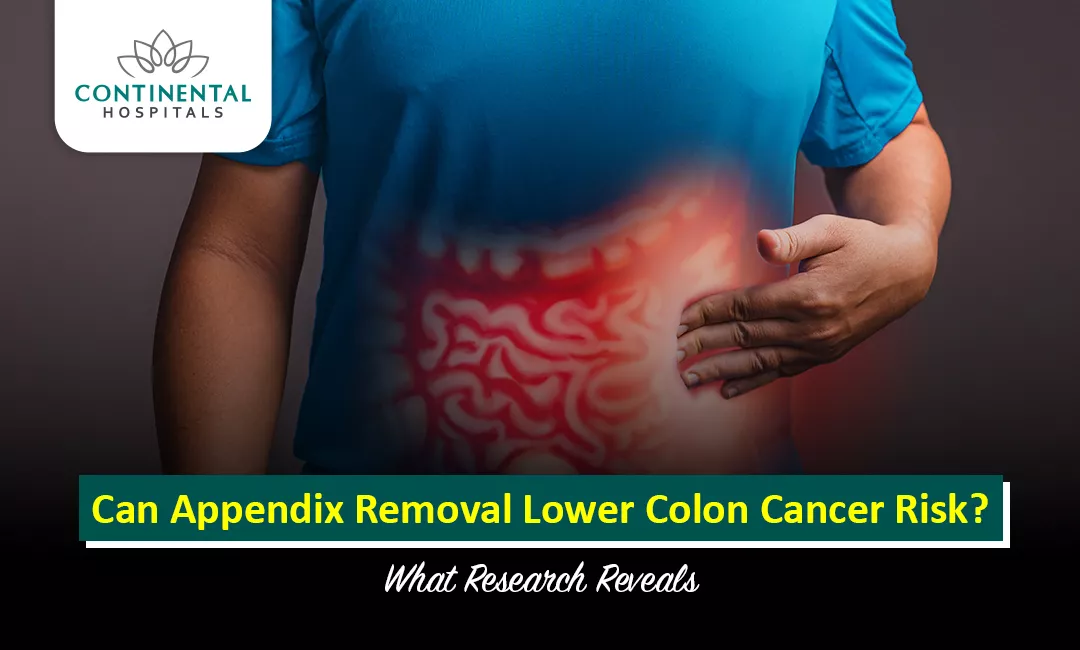
Digestive health is a crucial part of overall well-being, yet many people ignore warning signs until discomfort becomes severe. Recognizing digestive problems symptoms early can help prevent complications and improve your quality of life. Digestive issues may range from mild bloating and occasional stomach upset to serious conditions affecting the intestines, liver, or pancreas. Understanding signs of digestive issues and how to detect digestive problems early is essential for maintaining long-term health.
If you suffer from persistent bloating, abdominal pain, gas, nausea, or changes in bowel habits, vist our Gastroenterology Speciality at Continental Hospitals, Hyderabad.
Common Digestive Problems
Digestive problems are widespread and can affect people of all ages. Some of the most common digestive problems include:
• Acid reflux or heartburn
• Irritable bowel syndrome (IBS)
• Constipation or diarrhea
• Gas and bloating
• Inflammatory bowel diseases like Crohn’s disease and ulcerative colitis
Being aware of these conditions and their early digestive disorder symptoms can help you seek timely care and avoid long-term complications.
Key Digestive System Symptoms to Watch
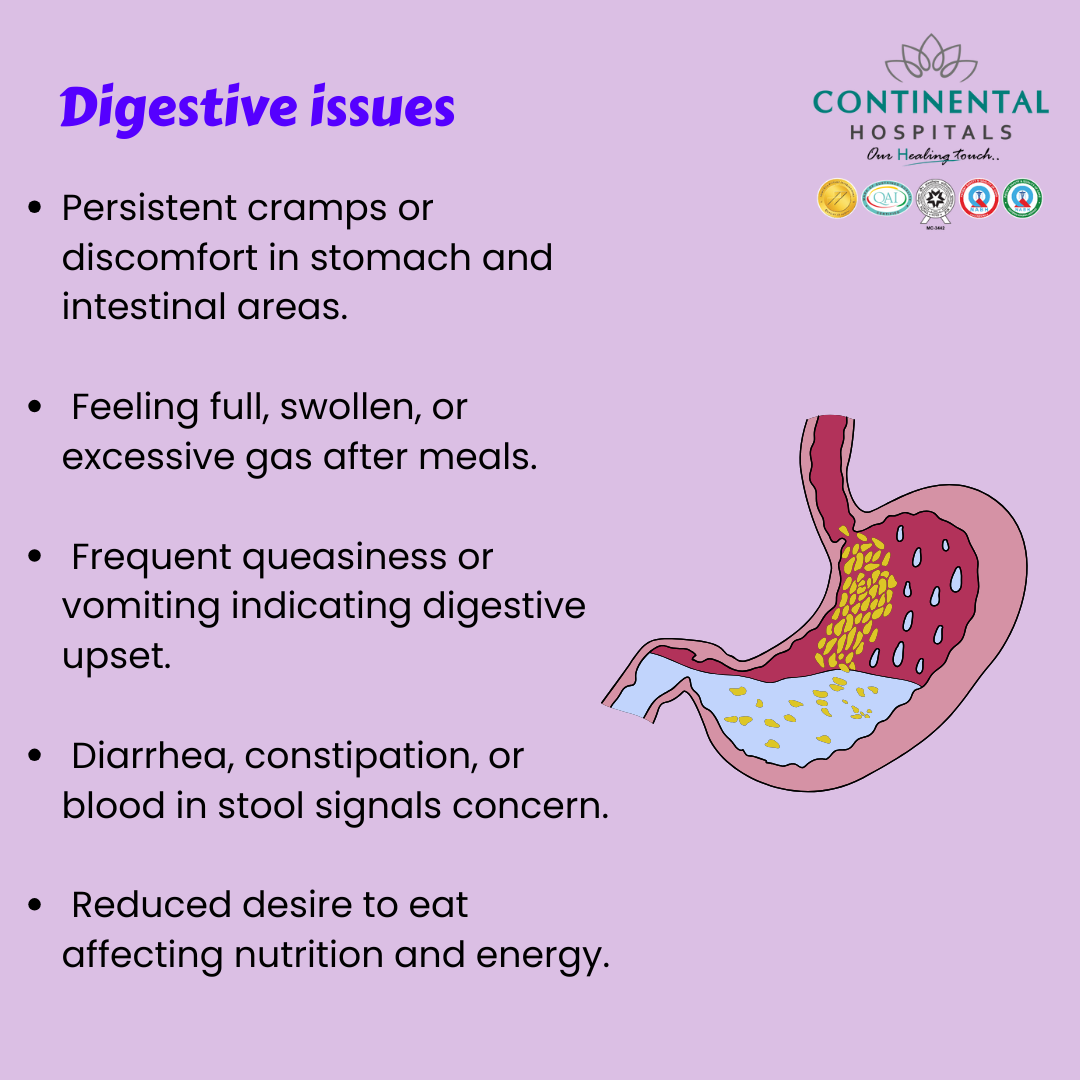
Certain digestive system symptoms to watch may indicate underlying health issues. Recognizing them early allows for prompt medical attention. These include:
Abdominal Pain
Persistent or recurring abdominal discomfort is a major digestive discomfort symptom. Pain can be sharp, crampy, or dull and may indicate issues ranging from gas buildup to intestinal inflammation.

Bloating and Gas
Bloating and gas symptoms often appear after meals. While occasional bloating is normal, frequent or severe bloating may signal food intolerances, irritable bowel syndrome, or other digestive health problems.
Nausea and Vomiting
Nausea or vomiting can be a sign of digestive disease symptoms in adults or children. These symptoms require attention if they persist or are accompanied by other warning signs.
Changes in Bowel Habits
Changes in bowel habits, including constipation, diarrhea, or alternating patterns, are common digestive problems symptoms. Blood in stool, black stools, or mucus may also indicate serious conditions and should be evaluated promptly.
Loss of Appetite
Digestive issues causes and symptoms often include reduced appetite, unintended weight loss, or feeling full quickly. Ignoring these signs may worsen the underlying problem.
How to Detect Digestive Problems Early
Early detection is vital for effective management of digestive health problems. Knowing how to detect digestive problems early can prevent serious complications. Some ways to monitor your digestive health include:
• Observing changes in stool consistency, frequency, and color
• Tracking episodes of bloating, abdominal pain, or gas
• Noting any recurring nausea or vomiting
• Paying attention to unexplained fatigue or weakness
• Consulting a doctor when symptoms persist for more than a few weeks
By monitoring these early digestive disorder symptoms, you can seek medical evaluation before issues become severe.
Digestive Health Problems in Adults
Digestive disease symptoms in adults can vary widely. While some problems cause discomfort, others may lead to more serious health conditions. Key adult digestive issues include:
• Chronic constipation or diarrhea
• Acid reflux causing heartburn
• Gastroesophageal reflux disease (GERD)
• Inflammatory bowel disease
• Peptic ulcers or gastritis
Recognizing symptoms of stomach problems early allows for prompt treatment and reduces risk of complications.
Tips for Maintaining Digestive Health
Good digestive health starts with daily habits. You can prevent or reduce digestive problems by following simple practices:
• Eat a balanced diet rich in fiber and probiotics
• Drink plenty of water
• Avoid excessive processed or fried foods
• Exercise regularly to stimulate digestion
• Manage stress, which can impact gut health
• Maintain a healthy eating schedule and avoid overeating
These lifestyle changes help reduce common digestive problems symptoms and improve overall digestive health.
When to See a Doctor?
Some digestive symptoms require professional evaluation. You should consult a gastroenterologist if you experience:
• Persistent abdominal pain or bloating
• Blood in stool or black stools
• Severe nausea or vomiting
• Unexplained weight loss
• Changes in bowel habits that last more than a few weeks
Early intervention allows doctors to identify conditions quickly and start appropriate treatment.
Why Choose Continental Hospitals?
Continental Hospitals, Hyderabad, is a leading healthcare institution providing comprehensive care for digestive health problems. The hospital is nationally and internationally accredited, reflecting its commitment to patient safety, clinical excellence, and high-quality care.
Key reasons to choose Continental Hospitals include:
• Expert gastroenterologists and digestive specialists
• Advanced diagnostic labs and imaging facilities
• Personalized treatment plans tailored to each patient
• Multidisciplinary care approach for comprehensive evaluation
• State-of-the-art patient care and comfortable facilities
• Ethical and transparent medical guidance
These strengths make Continental Hospitals the best hospital in Hyderabad for managing digestive problems and related health concerns.
Conclusion
Digestive problems symptoms can range from mild discomfort to serious health issues. Paying attention to abdominal pain, bloating, changes in bowel habits, and other digestive discomfort symptoms is essential for early detection and effective treatment. Recognizing the signs of digestive issues and understanding how to detect digestive problems early helps maintain long-term health and prevent complications.
If you suffer from persistent bloating, abdominal pain, gas, nausea, or changes in bowel habits, consult our best Gastroenterologist at Continental Hospitals, Hyderabad. Expert evaluation, advanced diagnostics, and personalized treatment plans can help you regain digestive comfort and live confidently.
Related Blog Topics