post-title

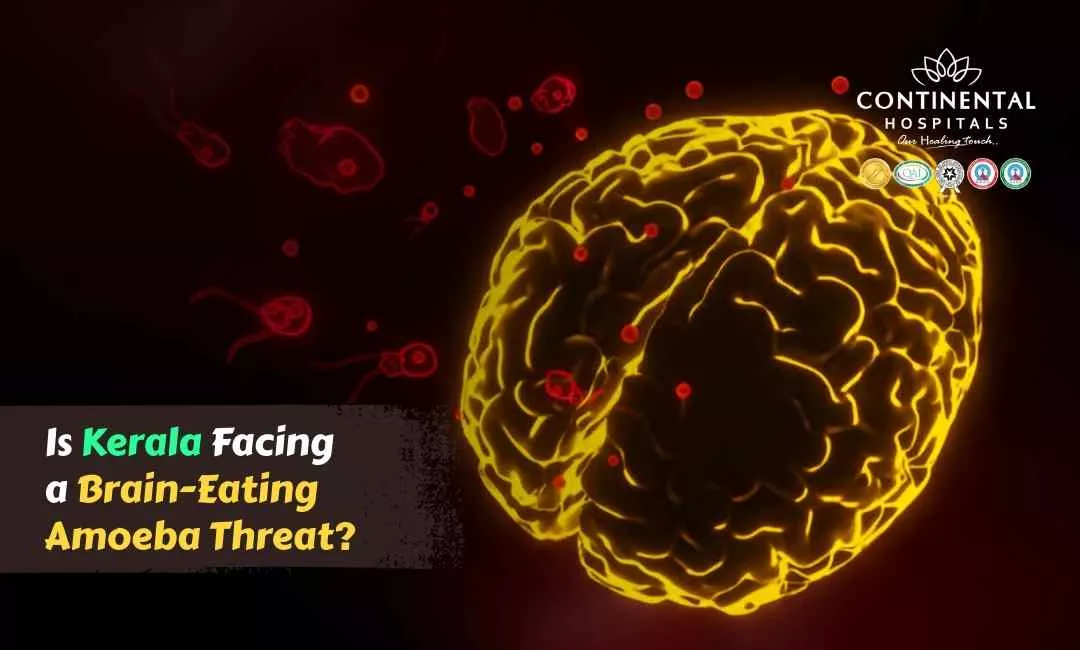
Is Kerala Facing a Brain-Eating Amoeba Threat?

Written by - Editorial Team
Medically Reviewed by - Dr M K Singh

Kerala has recently been in the news regarding rare but deadly brain infections caused by a microorganism commonly known as the brain-eating amoeba. Medically, it is called Naegleria fowleri. While cases are extremely rare, understanding the risks, symptoms, and preventive measures is essential for families, travelers, and anyone using freshwater sources in the region.

What is a Brain-Eating Amoeba?

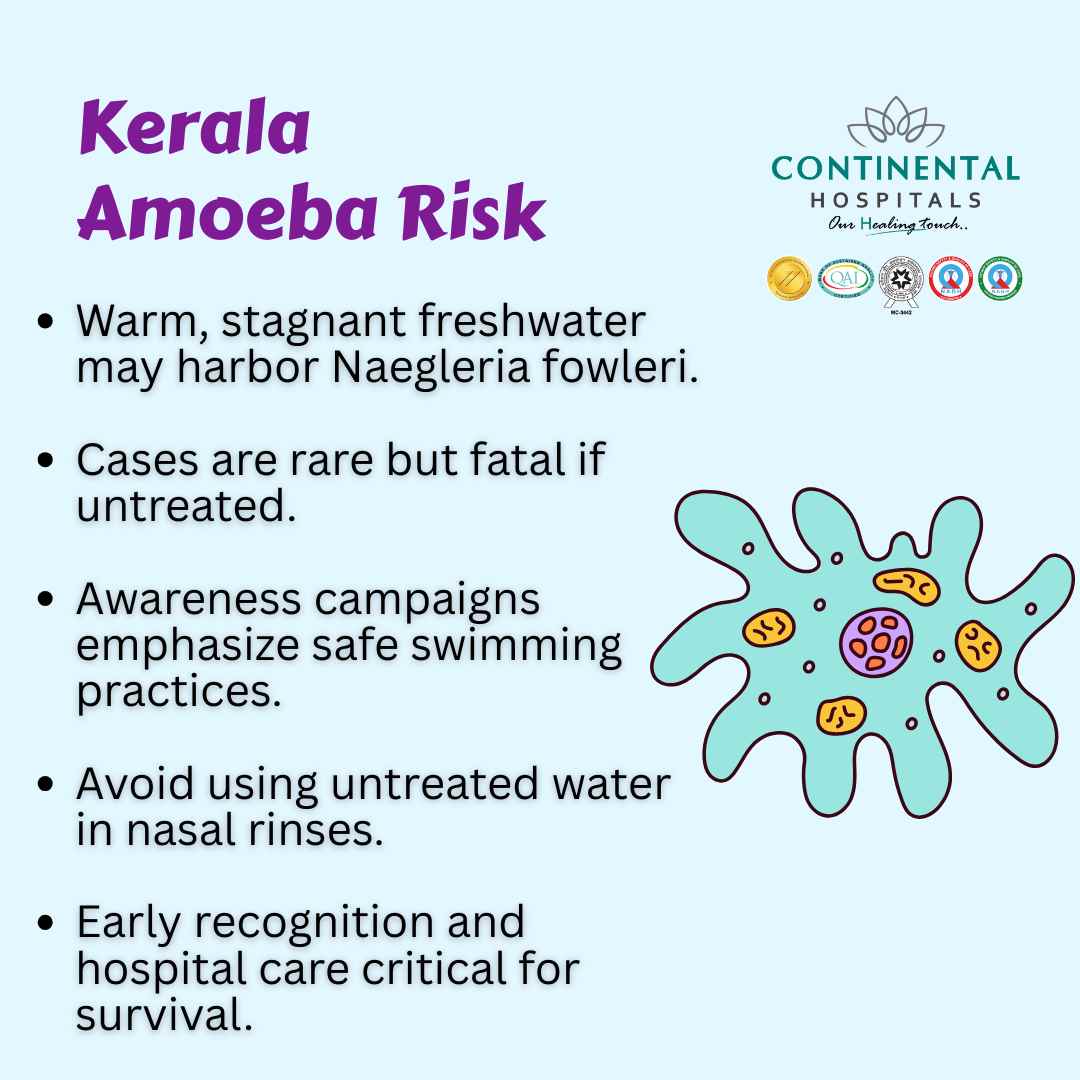
The brain-eating amoeba is a single-celled organism found in warm freshwater bodies like lakes, rivers, and hot springs. It can also survive in poorly maintained swimming pools and water systems with insufficient chlorination. The amoeba enters the human body through the nose, usually when people swim or dive in contaminated water. Once it reaches the brain, it causes a fatal infection called primary amoebic meningoencephalitis (PAM).

Although the infection is rare, it progresses rapidly and can be deadly if not diagnosed and treated immediately. The low number of cases may make it easy to ignore, but awareness can save lives.

Visit our best neuro doctor hyderabad for expert evaluation, advanced neurological care, and personalized treatment for a wide range of brain, nerve, and spine conditions. Our specialists are committed to helping you achieve the best possible neurological health.
How Does it Spread?

Unlike bacterial or viral infections, this amoeba does not spread through casual contact. You cannot get infected by drinking contaminated water, touching someone infected, or eating food. The main route of infection is through the nasal passage, where the amoeba travels to the brain. High-risk activities include swimming in warm freshwater lakes, rivers, or ponds, and using neti pots or nasal irrigation with untreated water.

Who is at Risk?

Anyone exposed to contaminated water can be at risk, but certain groups are more vulnerable:

  • Children and young adults who swim or play in freshwater lakes and ponds
  • People who perform nasal irrigation with tap water that is not properly filtered or boiled
  • Travelers or adventure enthusiasts visiting areas with warm, stagnant freshwater

Even though the infection is rare, the fatality rate is extremely high. Most people infected with this amoeba do not survive, which is why early detection and medical attention are critical.

What are the symptoms of brain-eating amoeba infection?

The symptoms of brain-eating amoeba infection often start within one to nine days after exposure. Early signs resemble common illnesses, making it tricky to detect immediately:

Second Opinion

  • Severe headache that does not improve with usual medications
  • Fever and nausea
  • Vomiting
  • Stiff neck
  • Confusion, hallucinations, or behavioral changes
  • Seizures in advanced stages

If someone has recently swum in warm freshwater or used unsterilized nasal irrigation and experiences these symptoms, it is crucial to seek medical help without delay. Early intervention can sometimes save lives, but delays are often fatal.

Why is Kerala in Focus for Brain-Eating Amoeba Cases?

Kerala’s tropical climate and abundant freshwater bodies create an environment where the amoeba can thrive. Hot summers and stagnant water in lakes, ponds, and poorly maintained water systems increase the likelihood of the amoeba’s presence. While cases remain very low, the attention is due to the severe nature of the infection and the need for awareness among residents and tourists.

How can people prevent brain-eating amoeba infection?

Prevention is far more effective than treatment, considering the high fatality of the infection. Here’s what can help:

  • Avoid swimming in warm freshwater lakes, rivers, or ponds, especially during hot months
  • Use properly treated and chlorinated swimming pools
  • Avoid diving, jumping, or submerging your head in natural freshwater bodies
  • If using nasal irrigation, always use boiled, distilled, or filtered water
  • Ensure home water systems are properly maintained and disinfected

Simple precautions like these can drastically reduce the risk of infection. Families should educate children and teenagers about these risks, especially during summer vacations when outdoor water activities are common.

How is brain-eating amoeba infection diagnosed?

Diagnosing this infection early is challenging because symptoms resemble viral meningitis or the flu. Doctors use laboratory tests of cerebrospinal fluid and imaging studies to confirm the presence of the amoeba. Treatment involves a combination of antifungal and antimicrobial medications administered under strict hospital supervision. Even with prompt treatment, survival rates are low, but immediate medical attention provides the best chance.

Why Choose Continental Hospitals?

At Continental Hospitals, we combine advanced diagnostic tools, experienced specialists, and intensive care units equipped to handle critical infections. Our infectious disease and neurology teams are trained to identify rare infections like brain-eating amoeba early and provide rapid, coordinated care.

We prioritize patient safety, continuous monitoring, and personalized treatment plans, which can make a crucial difference in life-threatening conditions. Choosing Continental Hospitals means choosing expertise, trust, and immediate access to the highest quality medical care in India.

Need an Appointment?

Signs to Take Seriously

If anyone experiences severe headache, high fever, vomiting, or confusion after exposure to freshwater, do not wait. Early evaluation by specialists can help differentiate between common illnesses and rare infections. Timely consultation with a neurologist or infectious disease expert at a reputed hospital can save precious time.

Conclusion

The brain-eating amoeba is rare but deadly. Kerala’s warm climate and freshwater bodies can be a potential environment for the amoeba, but with awareness, careful water practices, and prompt medical attention, the risks can be minimized. Families and individuals should stay informed, follow preventive measures, and seek immediate help if symptoms appear after exposure to freshwater.

At Continental Hospitals, our Best Neurologist in Hyderabad are ready to assist patients with expert diagnosis, intensive care, and continuous monitoring. If you or a loved one experiences symptoms after freshwater exposure, consult our specialists immediately to receive the best possible care.

Your safety and health are our priority. Being proactive can make all the difference in preventing a rare but fatal infection.

Related Blogs:

How Deadly Is the Brain-Eating Amoeba Outbreak?

Frequently Asked Questions

The brain-eating amoeba, scientifically known as Naegleria fowleri, is a rare microscopic organism found in warm freshwater bodies such as lakes, ponds, rivers, and poorly maintained swimming pools. It can cause a rare but serious brain infection called Primary Amoebic Meningoencephalitis (PAM). Kerala has reported a few isolated cases in recent years, leading to increased public awareness and preventive measures. Although the infection is extremely rare, it progresses rapidly and requires immediate medical attention. The amoeba enters the body only through the nose during activities like swimming or diving in contaminated water. It does not spread from person to person and cannot be contracted by drinking contaminated water. Public health authorities continue to monitor cases closely and educate people about prevention. Most people exposed to freshwater never become infected, making the overall risk very low.
Naegleria fowleri infects people when contaminated water forcefully enters the nose. This commonly happens during swimming, diving, water sports, or underwater activities in warm freshwater. Once inside the nose, the amoeba travels through the olfactory nerve to the brain, where it causes severe inflammation. It cannot infect a person through intact skin or by drinking contaminated water. The infection is not contagious and cannot spread through coughing, touching, or sharing food. Most infections occur during hot weather when water temperatures are higher. Properly chlorinated swimming pools generally do not support the growth of the amoeba. Avoiding activities that force water into the nose significantly reduces the risk of infection.
Early symptoms of Primary Amoebic Meningoencephalitis often resemble those of bacterial or viral meningitis, making early diagnosis difficult. Common warning signs include severe headache, fever, nausea, vomiting, and neck stiffness. As the infection progresses, patients may experience confusion, sensitivity to light, seizures, loss of balance, hallucinations, and altered consciousness. Symptoms usually begin within one to twelve days after exposure to contaminated water. Because the disease progresses rapidly, medical evaluation should not be delayed. Prompt diagnosis and aggressive treatment offer the best chance of survival. Anyone developing neurological symptoms after recent freshwater exposure should seek emergency medical care immediately.
Children, teenagers, and young adults are reported more frequently among documented cases because they are more likely to swim, dive, or play in warm freshwater during summer. However, anyone exposed to contaminated water entering the nose can potentially become infected. The infection is not linked to a weak immune system alone, as healthy individuals have also been affected. Risk increases during hot weather when water temperatures rise and water levels become lower. Activities that stir up sediment in lakes or ponds may increase exposure. Swimming in properly disinfected pools is generally considered safe. Taking simple preventive measures can significantly reduce the already low risk.
The best way to prevent infection is to avoid allowing warm freshwater to enter the nose. Use nose clips or keep your head above water while swimming in lakes, ponds, or rivers, especially during hot weather. Avoid diving or jumping into warm freshwater where the amoeba may be present. Refrain from stirring up sediment at the bottom of freshwater bodies. Ensure swimming pools are properly cleaned and chlorinated. Use only sterile, distilled, or previously boiled water for nasal rinsing or sinus irrigation. Follow public health advisories regarding water safety. These simple precautions greatly reduce the already rare risk of infection.
Treatment for Primary Amoebic Meningoencephalitis is challenging because the disease progresses rapidly. Doctors use a combination of antimicrobial medications along with intensive supportive care to manage the infection. Some patients worldwide have survived due to early diagnosis, prompt treatment, and advanced critical care. Medicines such as amphotericin B, miltefosine, and other antimicrobial drugs may be used depending on the clinical situation. Rapid recognition of symptoms after freshwater exposure is essential. Delaying medical attention significantly reduces the chances of survival. Immediate hospitalization and neurological evaluation offer the best opportunity for successful treatment.
No. There is no recommendation to avoid traveling to Kerala because of isolated Naegleria fowleri cases. The infection remains extremely rare despite widespread freshwater exposure. Travelers should simply follow standard water safety precautions, particularly when swimming in warm freshwater lakes or ponds. Properly maintained swimming pools are generally safe because adequate chlorination kills the amoeba. Staying informed about local public health advisories and practicing preventive measures is sufficient for most people. There is no evidence of person-to-person transmission, so normal travel activities remain safe. Awareness and prevention are more important than fear.
Anyone who develops severe headache, fever, nausea, vomiting, neck stiffness, confusion, seizures, or altered mental status within days of swimming or diving in warm freshwater should seek emergency medical attention immediately. Inform the healthcare provider about recent freshwater exposure, as this information can help guide early diagnosis. Although the infection is very rare, rapid treatment is essential because the disease progresses quickly. Do not ignore persistent neurological symptoms or attempt self-medication. Early hospital evaluation may improve treatment options and outcomes. Immediate consultation with emergency physicians and neurologists is strongly recommended whenever these warning signs appear after freshwater exposure.
Disclaimer: The information provided in this blog is intended for general knowledge and informational purposes only, and does not constitute medical advice. Always consult with a qualified healthcare professional for any medical concerns or before making any decisions about your health.

Get in Touch With Us

Whether you are from India or abroad, we are here to help you with your medical queries. Please fill out the form below and our team will connect with you shortly.

  • ✔ Quick response from our medical experts
  • ✔ Secure data handling & privacy
  • ✔ Easy upload for reports & documents
banner_image

Chat with our medical experts on WhatsApp for quick assistance and hassle-free appointment booking

Recent Posts