.webp)

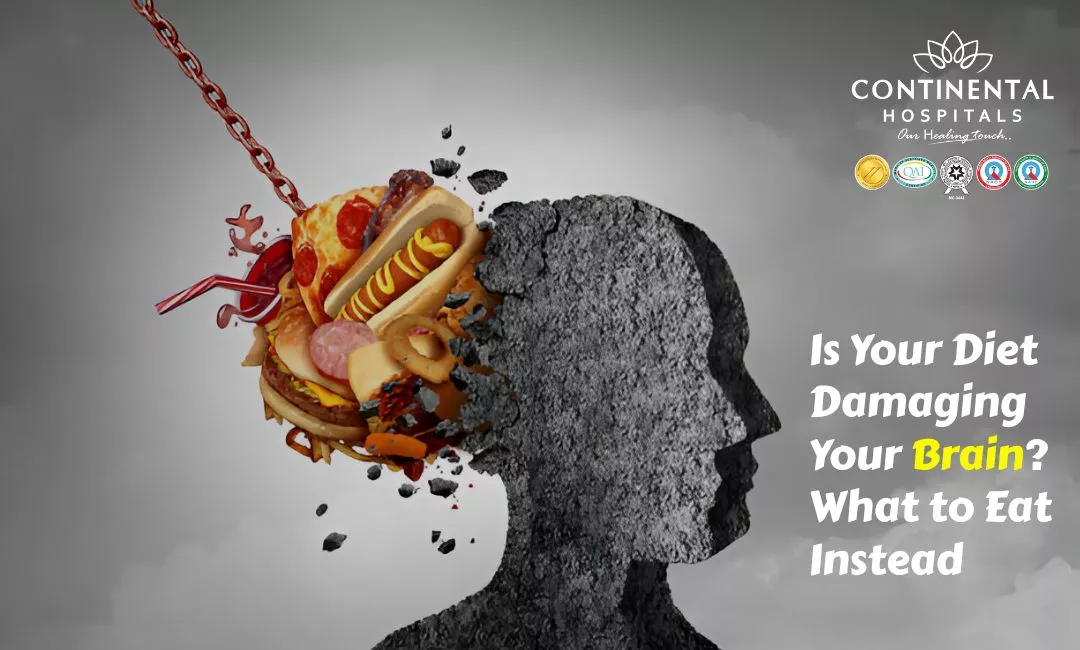
What you eat plays a significant role in how your brain functions. A poor diet doesn't just affect your waistline—it can also cloud your thinking, slow your memory, and affect your mood. If you often feel foggy, forgetful, or mentally drained, your food choices might be to blame. Understanding the link between diet and brain health is the first step toward improving focus, memory, and mental clarity. Let’s explore the foods that harm the brain and the best brain food alternatives to protect and support your mental well-being.
How does your diet affect brain health?
Your brain needs a constant supply of nutrients to function properly. Just like your body, your brain performs best when it gets the right fuel. When your diet lacks essential nutrients or includes harmful substances, it can lead to mental fatigue, poor concentration, and even long-term brain damage.
Poor Diet and Memory Loss:
Studies show that a diet high in saturated fats, added sugars, and processed foods is linked to memory issues and a higher risk of cognitive decline. Poor nutrition may lead to inflammation in the brain and interfere with the way brain cells communicate.
Brain Fog from Diet:
Do you feel mentally sluggish or struggle to focus? This condition—commonly known as brain fog—can be caused by high sugar intake, skipping meals, or relying on junk food. These habits cause your blood sugar levels to spike and crash, affecting brain performance.
Concerned about your brain health or experiencing neurological symptoms? Visit our best neuro doctor hyderabad at Continental Hospitals for expert diagnosis, advanced care, and personalized treatment.
What foods harm the brain?
1. Processed Foods and Brain Health:
Processed snacks, frozen meals, and packaged baked goods are often loaded with unhealthy fats, sugar, and preservatives. These items have little nutritional value and can trigger brain inflammation. Over time, they may contribute to anxiety, depression, and cognitive decline.
2. Refined Sugars:
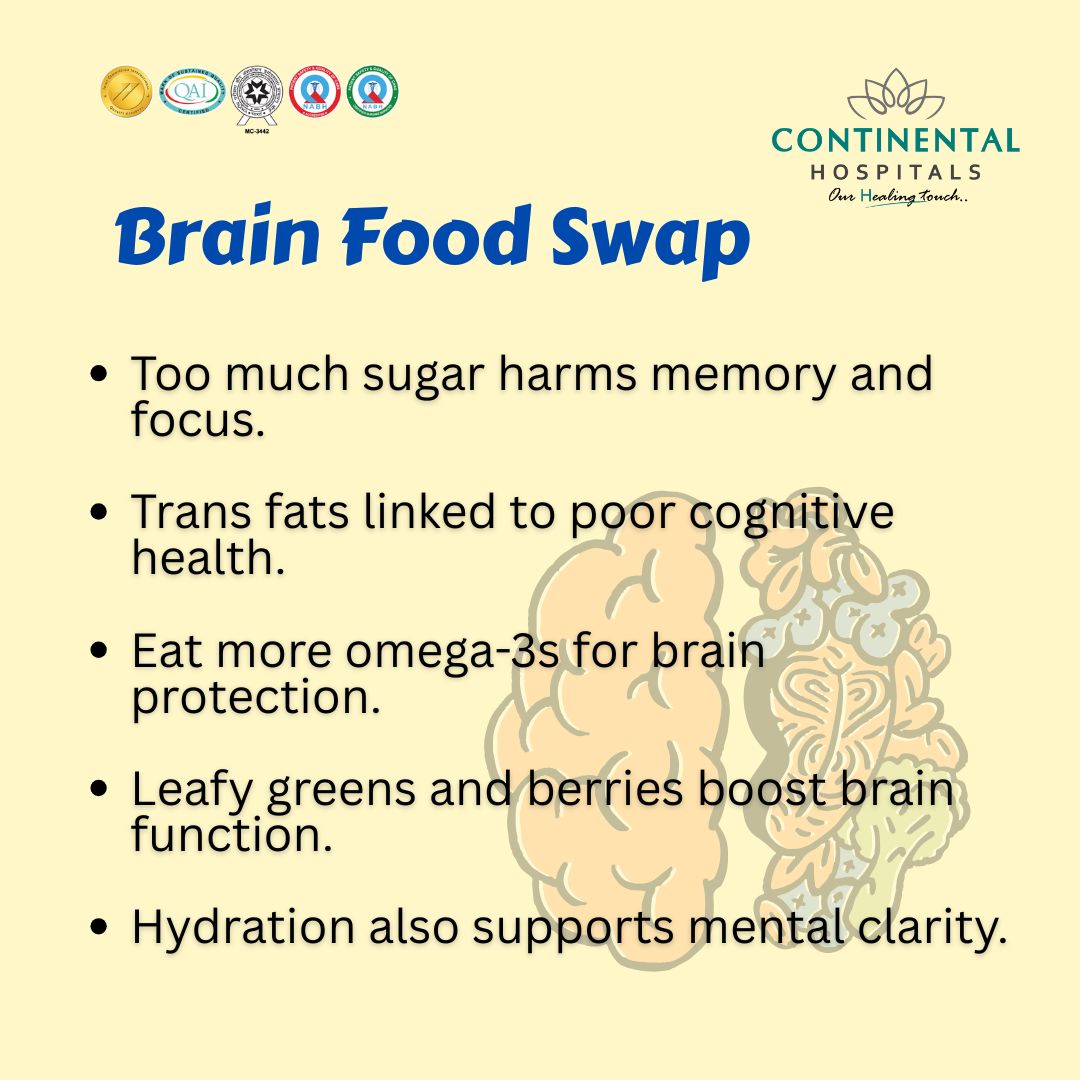
Sugar and brain function are closely connected. Excessive sugar disrupts insulin regulation in the brain and is linked to reduced brain activity, especially in the hippocampus, which controls memory. Constant sugar consumption may impair learning ability and emotional control.
3. Trans Fats:
Found in fast food, margarine, and some packaged snacks, trans fats can lower the quality of communication between brain cells. This negatively impacts memory and learning ability.

4. Artificial Sweeteners and Additives:
These can interfere with neurotransmitters in the brain and may worsen symptoms of anxiety, mood swings, or attention disorders.
What should I eat instead for better brain health?
Choosing a brain-healthy diet plan can significantly improve mental sharpness, emotional balance, and long-term cognitive health. Here are key nutrients for mental health and the brain-friendly foods to include:
1. Omega-3 Fatty Acids for Brain Function:
Omega-3 for brain health is essential. Found in fatty fish like salmon, sardines, and mackerel, omega-3s help build brain cell membranes and reduce inflammation. They are known to improve memory and protect against age-related decline.
2. Leafy Green Vegetables:
Spinach, kale, and broccoli are packed with vitamins like K, B, and antioxidants. These nutrients support brain structure and help slow cognitive decline.
3. Berries:
Blueberries, strawberries, and blackberries contain antioxidants that reduce oxidative stress and improve communication between brain cells. They are among the best brain food options.
4. Nuts and Seeds:
Walnuts, flaxseeds, and chia seeds are high in healthy fats, antioxidants, and vitamin E—nutrients that protect brain cells and support focus and memory.
5. Whole Grains:
Brown rice, oats, and quinoa provide a steady supply of energy to the brain, helping maintain focus and concentration throughout the day.
6. Eggs:
Eggs are rich in choline, a nutrient crucial for memory and learning. They also contain B vitamins, which play a role in regulating mood and reducing brain fog.
7. Avocados:
This fruit is a good source of healthy fats that improve blood flow to the brain and enhance cognitive abilities.
8. Dark Chocolate (in moderation):
Contains flavonoids, caffeine, and antioxidants—all of which support learning, memory, and mood regulation.
How Does an Unhealthy Diet Affect Mental Health?
An unhealthy diet can lead to inflammation in the brain, impacting how you think and feel. Over time, poor food choices may increase the risk of depression, anxiety, and neurodegenerative conditions. Processed food and brain health do not go hand in hand. A balanced diet can help reduce stress, stabilize mood, and improve sleep quality—all essential for healthy brain function.
How to Create a Brain-Healthy Diet Plan?
Here are some simple tips to build a brain-friendly eating plan:
Plan your meals: Include a variety of vegetables, fruits, lean proteins, and whole grains.
Stay hydrated: Dehydration can impair memory and attention. Drink enough water daily.
Limit sugar and processed foods: Avoid sugary drinks, snacks, and processed meals.
Include brain-healthy fats: Choose sources like olive oil, nuts, and fish.
Eat regularly: Skipping meals can lead to low energy and poor concentration.
A consistent brain-healthy diet plan supports long-term cognitive health and can help prevent brain-related disorders as you age.
What should I eat for better focus and memory?
If you want to stay sharp at work or school, choose foods that fuel your brain effectively:
- Start your day with oats and nuts for lasting energy.
- Add berries and leafy greens to your lunch or dinner.
- Snack on seeds or yogurt with fruit.
- Include fish or eggs several times a week.
- Avoid junk food and sugar-heavy beverages that can cause brain fog.
These small changes can add up to a noticeable improvement in your ability to concentrate and retain information.
Why Choose Continental Hospitals for Brain and Nutritional Health?
At Continental Hospitals, our team understands that brain health is deeply connected to nutrition. Our multi-disciplinary approach includes neurologists, dietitians, and general physicians who work together to guide you toward better mental wellness through customized diet and lifestyle planning. We provide personalized care that is science-based, compassionate, and focused on long-term brain health.
With advanced diagnostic tools and expert advice, we ensure you get the support needed to improve both physical and mental function through better food choices.
Conclusion
The connection between your diet and brain health is stronger than you might think. What you eat affects how clearly you think, how well you remember, and how you feel each day. By avoiding foods that harm the brain and embracing brain-boosting foods, you can protect your mental sharpness and emotional balance.
Making the switch to a brain-friendly diet plan is one of the most effective steps you can take for long-term wellness.
Concerned about diet and brain health? Visit Continental Hospitals to consult our Best Neurologist in Hyderabad and dietitian for expert dietary advice.