post-title

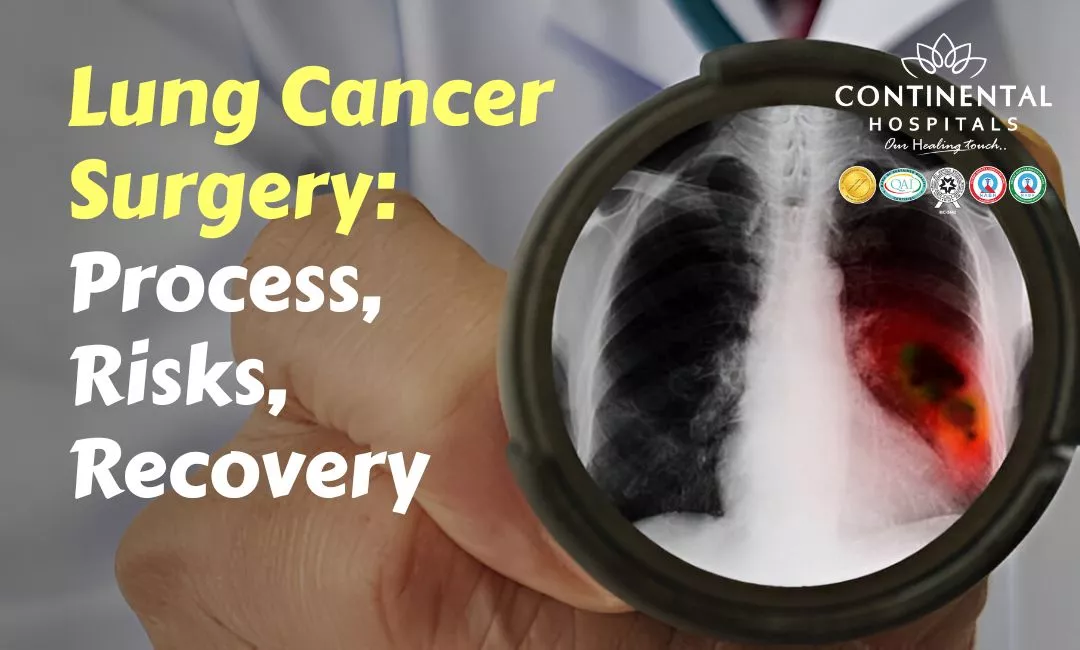
Lung Cancer Surgery: Process, Risks, Recovery

Written by - Editorial Team
Medically Reviewed by - Dr Harish N L

Receiving a lung cancer diagnosis can feel overwhelming. But for many people, lung cancer surgery offers a chance to remove the disease and move toward healing. Understanding the process, knowing what to expect, and preparing for recovery can make the journey smoother. This blog, written for Continental Hospitals, will guide you through the steps of lung cancer surgery in simple, easy-to-understand terms.

What Is Lung Cancer Surgery?

Lung cancer surgery is a medical procedure used to remove cancerous tissue from the lungs. It is usually recommended when the cancer is found early and has not spread too far. The goal of surgery is to remove the tumor and any affected lung tissue to stop the cancer from growing or returning.

Doctors may use surgery alone or combine it with treatments like chemotherapy or radiation therapy depending on the stage and type of lung cancer.

If you're experiencing symptoms, don't wait. Visit our Best Cancer Specialist in Hyderabad at Continental Hospitals and consult our expert cancer specialists for timely diagnosis and personalized care.

What Are the Different Types of Lung Cancer Surgery?

There are different types of lung surgery, and the choice depends on how much of the lung is affected:

Lobectomy – This is the most common surgery where an entire lobe (section) of the lung is removed.

Pneumonectomy – If the cancer has spread to an entire lung, doctors may need to remove the whole lung.

Segmentectomy or Wedge Resection – If the tumor is small and caught early, only a part of a lobe may be removed. This is often used when lung function needs to be preserved.

All these surgeries aim to remove cancer while helping you live a healthier life.

Second Opinion

How Is Lung Cancer Surgery Performed Step by Step?

Understanding the process can help reduce fear and confusion. Here’s a simple breakdown:

1. Pre-Surgery Preparation

Before the surgery, your doctor will perform tests like CT scans, PET scans, and blood work. You may meet with a lung specialist and anesthesiologist. These steps ensure your body is ready for surgery.

2. The Surgery

Lung cancer surgery is done under general anesthesia, so you’ll be asleep and won’t feel pain. Surgeons may perform:

Open surgery (thoracotomy): Involves a larger cut on the chest.

Minimally invasive surgery (VATS or robotic-assisted): Involves small cuts and cameras to guide the surgery, leading to faster healing.

Your surgeon will choose the best method based on your condition.

3. After the Surgery

You’ll wake up in a recovery room and may spend a few days in the hospital. Nurses and doctors will monitor your breathing, pain, and overall health.

Need an Appointment?

What Are the Risks?

Like any major surgery, lung cancer surgery carries some risks. These include:

  • Infection at the surgical site
  • Bleeding or blood clots
  • Breathing problems
  • Pain or numbness in the chest
  • Reaction to anesthesia

Your medical team at Continental Hospitals will take every step to reduce these risks and ensure your safety.

What Is the Recovery Process After Lung Cancer Surgery?

Recovery after lung cancer surgery takes time. Here’s what you can expect:

Hospital Stay
You may stay in the hospital for several days. During this time, you'll receive medication, breathing therapy, and support to help your lungs recover.

At-Home Recovery
Once you’re home, full recovery can take several weeks to a few months. You may feel tired, have limited energy, and need help with daily tasks. But with time, most people begin to feel stronger.

Here’s how to support your recovery:

  • Follow your doctor’s advice
  • Attend follow-up appointments
  • Do breathing exercises
  • Eat healthy, protein-rich foods
  • Avoid smoking or secondhand smoke

Your care team will guide you every step of the way.

When Should You Call Your Doctor After Lung Cancer Surgery?

During recovery, it’s important to watch for signs that may need medical attention, such as:

  • Fever or chills
  • Difficulty breathing
  • Sudden chest pain
  • Excessive coughing or bleeding
  • Redness or swelling around the wound

Reach out to your doctor right away if you notice any of these symptoms.

What Is Life Like After Lung Cancer Surgery?

Many people return to their normal activities after recovery. Some may need rehabilitation to rebuild strength, and others might continue with additional treatments like chemotherapy. Regular check-ups and scans are important to make sure the cancer hasn’t returned.

It’s also a good time to adopt healthy habits—quit smoking, eat well, stay active, and manage stress. These steps can help your lungs stay healthy and reduce the chances of the cancer coming back.

Why Choose Continental Hospitals for Lung Cancer Surgery?

At Continental Hospitals, your health and recovery are our top priorities. Here’s why patients trust us:

Expert Thoracic Surgeons – Our team includes specialists with years of experience in lung cancer surgeries.

Advanced Surgical Techniques – We offer minimally invasive and robotic-assisted surgeries for faster recovery.

Comprehensive Cancer Care – From diagnosis to surgery, chemotherapy, and aftercare, everything is under one roof.

Patient-Centred Approach – We listen, care, and support you through every step of the journey.

24/7 ICU and Emergency Services – Your safety is ensured before, during, and after the surgery.

We don’t just treat cancer—we support healing, comfort, and confidence in every patient.

Conclusion: A Stronger Tomorrow Begins Today

Lung cancer surgery can feel like a big step, but it often opens the door to a healthier, cancer-free life. You can take this journey with hope and strength by understanding the process, preparing well, and choosing the right hospital.


Frequently Asked Questions

Lung cancer surgery is a treatment used to remove cancerous tissue from the lungs. It is most commonly recommended for patients with early stage non small cell lung cancer when the tumor is localized and has not spread extensively. The type of surgery depends on the size, location, and stage of the cancer. Before surgery, doctors perform imaging tests, pulmonary function tests, and overall health assessments to ensure the patient can tolerate the procedure. Surgery may be combined with chemotherapy, immunotherapy, radiation therapy, or targeted therapy depending on the individual case. The primary goal is to remove all cancer while preserving as much healthy lung tissue as possible. Early diagnosis significantly improves the chances of successful surgery and long term survival. Your thoracic surgeon will discuss the most suitable surgical approach based on your condition.
Several surgical procedures are available depending on the extent of lung cancer. A wedge resection removes the tumor along with a small margin of healthy tissue. Segmentectomy removes a larger portion of the lung while preserving more lung tissue than a lobectomy. Lobectomy involves removing an entire lobe of the lung and is considered the standard treatment for many early stage lung cancers. Pneumonectomy removes an entire lung and is performed only when necessary. Minimally invasive techniques such as Video Assisted Thoracoscopic Surgery and robotic assisted surgery may reduce pain, shorten hospital stays, and promote faster recovery. Your surgeon will recommend the most appropriate procedure after evaluating your cancer stage, lung function, and overall health.
Like any major operation, lung cancer surgery carries certain risks. Potential complications include bleeding, infection, pneumonia, blood clots, prolonged air leaks, irregular heart rhythms, and breathing difficulties. Some patients may experience pain, fatigue, or reduced lung capacity during recovery. The likelihood of complications depends on factors such as age, smoking history, underlying lung disease, heart health, and the extent of surgery performed. Experienced surgical teams carefully monitor patients before, during, and after surgery to minimize these risks. Following postoperative instructions, participating in breathing exercises, and attending follow up appointments help reduce complications and support a smoother recovery.
Recovery after lung cancer surgery varies depending on the type of procedure, the patient's overall health, and any postoperative complications. Most patients remain in the hospital for several days after surgery while doctors monitor their breathing and healing. Full recovery may take several weeks to a few months. During this period, patients gradually regain strength through walking, breathing exercises, and pulmonary rehabilitation when recommended. Mild discomfort, tiredness, and reduced stamina are common but usually improve over time. Eating a balanced diet, avoiding smoking, taking prescribed medications, and following activity guidelines contribute to a successful recovery. Regular follow up visits allow doctors to monitor healing and detect any concerns early.
Although surgery aims to remove all visible cancer, there is still a possibility that lung cancer may return. The risk depends on factors such as the cancer stage, tumor characteristics, lymph node involvement, and whether microscopic cancer cells remain after surgery. To reduce recurrence, doctors may recommend chemotherapy, immunotherapy, targeted therapy, or radiation therapy following surgery. Patients are also monitored through regular imaging scans, physical examinations, and follow up appointments. Quitting smoking, maintaining a healthy lifestyle, and promptly reporting new symptoms can support long term health. Early detection of recurrence allows timely treatment and may improve outcomes.
Before lung cancer surgery, patients undergo a comprehensive evaluation to determine whether surgery is the safest and most effective treatment option. This typically includes imaging scans, blood tests, lung function testing, heart evaluation, and sometimes bronchoscopy or biopsy review. Patients may be advised to stop smoking, improve nutrition, and begin breathing exercises before the operation. The surgical team explains the procedure, possible risks, recovery expectations, and postoperative care. Certain medications may need to be adjusted before surgery. Preparing physically and mentally helps reduce complications and supports better healing. Patients should discuss any concerns with their healthcare team before the scheduled procedure.
Healthy lifestyle changes play an important role in recovery after lung cancer surgery. Completely avoiding smoking is one of the most important steps to protect lung function and reduce the risk of recurrence. Patients should follow a nutritious diet rich in protein, fruits, vegetables, and whole grains to support healing. Regular walking and physician approved physical activity gradually improve endurance and breathing capacity. Pulmonary rehabilitation programs may further strengthen lung function. Adequate sleep, hydration, stress management, and adherence to prescribed medications also contribute to recovery. Attending all follow up appointments allows doctors to monitor progress and address any concerns promptly.
Patients should contact their healthcare provider immediately if they develop symptoms such as persistent fever, increasing shortness of breath, severe chest pain, heavy bleeding, worsening cough, coughing up significant amounts of blood, redness or drainage from the surgical wound, or sudden swelling in the legs. These symptoms may indicate complications that require prompt medical attention. It is also important to report persistent fatigue, unexplained weight loss, or new respiratory symptoms during follow up visits. Early evaluation allows timely treatment and reduces the risk of serious complications. Never ignore concerning symptoms after lung cancer surgery.
Disclaimer: The information provided in this blog is intended for general knowledge and informational purposes only, and does not constitute medical advice. Always consult with a qualified healthcare professional for any medical concerns or before making any decisions about your health.

Get in Touch With Us

Whether you are from India or abroad, we are here to help you with your medical queries. Please fill out the form below and our team will connect with you shortly.

  • ✔ Quick response from our medical experts
  • ✔ Secure data handling & privacy
  • ✔ Easy upload for reports & documents
banner_image

Chat with our medical experts on WhatsApp for quick assistance and hassle-free appointment booking

Recent Posts