post-title

Preventing Brain Strokes: Lifestyle Changes and Risk Factors

Written by - Editorial Team
Medically Reviewed by - Dr M K Singh

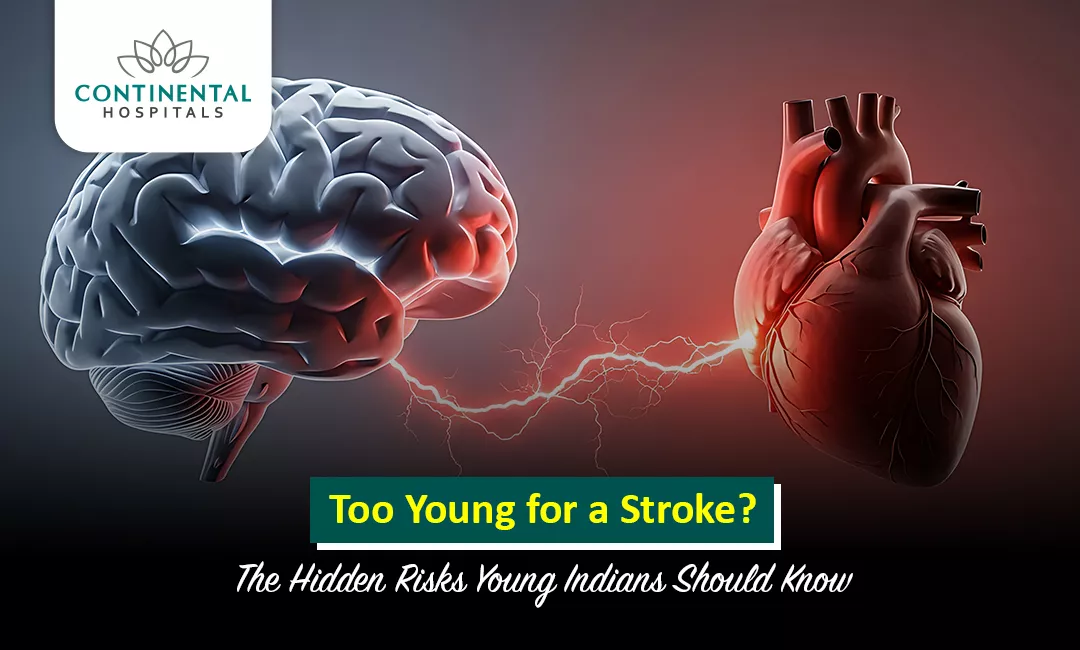
A brain stroke, also known as a cerebrovascular accident (CVA), occurs when blood flow to a part of the brain is interrupted or reduced, depriving brain tissue of oxygen and nutrients. Within minutes, brain cells begin to die. Strokes are a leading cause of death and disability worldwide, but many strokes can be prevented through lifestyle changes and managing risk factors. This article will explore the essential steps to prevent strokes, using global and Indian statistics to illustrate the impact and importance of prevention.

What are the different types of strokes and their symptoms?

There are two main types of strokes:

Ischemic Stroke: Caused by a blockage in an artery that supplies blood to the brain. This is the most common type, accounting for about 87% of all strokes.
Hemorrhagic Stroke: Occurs when a blood vessel in the brain bursts, leading to bleeding in or around the brain.

Common symptoms of a stroke include sudden numbness or weakness in the face, arm, or leg, especially on one side of the body, confusion, trouble speaking or understanding speech, difficulty seeing in one or both eyes, trouble walking, dizziness, loss of balance or coordination, and a severe headache with no known cause.

Visit our best neuro doctor hyderabad at Continental Hospitals for expert evaluation, advanced stroke prevention, timely diagnosis, and personalized treatment to protect your brain health.

What are the worldwide statistics on strokes?

Global Impact: According to the World Health Organization (WHO), 15 million people suffer strokes worldwide each year. Of these, 5 million die, and another 5 million are left permanently disabled.
Mortality Rates: Strokes are the second leading cause of death globally, responsible for approximately 11% of total deaths.
Disability: Strokes are the leading cause of long-term disability, significantly impacting the quality of life of survivors.

What are the latest stroke statistics in India?

Prevalence: India accounts for about 1.8 million stroke cases annually.
Mortality and Disability: Strokes are responsible for a significant portion of deaths and disabilities in India. Approximately 15% of all strokes result in death within the first 30 days, and many survivors are left with varying degrees of disability.
Age Factor: The average age of stroke patients in India is lower compared to Western countries, with a significant number of cases occurring in individuals aged 40-70 years.

What are the risk factors for stroke?

Several risk factors increase the likelihood of having a stroke. Some are modifiable through lifestyle changes, while others are non-modifiable.

What are the modifiable risk factors for brain stroke?

High Blood Pressure: The leading risk factor for stroke. Managing blood pressure through diet, exercise, and medication is crucial.
Diabetes: Increases the risk of stroke by damaging blood vessels. Proper management of blood sugar levels is essential.
High Cholesterol: Contributes to the buildup of plaques in blood vessels, leading to blockages. A heart-healthy diet and medications can help control cholesterol levels.
Smoking: Doubles the risk of stroke by damaging blood vessels and increasing blood pressure. Quitting smoking is one of the most effective ways to reduce stroke risk.
Obesity: Excess weight contributes to several stroke risk factors, including high blood pressure, diabetes, and high cholesterol. Maintaining a healthy weight through diet and exercise is important.
Physical Inactivity: Regular physical activity helps control weight, lower blood pressure, and improve overall cardiovascular health.
Unhealthy Diet: Diets high in saturated fats, trans fats, and cholesterol can lead to stroke. Eating plenty of fruits, vegetables, whole grains, and lean proteins is beneficial.
Alcohol Consumption: Excessive drinking increases blood pressure and stroke risk. Moderation is key.

Second Opinion

What are the non-modifiable risk factors for brain stroke?

Age: The risk of stroke increases with age, especially after 55.
Gender: Men have a higher risk of stroke than women, but women are more likely to die from strokes.
Family History: A family history of stroke increases one's risk.
Previous Stroke or TIA: A prior stroke or transient ischemic attack (TIA) significantly raises the risk of a subsequent stroke.

What lifestyle changes can help prevent a stroke?

Healthy Diet

Consume More Fruits and Vegetables: Aim for at least 5 servings of fruits and vegetables daily.
Choose Whole Grains: Whole grains like brown rice, whole wheat, and oats are rich in fiber and nutrients.
Limit Salt and Sugar: Excessive salt raises blood pressure, and too much sugar can lead to obesity and diabetes.
Healthy Fats: Include sources of healthy fats, such as avocados, nuts, seeds, and olive oil, and limit saturated and trans fats.

Regular Exercise

Aim for Consistency: Engage in at least 150 minutes of moderate-intensity aerobic activity, such as brisk walking, or 75 minutes of vigorous-intensity activity, like running, each week.
Include Strength Training: Perform muscle-strengthening activities on two or more days a week.

Avoid Smoking and Limit Alcohol

Quit Smoking: Seek support to quit smoking through counseling, medications, and support groups.
Limit Alcohol: If you drink alcohol, do so in moderation—up to one drink per day for women and two drinks per day for men.

Monitor Health

Regular Check-Ups: Regular health check-ups can help detect and manage risk factors like high blood pressure, diabetes, and high cholesterol.
Medication Adherence: If prescribed, take medications as directed to control risk factors.

What are the treatment options available for stroke at Continental Hospitals?

Continental Hospitals in Hyderabad offers comprehensive stroke care, including prevention, acute treatment, and rehabilitation. The hospital is equipped with advanced technology and a team of experts to provide the best care for stroke patients.

Acute Treatment

Thrombolysis: For ischemic strokes, clot-busting drugs can be administered to dissolve the clot and restore blood flow to the brain.
Mechanical Thrombectomy: In some cases, a mechanical device is used to remove the clot from the blocked artery.
Surgery: For hemorrhagic strokes, surgical intervention may be required to stop the bleeding and relieve pressure on the brain.

Need an Appointment?

Rehabilitation

Physical Therapy: Helps stroke survivors regain strength, balance, and coordination.
Occupational Therapy: Assists patients in relearning daily activities and improving fine motor skills.
Speech Therapy: Aids in recovering communication abilities and swallowing function.

Preventive Care

Continental Hospitals also offer preventive care services, including health check-ups, lifestyle counseling, and management of chronic conditions like hypertension and diabetes, to reduce the risk of stroke.

Conclusion

Preventing strokes requires a proactive approach to managing risk factors and making healthy lifestyle choices. By understanding the risks and taking steps to address them, individuals can significantly reduce their chances of having a stroke. For those at risk or who have already experienced a stroke, seeking comprehensive care at specialized centers like Continental Hospitals can make a crucial difference in outcomes and quality of life. Consult our Best Neurologist in Hyderabad

Related Blogs:

  1. Importance of the Golden Hour in Stroke Treatment

Frequently Asked Questions

A brain stroke occurs when the blood supply to a part of the brain is interrupted or when a blood vessel in the brain bursts. Without adequate oxygen and nutrients, brain cells begin to die within minutes. While some risk factors cannot be changed, many strokes can be prevented through healthy lifestyle choices and proper medical care. Controlling high blood pressure, diabetes, high cholesterol, and heart disease significantly lowers stroke risk. Avoiding smoking and limiting alcohol consumption are equally important preventive measures. Maintaining a healthy weight and staying physically active improve blood circulation and heart health. Eating a balanced diet rich in fruits, vegetables, whole grains, and lean proteins also supports vascular health. Regular health checkups help detect silent risk factors before they become serious. Managing stress and getting adequate sleep contribute to overall cardiovascular wellness. Recognizing early warning signs and seeking immediate medical attention can reduce disability and save lives. Preventive strategies are effective when practiced consistently throughout life.
Healthy lifestyle habits are among the most effective ways to reduce the risk of brain stroke. Regular physical activity helps maintain healthy blood pressure, improves circulation, and reduces excess body weight. A balanced diet low in salt, sugar, and unhealthy fats supports heart and brain health. Quitting smoking significantly decreases damage to blood vessels and lowers the risk of clot formation. Limiting alcohol intake also helps maintain healthy blood pressure levels. Managing stress through relaxation techniques, meditation, or yoga can positively affect cardiovascular health. Getting seven to eight hours of quality sleep every night supports normal body functions. Regular medical checkups ensure that conditions like hypertension, diabetes, and high cholesterol are detected early. Taking prescribed medications consistently is equally important for preventing complications. Small, sustainable lifestyle changes can greatly reduce the likelihood of experiencing a stroke.
Several factors increase the risk of developing a brain stroke, and understanding them helps with prevention. High blood pressure is the leading risk factor because it damages blood vessels over time. Diabetes can harm blood vessels and increase the likelihood of clot formation. High cholesterol contributes to plaque buildup, narrowing arteries that supply the brain. Smoking damages blood vessels and increases the risk of blood clots. Obesity and physical inactivity further elevate the chances of stroke by worsening cardiovascular health. Heart conditions such as atrial fibrillation can lead to clot formation that travels to the brain. Excessive alcohol consumption and recreational drug use also raise stroke risk. Age, family history, and previous strokes or transient ischemic attacks are additional risk factors. Although some risks cannot be changed, managing modifiable factors can substantially reduce the overall chance of stroke.
Yes, high blood pressure is the most significant modifiable risk factor for brain stroke. Persistently elevated blood pressure weakens and damages blood vessel walls over time. This damage increases the likelihood of blood vessel blockage or rupture within the brain. Many people with hypertension experience no symptoms until complications develop. Regular blood pressure monitoring helps identify problems early and enables timely treatment. Lifestyle modifications such as reducing salt intake, exercising regularly, maintaining a healthy weight, and avoiding tobacco are beneficial. Doctors may prescribe medications to control blood pressure effectively when lifestyle changes alone are insufficient. Following the prescribed treatment plan consistently is essential for long-term protection. Keeping blood pressure within the recommended range dramatically lowers the risk of both ischemic and hemorrhagic strokes. Regular follow-up appointments ensure that treatment remains effective and appropriate.
Diet plays an important role in maintaining healthy blood vessels and reducing stroke risk. A diet rich in fruits, vegetables, whole grains, legumes, nuts, and lean proteins supports cardiovascular health. Limiting foods high in saturated fats, trans fats, and cholesterol helps prevent artery blockage. Reducing salt intake assists in controlling high blood pressure, a major contributor to stroke. Limiting added sugars also supports healthy blood sugar levels and weight management. Healthy fats from fish, seeds, and olive oil can benefit heart and brain function. Staying hydrated contributes to overall circulation and bodily functions. Portion control helps prevent obesity, another significant stroke risk factor. Consistently following a heart-healthy eating pattern provides long-term protection against vascular disease. Combining healthy nutrition with regular exercise offers even greater preventive benefits.
Regular exercise is one of the most effective ways to lower the risk of brain stroke. Physical activity strengthens the heart and improves blood circulation throughout the body. Exercise helps maintain healthy blood pressure and improves cholesterol levels. It also enhances insulin sensitivity, reducing the risk of diabetes. Maintaining a healthy weight through exercise decreases strain on the cardiovascular system. Adults are generally encouraged to engage in at least 150 minutes of moderate-intensity physical activity each week. Activities such as brisk walking, cycling, swimming, and dancing are beneficial for most people. Strength training and flexibility exercises can further improve overall health. Individuals with existing medical conditions should consult their healthcare provider before starting a new exercise routine. Consistent physical activity, combined with healthy eating, provides strong protection against stroke.
Recognizing the warning signs of a brain stroke and seeking emergency care immediately can save lives and reduce disability. Sudden weakness or numbness affecting the face, arm, or leg, particularly on one side, is a common symptom. Difficulty speaking or understanding speech may also occur suddenly. Vision problems in one or both eyes can indicate an ongoing stroke. A sudden loss of balance, dizziness, or difficulty walking should not be ignored. Severe headache without a known cause may signal a hemorrhagic stroke. The FAST method helps identify stroke symptoms quickly: Face drooping, Arm weakness, Speech difficulty, and Time to call emergency services. Immediate treatment improves the chances of recovery. Never wait for symptoms to disappear on their own. Every minute counts when brain tissue is deprived of oxygen.
Regular stroke risk assessment is especially important for individuals with known cardiovascular risk factors. People with high blood pressure, diabetes, high cholesterol, or heart disease should undergo routine evaluations. Smokers and individuals with obesity also benefit from regular health screenings. Those with atrial fibrillation require careful monitoring because of their increased risk of blood clots. Individuals with a family history of stroke or previous transient ischemic attacks should discuss screening with their doctor. Older adults generally require more frequent assessments due to increasing age-related risk. Routine checkups may include blood pressure measurements, blood sugar testing, cholesterol evaluation, and heart rhythm assessment. Doctors may recommend additional imaging or specialized tests based on individual risk profiles. Early identification of risk factors allows timely intervention and preventive treatment. Regular follow-up with a neurologist or physician helps reduce the likelihood of future stroke.
Disclaimer: The information provided in this blog is intended for general knowledge and informational purposes only, and does not constitute medical advice. Always consult with a qualified healthcare professional for any medical concerns or before making any decisions about your health.

Get in Touch With Us

Whether you are from India or abroad, we are here to help you with your medical queries. Please fill out the form below and our team will connect with you shortly.

  • ✔ Quick response from our medical experts
  • ✔ Secure data handling & privacy
  • ✔ Easy upload for reports & documents
banner_image

Chat with our medical experts on WhatsApp for quick assistance and hassle-free appointment booking

Recent Posts