post-title

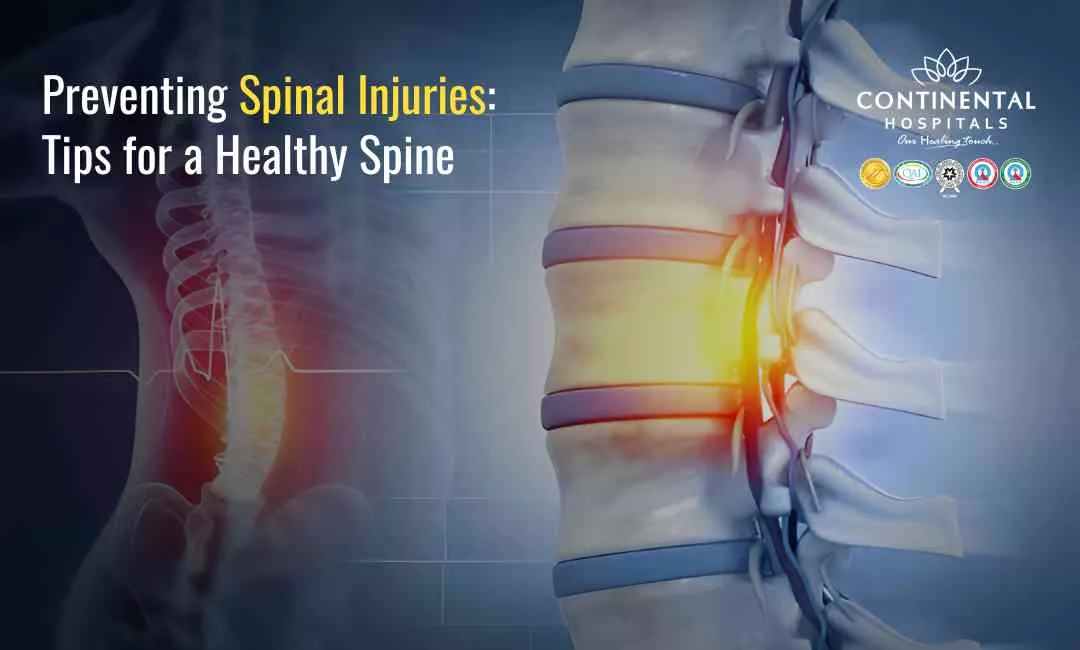
Preventing Spinal Injuries: Tips for a Healthy Spine

Written by - Editorial Team
Medically Reviewed by - Dr. Sumathi Jarugu

Your spine is one of the most vital parts of your body, supporting movement, flexibility, and balance. It protects the spinal cord, which connects the brain to the rest of the body. However, spinal injuries can disrupt this connection, leading to pain, disability, and long-term complications. Taking care of your spine is essential to maintain mobility and overall health. Let’s explore practical ways to prevent spinal injuries and keep your back strong and healthy.

Why Is Spine Health Important?

The spine is made up of bones, discs, muscles, and ligaments that work together to support your body. It helps you stand upright, bend, twist, and move with ease. When any part of this structure gets injured, it can cause severe back pain, numbness, weakness, or even paralysis in extreme cases. Preventing spinal injuries not only protects your mobility but also enhances your quality of life.

Common Causes of Spinal Injuries

Spinal injuries can happen due to various reasons such as:

Poor posture: Sitting or standing incorrectly for long periods puts strain on the spine.

Lifting heavy objects improperly: Using your back instead of your legs while lifting increases the risk of disc injuries.

Falls or accidents: Slips, trips, or road accidents can cause sudden trauma to the spine.

Lack of physical activity: Weak muscles around the spine increase stress on the back.

Sports injuries: High-impact sports like football, gymnastics, or weightlifting can lead to spinal strain or fractures.

Second Opinion

Identifying these risk factors early helps you take preventive steps to protect your spine.

Experiencing persistent back pain, numbness, or weakness? Visit our best neuro doctor hyderabad at Continental Hospitals for expert evaluation, accurate diagnosis, and advanced neurological care.
How can I maintain a healthy spine?

1. Practice Good Posture
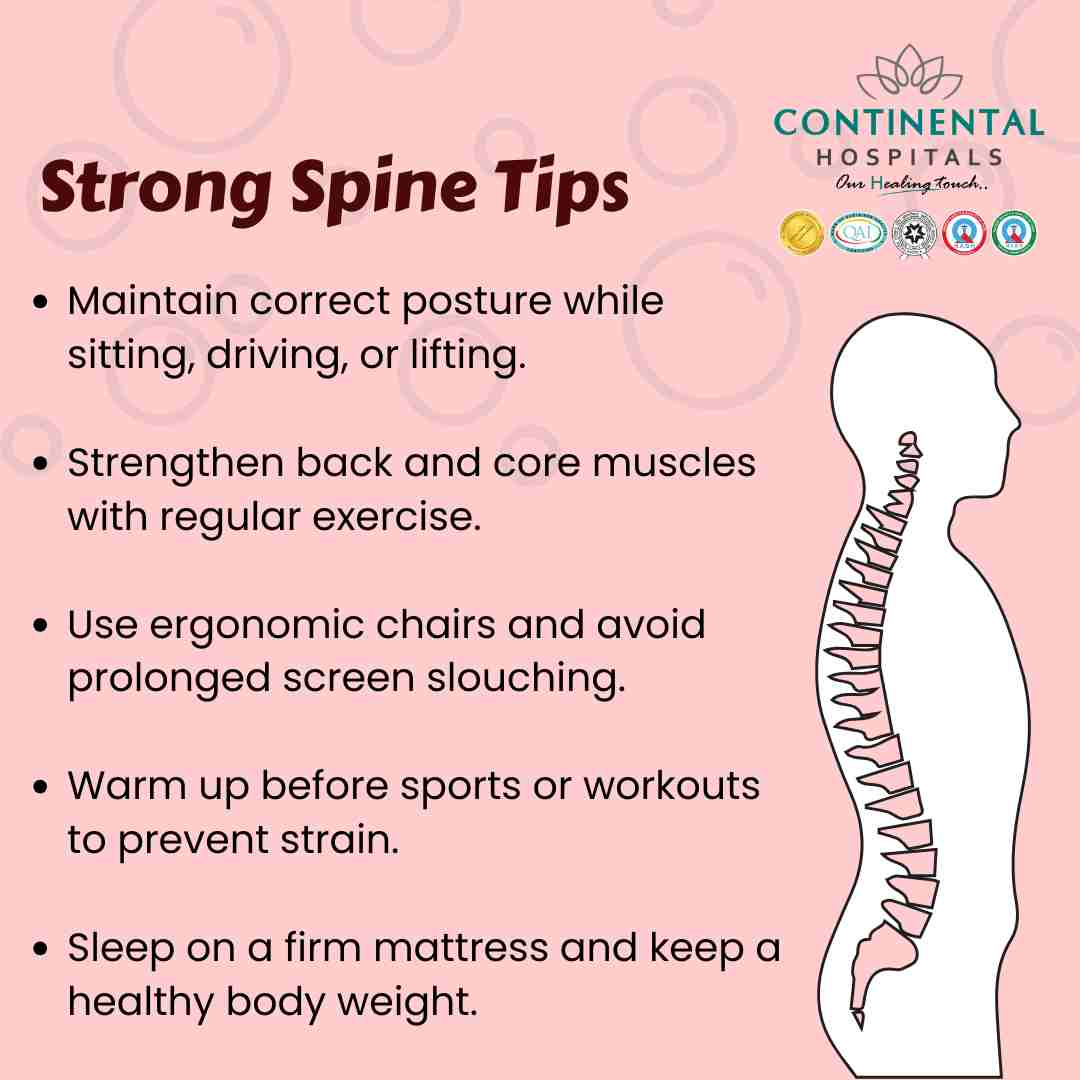
Maintaining correct posture reduces stress on your spine. When sitting, keep your back straight, shoulders relaxed, and feet flat on the floor. If you work long hours on a computer, adjust your chair and monitor height to ensure your neck and spine stay aligned.

2. Lift Objects Safely
Always bend at your knees, not your waist, when lifting something heavy. Keep the object close to your body and use the strength of your legs to lift. Avoid twisting your back while carrying loads.

3. Strengthen Your Core Muscles
Strong abdominal and back muscles provide better support for your spine. Include core-strengthening exercises like planks, bridges, and gentle yoga stretches in your daily routine.

4. Stay Physically Active
Regular exercise keeps your muscles flexible and improves blood flow to spinal tissues. Activities like walking, swimming, or cycling promote spinal strength without putting too much pressure on the joints.

Need an Appointment?

5. Maintain a Healthy Weight
Extra body weight puts additional pressure on your spine and increases the risk of back pain. Maintaining a balanced diet and a healthy weight helps reduce strain on your lower back.

6. Choose the Right Mattress and Pillow
Your sleeping posture plays a major role in spinal health. Choose a firm, supportive mattress that keeps your spine aligned. Use a pillow that supports your neck naturally and prevents stiffness.

7. Avoid Prolonged Sitting
Sitting for long hours can lead to spinal compression. Take short breaks every 30 minutes to stretch and move around. A standing desk can also be a good alternative if you have a desk job.

8. Wear Supportive Footwear
Shoes that offer proper support and cushioning help maintain spinal alignment. Avoid wearing high heels for long durations as they shift your body’s balance and affect posture.

9. Quit Smoking
Smoking reduces blood flow to spinal discs, leading to degeneration and back pain. Quitting smoking improves overall spinal and bone health.

10. Regular Health Checkups
Periodic spine checkups can help detect early signs of problems such as disc herniation, spinal stenosis, or alignment issues. Early diagnosis allows timely treatment and prevents serious complications.

How can I prevent spinal injuries during exercise?

Exercise is essential for spine health, but incorrect technique can cause injuries. Warm up before workouts, stretch properly, and use correct form during exercises. Avoid overexerting yourself and use appropriate safety gear while engaging in sports or physical training.

If you experience sudden back pain or numbness after exercise, stop immediately and consult a specialist. Ignoring pain may worsen the injury.

How can I improve ergonomics at work and home?

Most spinal issues today are linked to poor ergonomics. Whether at work or home, ensure your furniture and equipment support spinal alignment. Use ergonomic chairs, adjustable tables, and keep your computer screen at eye level. Simple changes in your workspace can prevent years of discomfort.

How does nutrition affect spine health?

Your spine also needs proper nutrition to stay healthy. A diet rich in calcium, vitamin D, magnesium, and protein strengthens bones and muscles. Include leafy greens, nuts, dairy products, and lean proteins in your meals. Staying hydrated helps maintain the elasticity of spinal discs.

When to See a Doctor?

You should consult a spine specialist if you experience:

  • Persistent or severe back pain
  • Numbness or tingling in arms or legs
  • Difficulty in movement or balance
  • Loss of bladder or bowel control

These could be signs of serious spinal conditions that require medical attention. Early diagnosis and treatment can prevent long-term complications.

Why Choose Continental Hospitals for Spine Care?

Continental Hospitals in Hyderabad is one of the most trusted healthcare centers for advanced spine care. The hospital is JCI-accredited, ensuring global standards in patient safety, clinical quality, and infection control.

The hospital offers:

  • A team of highly experienced spine surgeons, neurosurgeons, and rehabilitation specialists
  • Advanced imaging, diagnostic, and minimally invasive surgical facilities
  • Comprehensive spine rehabilitation and physiotherapy programs
  • Personalized care with a multidisciplinary approach

Continental Hospitals focuses on delivering accurate diagnosis, effective treatment, and long-term recovery support to ensure patients regain mobility and confidence.

Conclusion

Spinal health plays a key role in maintaining your body’s strength, balance, and flexibility. Simple lifestyle habits like maintaining good posture, exercising regularly, and avoiding prolonged sitting can go a long way in preventing spinal injuries. Protecting your spine today ensures an active and pain-free future.

If you suffer from chronic back pain or suspect a spinal problem, consult our Best Neurologist in Hyderabad at Continental Hospitals, Hyderabad. Our expert team provides world-class care, from diagnosis to rehabilitation, to help you live a healthier, stronger life.

Related Blogs:

What Is Spinal Muscular Atrophy (SMA)? Causes, Symptoms and Treatment

Frequently Asked Questions

Preventing spinal injuries starts with maintaining good posture while sitting, standing, and walking. Exercise regularly to strengthen your back, abdominal, and core muscles, as they provide essential support to the spine. Lift heavy objects by bending your knees instead of your back. Avoid sudden twisting movements when carrying weight. Maintain a healthy body weight to reduce pressure on the spinal column. Use ergonomic furniture if you spend long hours working at a desk. Take frequent breaks to stretch and move around during prolonged sitting. Wear appropriate footwear that provides adequate support. Stay physically active to improve flexibility and balance. Follow proper safety practices while driving by wearing a seatbelt. Use protective gear during sports and recreational activities. Sleeping on a supportive mattress and pillow also helps maintain proper spinal alignment and reduces the risk of injury.
Good posture keeps the spine properly aligned and evenly distributes body weight across the vertebrae. This reduces unnecessary strain on muscles, ligaments, and spinal discs. Sitting with your back supported and feet flat on the floor helps prevent lower back pain. Standing upright with relaxed shoulders reduces pressure on the neck and upper back. Proper posture improves balance and decreases the likelihood of falls. It also minimizes muscle fatigue during daily activities. Poor posture over time can lead to chronic pain, disc problems, and spinal degeneration. Maintaining correct posture while using computers and mobile devices prevents neck strain. Ergonomic workstations further support healthy spinal positioning. Practicing posture awareness throughout the day helps maintain spinal health. Stretching regularly complements good posture by improving flexibility. Together, these habits significantly lower the risk of spinal injuries.
Yes, regular exercise is one of the most effective ways to reduce the risk of spinal injuries. Strengthening the core muscles provides better support for the spine during movement. Flexibility exercises improve the range of motion and reduce muscle stiffness. Low-impact activities such as walking, swimming, and cycling promote spinal health without excessive strain. Balance exercises help prevent falls that could lead to spinal trauma. Regular physical activity also supports healthy body weight, reducing stress on the spine. Stretching before and after exercise decreases the risk of muscle strains. Consistent movement improves blood flow to spinal tissues, supporting healing and maintenance. Exercise also strengthens bones, lowering the risk of fractures. Proper exercise techniques are important to avoid injury. Consulting a healthcare professional before starting a new fitness program is recommended for individuals with existing back problems. A balanced exercise routine contributes to long-term spinal health.
Always assess the weight of an object before attempting to lift it. Stand close to the object with your feet shoulder-width apart for better stability. Bend your knees and hips rather than your waist to lower yourself. Keep your back straight throughout the lift. Hold the object close to your body to minimize strain on the spine. Tighten your abdominal muscles before lifting. Lift using the strength of your legs instead of your back. Avoid twisting your body while carrying the load. Turn your entire body by moving your feet if you need to change direction. If an object is too heavy, ask for assistance or use lifting equipment. Lower the object carefully by bending your knees again. Following these techniques significantly reduces the risk of spinal injuries and back pain.
Maintaining a healthy weight reduces the amount of stress placed on the spine and surrounding muscles. Excess body weight, particularly around the abdomen, shifts the body's center of gravity and increases pressure on the lower back. This additional strain can accelerate wear and tear on spinal discs and joints. Healthy weight management improves posture and balance. It also reduces the risk of chronic back pain and degenerative spine conditions. Combining a balanced diet with regular physical activity supports spinal health. Adequate nutrition strengthens bones and muscles that support the spine. Weight control also decreases inflammation that may contribute to pain. Individuals with a healthy weight often experience greater mobility and flexibility. Daily activities become easier with less strain on the back. Long-term weight management plays an important role in preventing spinal injuries. A healthy lifestyle benefits the entire musculoskeletal system.
Creating an ergonomic workspace is essential for protecting the spine. Adjust your chair so your feet rest flat on the floor and your knees remain at a right angle. Position your computer monitor at eye level to reduce neck strain. Keep your keyboard and mouse within comfortable reach. Sit with your back fully supported by the chair. Avoid remaining in one position for extended periods. Stand up, stretch, and walk every 30 to 60 minutes. Use a headset instead of cradling the phone between your shoulder and ear. Lift office supplies using proper body mechanics. Arrange frequently used items within easy reach to avoid excessive bending or twisting. Practice posture awareness throughout the workday. These simple workplace habits can greatly reduce the risk of spinal discomfort and injuries.
Medical attention should be sought immediately after a severe fall, accident, or direct injury to the back. Persistent or worsening back pain lasting several days should not be ignored. Seek urgent care if pain is accompanied by numbness, tingling, or weakness in the arms or legs. Difficulty walking or maintaining balance requires prompt evaluation. Loss of bladder or bowel control is a medical emergency. Severe neck pain following trauma also needs immediate assessment. Fever, unexplained weight loss, or persistent pain may indicate an underlying condition. Early diagnosis helps prevent complications and improves treatment outcomes. Imaging tests may be recommended if a serious spinal injury is suspected. Prompt treatment reduces the risk of permanent nerve damage. A spine specialist can determine the appropriate management plan. Never ignore symptoms that interfere with daily activities or worsen over time.
Continental Hospitals offers comprehensive spine care through experienced neurologists, neurosurgeons, orthopedic spine surgeons, rehabilitation specialists, and physiotherapists. The hospital provides advanced diagnostic services to identify spinal conditions accurately. Personalized treatment plans are designed based on each patient's specific needs. Preventive guidance focuses on posture correction, exercise, ergonomics, and lifestyle modifications. Non-surgical treatments include medications, physiotherapy, and pain management techniques. When necessary, minimally invasive and advanced spine surgeries are performed using modern technology. Rehabilitation programs help patients regain strength, mobility, and independence after treatment. The multidisciplinary approach ensures coordinated care throughout recovery. Patient education plays an important role in preventing future spinal injuries. Regular follow-up supports long-term spinal health. Continental Hospitals is committed to delivering evidence-based spine care with a focus on safety, recovery, and improved quality of life.
Disclaimer: The information provided in this blog is intended for general knowledge and informational purposes only, and does not constitute medical advice. Always consult with a qualified healthcare professional for any medical concerns or before making any decisions about your health.

Get in Touch With Us

Whether you are from India or abroad, we are here to help you with your medical queries. Please fill out the form below and our team will connect with you shortly.

  • ✔ Quick response from our medical experts
  • ✔ Secure data handling & privacy
  • ✔ Easy upload for reports & documents
banner_image

Chat with our medical experts on WhatsApp for quick assistance and hassle-free appointment booking

Recent Posts