post-title

Preventing Strokes: Lifestyle Changes and Risk Reduction Strategies

Written by - Editorial Team
Medically Reviewed by - Dr M K Singh

Strokes are a serious medical condition that can have life-altering consequences. They occur when the blood supply to the brain is disrupted, leading to damage or death of brain cells. Strokes can result in a range of physical and cognitive impairments, making prevention a critical aspect of healthcare. Fortunately, many strokes are preventable through lifestyle changes and risk-reduction strategies. In this comprehensive guide, we will explore the various ways you can reduce your risk of having a stroke and discuss the importance of early intervention.

What's a stroke?

Before delving into preventive measures, it's essential to understand the different types of strokes and their causes. Strokes fall into two primary categories:

Ischemic Strokes: These strokes account for the majority of cases (about 87%) and occur when a blood clot or plaque buildup narrows or blocks an artery that supplies blood to the brain.

Hemorrhagic Strokes: These strokes happen when a blood vessel in the brain bursts or leaks, causing bleeding into or around the brain.

Understanding the underlying causes of strokes is crucial because different types may require distinct preventive strategies.
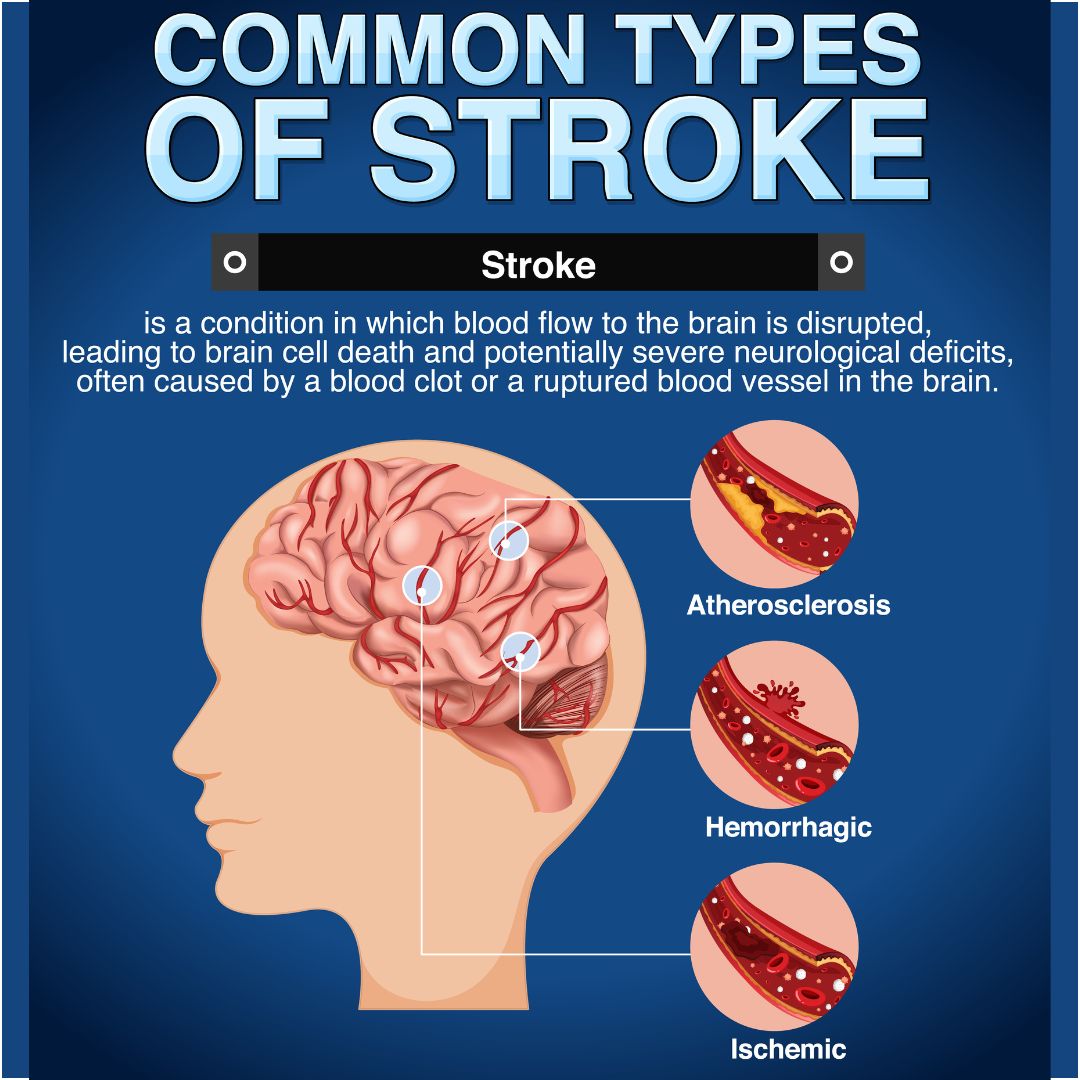
Coomon types of strokes

Book an appointment with a best neurologist in gachibowli

Lifestyle Changes for Stroke Prevention

Maintain a Healthy Diet: A well-balanced diet can significantly reduce stroke risk. Focus on consuming plenty of fruits, vegetables, whole grains, lean protein, and healthy fats. Minimize your intake of saturated and trans fats, sodium, and added sugars. The DASH (Dietary Approaches to Stop Hypertension) diet is an excellent choice for stroke prevention.

Control Blood Pressure: High blood pressure is a leading risk factor for strokes. Regularly monitor your blood pressure and take steps to keep it within a healthy range. This may involve medication, dietary changes, and stress management techniques.

Second Opinion

Manage Cholesterol Levels: High cholesterol levels can contribute to the development of fatty deposits in your blood vessels, increasing the risk of blood clots. Work with your healthcare provider to manage your cholesterol through diet, exercise, and medication if necessary.

Quit Smoking: Smoking damages blood vessels and promotes the formation of blood clots, making it a significant risk factor for strokes. Seek support and resources to quit smoking for a healthier future.

Limit Alcohol Consumption: Excessive alcohol intake can raise blood pressure and contribute to various health issues, including strokes. If you choose to drink, do so in moderation (defined as up to one drink per day for women and up to two drinks per day for men).

Exercise Regularly: Engaging in physical activity helps maintain a healthy weight, control blood pressure, and improve overall cardiovascular health. Aim for at least 150 minutes of moderate-intensity exercise or 75 minutes of vigorous-intensity exercise per week.

Maintain a Healthy Weight: Being overweight or obese can increase your risk of high blood pressure, diabetes, and heart disease, all of which are linked to strokes. Adopt a calorie-balanced diet and engage in regular exercise to maintain a healthy weight.

Reduce Your Risk of Stroke

Diabetes Management: People with diabetes are at a higher risk of stroke. Keep your blood sugar levels under control through a combination of medication, dietary changes, and regular monitoring.

Atrial Fibrillation Management: Atrial fibrillation, an irregular heartbeat, can lead to blood clots that increase the risk of stroke. Consult your healthcare provider for proper management, which may include blood-thinning medications.

Need an Appointment?

Regular Medical Check-Ups: Routine medical check-ups can help identify risk factors such as high blood pressure and irregular heart rhythms, allowing for early intervention and management.

Medication Compliance: If you've been prescribed medication to manage conditions like hypertension or high cholesterol, it's essential to take them as directed by your healthcare provider. Non-compliance can increase your risk of stroke.

Stress Reduction: Chronic stress can contribute to high blood pressure and unhealthy lifestyle choices. Incorporate stress-reduction techniques such as meditation, mindfulness, and relaxation exercises into your daily routine.

Awareness of Family History: Understanding your family's medical history can provide valuable insights into your stroke risk. If strokes run in your family, discuss prevention strategies with your healthcare provider.

Importance of Early Intervention of Stroke

Early intervention is crucial in preventing strokes. If you experience warning signs or risk factors, seek immediate medical attention. Common stroke symptoms include sudden:

- Numbness or weakness in the face, arm, or leg, especially on one side of the body.
- Confusion, trouble speaking, or difficulty understanding speech.
- Trouble seeing in one or both eyes.
- Trouble walking, dizziness, loss of balance, or lack of coordination.
- Severe headache with no known cause.

By recognizing these symptoms and acting quickly, you can potentially minimize the damage caused by a stroke and improve your chances of a full recovery.

Book an appointment with a Best Neurologist in Hyderabad

Preventing strokes is an ongoing process that requires dedication to a healthy lifestyle and proactive management of risk factors. By making smart choices in your daily life, staying informed about your health, and seeking prompt medical attention when needed, you can significantly reduce your risk of experiencing a stroke. Remember, the best time to start preventing a stroke is today, and it's never too late to make positive changes that can improve your overall well-being and safeguard your future health.

Related Blog Articles:

1. Exercise and Cognitive Function: How It Sharpens Your Mind
2. Dementia Myths vs. Facts
3. Early Signs of Alzheimer's: How to Recognize Them

Frequently Asked Questions

A stroke occurs when the blood supply to part of the brain is blocked or when a blood vessel in the brain ruptures. Without adequate oxygen and nutrients, brain cells begin to die within minutes. While some risk factors such as age and family history cannot be changed, many strokes are preventable through healthy lifestyle choices. Managing blood pressure, controlling diabetes, maintaining healthy cholesterol levels, exercising regularly, eating a balanced diet, avoiding smoking, and limiting alcohol consumption can significantly reduce stroke risk. Early detection and treatment of conditions like atrial fibrillation also help prevent stroke. Regular health checkups allow doctors to identify risk factors before they become serious. Taking preventive measures consistently can greatly reduce the likelihood of experiencing a stroke.
Adopting a healthy lifestyle is one of the most effective ways to prevent stroke. Eating a diet rich in fruits, vegetables, whole grains, lean proteins, and healthy fats supports cardiovascular health. Regular physical activity for at least 150 minutes each week helps maintain healthy blood pressure and body weight. Avoiding tobacco products is essential because smoking damages blood vessels and increases clot formation. Limiting alcohol intake also reduces stroke risk. Managing stress through relaxation techniques, meditation, or yoga contributes to overall heart health. Getting enough sleep and maintaining a healthy weight further improve vascular function. Routine medical checkups help monitor blood pressure, cholesterol, and blood sugar levels. These combined lifestyle habits significantly lower the chances of stroke.
High blood pressure is the leading risk factor for stroke because it places excessive pressure on the walls of blood vessels. Over time, this weakens arteries, making them more likely to rupture or become blocked by fatty deposits. Uncontrolled hypertension also accelerates the development of atherosclerosis, reducing blood flow to the brain. Many people have high blood pressure without noticeable symptoms, making regular monitoring essential. Lifestyle modifications such as reducing salt intake, exercising regularly, maintaining a healthy weight, and managing stress help control blood pressure. Some individuals may also require prescribed medications. Keeping blood pressure within the recommended range greatly lowers the risk of both ischemic and hemorrhagic strokes and improves overall cardiovascular health.
Yes, diet plays a major role in reducing stroke risk. A heart-healthy diet helps control blood pressure, cholesterol, blood sugar, and body weight. Foods rich in vegetables, fruits, whole grains, legumes, nuts, fish, and lean proteins provide essential nutrients that support healthy blood vessels. Reducing saturated fats, trans fats, processed foods, sugary beverages, and excess salt can lower the risk of cardiovascular disease. Adequate intake of potassium, fiber, and healthy fats also benefits circulation. Drinking enough water and maintaining balanced nutrition support overall vascular function. Following dietary patterns such as the Mediterranean or DASH diet has been associated with a lower risk of stroke. Healthy eating should be maintained consistently for long-term protection.
Anyone can experience a stroke, but certain individuals have a higher risk. People with high blood pressure, diabetes, high cholesterol, heart disease, atrial fibrillation, or obesity are more vulnerable. Smoking, excessive alcohol use, and physical inactivity further increase the risk. Advancing age and a family history of stroke also contribute, although younger adults can experience strokes as well. Men generally have a slightly higher stroke risk, but women face unique risks related to pregnancy, hormonal therapy, and certain medical conditions. Individuals with unhealthy diets or chronic stress may also be at increased risk. Regular screening and early management of medical conditions help reduce stroke risk across all age groups.
Regular physical activity is one of the most effective ways to lower stroke risk. Exercise improves blood circulation, strengthens the heart, reduces blood pressure, and helps maintain healthy cholesterol and blood sugar levels. It also supports weight management and reduces inflammation that contributes to blood vessel disease. Adults should aim for at least 150 minutes of moderate-intensity aerobic activity each week, along with muscle-strengthening exercises on two or more days. Walking, cycling, swimming, jogging, and dancing are excellent options. Even small increases in daily movement can provide health benefits. Individuals with existing medical conditions should consult their healthcare provider before starting a new exercise program. Consistent physical activity promotes long-term cardiovascular and brain health.
Recognizing stroke symptoms early can save lives and reduce permanent brain damage. Common warning signs include sudden weakness or numbness on one side of the face, arm, or leg, difficulty speaking or understanding speech, sudden confusion, blurred or lost vision, dizziness, loss of balance, difficulty walking, and a severe headache with no known cause. The FAST method helps identify stroke symptoms: Face drooping, Arm weakness, Speech difficulty, and Time to call emergency medical services immediately. Do not wait for symptoms to improve because early treatment greatly increases recovery chances. Every minute counts during a stroke, making rapid medical intervention essential for preserving brain function.
Regular health checkups help detect stroke risk factors before they cause serious complications. Many conditions such as high blood pressure, diabetes, high cholesterol, and atrial fibrillation often develop without noticeable symptoms. Routine screenings allow healthcare providers to identify these issues early and recommend appropriate treatment. Doctors may advise lifestyle modifications, prescribe medications, or monitor existing health conditions to reduce stroke risk. Health checkups also provide opportunities to discuss diet, exercise, smoking cessation, alcohol intake, and stress management. Individuals with a family history of cardiovascular disease may require more frequent monitoring. Preventive healthcare empowers people to take proactive steps that significantly reduce their risk of stroke and improve overall long-term health.
Disclaimer: The information provided in this blog is intended for general knowledge and informational purposes only, and does not constitute medical advice. Always consult with a qualified healthcare professional for any medical concerns or before making any decisions about your health.

Get in Touch With Us

Whether you are from India or abroad, we are here to help you with your medical queries. Please fill out the form below and our team will connect with you shortly.

  • ✔ Quick response from our medical experts
  • ✔ Secure data handling & privacy
  • ✔ Easy upload for reports & documents
banner_image

Chat with our medical experts on WhatsApp for quick assistance and hassle-free appointment booking

Recent Posts