post-title

Second Opinion in Cancer Treatment: What Top Oncologists Look For

Written by - Editorial Team
Medically Reviewed by - Dr Banda Ravi Teja

When facing a cancer diagnosis, the path ahead can feel overwhelming. You might have questions about the recommended treatment, possible alternatives, or the best specialists to consult. This is where a second opinion plays a crucial role. It offers clarity, reassurance, and sometimes, different perspectives that could impact your treatment journey.

Here’s what top oncologists look for when reviewing cases for a second opinion, and why choosing Continental Hospitals can make a real difference in your care.

Why is a second opinion important in cancer treatment?

Cancer treatment is complex. There are multiple types, stages, and individual patient factors that influence which therapy will work best. A second opinion is not about doubting your first doctor. It’s about ensuring that you receive the most appropriate and effective care tailored to your condition.

Top oncologists consider second opinions vital for the following reasons:

  • Confirming the diagnosis and staging of cancer
  • Reviewing treatment options and protocols
  • Identifying new or emerging therapies
  • Evaluating the need for surgery, chemotherapy, radiation, or targeted therapy
  • Discussing side effects and quality-of-life considerations
  • Coordinating multidisciplinary care for complex cases
What do top oncologists look for in a second opinion?

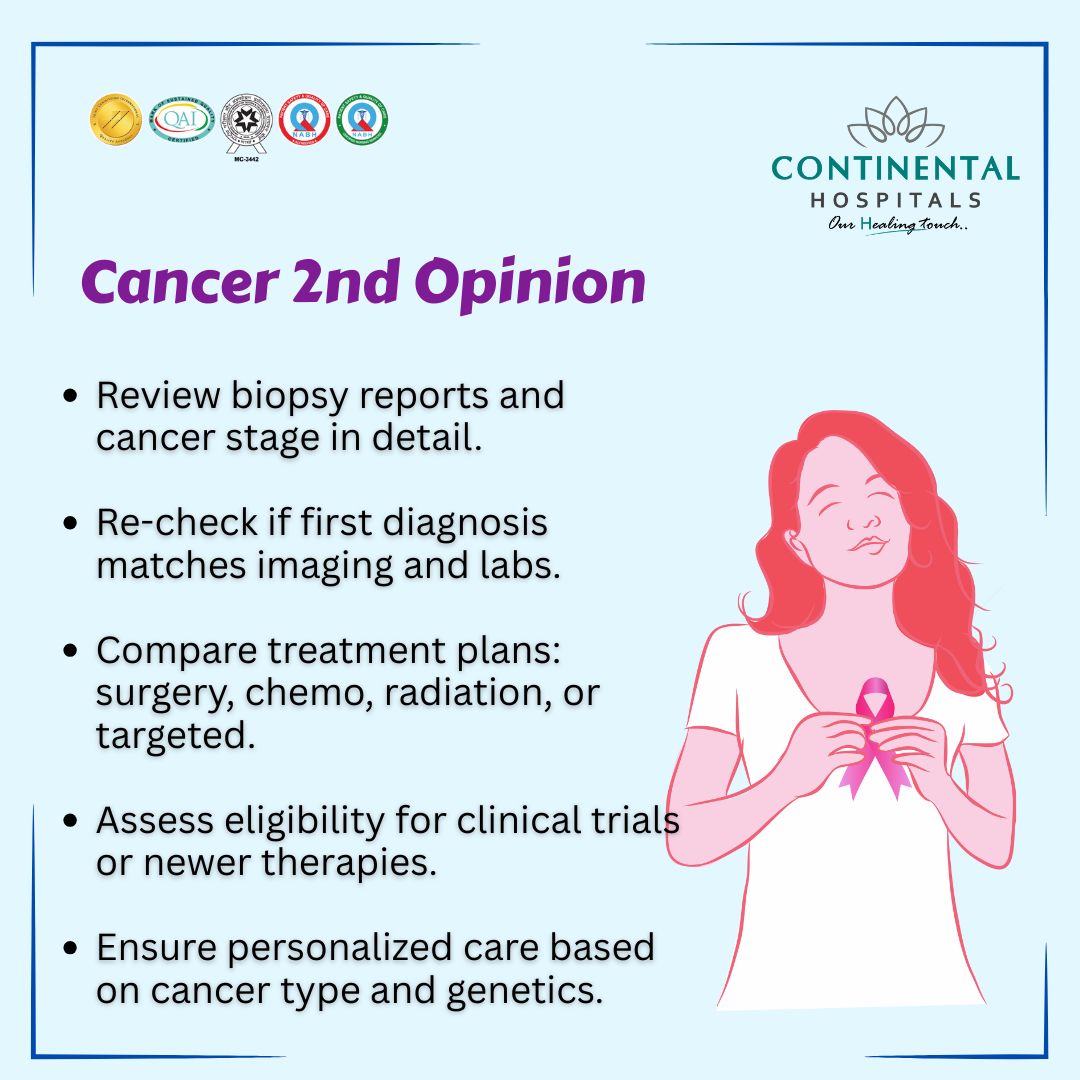
When you seek a second opinion at a reputed center like Continental Hospitals, oncologists examine your case in detail. Here’s what they focus on:

1. Accuracy of Diagnosis
The foundation of any cancer treatment plan is an accurate diagnosis. Oncologists review your biopsy reports, imaging scans, and pathology results. They verify that the cancer type and stage have been correctly identified. Sometimes, subtle differences in pathology can lead to changes in treatment approach.

2. Comprehensive Medical History
Your complete medical history, including previous treatments, family history, and other health conditions, helps oncologists understand your overall health context. This allows them to recommend therapies that minimize risk and maximize benefit.

3. Treatment Plan Assessment
Top oncologists analyze the recommended treatment plan to see if it aligns with the latest guidelines and research. They consider whether newer treatments or clinical trials are available that might offer better outcomes.

Second Opinion

4. Multidisciplinary Evaluation
Cancer care often requires a team approach. Specialists from surgery, medical oncology, radiation oncology, pathology, and radiology work together. This collective expertise ensures that all aspects of the cancer and patient health are addressed. For your second opinion, experts evaluate how well your current plan integrates this approach.

5. Patient-Centered Factors
Your preferences, lifestyle, and support system matter. Leading oncologists take these into account to recommend treatments that fit your needs without compromising effectiveness.

Visit the Best Cancer Specialist in Hyderabad at Continental Hospitals for expert cancer diagnosis, treatment, and compassionate care. Our experienced oncologists are here to guide you through every step of your cancer journey.

How do I get a second opinion at Continental Hospitals?

At Continental Hospitals, we make the second opinion process straightforward and patient-friendly. Here’s what you can expect:

Detailed Case Review: Our cancer specialists thoroughly review your medical records, test results, and previous treatment history.

Advanced Diagnostic Tools: We use the latest imaging and pathology technology to reassess your condition.

Consultation with Experts: You meet with oncologists who specialize in your type of cancer. They explain the findings and treatment options clearly.

Need an Appointment?

Tailored Recommendations: Based on your case, we suggest the most effective treatment strategies, including innovative therapies if suitable.

Coordinated Care: Our multidisciplinary team works with you every step of the way, ensuring seamless communication and support.

Why Choose Continental Hospitals for Your Second Opinion?

Here’s what sets Continental Hospitals apart when it comes to cancer care and second opinions:

Experienced Oncologists: Our team includes highly skilled cancer specialists with expertise across various cancer types.

Comprehensive Care: We offer complete cancer care services — from diagnosis and surgery to chemotherapy, radiation, and rehabilitation.

Cutting-Edge Technology: Continental Hospitals invests in advanced diagnostic and treatment technology to deliver accurate and effective care.

Multidisciplinary Approach: Our specialists collaborate closely to develop personalized treatment plans tailored to your unique needs.

Patient Support: We prioritize patient comfort, education, and emotional support throughout the treatment journey.

Trust and Transparency: Our doctors provide clear explanations and honest advice to help you make informed decisions.

What does getting a second opinion in cancer treatment really mean for you?

Getting a second opinion isn’t about questioning your first doctor’s expertise. It’s about empowering yourself with information. When oncologists take a fresh look at your case, they may confirm the current plan or offer alternatives that could improve your prognosis or quality of life.

The goal is to reduce uncertainty and give you confidence in your treatment decisions. The second opinion may:

  • Help avoid unnecessary treatments
  • Identify better-suited therapies
  • Offer access to clinical trials or new drugs
  • Provide peace of mind for you and your family

Common Questions Addressed During a Second Opinion

Top oncologists at Continental Hospitals also focus on the concerns patients frequently raise, including:

  • Is the cancer diagnosis accurate?
  • What stage is the cancer at, and what does it mean for treatment?
  • Are there less invasive treatment options?
  • How will treatment affect daily life?
  • What are the chances of success with the proposed plan?
  • What support services are available?

Clear answers to these questions are critical for patients to make decisions that feel right.

Conclusion: Take Charge of Your Cancer Care

If you are dealing with cancer, don’t hesitate to seek a second opinion. It’s a smart step to make sure your treatment is on the right track. Continental Hospitals offers world-class cancer specialists, advanced diagnostics, and a compassionate approach to help you fully understand your options.

Contact Continental Hospitals’ Oncology Department now to schedule your second opinion consultation and get the best oncologist in Hyderabad available.

Frequently Asked Questions

A second opinion in cancer treatment is an independent review of your diagnosis, test results, and treatment plan by another experienced oncologist. It helps confirm whether the diagnosis is accurate and whether the recommended treatment is the best option for your specific type and stage of cancer. A second opinion may identify additional treatment choices, clinical trials, or newer therapies that were not previously discussed. It also provides reassurance if both specialists recommend the same treatment approach. Seeking another opinion is a common and accepted practice in cancer care. It does not delay treatment when arranged promptly and often helps patients make informed decisions with greater confidence. Many patients seek a second opinion before major surgery, chemotherapy, radiation therapy, or targeted treatment.
Cancer is a complex disease, and treatment decisions can have long term effects on health and quality of life. A second opinion helps verify the diagnosis, cancer stage, and pathology findings before treatment begins. Different oncologists may have access to advanced technologies, specialized expertise, or innovative therapies that could improve outcomes. It also allows patients to better understand the benefits and risks of each treatment option. A second opinion can increase confidence in the treatment plan or suggest a more effective approach. Patients with rare cancers, recurrent cancers, or advanced disease often benefit the most from specialist review. It empowers patients to make informed healthcare decisions without replacing their current doctor's care.
Top oncologists carefully review all medical records before providing a second opinion. This includes biopsy reports, pathology slides, blood test results, imaging scans such as CT, MRI, or PET scans, and previous treatment history. They assess the type, grade, and stage of cancer to ensure accuracy. They also evaluate the patient's overall health, existing medical conditions, and treatment goals. Genetic and molecular testing reports may also be reviewed to identify targeted treatment opportunities. The oncologist discusses possible treatment options, expected outcomes, side effects, and long term prognosis. This detailed evaluation helps create a personalized treatment plan based on the latest evidence and clinical guidelines.
Yes, a second opinion can sometimes change the diagnosis, cancer stage, or treatment recommendations. In some cases, further testing may reveal a different cancer type or a more accurate stage of disease. This can significantly affect treatment decisions. Another oncologist may recommend minimally invasive surgery instead of extensive surgery, or suggest targeted therapy, immunotherapy, or clinical trials. Sometimes the second opinion confirms the original diagnosis and treatment plan, giving patients greater confidence to proceed. Even when there are no major changes, patients often gain a better understanding of their condition and treatment options. The goal is always to ensure the most effective and personalized cancer care.
The ideal time to seek a second opinion is soon after a cancer diagnosis and before starting treatment whenever possible. This allows enough time to review reports, confirm the diagnosis, and explore alternative treatment options. Patients may also seek another opinion if the cancer returns, stops responding to treatment, or if major surgery is being considered. Those diagnosed with rare or aggressive cancers can especially benefit from specialist consultation. Seeking a second opinion early usually does not delay treatment and may improve treatment planning. Many cancer centers prioritize these consultations to help patients begin appropriate care without unnecessary delays.
Patients should bring all relevant medical records to ensure a thorough review. This includes biopsy reports, pathology reports, laboratory results, CT scans, MRI scans, PET scans, X rays, ultrasound reports, and previous consultation notes. If treatment has already started, details of surgery, chemotherapy, radiation therapy, medications, and treatment response should also be included. Genetic testing reports, molecular profiling results, and family medical history can provide valuable information for personalized treatment planning. Having complete records helps avoid repeating tests and allows the oncologist to provide accurate recommendations during the consultation.
In most situations, obtaining a second opinion does not significantly delay cancer treatment. Cancer specialists understand the importance of timely care and usually schedule consultations quickly. Medical records and diagnostic reports can often be reviewed within a short period. A second opinion may actually prevent unnecessary procedures or ineffective treatments by ensuring the diagnosis and treatment plan are correct. Patients should inform both doctors about their timelines so that coordination remains smooth. Prompt review helps maintain treatment schedules while giving patients confidence in their decisions. In many cases, the benefits of confirming the treatment plan outweigh the brief time needed for another consultation.
A multidisciplinary cancer team brings together specialists from different fields to evaluate each patient's case. This team may include medical oncologists, surgical oncologists, radiation oncologists, radiologists, pathologists, genetic experts, and supportive care specialists. Each expert contributes valuable insights based on their specialty. Collaborative discussions help ensure accurate diagnosis, appropriate staging, and personalized treatment recommendations. Patients benefit from comprehensive care planning that considers surgery, chemotherapy, radiation therapy, targeted therapy, immunotherapy, nutrition, rehabilitation, and supportive care. A multidisciplinary approach often leads to better treatment coordination, improved outcomes, and greater confidence in the final treatment plan.
Disclaimer: The information provided in this blog is intended for general knowledge and informational purposes only, and does not constitute medical advice. Always consult with a qualified healthcare professional for any medical concerns or before making any decisions about your health.

Get in Touch With Us

Whether you are from India or abroad, we are here to help you with your medical queries. Please fill out the form below and our team will connect with you shortly.

  • ✔ Quick response from our medical experts
  • ✔ Secure data handling & privacy
  • ✔ Easy upload for reports & documents
banner_image

Chat with our medical experts on WhatsApp for quick assistance and hassle-free appointment booking

Recent Posts