post-title

Spinal Fusion Surgery: Procedure, Risks, and Recovery

Written by - Editorial Team
Medically Reviewed by - Dr M K Singh

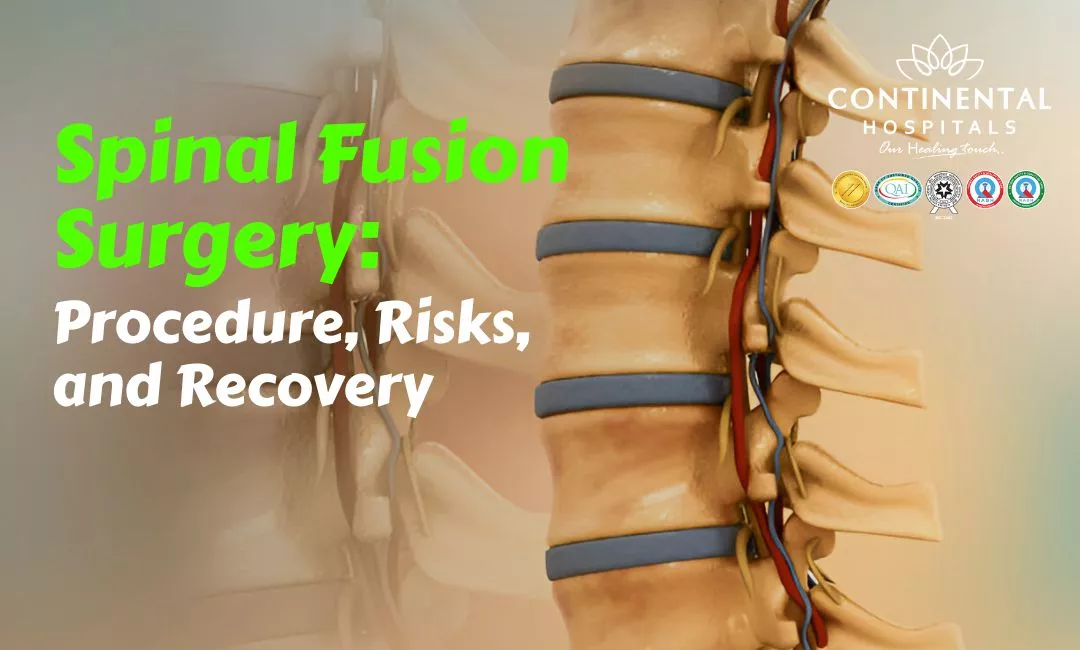
Spinal fusion surgery is a procedure that combines two or more vertebrae in the spine to eliminate movement between them. This operation is commonly performed to treat various back issues, such as chronic pain, herniated discs, or degenerative disc disease. The goal of the surgery is to stabilise the spine, relieve pain, and improve mobility.

In this blog, we will walk you through the spinal fusion procedure, its risks, and the recovery process. If you're dealing with chronic back pain and considering surgery, understanding what’s involved will help you make an informed decision.

What is Spinal Fusion Surgery?

Spinal fusion surgery involves fusing two or more vertebrae together, eliminating the movement between them. The surgery aims to restore stability to the spine by encouraging the vertebrae to heal and grow together as a single solid bone. While the surgery helps to alleviate pain, it does not restore full mobility.

The procedure can be performed in different ways, depending on the underlying issue and the part of the spine that needs treatment. Some of the most common techniques include:

Anterior Spinal Fusion: Performed through the front of the body.

Posterior Spinal Fusion: Performed through the back.

Lateral Spinal Fusion: Performed through the side of the body.

During the procedure, the surgeon uses a bone graft, metal rods, screws, and plates to hold the vertebrae together. Over time, the bone graft encourages the vertebrae to fuse together, creating a solid connection.
Second Opinion

When Is Spinal Fusion Surgery Needed?

Spinal fusion is often recommended for individuals who experience severe and persistent pain that doesn’t respond to conservative treatments, such as physical therapy or medications. The procedure is most commonly used for the following conditions:

Herniated Disc: When a disc in the spine slips out of place and presses on nearby nerves.

Degenerative Disc Disease: When the discs in the spine begin to wear down and causing pain.

Spondylolisthesis: A condition in which one vertebra slips over another.

Spinal Stenosis: Narrowing of the spinal canal, which compresses the nerves.

Spinal Instability: When the spine is unstable due to fractures or conditions like scoliosis.

If you're suffering from chronic back pain, it's essential to consult a spinal specialist. A thorough examination will help determine if spinal fusion is the best treatment option for your condition.

Need an Appointment?

Procedure: What Happens During Spinal Fusion Surgery?

Spinal fusion surgery is typically performed under general anesthesia. Depending on the severity of your condition, the surgery may take a few hours to complete.

Incision: The surgeon will make an incision at the location of the affected vertebrae. The incision can be made through the front (anterior), back (posterior), or side (lateral) of the body, depending on the area being treated.

Bone Graft Placement: The surgeon will insert a bone graft (either from your body, a donor, or a synthetic material) between the affected vertebrae. The bone graft helps promote the fusion of the vertebrae over time.

Stabilization: Metal plates, screws, or rods may be used to stabilize the spine and keep the vertebrae in place while the fusion process occurs.

Closure: The incision is closed with sutures or staples. A sterile bandage is applied, and you will be moved to the recovery area.

What are the risks of spinal fusion surgery?

Like any surgery, spinal fusion carries certain risks, although they are relatively rare. Some of the potential risks include:

Infection: Any surgical procedure carries a risk of infection at the incision site.

Bleeding: Excessive bleeding may occur during surgery, requiring additional medical attention.

Nerve Damage: There's a small risk that nerves surrounding the spine could be damaged during the procedure.

Blood Clots: Blood clots can form after surgery, particularly in the legs, leading to serious complications.

Failure to Fuse: In some cases, the vertebrae may not fuse properly, leading to the need for additional surgery.

Pain or Discomfort: While the surgery is designed to alleviate pain, some individuals may experience continued discomfort after the procedure.

It's essential to discuss these risks with your surgeon before deciding whether spinal fusion surgery is right for you.

If you're experiencing symptoms, don't wait—contact our healthcare team at Continental Hospitals today. Visit the best neuro doctor hyderabad 

What Is the Recovery Time After Spinal Fusion Surgery?

Recovery after spinal fusion surgery can take time, and the process varies depending on your health and the extent of the surgery. Here's what you can expect during the recovery phase:

Hospital Stay: Most patients stay in the hospital for a few days after surgery. You’ll be monitored closely for any complications.

Pain Management: Pain is common after the procedure, and medications will be prescribed to manage it. Your doctor will help guide you through managing your discomfort.

Physical Therapy: After the initial recovery, physical therapy will be recommended to help strengthen the muscles around the spine and improve mobility.

Follow-up Appointments: You'll need to attend follow-up appointments to monitor your progress and ensure that the fusion is taking place as expected.

Timeframe: Full recovery can take several months, and the fusion process itself may take up to a year to complete. During this time, it's essential to avoid heavy lifting and strenuous activities.

Why Choose Continental Hospitals?

Continental Hospitals provides top-notch healthcare with the expertise of experienced spine specialists. Our advanced technology, skilled surgeons, and patient-focused approach make us one of the leading healthcare providers for spinal conditions.

We offer comprehensive care throughout your journey, from diagnosis and surgery to recovery. With our VITANOVA Rehab Centre, patients receive personalised rehabilitation services, which help restore strength and mobility in a safe and supportive environment.

At Continental Hospitals, we’re committed to improving your quality of life and helping you return to your daily activities pain-free.

Conclusion

Spinal fusion surgery can be an effective solution for individuals suffering from chronic back pain due to spinal conditions. While it involves a complex procedure, the results often lead to improved stability, reduced pain, and enhanced mobility. Recovery takes time, but with the right care and support, you can expect a return to your normal routine.

Also, don’t forget, you can access comprehensive rehabilitation services at the Best Neurologist in Hyderabad at Continental Hospitals!

Frequently Asked Questions

Spinal fusion surgery is a procedure that permanently joins two or more vertebrae to eliminate painful movement between them. The surgery uses bone grafts along with metal screws, rods, or plates to stabilize the affected section of the spine. It is commonly recommended for people with spinal instability, severe degenerative disc disease, scoliosis, fractures, spinal tumors, or spondylolisthesis. In some cases, spinal fusion is also performed after removing a damaged disc or decompressing nerves affected by spinal stenosis. The primary goal is to reduce pain, improve spinal stability, and protect the spinal cord and nerves. Although the fused vertebrae no longer move independently, most patients regain better overall function because the painful motion has been eliminated. The decision to undergo spinal fusion depends on the severity of symptoms, imaging findings, and failure of conservative treatments such as medications, physiotherapy, and injections.
A person may be considered a suitable candidate for spinal fusion surgery if chronic back or neck pain significantly affects daily activities and does not improve with non-surgical treatments. Candidates often have conditions such as degenerative disc disease, spinal deformities, spinal fractures, recurrent disc problems, spinal instability, or severe arthritis affecting the spine. Patients usually undergo detailed physical examinations, imaging studies including MRI or CT scans, and neurological evaluations before surgery is recommended. Good candidates should be healthy enough to tolerate anesthesia and commit to postoperative rehabilitation. Factors such as smoking, uncontrolled diabetes, severe osteoporosis, or obesity may influence healing and require optimization before surgery. An experienced spine surgeon carefully evaluates each patient to determine whether spinal fusion offers the best long-term outcome.
Spinal fusion surgery is performed under general anesthesia. The surgeon reaches the affected spinal segment through an incision made in the back, front, side, or using minimally invasive techniques, depending on the patient's condition. Damaged discs or tissues may be removed if necessary before preparing the bones for fusion. Bone graft material, either from the patient's own body, a donor, or a synthetic substitute, is placed between the vertebrae to encourage bone growth. Metal screws, rods, cages, or plates are used to hold the vertebrae securely while the fusion heals. The surgery may take several hours depending on the number of spinal levels involved. Advanced imaging and navigation systems help improve surgical precision. Over the following months, the bone gradually grows together, creating a stable, permanent fusion.
Like any major surgical procedure, spinal fusion carries certain risks, although serious complications are relatively uncommon when performed by experienced spine surgeons. Potential risks include infection, bleeding, blood clots, nerve injury, spinal fluid leakage, and reactions to anesthesia. Some patients may experience delayed bone healing or a condition called nonunion, where the bones fail to fuse completely. Hardware-related issues, such as loosening or breakage of screws or rods, may occasionally occur. Adjacent segment disease, where nearby spinal levels experience increased stress over time, is another possible long-term concern. Patients who smoke or have uncontrolled medical conditions may face a higher risk of complications. Careful surgical planning, proper postoperative care, and regular follow-up significantly reduce these risks and improve recovery outcomes.
Recovery after spinal fusion surgery varies depending on the patient's age, overall health, type of procedure, and the number of vertebrae fused. Most patients begin walking within one or two days after surgery under medical supervision. Hospital stays generally range from two to five days, although minimally invasive procedures may allow earlier discharge. Initial pain gradually improves over several weeks, while complete bone fusion usually takes between six months and one year. Patients are advised to avoid heavy lifting, bending, and twisting during the early recovery period. Physical therapy plays an important role in restoring strength, flexibility, and mobility. Following the surgeon's instructions regarding activity restrictions, medications, nutrition, and follow-up appointments greatly improves healing and long-term success.
Many patients successfully return to normal daily activities after spinal fusion surgery once healing is complete. Light activities such as walking are encouraged early during recovery to improve circulation and prevent stiffness. Depending on the type of work, patients with desk jobs may return within a few weeks, while physically demanding occupations may require several months before resuming full duties. Exercise programs are gradually introduced under the guidance of physiotherapists to rebuild strength and improve posture. High-impact sports or activities involving repetitive twisting may need to be limited based on the surgeon's recommendations. Most individuals experience improved function, reduced pain, and better quality of life after recovery, especially when they maintain a healthy lifestyle and follow rehabilitation guidelines.
Successful healing after spinal fusion surgery depends on following the treatment plan provided by the spine surgeon. Patients should take prescribed medications as directed, attend follow-up appointments, and participate in recommended physical therapy. Avoiding smoking is particularly important because nicotine significantly delays bone healing and increases the risk of failed fusion. Eating a balanced diet rich in protein, calcium, vitamin D, and other nutrients supports bone growth and tissue repair. Maintaining a healthy body weight reduces stress on the healing spine. Patients should avoid lifting heavy objects, excessive bending, or twisting until cleared by their surgeon. Adequate sleep, hydration, and gradual increases in physical activity also contribute to a smoother recovery and improved long-term outcomes.
A person should consult a spine specialist if persistent back or neck pain continues despite medications, physiotherapy, lifestyle changes, or injections. Medical evaluation is especially important if pain is accompanied by numbness, tingling, muscle weakness, difficulty walking, balance problems, or loss of bladder or bowel control. These symptoms may indicate significant nerve compression or spinal instability requiring prompt assessment. Diagnostic imaging such as X-rays, MRI, or CT scans helps identify the underlying cause of symptoms. Early consultation allows doctors to explore both surgical and non-surgical treatment options before the condition worsens. If spinal fusion is recommended, discussing the expected benefits, potential risks, recovery process, and long-term outcomes helps patients make an informed treatment decision with confidence.
Disclaimer: The information provided in this blog is intended for general knowledge and informational purposes only, and does not constitute medical advice. Always consult with a qualified healthcare professional for any medical concerns or before making any decisions about your health.

Get in Touch With Us

Whether you are from India or abroad, we are here to help you with your medical queries. Please fill out the form below and our team will connect with you shortly.

  • ✔ Quick response from our medical experts
  • ✔ Secure data handling & privacy
  • ✔ Easy upload for reports & documents
banner_image

Chat with our medical experts on WhatsApp for quick assistance and hassle-free appointment booking

Recent Posts