.webp)

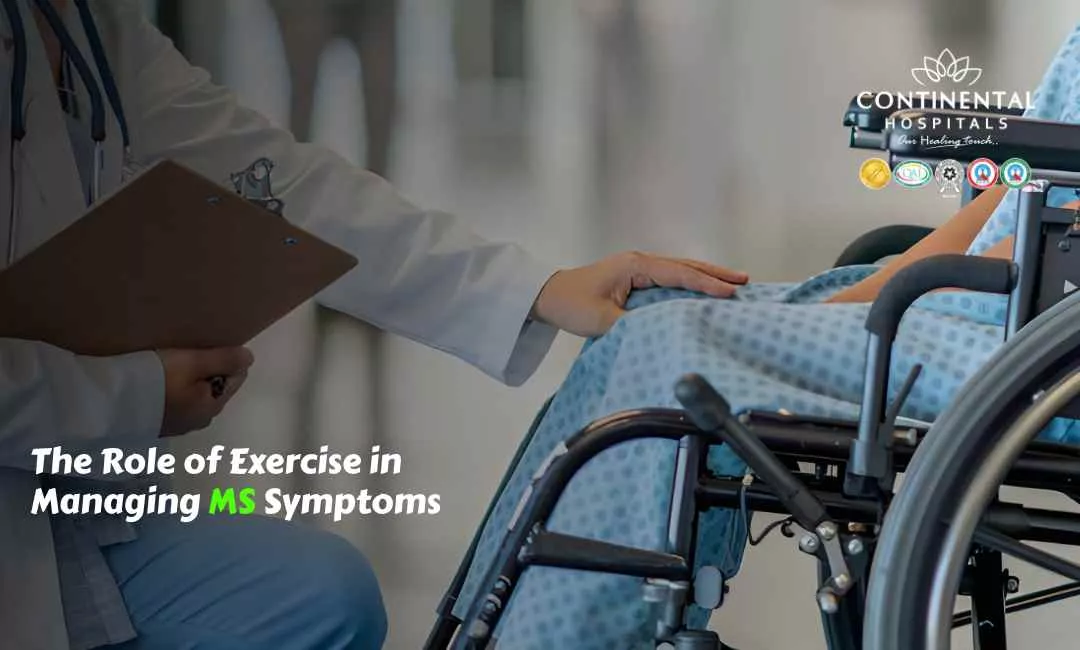
Multiple sclerosis (MS) is a chronic neurological condition that affects the brain, spinal cord, and nerves throughout the body. It can cause a range of symptoms, including fatigue, muscle weakness, numbness, balance problems, and difficulty walking. While medications and therapies play an important role in managing MS, one of the most powerful and natural ways to improve daily function and quality of life is through regular exercise.
Exercise is not just safe for people with MS; it is highly recommended. With the right approach and professional guidance, physical activity can help control symptoms, improve strength and mobility, and boost mental well-being. Let’s explore how exercise helps people living with multiple sclerosis stay active, independent, and confident.
What Happens in Multiple Sclerosis?
In MS, the immune system mistakenly attacks the protective covering (myelin) around nerve fibers. This disrupts the flow of electrical signals between the brain and the rest of the body, leading to muscle stiffness, fatigue, and coordination issues. Over time, this can affect daily tasks like walking, dressing, or even holding objects.
Because MS impacts physical and cognitive abilities, staying active becomes essential. Exercise helps the body maintain flexibility, balance, and strength, all of which are crucial for managing long-term symptoms.
Visit our best neuro doctor hyderabad at Continental Hospitals, Hyderabad, for expert diagnosis, treatment, and comprehensive care for neurological conditions.
How Does Exercise Help Manage MS Symptoms?
1. Reduces Fatigue
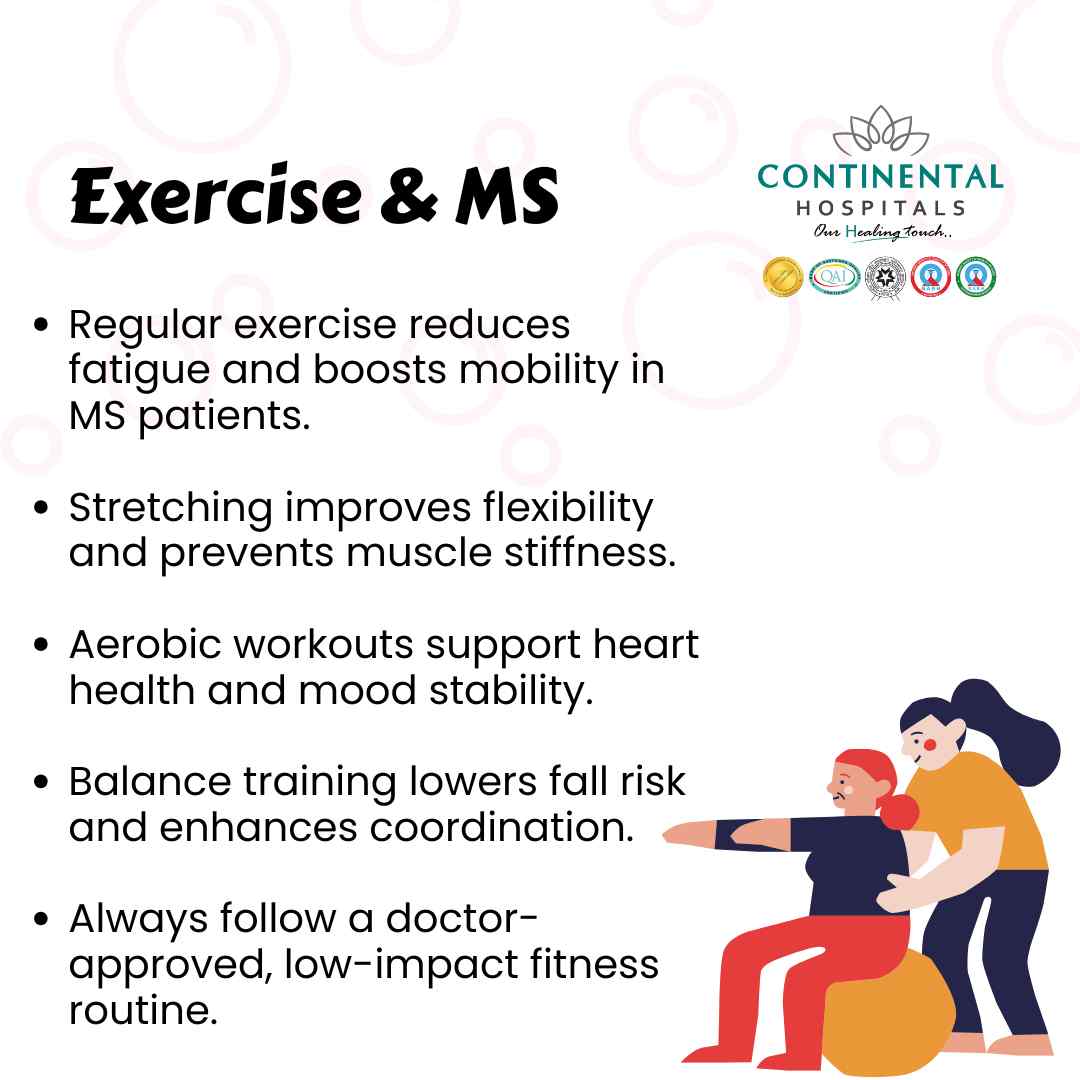
Fatigue is one of the most common symptoms of MS. Ironically, regular exercise can help reduce it. Activities like walking, swimming, and stretching improve oxygen circulation and endurance, which can make everyday tasks feel easier.
2. Improves Balance and Coordination
Balance issues often occur due to nerve damage in MS. Exercises such as yoga, tai chi, or simple balance training help strengthen core muscles and improve coordination. Over time, this can reduce the risk of falls and enhance mobility.
3. Strengthens Muscles and Flexibility
When muscles weaken from inactivity, stiffness increases. Gentle resistance exercises, bodyweight training, and stretching routines keep muscles strong and joints flexible. This prevents spasticity and helps maintain better posture and movement.

4. Boosts Mood and Mental Health
MS can take a toll on emotional health, leading to anxiety or depression. Exercise releases endorphins—natural mood boosters—that help reduce stress and improve self-esteem. A daily routine, even as simple as a morning walk, can enhance emotional stability and positivity.
5. Enhances Cognitive Function
Some people with MS experience memory or concentration problems. Studies show that aerobic exercises like cycling and brisk walking can improve brain function and promote better focus. Exercise increases blood flow to the brain, which helps nourish nerve cells and enhance overall cognitive health.
6. Improves Heart and Lung Health
Physical activity supports cardiovascular and respiratory fitness, which helps maintain stamina. Better heart health ensures oxygen and nutrients reach all parts of the body more efficiently, helping MS patients feel more energetic and active.
What types of exercise help with multiple sclerosis (MS)?
Different forms of exercise can be beneficial for managing MS symptoms. The key is to choose activities that match your current fitness level and comfort.
1. Aerobic Exercise
Activities such as walking, swimming, and stationary cycling improve overall endurance and cardiovascular health. These exercises are low-impact and suitable for most MS patients.
2. Strength Training
Using light weights or resistance bands can strengthen muscles and support joint stability. Aim for gentle repetitions to avoid overexertion.
3. Stretching and Flexibility Exercises
Stretching helps relieve muscle tightness and reduces spasms. Yoga and Pilates are great options for improving flexibility and balance while calming the mind.
4. Balance and Coordination Activities
Balance training improves stability and reduces the risk of falls. Standing on one leg, using a balance board, or practicing tai chi can help enhance coordination.
5. Aquatic Therapy
Exercising in water offers resistance without strain. It supports weak muscles, reduces pain, and helps maintain body temperature—especially beneficial for MS patients sensitive to heat.
What Are the Best Tips for Exercising Safely with MS?
- Consult your doctor or physiotherapist before starting any new routine.
- Start slow and progress gradually based on your energy and comfort level.
- Stay cool as heat can worsen MS symptoms. Exercise in an air-conditioned space or swim in cool water.
- Stay hydrated before, during, and after exercise.
- Listen to your body. Take breaks whenever needed and avoid pushing beyond your limits.
- Be consistent. Regular, moderate activity is more beneficial than occasional intense workouts.
Why Choose Continental Hospitals for MS Care?
Continental Hospitals, Hyderabad, is one of the leading multispecialty hospitals accredited by Joint Commission International (JCI), ensuring the highest standards of safety and quality in patient care. Our multidisciplinary team offers comprehensive management for multiple sclerosis, focusing on improving long-term health and well-being.
We provide specialized neurology and rehabilitation services designed for MS patients. The hospital’s physiotherapy and rehabilitation experts create personalized exercise programs that help improve strength, mobility, and function. With advanced neuro-diagnostic facilities and state-of-the-art rehabilitation equipment, patients receive world-class care under one roof.
Continental Hospitals also stands out for its compassionate and holistic approach. Our specialists combine medical treatment, physiotherapy, and lifestyle guidance to help patients lead more independent and fulfilling lives.
If You Suffer from Multiple Sclerosis, Can Exercise Improve Your Symptoms?
If you suffer from MS and are struggling with fatigue, muscle weakness, or mobility issues, exercise can be your best ally. With the right support, you can regain control over your body and improve your quality of life. At Continental Hospitals, we believe in empowering every patient with personalized, evidence-based care that focuses on long-term recovery and strength.
Remember, every step you take—no matter how small—brings you closer to better health and confidence. Start your journey toward strength and stability today.
Conclusion
Exercise plays a vital role in managing multiple sclerosis symptoms. It improves physical strength, balance, flexibility, and mood while helping control fatigue and cognitive issues. When guided by professionals, an active lifestyle can make living with MS more manageable and rewarding.
At Continental Hospitals, our neurology and rehabilitation specialists are dedicated to providing complete care for MS patients. From diagnosis to long-term management, we help you stay strong, independent, and motivated.
Book a consultation with our Best Neurologist in Hyderabad at Continental Hospitals, Hyderabad, to begin your personalized MS care and exercise plan today.