.webp)

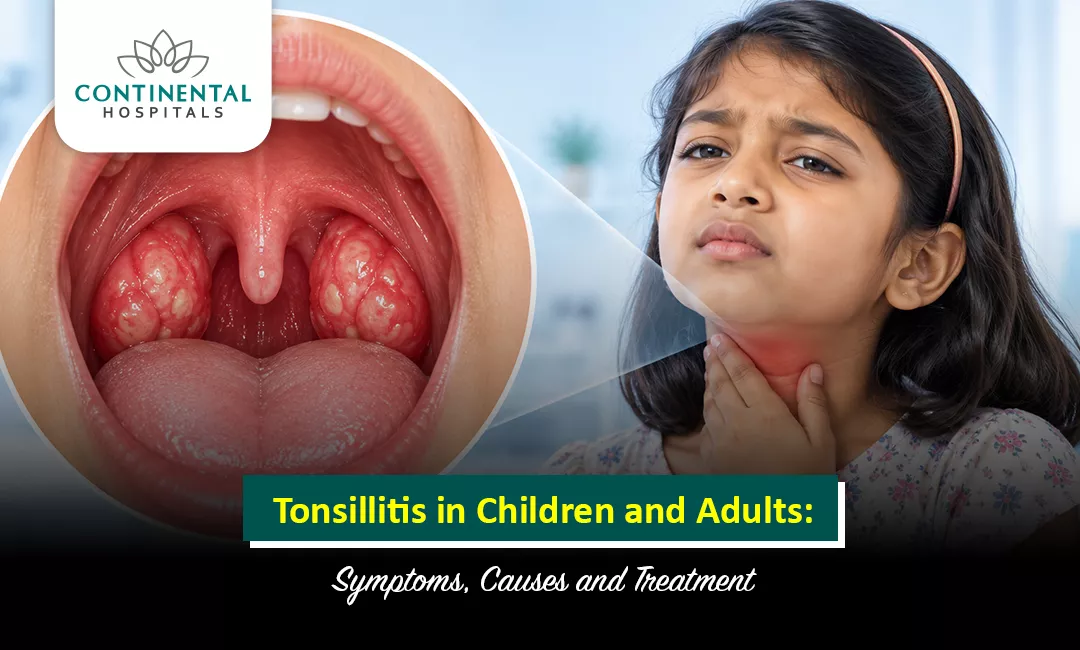
Tonsillitis is an inflammation or infection of the tonsils, two small areas of tissue located at the back of the throat. Tonsils help the immune system recognize and respond to germs entering through the mouth and nose. When they become infected, they can become swollen, red, and painful. Tonsillitis can affect both children and adults, although it is more common in children.
Could a sore throat, difficulty swallowing, or swollen tonsils be more than a simple throat irritation? Understanding tonsillitis symptoms can help you recognize when medical attention may be needed. Tonsillitis may develop because of a viral infection or, in some cases, a bacterial infection. Identifying the cause is important because tonsillitis treatment depends on what is causing the infection and how severe the symptoms are.
What Are the Common Tonsillitis Symptoms?
What does tonsillitis feel like? The symptoms can vary depending on the cause and the person's age. Common tonsillitis symptoms include:
- Sore throat and throat irritation
- Red and swollen tonsils
- White or yellow patches on the tonsils
- Pain or difficulty while swallowing
- Fever and chills
- Swollen glands in the neck
- Bad breath
- Headache
- Tiredness or weakness
- Changes in the voice
In children, tonsillitis may also cause poor appetite, increased irritability, drooling, or difficulty eating and drinking.
Visit the ENT Department at Continental Hospitals, Hyderabad, for expert diagnosis and comprehensive treatment of tonsil and other ear, nose, and throat conditions.
What Causes Tonsillitis?
What are the main tonsillitis causes? Tonsillitis is usually caused by infections. Viruses are among the most common causes. Several viruses that cause colds and other respiratory infections can also affect the tonsils.
Bacteria can also cause tonsillitis. Streptococcus bacteria are an important bacterial cause and may lead to what is commonly known as strep throat.
Some common tonsillitis causes include:
- Viral respiratory infections
- Bacterial infections
- Close contact with an infected person
- Exposure to respiratory droplets
- Sharing food, drinks, or utensils with an infected person
Because different germs can cause similar symptoms, proper evaluation can help determine the appropriate treatment.

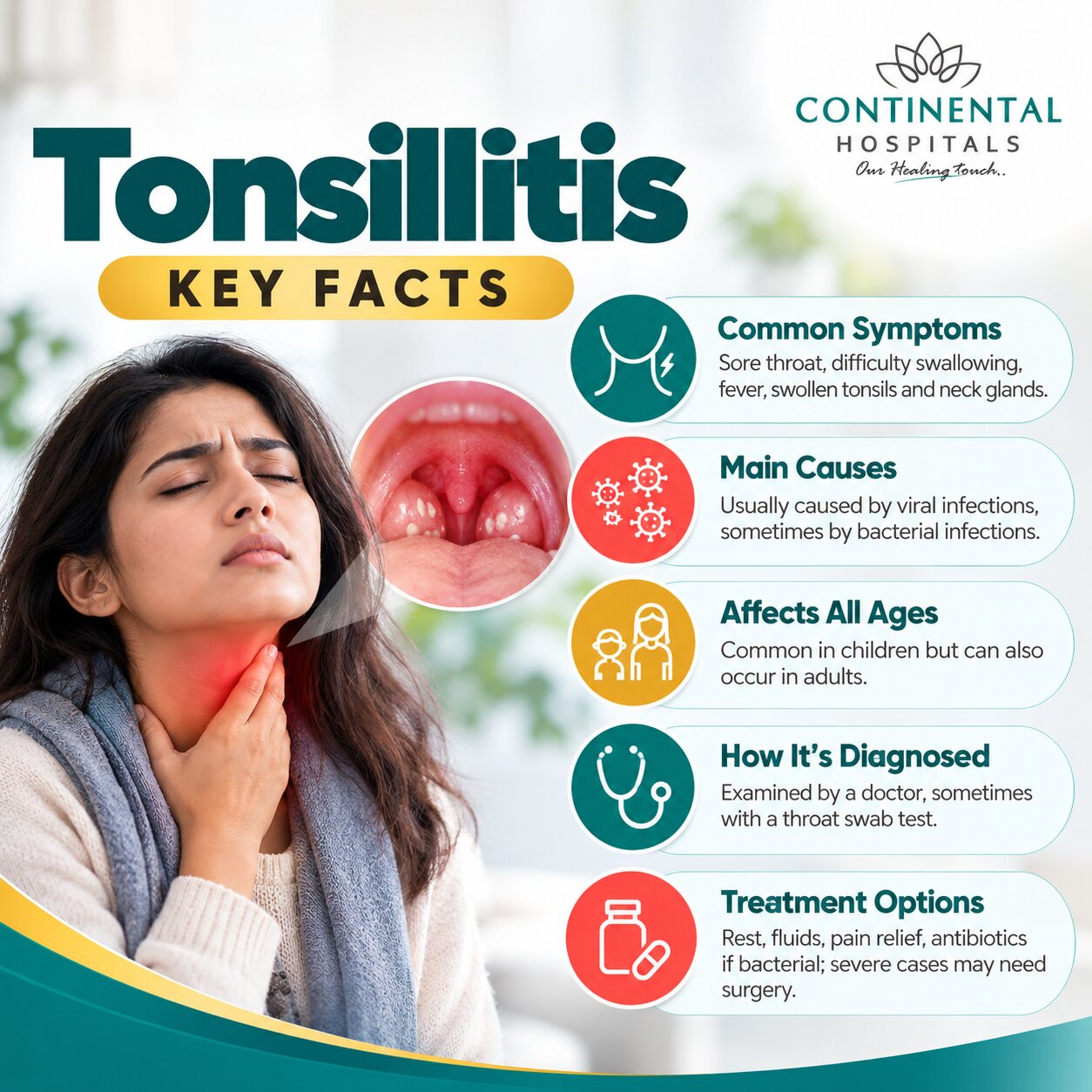
Is Tonsillitis More Common in Children?
Why is tonsillitis in children so common? Children are frequently exposed to viruses and bacteria at school, daycare, and other group settings. Their developing immune systems may also encounter infections more frequently.
Tonsillitis in children may cause symptoms such as fever, sore throat, swollen tonsils, difficulty swallowing, poor appetite, and swollen lymph nodes. Younger children may not always be able to explain their symptoms clearly, so parents should watch for changes in eating, drinking, sleep, and behavior.
If a child has difficulty breathing, cannot swallow properly, is excessively drooling, or appears seriously unwell, prompt medical attention is important.
Can Adults Get Tonsillitis?
Can tonsillitis occur in adults? Yes. Tonsillitis in adults can occur due to viral or bacterial infections and may cause significant throat pain and difficulty swallowing.
Adults may experience:
- Persistent sore throat
- Swollen or red tonsils
- Fever
- Tonsil infection symptoms
- Enlarged lymph nodes
- Bad breath
- Difficulty swallowing
- General tiredness
Recurring episodes may require further evaluation by an ENT specialist to understand why the infections keep returning.
How Is Tonsillitis Diagnosed?
How does a doctor diagnose tonsillitis? The diagnosis usually begins with a discussion about symptoms and a physical examination of the throat, tonsils, and neck.
Depending on the symptoms, the doctor may recommend a throat swab or other tests to determine whether a bacterial infection is present. This distinction is important because antibiotics are useful for certain bacterial infections but do not treat viral infections.
A proper diagnosis can help avoid unnecessary medication and ensure that the underlying infection is managed appropriately.
What Are the Tonsillitis Treatment Options?
What is the right tonsillitis treatment? Treatment depends on whether the infection is viral or bacterial and how severe the symptoms are.
Common tonsillitis treatment options may include:
- Adequate rest and fluids
- Warm liquids to soothe the throat
- Gargling with warm salt water when appropriate
- Medicines recommended by a doctor to manage fever or pain
- Antibiotics when a bacterial infection is diagnosed or strongly suspected
- Treatment for recurring tonsil infections when medically necessary
Antibiotics should not be taken without medical advice because they do not work against viral infections and inappropriate use can contribute to antibiotic resistance.
When May Tonsil Surgery Be Recommended?
Does every person with tonsillitis need surgery? No. Most episodes improve with appropriate medical care. However, an ENT specialist may consider tonsil surgery in selected patients with frequent or severe infections.
Surgery may be considered when there are:
- Repeated episodes of tonsillitis
- Persistent or severe tonsil infections
- Enlarged tonsils causing breathing problems
- Difficulty swallowing because of enlarged tonsils
- Complications related to tonsil infection
The decision depends on the patient's symptoms, medical history, age, and overall health.
When Should You See an ENT Specialist?
When should tonsillitis be evaluated by a doctor? Medical consultation is advisable when symptoms are severe, persistent, recurrent, or affecting normal eating and drinking.
Seek medical attention if there is:
- Severe throat pain
- Difficulty breathing
- Difficulty swallowing liquids
- Persistent high fever
- Significant swelling in the throat or neck
- Repeated tonsil infections
- Symptoms that are not improving
Early evaluation can help identify complications and determine suitable tonsillitis treatment.
Why Choose Continental Hospitals for Tonsillitis Treatment?
Why is specialist care important for tonsillitis? Throat infections can have different causes and may sometimes produce symptoms similar to other throat conditions. An experienced ENT specialist can assess the tonsils, identify possible causes, and recommend appropriate treatment.
Continental Hospitals, Hyderabad, provides comprehensive ENT care supported by experienced specialists, advanced diagnostic facilities, modern infrastructure, and multidisciplinary medical expertise. The hospital follows established quality and patient safety standards and holds nationally and internationally recognized accreditations, including JCI and NABH, reflecting its commitment to clinical quality, patient safety, and healthcare excellence.
For patients looking for the best hospital in Hyderabad for ENT care, Continental Hospitals offers coordinated evaluation and personalized treatment based on individual needs.
What Should You Remember About Tonsillitis?
Could simple throat symptoms indicate tonsillitis? They can. Knowing the important signs can help you seek medical attention at the right time.
Key points to remember include:
- Tonsillitis can affect both children and adults.
- Viral infections are a common cause of tonsillitis.
- Bacterial infections can also cause tonsil infections.
- Common symptoms include sore throat, fever, swollen tonsils, and difficulty swallowing.
- Tonsillitis in children may also cause poor appetite and irritability.
- Antibiotics are generally used only when a bacterial infection requires them.
- Recurrent or severe tonsillitis may require evaluation by an ENT specialist.
- Enlarged tonsils can sometimes affect breathing or swallowing.
- Prompt medical care is important when symptoms are severe or worsening.
Conclusion
Can tonsillitis be managed effectively? In most cases, yes, especially when the cause is identified and appropriate treatment is started. Paying attention to tonsillitis symptoms can help children and adults receive timely care and reduce the risk of complications.
If you or your child suffer from persistent sore throat, swollen tonsils, recurring tonsil infections, difficulty swallowing, or other tonsil infection symptoms, consult our best ENT specialist in Hyderabad at Continental Hospitals, Hyderabad, for detailed evaluation and personalized tonsillitis treatment.
Related Blogs: