post-title

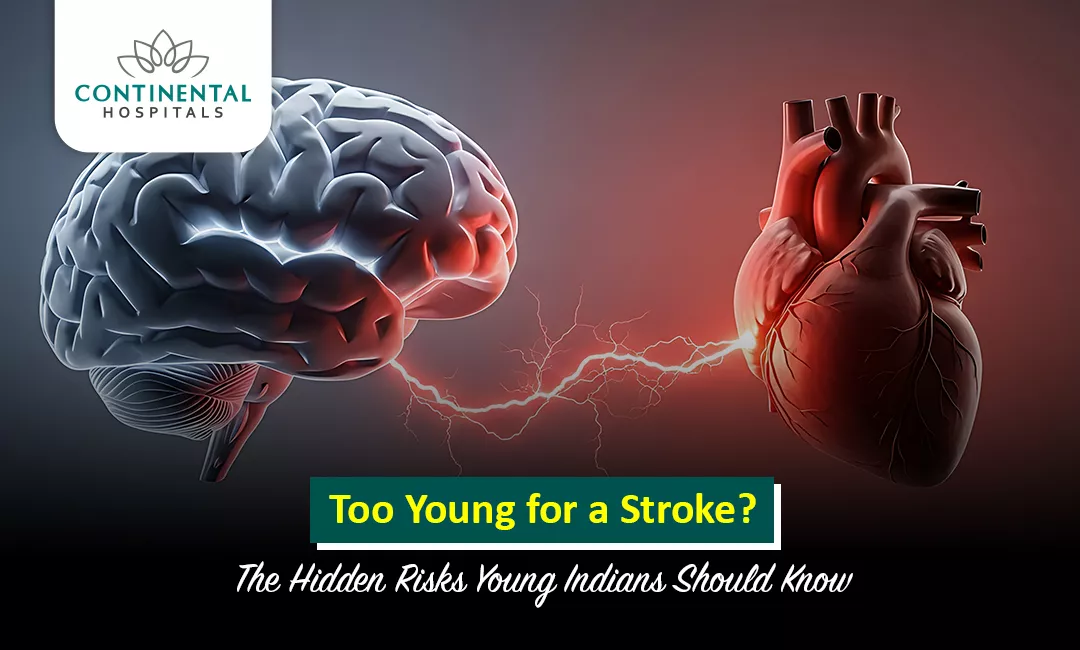
Too Young for a Stroke? The Hidden Risks Young Indians Should Know

Written by - Editorial Team
Medically Reviewed by - Dr M K Singh

Is stroke a health issue just for elderly people? There is a common belief that youth spares people from any danger related to the brain and blood vessels. However, stroke among young Indians is still a real health issue, which must be considered more seriously. A stroke is when blood supply to a part of the brain is obstructed or blood vessels get ruptured. Even though the stroke risk grows generally with age, youth may face this issue.

Why do young people need to recognize the symptoms and risk factors of stroke? Knowing the reasons for stroke development among young people can help them to prevent it and catch the symptoms. Such factors as hypertension, diabetes, smoking, heart troubles, and other health issues may cause stroke development.

What Causes Stroke in Young People?

What factors can result in a stroke in young people? Stroke among young people may have different causes than in older adults. Some young sufferers share traditional risk factors while others may have cardiac issues or blood disorders or abnormalities in their vessels. In some cases, the immediate cause is unclear

What risk factors are to be aware of for young Indians?

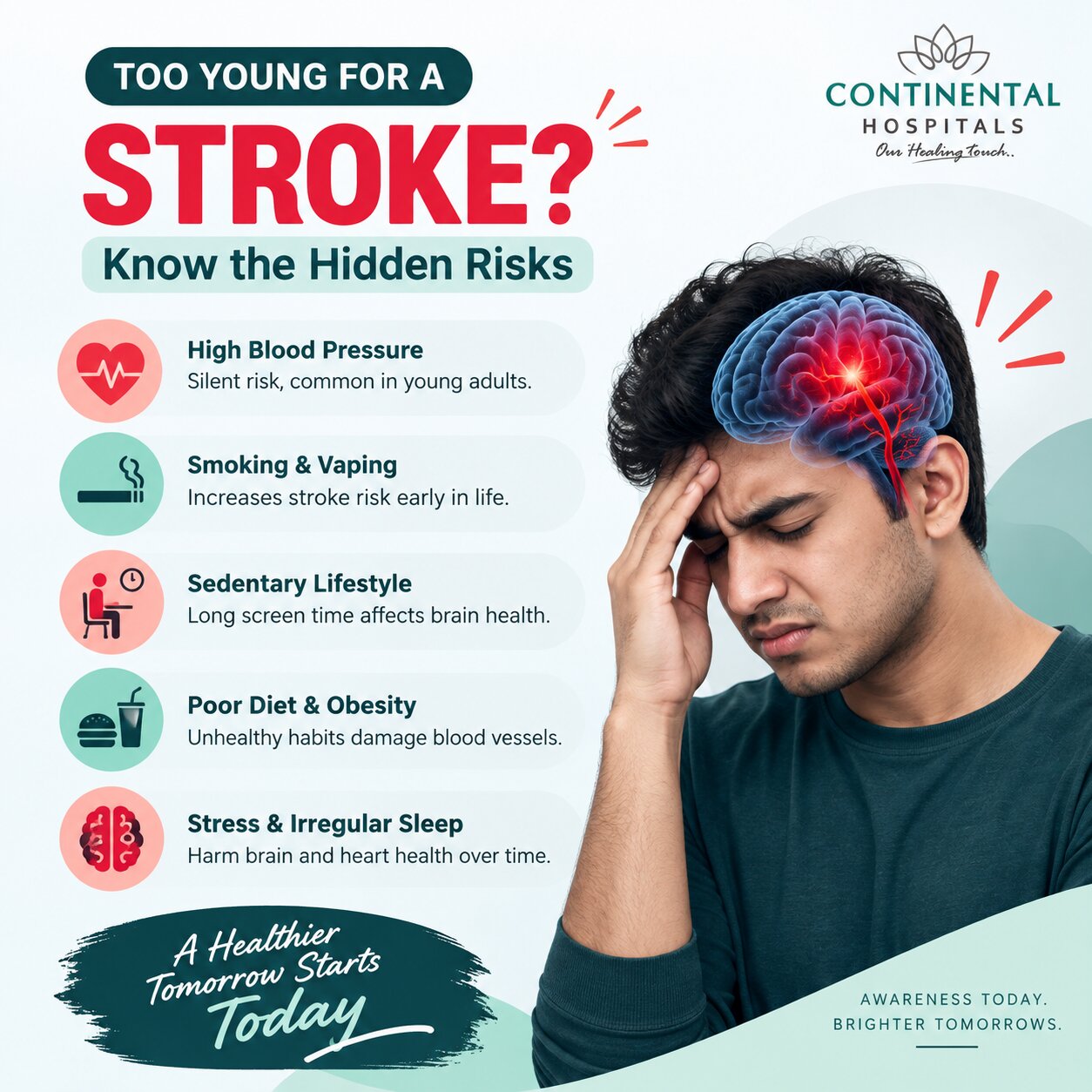
Each health condition and lifestyle can increase the chances of stroke in young people. 

  • High blood pressure: Damage the blood vessels with time, causing the occurrence of a blocked and ruptured blood vessel in the brain. 
  • Diabetes: Elevated blood sugar may lead to the damage of blood vessels, prompting a stroke. 
  • Smoking: Causes damage to blood vessels as well as leads to blood clotting. 
  • High cholesterol: Leads to clogging arteries with fatty deposits. 
  • Obesity and lack of physical activity: Increases the chances of suffering from diseases that cause a stroke. 
  • Heart diseases: Certain valve problems, heart rhythm, and structural heart conditions might lead to the appearance of blood clots and their transfer to the brain.
  • Blood clotting disorders: Some hereditary or acquired diseases cause severe clot occurrence. 
  • Problems with arteries: In the case of any kind of blood vessel tearing that supplies blood to the brain, there is a risk of having a stroke.

Visit the best neurology doctors in Hyderabad at Continental Hospitals, Hyderabad, for expert neurological care and advanced stroke management.

What Are the Early Indications of Stroke Among Young Adults?

How Does One Recognize the Signs of Stroke in Young Adults? Stroke symptoms can occur very suddenly, and it is wrong to ignore them just because the person is young. The warning signs include:

  • Sudden weakness or numbness in the face, arm, or leg, especially only on the one side.
  • Sudden difficulty in speaking or understanding speech.
  • Sudden loss of vision or blurred vision.
  • Sudden dizziness or difficulty in walking or loss of balance.
  • Sudden severe headache without any previous reason.
  • Sudden confusion or difficulty in understanding whatever is happening around.
What Should You Do If Stroke Symptoms Appear?

What is the most important action when early signs of stroke appear? Seek emergency medical care immediately. Stroke is a medical emergency, and treatment may depend on how quickly the patient reaches a hospital.

Remember the BE FAST warning signs:

Letter Warning sign
B Balance suddenly affected
E Eyesight suddenly changes
F Face drooping
A Arm weakness
S Speech difficulty
T Time to seek emergency help

Do not wait for the symptoms to disappear or attempt to treat them at home. Even if the symptoms improve, they may indicate a transient ischemic attack, which requires urgent medical assessment.

Second Opinion

What Are the Methods of Diagnosis for Stroke in Young Indians?

Why do young adults require a comprehensive stroke assessment? The doctor may have to explore common risk factors and uncommon issues. Depending on the situation, a neurological assessment, scans, blood screenings, heart function tests, and blood vessel imaging may be performed.

  • This assessment can determine whether:
  • There is a blockage or rupture of blood vessels in the brain.
  • There are complications due to hypertension, diabetes, or high cholesterol levels.
  • The heart condition or blood-clotting disorder is responsible.
  • There is an abnormality in blood vessels or a cause of the problem.

In what ways can the young minimize their stroke risk?

Can good practices help one stave off stroke even at a youthful age? Indeed. It is possible to mitigate many key stroke risk factors through a healthy lifestyle and diligent medical treatment.

What Actions Can Keep Your Brain Healthy?

  • Regularly measure blood pressure and follow medical advice in case of a rising figure.
  • Control diabetes and level of cholesterol.
  • Do not smoke or take any tobacco products or even breathe in the stuff.
  • Eat the right food with proper quantities of vegetables, fruits, cereals.
  • Do physical exercises appropriate for your state of health.
  • Stay fit.
  • Do not drink alcohol too much.
  • Visit doctors on a regular basis if suffering from any heart disease or risk factor.

Why Are Continental Hospitals Preferred for Stroke Treatment?

What is the need for formalized treatment when stroke signs appear in a young individual? Stroke in young Indians could be due to various reasons that make immediate execution of emergency management, evaluation, advanced tests, and therapy imperative.

Continental Hospitals, Hyderabad, is famous for providing the best of medical services by utilizing experienced medical professionals, superior diagnostic equipment, state-of-art facilities, and strong multidisciplinary skills. The hospital adheres to various national and international standards of healthcare quality and patient safety giving an assurance of a commitment to quality and improvement.

In stroke management, coordinated services will cover assessment, therapy at the neurological level, intensive care when necessary, and rehabilitation process along with follow-up to detect risks of subsequent events.

What Key Things Should You Know About Stroke in Young Indians?

  • Young adults can suffer from a stroke even if they have no previous history of complications.
  • Some health concerns like high blood pressure, diabetes, smoking habits, heart disease, or blood problems lead to a higher chance of experiencing a stroke.
  • The symptoms of a stroke may appear suddenly in young adults.
  • Emergency treatment is required for early symptoms of a stroke.
  • Finding the underlying cause of the issue will help in determining the method of treatment and prevention.
  • Having a healthy lifestyle and undergoing regular check-ups may help the young people in reducing the possibility of having the weaknesses of their health.

Conclusion

Is anyone truly too young for a stroke? Although stroke is more common with increasing age, young adults can also be affected. Understanding stroke in young Indians, recognizing the causes of stroke in young people, and learning the early signs of stroke can help individuals respond quickly when it matters most.

If you suffer from sudden weakness, speech difficulty, vision changes, or other possible stroke symptoms, seek emergency medical care immediately. For stroke prevention, risk assessment, or recovery support, consult our best neurologist in Hyderabad at Continental Hospitals, Hyderabad, for appropriate evaluation and personalized care.

Need an Appointment?

Related Blogs:

  1. Brain Stroke Early Symptoms Everyone Should Know
  2. Stroke Recovery: How Neuro-Rehabilitation Can Help

Frequently Asked Questions

Yes, young people can experience a stroke. A stroke occurs when blood flow to part of the brain is interrupted. It can happen because of a blocked blood vessel or bleeding in the brain. Although stroke is more common in older adults, younger people can also be affected. High blood pressure is an important risk factor at any age. Diabetes, smoking, and high cholesterol can increase stroke risk. Certain heart conditions may also contribute to stroke in younger adults. Some strokes may be linked to blood-clotting disorders or other medical conditions. Severe headaches or unusual neurological symptoms should not be ignored. Sudden weakness, speech difficulties, or vision changes may indicate a stroke. Immediate medical attention can improve the chances of effective treatment. Recognizing warning signs early is important for people of every age.
Stroke in young adults can have several possible causes. High blood pressure is one of the most important preventable risk factors. Smoking can damage blood vessels and increase the risk of blood clots. Diabetes may contribute to blood vessel damage over time. High cholesterol can promote the development of artery disease. Some heart conditions can allow clots to travel to the brain. Certain blood disorders may increase the tendency to form clots. Neck artery problems can sometimes contribute to stroke in younger people. Some strokes may be associated with autoimmune or inflammatory conditions. Recreational drug use can also increase the risk of stroke. In some cases, the exact cause remains unknown after evaluation. Medical assessment can help identify possible risk factors and guide prevention.
Stroke warning signs can appear suddenly. One side of the face may droop or feel weak. Weakness or numbness may affect one arm or leg. Speech may become unclear, confused, or difficult to understand. Some people may suddenly experience vision problems. Dizziness or difficulty walking can also occur. A sudden, severe headache may be a warning sign, especially with other symptoms. The FAST method can help people recognize common stroke symptoms. FAST stands for Face, Arm, Speech, and Time. Check for facial drooping, arm weakness, and speech difficulties. If any of these signs appear, seek emergency medical help immediately. Do not wait for symptoms to disappear on their own. Prompt treatment can reduce the risk of lasting brain damage.
Stress alone is not usually a direct cause of stroke. However, prolonged stress may affect overall cardiovascular health. It can contribute to high blood pressure in some individuals. Stress may also affect sleep, eating habits, and physical activity. Some people may smoke or consume alcohol more frequently during stressful periods. These behaviors can increase stroke risk over time. Severe emotional stress may temporarily affect heart rate and blood pressure. Research continues to examine the relationship between stress and stroke. People with existing risk factors may need to manage stress carefully. Regular physical activity can support cardiovascular health and stress management. Adequate sleep and relaxation may also help improve overall well-being. Managing stress is helpful, but it does not replace medical care or risk-factor control.
Yes, smoking can significantly increase the risk of stroke. Tobacco smoke contains substances that damage blood vessels. Smoking can raise blood pressure and reduce the amount of oxygen available to tissues. It may also increase the tendency of blood to form clots. These effects can contribute to blocked blood vessels supplying the brain. Both regular smoking and exposure to secondhand smoke may affect cardiovascular health. Young adults who smoke may develop vascular damage earlier than expected. The risk can increase when smoking is combined with other conditions. Diabetes, high blood pressure, and high cholesterol can further increase stroke risk. Quitting smoking is an important step toward protecting brain and heart health. Professional support can make quitting easier and more effective. Avoiding tobacco can reduce stroke risk and improve overall health.
Yes, diabetes can increase the risk of stroke in younger adults. High blood sugar can damage blood vessels over time. This damage may contribute to narrowing or hardening of the arteries. Diabetes can also be associated with high blood pressure and abnormal cholesterol levels. These conditions may increase the likelihood of blood vessel problems. Poorly controlled diabetes can affect both small and large blood vessels. People with diabetes may have a higher risk of cardiovascular complications. Regular blood sugar monitoring can help support better disease management. Healthy eating and physical activity are important parts of diabetes care. Prescribed medicines should be taken according to medical advice. Routine blood pressure and cholesterol checks can help identify additional risks. Managing diabetes early may help reduce the chance of future stroke.
Young adults can take several steps to reduce their risk of stroke. Checking blood pressure regularly is an important preventive measure. Managing diabetes and cholesterol can also support blood vessel health. Avoiding smoking and tobacco products can reduce cardiovascular risk. Limiting alcohol intake may help protect heart and brain health. Eating a balanced diet with vegetables, fruits, and whole grains is beneficial. Reducing excess salt may help support healthy blood pressure. Regular physical activity can improve circulation and overall fitness. Maintaining a healthy weight may lower the risk of several stroke-related conditions. Getting adequate sleep and managing stress can support general well-being. People with medical risk factors should follow their doctor's treatment advice. Early prevention can help protect brain health throughout adulthood.
A suspected stroke is a medical emergency. Call emergency medical services immediately if symptoms begin suddenly. Note the time when the person was last known to be well. Look for facial drooping, arm weakness, or speech difficulties. Do not wait to see whether the symptoms improve. Do not give food, drinks, or medicines unless directed by medical professionals. Some people may have difficulty swallowing during a stroke. Keep the person safe and comfortable while waiting for help. Do not attempt to drive the person yourself if emergency transport is available. Emergency teams can begin assessment and arrange urgent hospital care. Early treatment may help reduce brain injury in eligible patients. Every minute matters when a stroke is suspected.
Disclaimer: The information provided in this blog is intended for general knowledge and informational purposes only, and does not constitute medical advice. Always consult with a qualified healthcare professional for any medical concerns or before making any decisions about your health.

Get in Touch With Us

Whether you are from India or abroad, we are here to help you with your medical queries. Please fill out the form below and our team will connect with you shortly.

  • ✔ Quick response from our medical experts
  • ✔ Secure data handling & privacy
  • ✔ Easy upload for reports & documents
banner_image

Chat with our medical experts on WhatsApp for quick assistance and hassle-free appointment booking

Recent Posts