.webp)

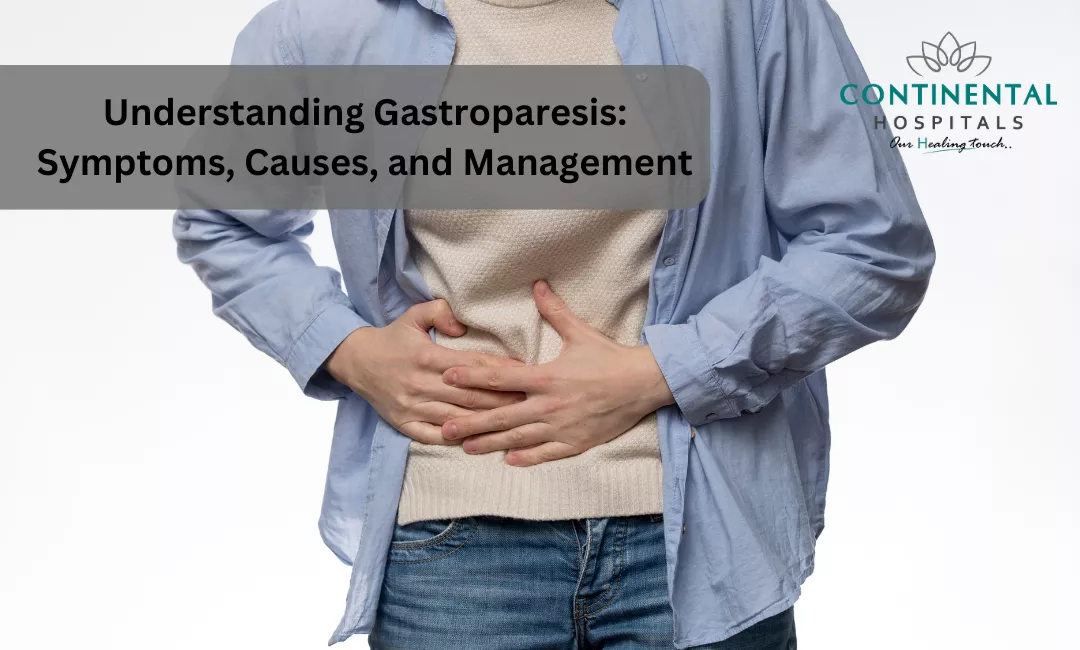
Gastroparesis disrupts the smooth flow of digestion by weakening stomach muscles and delaying food movement into the small intestine. This translates to bloating, nausea, and difficulty feeling full after meals.
What is gastroparesis, and how can it be managed?
Core Symptoms:
Bloating and Discomfort: A tight or uncomfortable feeling in the abdomen after eating.
Nausea and Vomiting: Frequent nausea and vomiting, especially after meals.
Early Satiety: Feeling full quickly, leading to reduced food intake and potential weight loss.
Heartburn and Reflux: Stomach contents back up into the esophagus, causing heartburn and acid regurgitation.
Blood Sugar Fluctuations: Unpredictable blood sugar levels, particularly in diabetics.
Potential Causes:
Diabetes: High blood sugar can damage nerves controlling stomach muscles.
Surgery: Certain abdominal surgeries can affect stomach motility.
Neurological Disorders: Parkinson's, MS, or stroke can impact nerve function in the digestive tract.
Medications: Opioids and some antidepressants can slow stomach emptying.
Autoimmune Disorders: Scleroderma or autoimmune gastritis can damage stomach muscles.
Infections: Viral or bacterial issues can disrupt normal stomach function.
How Can Gastroparesis Be Managed?
Dietary Adjustments: A key aspect of managing gastroparesis is making dietary adjustments. Eating smaller, more frequent meals throughout the day instead of three large meals can help ease the burden on the stomach and improve digestion. Additionally, avoiding high-fat or high-fiber foods that are harder to digest can reduce symptoms such as bloating, discomfort, and delayed gastric emptying. Opting for easily digestible foods like lean proteins, cooked vegetables, and soft fruits can be beneficial.
Medications: Your healthcare provider may prescribe medications to help manage gastroparesis symptoms. Prokinetic drugs are commonly used to stimulate stomach contractions and improve motility, aiding in the movement of food through the digestive system. Antiemetics may be prescribed to control nausea and vomiting, which are common symptoms of gastroparesis. Acid-suppressing medications can also be beneficial in reducing acid reflux and related discomfort.
Nutritional Support: In severe cases of gastroparesis where food intake is significantly affected, nutritional support may be necessary. This can include the use of nutritional supplements to ensure adequate intake of essential nutrients. In some instances, a feeding tube may be recommended to deliver nutrients directly into the digestive system, bypassing the stomach and improving nutritional status.
Lifestyle Changes: Making certain lifestyle changes can complement medical treatments and improve overall well-being for individuals with gastroparesis. Managing stress through relaxation techniques like deep breathing exercises, meditation, or yoga can help reduce symptoms, as stress can exacerbate digestive issues. Staying hydrated is essential, so aim to drink plenty of fluids throughout the day, preferably water or electrolyte-rich beverages. Incorporating gentle exercise such as walking or low-impact activities can promote digestion and overall gastrointestinal health.

It's important to work closely with your healthcare provider to develop a personalized management plan for gastroparesis. This plan may involve a combination of dietary adjustments, medications, nutritional support, and lifestyle modifications tailored to your specific needs and symptoms. Regular follow-ups and monitoring are also crucial to assess progress, adjust treatments as needed, and ensure optimal management of gastroparesis.
What Is Gastroparesis and How Does It Affect Digestion?
Gastroparesis is a gastrointestinal disorder characterized by weakened or impaired stomach muscles, leading to delayed gastric emptying. Normally, food moves from the stomach to the small intestine through coordinated muscle contractions. However, in gastroparesis, this process is disrupted, resulting in symptoms such as bloating, nausea, vomiting, and early satiety.
What are the symptoms of gastroparesis?
Bloating and Abdominal Discomfort: Patients with gastroparesis often experience bloating, abdominal distension, and discomfort after eating.
Nausea and Vomiting: Persistent nausea and vomiting, particularly after meals, are common symptoms of gastroparesis.
Early Satiety: Patients may feel full soon after starting a meal, leading to reduced food intake and potential weight loss.
Heartburn and Acid Reflux: Gastroparesis can cause reflux of stomach contents into the esophagus, leading to heartburn and acid regurgitation.
Fluctuating Blood Sugar Levels: Delayed gastric emptying can affect the absorption of nutrients and lead to unpredictable blood sugar levels, especially in individuals with diabetes.
What causes gastroparesis?
The exact cause of gastroparesis can vary and may include:
Diabetes: Diabetic gastroparesis is a common cause, where high blood sugar levels can damage nerves that control stomach muscle contractions.
Post-Surgical Complications: Some patients develop gastroparesis after certain types of abdominal surgeries, affecting stomach motility.
Neurological Disorders: Conditions like Parkinson's disease, multiple sclerosis, or stroke can affect nerve function in the digestive tract, leading to gastroparesis.
Medications: Certain medications, such as opioids and some antidepressants, can slow gastric emptying and contribute to gastroparesis.
Autoimmune Disorders: Conditions like scleroderma and autoimmune gastritis can cause inflammation and damage to stomach muscles.
Infections: Viral infections or bacterial overgrowth in the digestive tract can disrupt normal stomach function and lead to gastroparesis.
How do you manage gastroparesis symptoms?
Treatment for gastroparesis aims to alleviate symptoms, improve digestion, and manage underlying causes. This may include:
Dietary Modifications: Eating smaller, more frequent meals and avoiding high-fat or high-fiber foods can help manage symptoms.
Medications: Prokinetic drugs that promote stomach motility, antiemetics to control nausea and acid-suppressing medications may be prescribed.
Nutritional Support: In severe cases, nutritional supplementation or feeding tubes may be necessary to ensure adequate nutrient intake.
Lifestyle Changes: Managing stress, staying hydrated, and incorporating gentle physical activity can support digestive health.
Why Choose Continental Hospital Hyderabad for Gastroparesis Care:
Continental Hospital Hyderabad offers comprehensive gastroenterology services, including diagnosis, treatment, and management of gastroparesis. Our team of experienced gastroenterologists, dietitians, and support staff collaborate to provide personalized care tailored to each patient's needs. We utilize advanced diagnostic techniques, innovative treatments, and patient-centered approaches to improve outcomes and enhance the quality of life for individuals with gastroparesis.
Why Choose Continental Hospital Hyderabad?
Continental Hospital Hyderabad offers a dedicated gastroenterology program for gastroparesis. Their team provides personalized care plans, utilizes advanced diagnostic tools, and implements innovative treatments to improve outcomes and quality of life for patients with this condition.
Conclusion:
Gastroparesis can significantly impact digestive health and quality of life. Understanding the symptoms, causes, and management options is crucial for individuals affected by this condition. Continental Hospital Hyderabad remains committed to delivering compassionate, effective care for patients with gastroparesis, ensuring comprehensive evaluation, tailored treatment plans, and ongoing support for optimal gastrointestinal health.
If you're having any problem related to your Gut, consult with a Gastroenterologist Doctors in Hyderabad
Related Blog Topics:
1. What Is Cancer? Symptoms, Signs, Types & Causes
2. Early Detection Tips for Common Cancers
3. Healing Your Gut Naturally: Tips and Tricks
4. Common Symptoms of Liver Diseases You Shouldn't Ignore