post-title

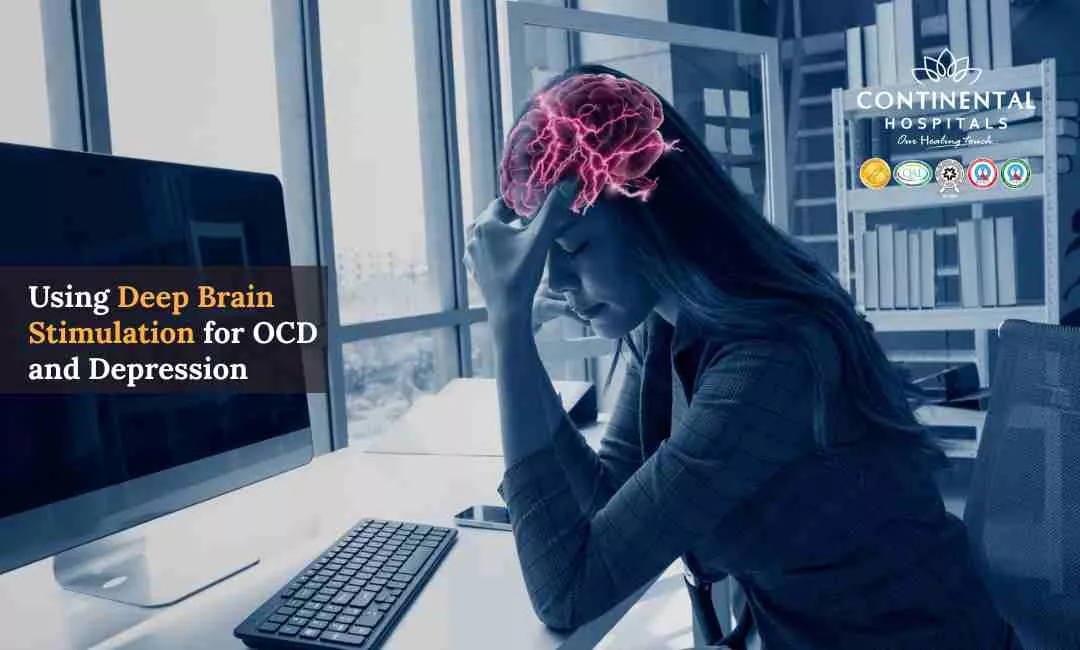
Using Deep Brain Stimulation for OCD and Depression

Written by - Editorial Team
Medically Reviewed by - Dr Chakradhar Reddy N

Deep brain stimulation has opened a new path of hope for people living with severe OCD and depression, especially when traditional treatments have not helped enough. Let’s break it down in a clear, human way so you can understand how it works, who it helps, and why many people consider it when they feel like they have tried everything else.

What this really means for mental health?

OCD and depression can hold a person’s mind hostage. Even with therapy and medications, some people still struggle daily. This is where deep brain stimulation for OCD and DBS for depression become important advanced options. It uses tiny electrical signals to calm or rebalance the circuits in the brain that drive obsessive thoughts, compulsions, low mood, and overwhelming anxiety.

DBS therapy is not the first step in treatment, but it plays a powerful role for treatment resistant cases. When symptoms leave someone unable to work, enjoy life, or feel like themselves again, DBS becomes a possible path forward.

Visit our best neuro doctor hyderabad for a comprehensive evaluation and advanced treatment options.

How DBS works for mental health?

Here’s the thing. Your brain communicates through electrical signals. When certain circuits misfire or loop too strongly, conditions like OCD and depression can become deeply rooted.

Deep brain stimulation uses gentle, controlled stimulation to interrupt these faulty patterns so the brain can function more normally. Think of it as a reset that helps regulate the parts responsible for mood, motivation, decision-making, and emotional balance.

DBS is a form of neuromodulation for OCD and depression. It does not remove or damage brain tissue. Instead, it fine-tunes brain activity in real time.
How is the Deep Brain Stimulation (DBS) procedure performed for OCD and depression?

People often imagine it as complicated, but the process is more structured and predictable than it sounds. Here is how it usually unfolds.

Second Opinion

  • Evaluation by a neurologist, psychiatrist, and neurosurgeon
  • Brain imaging to identify the exact target areas
  • Surgical placement of ultra-thin electrodes deep inside the brain
  • Implantation of a small programmable device under the skin near the chest
  • Activation and programming of the DBS device over several sessions
  • Follow-up visits to optimize settings for the best outcomes

Each step is designed to be safe, guided by imaging, and fully personalized.

What are the risks and benefits of deep brain stimulation for OCD and depression?

Like any medical procedure, DBS has both sides. The important thing is understanding them clearly.

Benefits

  • Helpful for people who did not improve with medications and therapy
  • Can reduce obsessive thoughts and compulsions
  • Can lift resistant depression
  • Adjustable and reversible
  • Does not damage brain tissue
  • Improvements may continue over time

Risks

  • Infection at the surgical site
  • Temporary swelling or discomfort
  • Need for battery replacements in the future
  • Rare surgical complications

Doctors evaluate every patient carefully to ensure the potential benefits outweigh any risks.

What are the advanced treatment options for OCD?

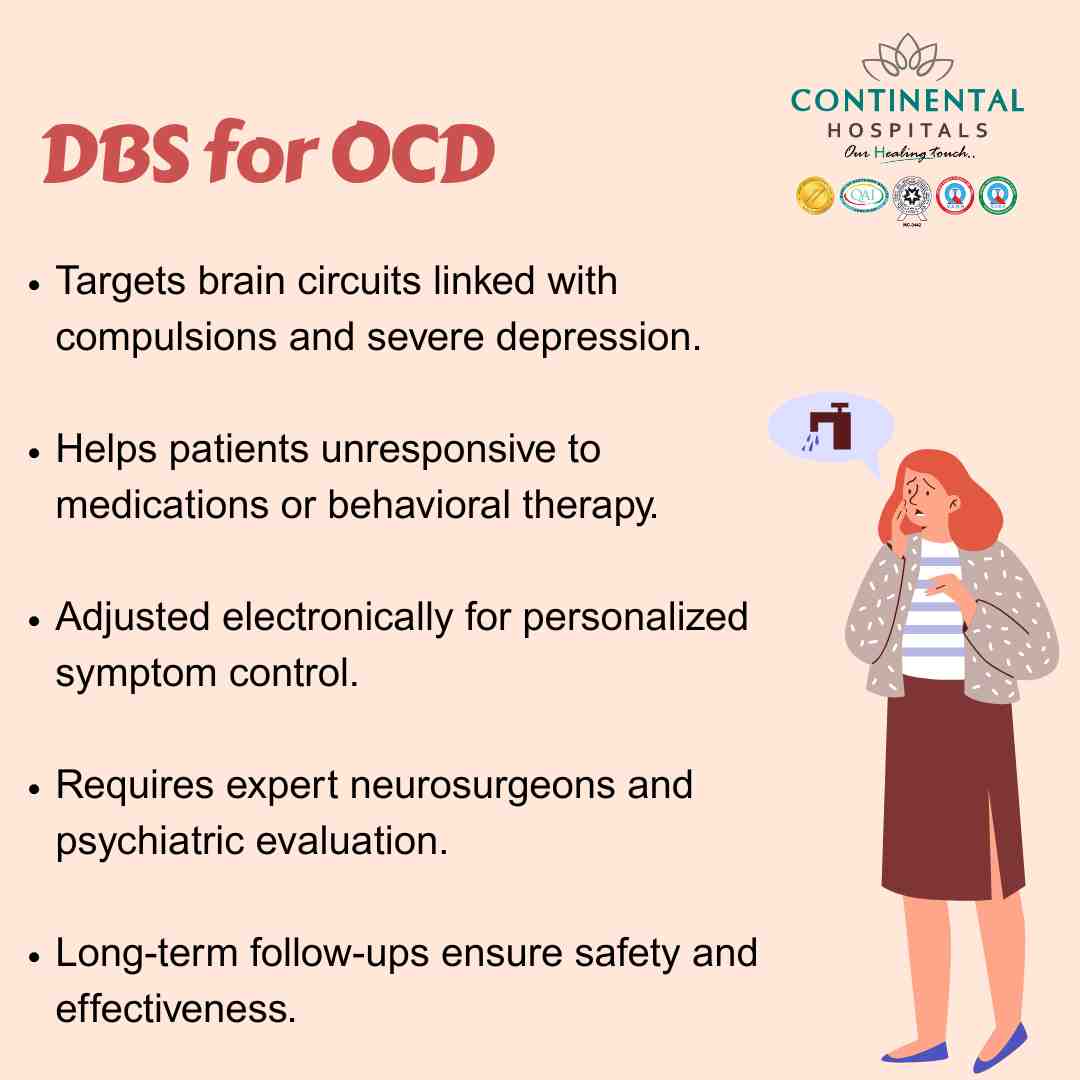
OCD is not a simple condition. It involves intrusive thoughts, repetitive behaviors, and intense anxiety. When counseling, medications, and exposure therapy do not offer enough relief, deep brain stimulation for OCD becomes an advanced option.

DBS is especially considered when:

Need an Appointment?

  • Symptoms continue despite multiple medications
  • OCD interrupts major daily activities
  • Episodes become more frequent or severe
  • The person is motivated and medically fit for neurosurgery

DBS does not cure OCD completely, but many people experience fewer compulsions, reduced anxiety, and better control over their thoughts.

What are the treatment options for treatment-resistant depression?

Some forms of depression do not respond even after trying several therapies, lifestyle changes, and antidepressants. These treatment resistant cases may benefit from DBS for depression.

What DBS can help with:

  • Persistent low mood
  • Loss of motivation
  • Cognitive slowing
  • Emotional disconnection
  • Inability to function at work or home

DBS targets the brain regions responsible for mood and emotional regulation. By stabilizing these circuits, many patients notice gradual improvements that grow stronger with time.

What are the success rates of deep brain stimulation therapy?

DBS therapy outcomes vary from person to person, but many studies show encouraging results. Research on deep brain stimulation success rates highlights improvements in emotional stability, daily functioning, and overall quality of life. Patients often describe the changes as gentle but noticeable, building week by week.

What matters most is that DBS gives a new chance when hope feels limited.

Why choose Continental Hospitals for DBS?

Choosing the right hospital matters as much as choosing the right treatment. Continental Hospitals offers advanced neuromodulation services supported by a skilled multidisciplinary team.

Here is what sets Continental apart:

  • Highly trained neurosurgeons and neurologists experienced in DBS
  • Accredited healthcare standards ensuring safety and quality
  • Advanced brain imaging and surgical navigation systems
  • Continuous monitoring and long term follow ups
  • Personalized treatment plans based on global clinical guidelines
  • A compassionate environment that respects your comfort and dignity

You are supported from the first evaluation to the final programming session and beyond.

Key points to remember

  • Deep brain stimulation helps regulate abnormal brain circuits
  • Useful for OCD and depression when traditional treatments fail
  • Involves a structured step by step procedure
  • Reversible and adjustable
  • Can improve long term quality of life
  • Best performed in accredited centers with experienced specialists

Conclusion

If you suffer from severe OCD or depression and feel like every standard treatment has already been tried, deep brain stimulation may offer a new direction. It is a scientifically grounded, carefully monitored therapy that aims to restore balance where the brain needs it most.

If you are ready to explore whether DBS is the right option for you, consult a specialist at Continental Hospitals. Our expert neurology and neurosurgery team will guide you with clarity, compassion, and the highest clinical standards.

Book your consultation with our Best Neurologist in Hyderabad if you suffer from OCD or depression that has not improved with earlier treatments.

Related Blogs:

  1. How Deep Brain Stimulation Helps in Treating Movement Disorders
  2. Best Hospitals for Deep Brain Stimulation in Hyderabad

Frequently Asked Questions

Deep Brain Stimulation (DBS) is an advanced neurosurgical treatment used for individuals with severe obsessive compulsive disorder (OCD) and treatment resistant depression when conventional therapies have not provided adequate relief. The procedure involves implanting thin electrodes into specific areas of the brain that regulate mood, emotions, and behavior. These electrodes are connected to a small pulse generator placed under the skin of the chest. The device delivers controlled electrical impulses that help normalize abnormal brain activity associated with these conditions. DBS does not damage brain tissue and its stimulation settings can be adjusted over time according to the patient's response. Many patients experience gradual improvements in intrusive thoughts, compulsive behaviors, mood, and daily functioning. It is typically considered only after medications and psychotherapy have been extensively tried. Treatment is provided by a multidisciplinary team including neurologists, psychiatrists, neurosurgeons, and psychologists. Regular follow-up helps optimize stimulation settings and overall outcomes.
Deep Brain Stimulation is generally recommended for carefully selected patients with severe OCD or treatment resistant depression who have not responded adequately to multiple medications, psychotherapy, and other evidence based treatments. Candidates usually have symptoms that significantly affect their quality of life, relationships, education, or employment. A comprehensive psychiatric and neurological evaluation is performed before considering surgery. Brain imaging, cognitive assessments, and overall medical fitness are also evaluated. Patients should have realistic expectations about the treatment and be willing to attend regular follow-up appointments for device programming. The decision is made by a multidisciplinary team after reviewing all treatment options. Not every patient with OCD or depression is eligible for DBS. Individualized assessment helps determine whether the benefits are likely to outweigh the potential risks.
Deep Brain Stimulation surgery is performed by experienced neurosurgeons using advanced imaging and precision-guided techniques. Thin electrodes are placed into carefully selected areas of the brain responsible for regulating mood and behavior. These electrodes are connected through extension wires to a small battery powered neurostimulator implanted beneath the skin of the chest. The device sends continuous electrical signals to targeted brain regions. After surgery, the stimulator is programmed and adjusted over several follow-up visits to achieve the best therapeutic effect. The stimulation settings can be modified without additional brain surgery. Patients usually continue receiving psychiatric care, counseling, and medications as needed. Recovery varies between individuals, and improvements often develop gradually over weeks or months. Ongoing monitoring ensures safe and effective treatment.
Deep Brain Stimulation has shown encouraging results in selected patients with severe OCD and treatment resistant depression. Clinical studies have demonstrated meaningful reductions in obsessive thoughts, compulsive behaviors, depressive symptoms, and emotional distress in many individuals. However, the response varies from person to person, and not everyone experiences the same level of improvement. Benefits often develop gradually as stimulation settings are optimized over time. Many patients also report improvements in social functioning, independence, and overall quality of life. DBS is not considered a cure, but it may significantly reduce symptom severity when combined with ongoing psychiatric care. Regular follow-up appointments are essential for adjusting stimulation parameters and monitoring progress. Long-term management by an experienced multidisciplinary team contributes to better treatment outcomes.
Like any surgical procedure, Deep Brain Stimulation carries certain risks, although serious complications are uncommon when performed by experienced specialists. Potential surgical risks include bleeding, infection, temporary swelling, or device related complications. Some patients may experience temporary side effects such as tingling sensations, speech changes, balance issues, or mood fluctuations while stimulation settings are being adjusted. Most stimulation related effects can be managed by reprogramming the device. Regular follow-up appointments help detect and address any concerns promptly. The implanted battery may require replacement after several years depending on usage. Careful patient selection and experienced surgical teams help minimize risks. Patients should discuss the benefits and potential complications thoroughly with their healthcare providers before proceeding with treatment.
Yes. Deep Brain Stimulation is usually part of a comprehensive treatment plan rather than a replacement for all other therapies. Many patients continue taking medications and participating in psychotherapy after the procedure. Cognitive Behavioral Therapy, especially Exposure and Response Prevention for OCD, often remains an important part of long-term management. As symptoms improve, psychiatrists may gradually adjust medications based on the patient's clinical response. Regular psychiatric follow-up allows treatment to be personalized over time. Combining DBS with ongoing mental health care often provides better outcomes than relying on a single treatment approach. Patients are encouraged to maintain healthy lifestyle habits, stress management techniques, and supportive counseling. Continuous collaboration between psychiatrists, neurologists, psychologists, and neurosurgeons helps maximize long-term benefits.
The timeline for improvement after Deep Brain Stimulation varies among individuals. Some patients notice early symptom changes within a few weeks, while others may require several months before experiencing significant improvement. After surgery, the neurostimulator is carefully programmed and adjusted during multiple follow-up visits. Finding the optimal stimulation settings may take time, as each patient's brain responds differently. Medications and psychotherapy often continue during this adjustment period to provide comprehensive care. Gradual improvements in mood, anxiety, obsessive thoughts, and compulsive behaviors are common as treatment progresses. Regular monitoring allows healthcare providers to fine tune therapy based on symptom response. Patience and consistent follow-up are important because the full therapeutic benefit may develop over an extended period.
Deep Brain Stimulation is a highly specialized procedure that requires expertise from multiple medical disciplines. Choosing a center with experienced neurosurgeons, neurologists, psychiatrists, neuropsychologists, and rehabilitation specialists ensures comprehensive evaluation and treatment. Advanced imaging technology, precise surgical planning, and evidence based programming techniques contribute to improved safety and better outcomes. A specialized center also provides long-term follow-up for device adjustments, psychiatric support, and ongoing symptom monitoring. Patients benefit from personalized treatment plans tailored to their specific condition and response to therapy. Comprehensive care includes preoperative assessment, surgery, postoperative programming, rehabilitation, and mental health support. Access to experienced multidisciplinary teams helps optimize treatment success while minimizing complications. Long-term continuity of care is essential for achieving the best possible quality of life.
Disclaimer: The information provided in this blog is intended for general knowledge and informational purposes only, and does not constitute medical advice. Always consult with a qualified healthcare professional for any medical concerns or before making any decisions about your health.

Get in Touch With Us

Whether you are from India or abroad, we are here to help you with your medical queries. Please fill out the form below and our team will connect with you shortly.

  • ✔ Quick response from our medical experts
  • ✔ Secure data handling & privacy
  • ✔ Easy upload for reports & documents
banner_image

Chat with our medical experts on WhatsApp for quick assistance and hassle-free appointment booking

Recent Posts