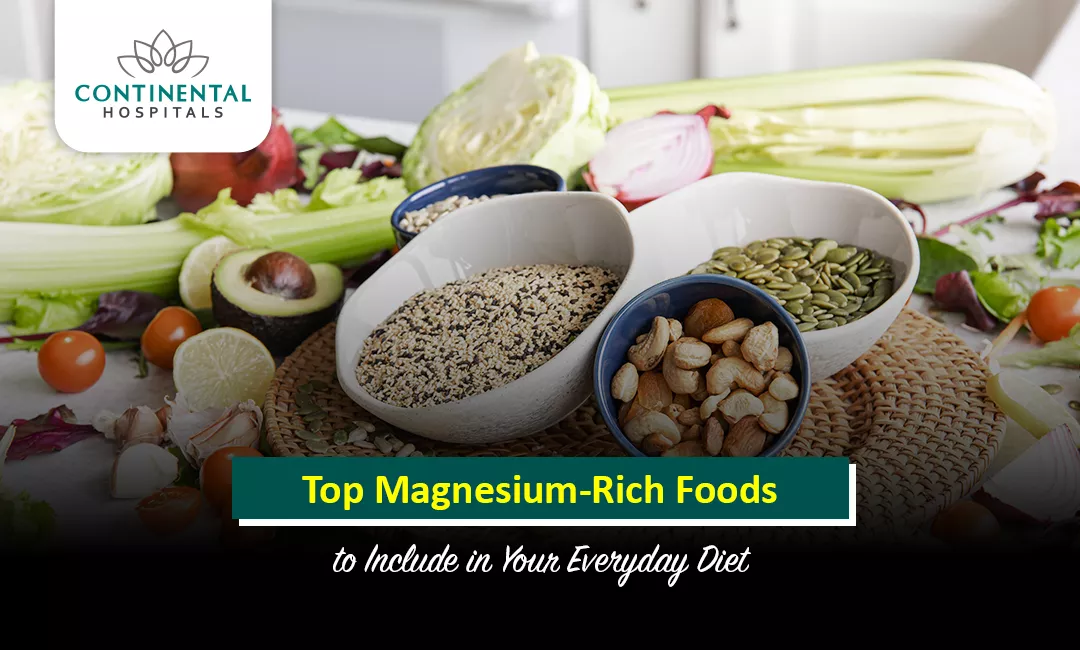

Eating well during winter does not require expensive supplements or special drinks. Familiar foods such as oranges, carrots, spinach, sweet potatoes and almonds provide nutrients that contribute to normal immune function.
No single food can prevent infections or instantly strengthen immunity. A varied diet helps your body receive the nutrients it needs, while nutritional deficiencies can affect how well your immune system works.
The following five foods can fit into everyday winter meals. Some are seasonal, while others are available throughout the year.
Which 5 winter foods support immune health?
Orange
Oranges provide vitamin C, which helps the immune system function normally. Vitamin C also improves the absorption of iron from plant-based foods, making citrus fruit a useful addition to meals containing vegetables or pulses.
Simple ways to include oranges:
- Enjoy orange segments as a snack.
- Add them to a fruit bowl without added sugar.
- Include an orange alongside breakfast or lunch.
Choose a varied selection of fruits rather than relying on oranges alone to meet your nutritional needs.
Carrots
Carrots contain beta-carotene, which the body can convert into vitamin A. Vitamin A supports normal immune function and vision. Carrots are an accessible ingredient for both cooked meals and salads.
Simple ways to include carrots:
- Add chopped carrots to vegetable soup.
- Mix grated carrots into salads.
- Include them in vegetable curries, upma or khichdi.
For an everyday meal, try a savoury carrot dish instead of depending on sweetened preparations such as carrot halwa.

Spinach
Spinach provides provitamin A carotenoids and some vitamin E. Both vitamins play a role in normal immune function. Including spinach alongside other vegetables adds variety to your diet.
Simple ways to include spinach:
- Prepare palak dal.
- Stir chopped spinach into vegetable khichdi.
- Add it to soups or cooked vegetable dishes.
Wash the leaves thoroughly before preparing them. If you follow a medically prescribed diet, check how spinach fits into your individual meal plan.
Sweet Potatoes
Sweet potatoes provide beta-carotene, a precursor of vitamin A. They can be included as part of a varied diet that supplies nutrients needed for normal immune function.
Simple ways to include sweet potatoes:
- Roast pieces with a little oil and spices.
- Add boiled sweet potato to a vegetable bowl.
- Use it in a warm soup.
Consider sweet potato as part of the meal rather than automatically adding it on top of your usual portions. Your overall food intake and dietary needs matter more than eating any particular ingredient.
Almonds
Almonds are a source of vitamin E, which supports immune function and helps protect cells from oxidative damage. They offer a convenient way to add variety to meals and snacks.
Simple ways to include almonds:
- Sprinkle chopped almonds over porridge.
- Choose plain, unsalted almonds as a snack.
- Add a small amount to a breakfast bowl.
Avoid almonds if you have an almond allergy. Choose a form and portion appropriate for the person eating them.
How can you build a balanced winter diet?
These five foods are useful additions, but they do not make a complete diet on their own. Include a variety of vegetables, fruits, grains and protein sources across your meals.
For example, you could add almonds to breakfast, have an orange as a snack, prepare palak dal with lunch, and include carrots in an evening vegetable soup. Sweet potato can be used in a meal on another day. You do not need to eat all five foods every day.
The aim is to meet your nutritional needs consistently. Taking extra vitamins or eating large quantities of one food does not necessarily improve immunity when your nutrient intake is already adequate.
Why choose Continental Hospitals for nutrition guidance?
The Department of Nutrition & Dietetics at Continental Hospitals, Gachibowli, Hyderabad provides inpatient and outpatient dietary consultations.
Nutrition services include assessment of eating habits and nutritional needs, personalised meal planning, and dietary counselling. The department also works with healthcare teams to provide nutrition support for people managing conditions such as diabetes, heart disease and gastrointestinal disorders.
A consultation can help you understand how seasonal foods fit your health needs, food preferences and daily routine.
Nutrition consultation
For individual dietary advice, you can request an appointment with the Nutrition & Dietetics team at Continental Hospitals.