
post-title

What Happens When Your Body Does Not Get Enough Vitamin B12?

Written by - Editorial Team
Medically Reviewed by - Dr Yousef Ali

The body needs vitamin B12 because it keeps you healthy and functioning well. Vitamin B12 is required by the body in the creation of red blood cells, healthy nerves, brain functions, and DNA production. Since the body does not manufacture vitamin B12, it needs to be gotten from food sources or supplements.

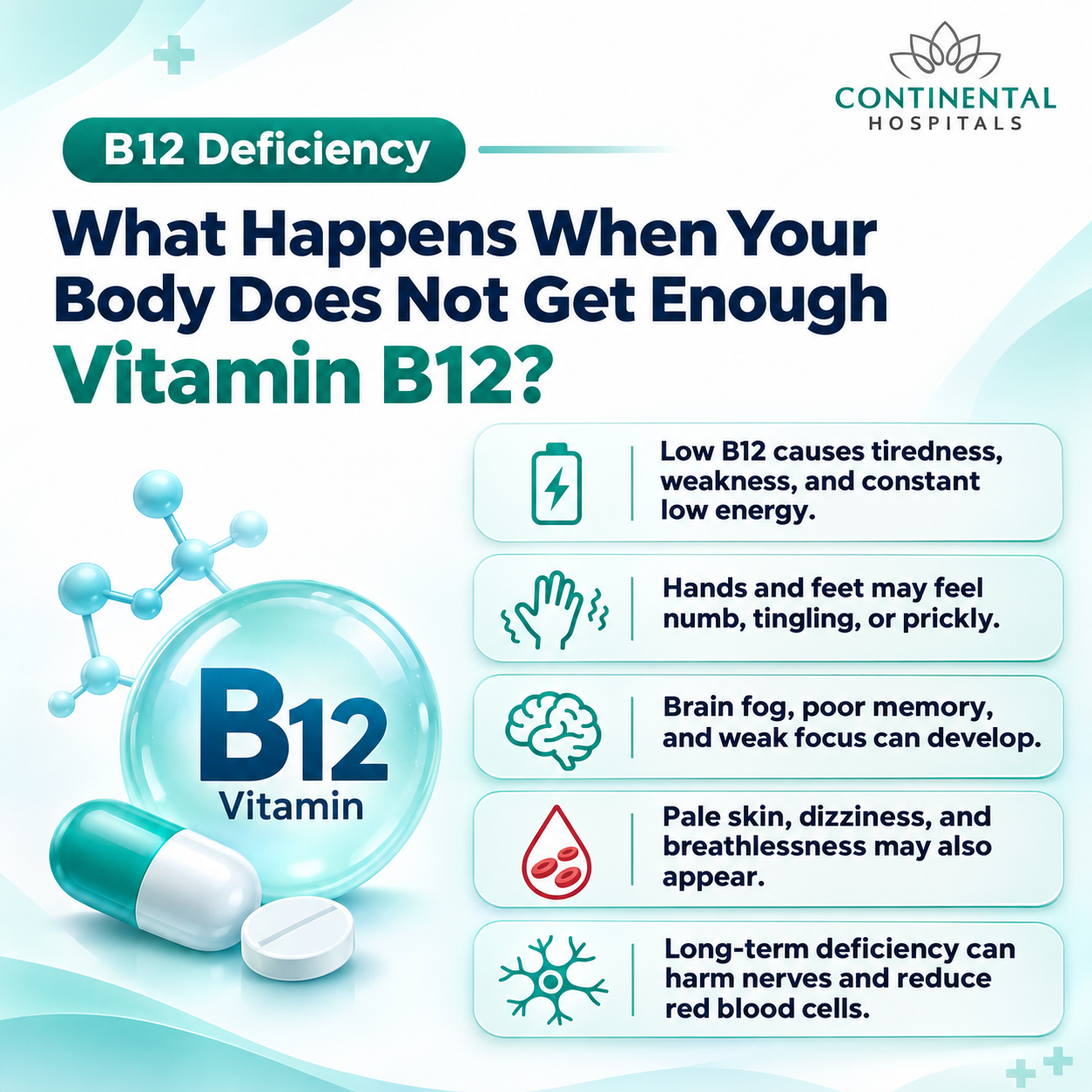
What does lack of vitamin B12 do to the body? Lack of this vitamin in the body may have effects on various organs such as the brain, the nervous system, and blood cells. Vitamin B12 deficiency may result in fatigue, weakness, numbness of hands and legs, memory loss, and inability to focus.

What Are the Most Common Vitamin B12 Deficiency Symptoms?

Deficiency of vitamin B12 symptoms often appear gradually, making it hard for the patient to recognize them in time. The symptoms may range from slight discomfort to more severe issues related to changes in one's physical and mental well-being.

The most common signs of low vitamin B12 levels in the body are:

  • Fatigue: Vitamin B12 deficiency prevents your body from producing enough red blood cells, which affects oxygen transport.
  • Weakness and exhaustion: You may feel physically weak and exhausted even when you have had enough rest.
  • Tingling of hands and feet: As a result of vitamin B12 deficiency, nerves become damaged, causing tingling sensations.
  • Issues with memory: Your brain function, including concentration and memory, may be affected by low levels of this vitamin.
  • Pale or yellow skin: As a result of anaemia, caused by vitamin B12 deficiency, patients' skin becomes pale or yellowish.
  • Irritability: Patients may feel depressed and irritable.
  • Tongue and mouth problems: Sore, swollen and smooth tongue and mouth ulcers are possible.

Visit the General Medicine Department at Continental Hospitals, Hyderabad, for expert medical care.

What Are the Major Causes of Vitamin B12 Deficiency?

How can some individuals suffer from vitamin B12 deficiency even after eating frequently? Such deficiency can result from the lack of vitamin B12 or the inability of its proper absorption in the body.

Some causes of B12 deficiency include:

  • Inadequate intake of the vitamin: People following a restrictive vegetarian or vegan diet without any supplementation might be more at risk of deficiency.
  • Gastrointestinal issues: Issues related to the stomach or intestines might interfere with the absorption process.
  • Pernicious anemia: This disease can affect the ability of the body to absorb vitamin B12.
  • Surgery on the stomach or intestines: These surgeries can prevent the proper absorption of the vitamin.
  • Some medications: The use of some medications over time, such as metformin or antacid medicines, might cause vitamin B12 deficiency.
  • Older age: People of increased age cannot absorb this vitamin from food easily.
What Are the Advantages of Having Sufficient Levels of Vitamin B12 in Your Body?

Why should you keep your body supplied with sufficient vitamin B12? Vitamin B12 performs some functions that are necessary for normal bodily operation.

Some of the advantages of vitamin B12 include:

Second Opinion

  • Aids in red blood cell formation.
  • Aids in maintaining normal nerve function.
  • Promotes good brain health.
  • Aids in DNA synthesis.
  • Promotes proper energy metabolism.
  • Prevents some kinds of anaemia.
  • Aids in nervous system functioning.

How Is B12 Deficiency Diagnosed?

How do you find out if your body has enough vitamin B12? There are various blood tests available that measure the level of B12.

These may include:

  • B12 blood test: It measures the amount of B12 in your body.
  • Complete Blood Count (CBC): Tests for red blood cells and hemoglobin.
  • Additional blood tests: You may need methylmalonic acid and homocysteine tests to determine if you have a deficiency when the B12 test is inconclusive.
  • Other tests: You may need further tests done to find out why the deficiency exists.

Your doctor will analyze the results in light of your symptoms and medical history.

How Can B12 Deficiency Be Treated?

Can a B12 deficiency be treated? Yes, it can be. Vitamin B12 treatment depends on several factors, including the cause of the deficiency, its severity, and your body’s ability to absorb it.

There are various treatment methods including:

  • Change of diet: Consuming B12-rich foods like milk, eggs, fish, and meat.
  • Use of oral supplements: Depending on the level of deficiency, you might use vitamin B12 tablets.
  • Vitamin B12 shots: People suffering from high levels of deficiency will be advised to use B12 injections.
  • Diagnosing any medical condition: If there is an illness causing the deficiency.

Avoid using supplements without consultation from your doctor.

What Are The Consequences Of Ignoring Vitamin B12 Deficiency?

Is it possible for a lack of vitamin B12 to lead to chronic illnesses? Yes. Some of the consequences that could result from ignoring vitamin B12 deficiency include problems with the blood, brain, and the nervous system.

Need an Appointment?

Some of the effects of vitamin B12 deficiency may include:

  • Megaloblastic anemia, which makes the production of healthy red blood cells difficult.
  • Nerve damage that can be associated with numbness and tingling sensations.
  • Trouble walking and balancing.
  • Problems with memory and concentration.
  • Mood changes.
  • Some of the neurological problems may be irreversible in extreme cases.

Reasons for Choosing Continental Hospitals to Overcome B12 Deficiency

Why is proper medical assessment necessary if you suffer from the symptoms of B12 deficiency? The condition may arise due to various reasons, and the identification of the root cause is necessary to ensure proper treatment.

Continental Hospitals in Hyderabad provides patients with comprehensive healthcare services backed by qualified professionals and state-of-the-art diagnostic tools and techniques along with a multidisciplinary approach towards treating their conditions.

Some of the internationally and nationally accredited organizations include JCI, NABH, and QAI. These accreditations indicate that Continental Hospitals are concerned about the quality of healthcare, safety of patients, and clinical standards.

Patients will be provided with proper assessment, diagnosis, nutrition advice, and treatment depending upon their health conditions.

Conclusion

What would be the repercussions of vitamin B12 deficiency in your body? Well, there might be some signals exhibited by your body like being constantly exhausted, feeble, tingling sensations, having memory problems, and having mood swings. These symptoms, despite being trivial, can result in damage to your blood cells and nervous system in case of chronic vitamin B12 deficiency.

Healthy vitamin B12 levels in the body can be achieved through proper nutrition and supplementation.

If you feel exhausted persistently, weak without any reason, or have tingling sensations in your hands and legs, or have any other symptoms of vitamin B12 deficiency, visit our best general physician in Hyderabad at Continental Hospitals, Hyderabad.

Related Blogs:

  1. Signs and Symptoms of Vitamin B12 Deficiency
  2. Pale Skin, Weakness: B12 Could Be Low

Frequently Asked Questions

Vitamin B12 deficiency occurs when the body does not have enough vitamin B12 to function properly. Vitamin B12 is an essential nutrient that supports healthy nerve function and red blood cell production. It also helps the body make DNA. The body cannot produce this vitamin naturally, so it must come from food or supplements. Foods such as meat, fish, eggs, milk, and dairy products contain vitamin B12. People who follow strict vegetarian or vegan diets may have a higher risk of deficiency. Poor absorption of vitamin B12 can also cause low levels. Certain digestive conditions may affect its absorption. Some medications can interfere with vitamin B12 absorption. A deficiency may develop gradually over time. Early symptoms can include tiredness, weakness, and difficulty concentrating. If left untreated, it may cause nerve damage and other health problems. A blood test can help identify vitamin B12 deficiency.
Low vitamin B12 levels can cause several physical and neurological symptoms. Persistent tiredness is one of the common early signs. Some people experience weakness and reduced energy throughout the day. Pale skin may develop due to anaemia. Shortness of breath and dizziness can also occur. Some individuals experience headaches or a rapid heartbeat. Tingling or numbness in the hands and feet may indicate nerve involvement. Difficulty maintaining balance can occur in more advanced cases. Memory problems and difficulty concentrating are also possible. Mood changes and irritability may develop. Some people experience a sore or swollen tongue. Digestive symptoms such as loss of appetite may also occur. Symptoms can vary depending on the severity and duration of the deficiency. Medical evaluation and blood tests can help identify the underlying cause.
Vitamin B12 deficiency can develop due to inadequate dietary intake or poor absorption. People who follow strict vegetarian or vegan diets may not get enough vitamin B12 from food. Digestive conditions such as Crohn's disease and coeliac disease can affect absorption. Pernicious anaemia is another important cause because it affects the body's ability to absorb vitamin B12. Certain stomach or intestinal surgeries can also reduce absorption. Age-related changes in the digestive system may increase the risk. Long-term use of certain medications, including metformin and acid-reducing medicines, may contribute to deficiency. Excessive alcohol consumption may also affect nutritional health. Some people develop low B12 levels without noticing early symptoms. Pregnancy and breastfeeding can increase nutritional requirements. A poor diet over an extended period may also contribute. Identifying the underlying cause is important for effective treatment. A doctor may recommend blood tests and further evaluation.
Yes, vitamin B12 deficiency can cause persistent fatigue and weakness. Vitamin B12 helps the body produce healthy red blood cells. These cells carry oxygen to different parts of the body. When B12 levels are low, the body may produce fewer or abnormally large red blood cells. This can lead to megaloblastic anaemia. Reduced oxygen delivery can make a person feel tired and weak. Some people may experience dizziness and headaches. Shortness of breath during physical activity can also occur. Fatigue may continue even after getting enough sleep. However, tiredness is not always caused by vitamin B12 deficiency. Iron deficiency, thyroid disorders, diabetes, and other conditions can also cause fatigue. A blood test can help determine whether B12 levels are low. Doctors may recommend appropriate supplements or vitamin B12 injections depending on the cause. Early diagnosis can help improve symptoms and prevent complications.
Yes, vitamin B12 deficiency can affect the brain, spinal cord, and peripheral nerves. Vitamin B12 plays an important role in maintaining the protective covering around nerves. This covering is called myelin. When B12 levels remain low, nerve function can become impaired. Tingling sensations in the hands and feet are common warning signs. Some people experience numbness or a burning sensation. Muscle weakness and difficulty walking may also develop. Balance and coordination can be affected. In some cases, memory problems and confusion may occur. Mood changes and difficulty concentrating are also possible. Severe or prolonged deficiency can cause lasting neurological damage. These symptoms should not be ignored or treated with self-medication. Early diagnosis and appropriate vitamin B12 treatment are important. Consult a doctor if you experience unexplained numbness, tingling, or balance problems.
Several foods can help maintain healthy vitamin B12 levels. Fish such as salmon, tuna, and sardines are good sources. Meat, including chicken and beef, also contains vitamin B12. Eggs provide smaller amounts of this essential nutrient. Milk, yoghurt, and cheese are useful dairy sources. Fortified breakfast cereals can provide vitamin B12 for people following plant-based diets. Some fortified plant-based milk products also contain added vitamin B12. People following vegan diets should check food labels for fortification. Including a variety of B12-rich foods can support nutritional health. However, food alone may not correct an established deficiency in everyone. People with absorption problems may need supplements or injections. The required treatment depends on the severity and underlying cause. A doctor or dietitian can recommend an appropriate dietary plan. Regular monitoring may be necessary for people at higher risk.
Vitamin B12 deficiency is usually diagnosed through blood tests and medical evaluation. A doctor may first review the patient's symptoms and medical history. Dietary habits and medication use may also be discussed. A complete blood count can help identify anaemia and changes in red blood cells. A serum vitamin B12 test measures the amount of vitamin B12 in the blood. Additional tests may be recommended when results are borderline or unclear. Methylmalonic acid testing can help identify functional vitamin B12 deficiency. Homocysteine levels may also provide useful information. Doctors may investigate possible absorption problems or pernicious anaemia. Further tests may be required depending on the suspected cause. Early diagnosis helps prevent complications involving the nerves and blood cells. Treatment recommendations depend on the test results and individual health condition. Consult a qualified doctor if you experience symptoms of vitamin B12 deficiency.
Vitamin B12 deficiency can be treated with dietary changes, supplements, or injections. The treatment depends on the severity of the deficiency and its underlying cause. Mild cases related to inadequate dietary intake may improve with oral supplements. Doctors may recommend vitamin B12-rich foods as part of a balanced diet. People with absorption problems may require vitamin B12 injections. Injections help deliver the vitamin directly into the body. The frequency and duration of treatment depend on individual requirements. Some patients may need long-term supplementation. Regular blood tests can help monitor recovery. Fatigue and weakness may improve after appropriate treatment. However, nerve-related symptoms can take longer to recover. Delayed treatment may result in permanent nerve damage. Patients should follow their doctor's instructions and avoid taking high-dose supplements without medical advice. Treating the underlying cause is important to prevent the deficiency from returning.
Disclaimer: The information provided in this blog is intended for general knowledge and informational purposes only, and does not constitute medical advice. Always consult with a qualified healthcare professional for any medical concerns or before making any decisions about your health.

Get in Touch With Us

Whether you are from India or abroad, we are here to help you with your medical queries. Please fill out the form below and our team will connect with you shortly.

  • ✔ Quick response from our medical experts
  • ✔ Secure data handling & privacy
  • ✔ Easy upload for reports & documents
banner_image

Chat with our medical experts on WhatsApp for quick assistance and hassle-free appointment booking

Recent Posts