post-title

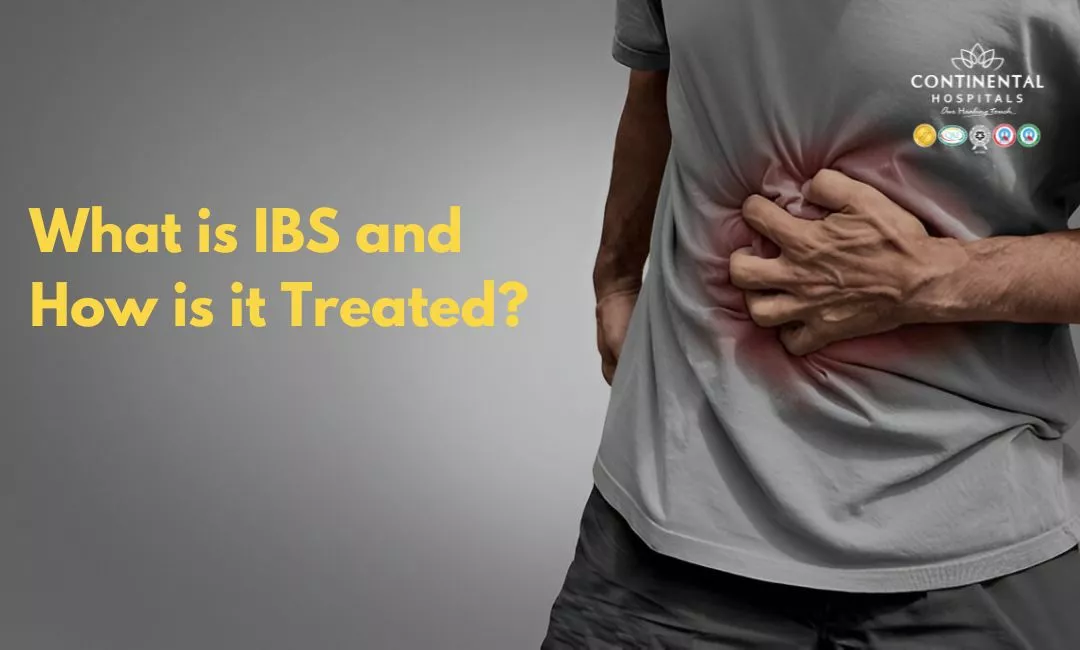
What is IBS and How is it Treated?

Written by - Editorial Team
Medically Reviewed by - Dr Guru N Reddy

Irritable Bowel Syndrome (IBS) is a common digestive disorder that affects the large intestine. While it is not life-threatening, IBS can significantly impact a person’s quality of life, leading to symptoms like stomach cramps, bloating, diarrhea, and constipation. Understanding what IBS is, how it affects your body, and how it is treated can help you manage the condition better and seek the right treatment options.

What is IBS?

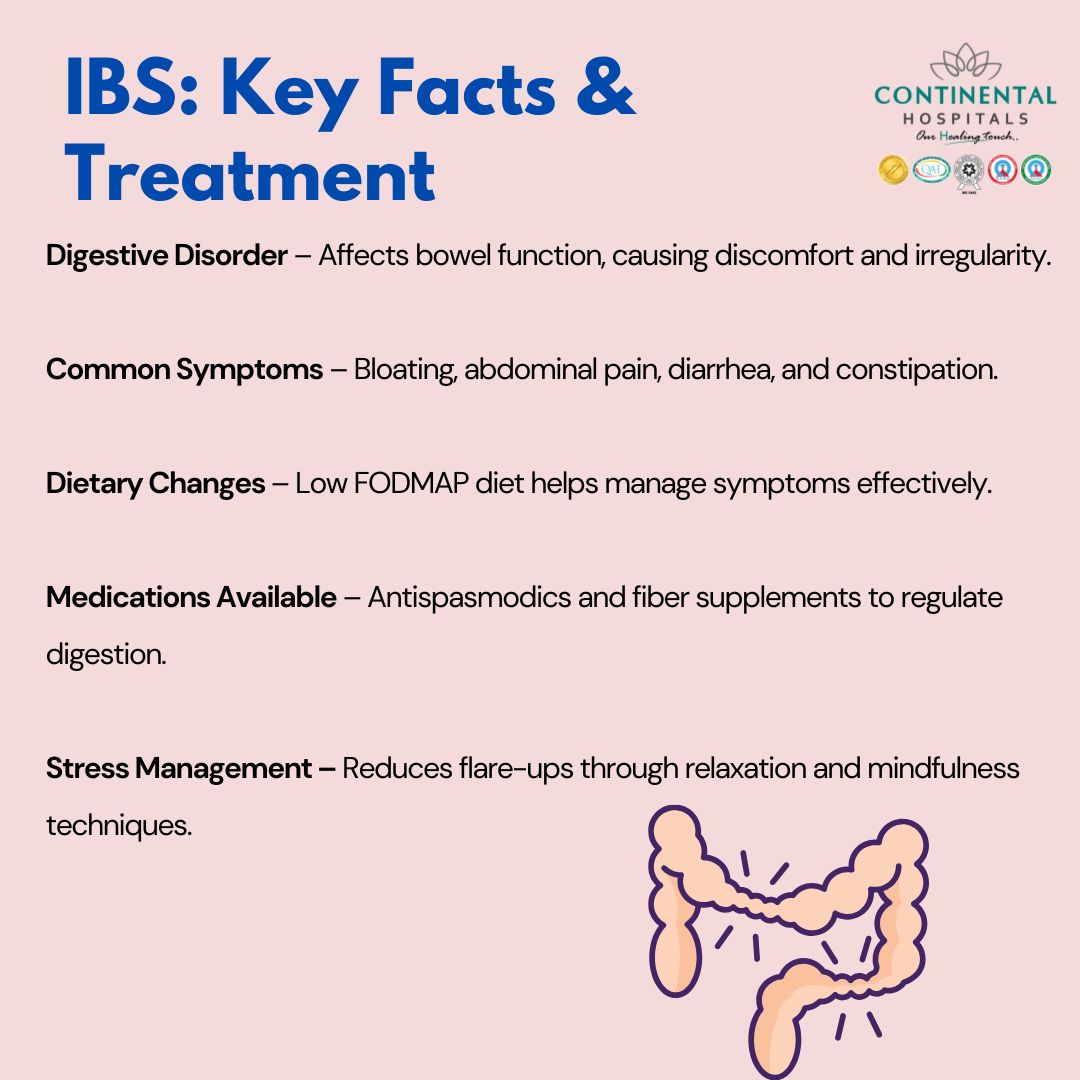
Irritable bowel syndrome is a chronic gastrointestinal condition that causes discomfort in the stomach and intestines. It can lead to various symptoms such as:

  • Abdominal pain or cramps
  • Bloating and gas
  • Changes in bowel habits (diarrhea, constipation, or alternating between the two)
  • Mucus in the stool
  • Feeling of incomplete evacuation after a bowel movement

IBS affects both men and women, but it is more commonly diagnosed in women. It is considered a "functional" disorder, which means that it is related to how the digestive system functions rather than a structural or biochemical issue.

Struggling with IBS symptoms? Visit our gastroenterology specialist doctors for expert diagnosis and personalized treatment.
What causes IBS?

The exact cause of IBS is not known, but several factors may contribute to the development of the condition:

Dietary factors: Certain foods may trigger IBS symptoms, such as fatty foods, dairy products, caffeine, or alcohol.

Gut-brain interaction: The brain and digestive system are closely linked. Stress, anxiety, or emotional factors can play a role in triggering or worsening IBS symptoms.

Abnormal gut motility: The muscles in the intestines may contract too strongly or too weakly, leading to diarrhea or constipation.

Second Opinion

Infections or bacterial overgrowth: Some people develop IBS after a gastrointestinal infection or imbalance in gut bacteria.

Genetic predisposition: In some cases, IBS may run in families, suggesting that genetics could play a role.

What are the different types of IBS?

IBS can be classified into different types based on the predominant symptoms:

IBS-D (Diarrhea-dominant): This type is characterized by frequent loose stools and diarrhea.

IBS-C (Constipation-dominant): This type involves infrequent, hard stools and constipation.

IBS-M (Mixed): This type is a combination of both diarrhea and constipation, with alternating symptoms.

The symptoms can vary from person to person and can be triggered by various factors such as stress, certain foods, or changes in routine.

Need an Appointment?

How is IBS Diagnosed?

Diagnosing IBS involves a combination of methods. The doctor will typically perform a thorough medical history and a physical examination and may conduct certain tests to rule out other conditions with similar symptoms, such as inflammatory bowel disease (IBD) or celiac disease.

In many cases, IBS is diagnosed based on a set of criteria known as the Rome Criteria. This includes symptoms like abdominal discomfort or pain that occurs at least one day a week for the past three months, along with changes in bowel movements.

Sometimes, doctors may recommend tests such as blood work, stool analysis, or imaging studies to rule out other conditions.

How is IBS treated?

While there is no cure for IBS, treatment focuses on managing symptoms and improving quality of life. The treatment plan is often personalized, as what works for one person may not work for another. Here are the main approaches to treating IBS:

1. Dietary Changes

A healthy diet is key in managing IBS symptoms. Doctors often recommend an elimination diet or a diet rich in fiber, depending on the type of IBS.

Fiber: Soluble fiber can help improve bowel regularity, especially for IBS-C (constipation). It is found in foods like oats, beans, and fruits. For IBS-D (diarrhea), a low-fiber or low-residue diet may be suggested.

Low FODMAP diet: Many people with IBS benefit from the low FODMAP diet, which involves eliminating certain types of carbohydrates (found in foods like wheat, milk, and some vegetables) that can trigger IBS symptoms.

Hydration: Drinking plenty of water is essential to help with digestion, especially for IBS-C patients.

2. Medications

Fiber supplements: Soluble fiber supplements, like psyllium, may help manage IBS-C.

Laxatives: For those with IBS-C, laxatives may be recommended to relieve constipation. However, they should be used with caution and under the guidance of a doctor.

Anti-diarrheal medications: For IBS-D, medications like loperamide (Imodium) can help reduce diarrhea.

Antispasmodics: These medications can help relieve abdominal cramps and pain by relaxing the muscles of the intestine.

Antidepressants: Low doses of antidepressants, such as tricyclic antidepressants or selective serotonin reuptake inhibitors (SSRIs), may help some people with IBS, especially when stress and anxiety are contributing to the symptoms.

3. Probiotics

Probiotics are beneficial bacteria that can help balance the gut microbiota. Some studies suggest that certain strains of probiotics may help reduce IBS symptoms like bloating and abdominal pain. However, it’s essential to consult a doctor before starting any probiotic supplements.

4. Psychological Therapies

As stress, anxiety, and other emotional factors can contribute to IBS symptoms, therapies like cognitive behavioral therapy (CBT) and hypnotherapy may be beneficial. These therapies aim to reduce stress and improve the mind-body connection, helping to manage symptoms.

5. Regular Exercise

Physical activity can help with digestion and reduce stress. Regular exercise, such as walking, yoga, or swimming, can relieve symptoms and improve overall well-being.

How Can I Manage IBS Through Lifestyle Changes?

In addition to medical treatment, lifestyle changes can also play a significant role in managing IBS:

Stress management: Techniques like deep breathing, meditation, and mindfulness can help reduce stress levels and prevent flare-ups.

Regular meals: Eating regular, balanced meals can help regulate digestion and prevent IBS symptoms.

Sleep: Getting enough sleep is essential, as poor sleep can exacerbate symptoms.

Conclusion

Irritable Bowel Syndrome (IBS) can be challenging, but with the right treatment and lifestyle changes, many people can effectively manage their symptoms. From dietary adjustments to medications and stress management techniques, there are numerous ways to address IBS and improve your quality of life.

Suffering from IBS? Consult the best gastroenterologist in hyderabad at Continental Hospitals, one of the best gastroenterology hospitals in Hyderabad. Get a personalized treatment plan to manage your symptoms and improve your well-being. Contact us today!

Related Blog Topics

  1. IBS Treatment Plans That Actually Work
  2. Are Chia Seeds Safe for People with IBS?

Frequently Asked Questions

Irritable Bowel Syndrome (IBS) is a common digestive disorder that affects the large intestine and causes recurring abdominal discomfort along with changes in bowel habits. Unlike inflammatory bowel diseases, IBS does not damage the intestinal lining or increase the risk of colorectal cancer. It is considered a functional gastrointestinal disorder because the digestive tract appears normal but does not function as it should. Symptoms may include abdominal pain, bloating, gas, diarrhea, constipation, or alternating episodes of both. The severity of symptoms varies from person to person and can fluctuate over time. Stress, certain foods, hormonal changes, and gut sensitivity often contribute to symptom flare-ups. IBS can affect people of all ages but is more commonly diagnosed in younger adults and women. Although IBS is a chronic condition, it can usually be managed successfully with dietary changes, lifestyle modifications, stress management, and appropriate medical treatment. Early diagnosis helps rule out other digestive disorders and supports better long-term symptom control.
The symptoms of IBS vary among individuals but typically include recurring abdominal pain or cramping associated with changes in bowel movements. Some people experience frequent diarrhea, while others struggle with constipation, and many alternate between the two. Bloating, excessive gas, abdominal fullness, and mucus in the stool are also common complaints. Symptoms often improve after passing stool but may return repeatedly. Many patients notice that eating certain foods or experiencing emotional stress triggers symptom flare-ups. IBS symptoms can range from mild to severe and may interfere with work, travel, and daily activities. However, they usually do not cause bleeding, significant weight loss, or persistent fever. If these warning signs occur, further medical evaluation is essential to exclude other gastrointestinal diseases. Proper assessment by a gastroenterologist helps identify IBS and develop an effective treatment plan.
The exact cause of IBS is not fully understood, but several factors are believed to contribute to its development. Abnormal communication between the brain and the digestive tract can make the intestines more sensitive to normal digestive processes. Irregular intestinal muscle contractions may speed up or slow down bowel movements, leading to diarrhea or constipation. Changes in the balance of gut bacteria, previous gastrointestinal infections, food intolerances, and low-grade intestinal inflammation may also play a role. Emotional stress, anxiety, and depression can worsen symptoms even though they do not directly cause the condition. Hormonal changes may explain why IBS is more common in women. Genetics may also influence the likelihood of developing IBS in some families. Since multiple factors contribute to IBS, treatment is often personalized to address each individual's symptoms and triggers.
There is no single test that confirms IBS, so doctors diagnose the condition based on symptoms, medical history, and a physical examination. Gastroenterologists often use internationally accepted Rome IV diagnostic criteria, which focus on recurring abdominal pain associated with changes in bowel habits. Your doctor may ask about symptom duration, dietary habits, stress levels, and family history. Blood tests, stool tests, or imaging studies may be recommended to rule out infections, celiac disease, inflammatory bowel disease, or other digestive disorders. In some cases, a colonoscopy may be advised, particularly if warning signs such as rectal bleeding, unexplained weight loss, anemia, or a family history of colorectal cancer are present. A thorough evaluation ensures an accurate diagnosis and helps identify the most effective treatment approach for long-term symptom management.
IBS treatment focuses on relieving symptoms and improving quality of life because there is currently no permanent cure. Treatment usually begins with identifying and avoiding foods that trigger symptoms. Many patients benefit from a low FODMAP diet under the guidance of a qualified dietitian. Increasing dietary fiber may help constipation-predominant IBS, while certain foods may need to be limited in diarrhea-predominant IBS. Doctors may prescribe medications to relieve abdominal pain, reduce diarrhea, improve constipation, or decrease intestinal spasms depending on symptom patterns. Probiotics may be helpful for some individuals by supporting healthy gut bacteria. Stress reduction through regular exercise, mindfulness, yoga, or counseling can significantly improve symptoms. Treatment plans are individualized, and regular follow-up with a gastroenterologist helps adjust therapy based on symptom response.
Currently, there is no permanent cure for Irritable Bowel Syndrome, but the condition can be effectively managed with appropriate medical care and lifestyle changes. Many people experience long periods with minimal or no symptoms when they follow their treatment plan consistently. Dietary modifications, regular physical activity, stress management, and prescribed medications can significantly reduce symptom frequency and severity. Since IBS affects individuals differently, treatment often requires ongoing adjustments based on changing symptoms. Identifying personal food triggers and maintaining healthy bowel habits are important for long-term control. Regular consultations with a gastroenterologist ensure that symptoms remain well managed and that other digestive conditions are not overlooked. With proper care, most individuals with IBS can lead active, healthy, and productive lives despite having a chronic digestive disorder.
Food triggers differ from person to person, but certain foods commonly worsen IBS symptoms. High FODMAP foods, including onions, garlic, apples, pears, milk, soft cheeses, beans, and some wheat products, may increase bloating, gas, and abdominal discomfort. Spicy foods, fried foods, excessive caffeine, alcohol, carbonated beverages, and artificial sweeteners can also trigger symptoms in some individuals. Keeping a food diary helps identify personal triggers and avoid unnecessary dietary restrictions. Rather than eliminating large groups of foods permanently, patients should seek guidance from a gastroenterologist or registered dietitian. A balanced, personalized eating plan supports digestive health while ensuring adequate nutrition. Making gradual dietary changes is often more effective than following overly restrictive diets without medical supervision.
You should consult a gastroenterologist if you have persistent abdominal pain, frequent diarrhea, constipation, bloating, or changes in bowel habits that last for several weeks. Medical evaluation is especially important if symptoms interfere with daily life or continue despite dietary and lifestyle changes. Immediate medical attention is recommended if IBS-like symptoms are accompanied by rectal bleeding, unexplained weight loss, persistent vomiting, anemia, fever, difficulty swallowing, or a family history of colorectal cancer or inflammatory bowel disease. These warning signs may indicate a more serious digestive condition requiring further investigation. Early diagnosis helps identify the underlying cause, rule out other gastrointestinal diseases, and begin appropriate treatment. Timely medical care improves symptom control, enhances quality of life, and reduces the risk of unnecessary complications.
Disclaimer: The information provided in this blog is intended for general knowledge and informational purposes only, and does not constitute medical advice. Always consult with a qualified healthcare professional for any medical concerns or before making any decisions about your health.

Get in Touch With Us

Whether you are from India or abroad, we are here to help you with your medical queries. Please fill out the form below and our team will connect with you shortly.

  • ✔ Quick response from our medical experts
  • ✔ Secure data handling & privacy
  • ✔ Easy upload for reports & documents
banner_image

Chat with our medical experts on WhatsApp for quick assistance and hassle-free appointment booking

Recent Posts