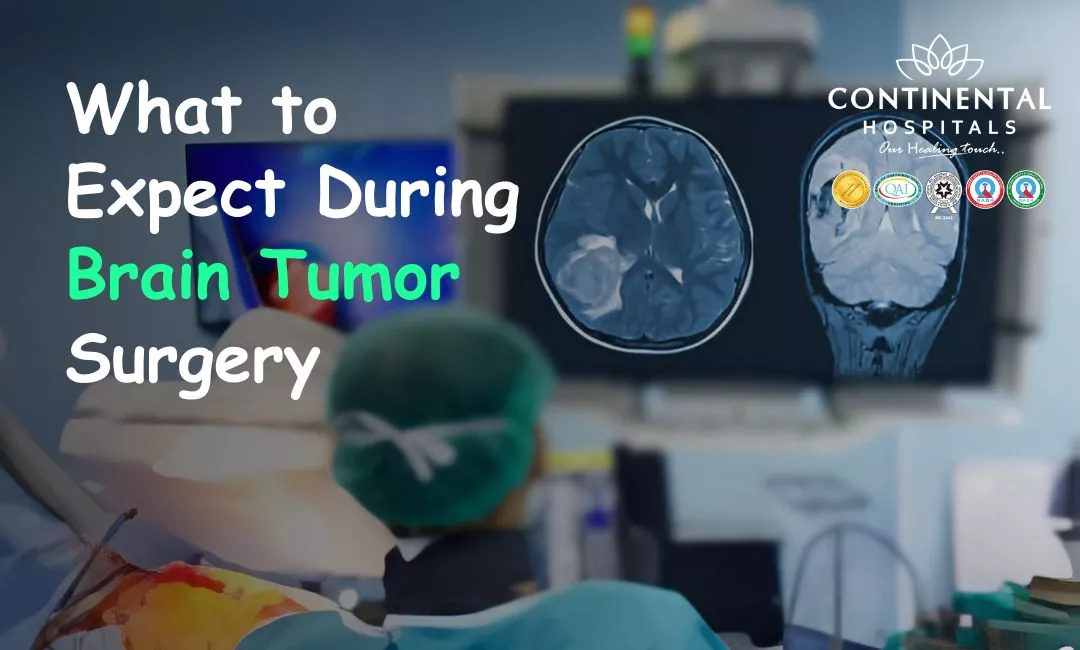
post-title

What to Expect During Brain Tumor Surgery

Written by - Editorial Team
Medically Reviewed by - Dr M K Singh

When you're diagnosed with a brain tumor, the news can be overwhelming. However, knowing what to expect during brain tumor surgery can help you feel more prepared and at ease. At Continental Hospitals, we understand how daunting this journey can be. Our team of expert neurosurgeons and compassionate healthcare providers will guide you through every step of the process, ensuring you receive the best care possible. In this blog, we’ll take you through the stages of brain tumor surgery, from preparation to recovery, and explain why choosing Continental Hospitals is a smart decision for your health.

What to Expect During Brain Tumor Surgery?

Brain tumor surgery is typically recommended when the tumor is accessible and can be removed without causing significant damage to surrounding brain tissue. The primary goal of the surgery is to remove as much of the tumor as possible to reduce symptoms and prevent further growth. This surgery is often performed by highly skilled neurosurgeons using advanced techniques and technology to ensure the best possible outcome.

If you're experiencing neurological symptoms, don't delay. Visit our best neuro doctor hyderabad at Continental Hospitals for expert evaluation, advanced diagnosis, and personalized care.
How do I prepare for brain tumor surgery?

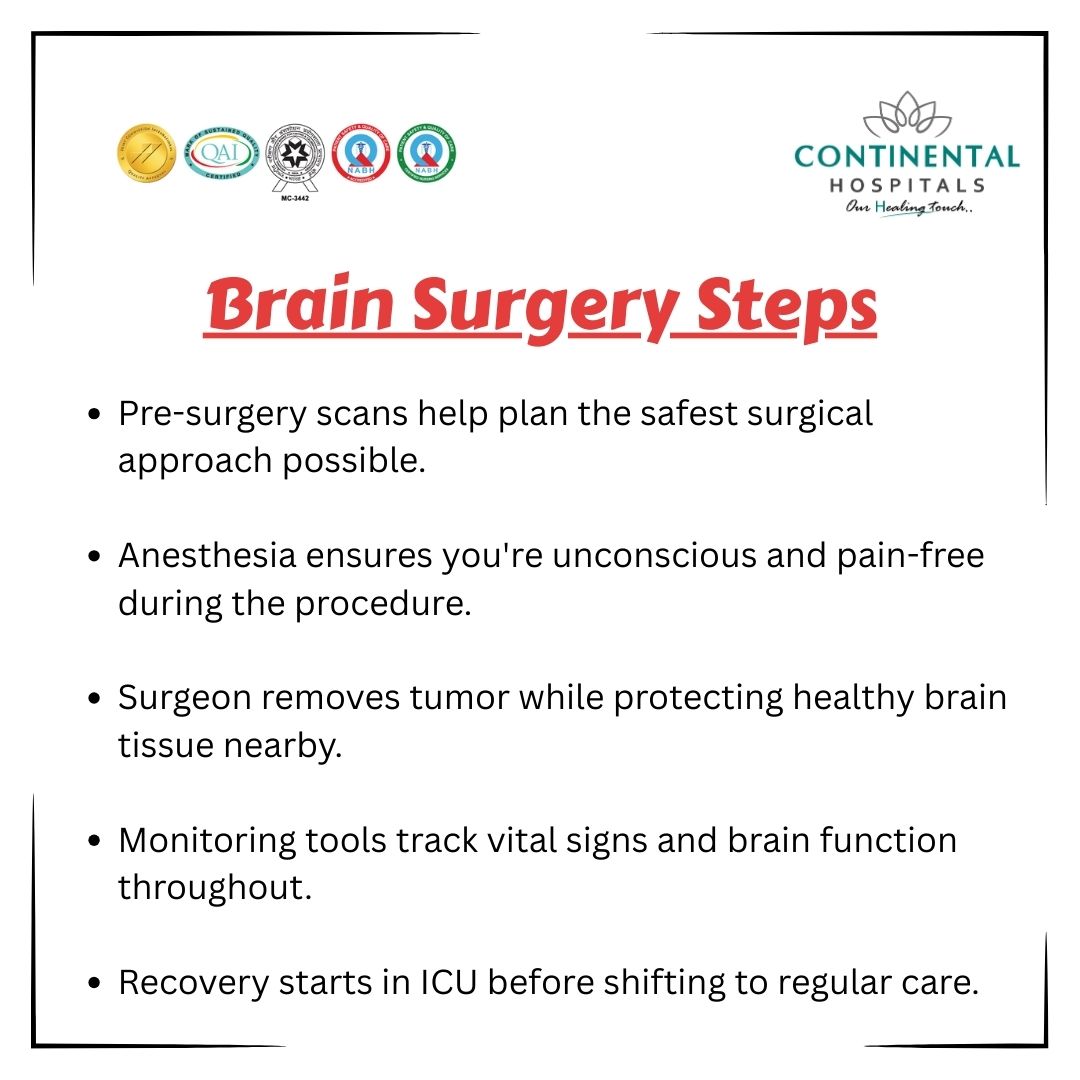
Before undergoing brain tumor surgery, your medical team will perform a series of tests to determine the best approach for your case. These tests may include:

Imaging scans like CT scans and MRIs to get detailed pictures of the tumor's size, location, and surrounding tissue.

Blood tests to check your overall health and ensure you're ready for surgery.

Neurological exams to assess your brain’s function before surgery and help doctors monitor any changes after the procedure.

On the day of surgery, you’ll be given specific instructions, such as fasting for a certain period before the procedure. This is to ensure your safety during anesthesia.

Second Opinion

The Surgical Process: What Happens During Brain Tumor Surgery?

Brain tumor surgery typically takes several hours, depending on the complexity of the tumor. Here's an overview of what happens during the procedure:

Anesthesia: You will be given general anesthesia to ensure you’re completely asleep and pain-free during the surgery.

Positioning: After anesthesia, you’ll be carefully positioned on the operating table. Your head will be secured to ensure that the neurosurgeon can work with precision.

Surgical Incision: The surgeon will make an incision in your scalp, typically in an area that will leave minimal scarring. In some cases, a small portion of your skull may need to be removed (this is called a craniotomy) to access the tumor.

Tumor Removal: The surgeon will then carefully remove as much of the tumor as possible, using advanced tools and techniques. In some cases, they may use a microscope to magnify the tumor for more precise removal.

Closing the Incision: Once the tumor is removed, the surgeon will close the incision in your scalp and, if necessary, replace the piece of skull that was removed.

Throughout the surgery, your vital signs will be closely monitored by a skilled anesthesiologist and surgical team to ensure your safety.

Need an Appointment?

What Happens After Surgery? Post-Surgery Care and Recovery

After the surgery is complete, you’ll be taken to the recovery room, where the medical team will monitor you closely as you wake up from anesthesia. It’s normal to feel groggy, disoriented, or even nauseous, but these symptoms will gradually subside.

Common Post-Surgery Symptoms:

Headache: It’s common to experience some level of headache after brain tumor surgery. Pain relief medication will be provided to manage this discomfort.

Fatigue: Your body will need time to heal, and it’s normal to feel tired or fatigued in the days following surgery.

Swelling: Some swelling around the surgical site is expected, but it usually resolves on its own.

Cognitive or Sensory Changes: Depending on the tumor’s location, you may experience temporary changes in vision, speech, or movement. Your healthcare team will monitor these changes closely and provide rehabilitation as needed.

What rehabilitation is needed after brain tumor surgery?

At Continental Hospitals, we offer comprehensive post-surgery rehabilitation services through our Vitanova Rehab Center. The rehab center specializes in helping patients recover from surgeries like brain tumor removal by providing physical, occupational, and speech therapy tailored to individual needs. These therapies help patients regain their strength, coordination, and cognitive function, ensuring a smoother recovery process.

How Long Does It Take to Recover from Brain Tumor Surgery?

Recovery time varies from person to person, depending on the complexity of the surgery and the location of the tumor. In general, most patients can expect to stay in the hospital for several days after surgery. Some may return to normal activities within weeks, while others may require several months of rehabilitation.

Why Choose Continental Hospitals for Brain Tumor Surgery?

Choosing the right hospital for brain tumor surgery is crucial for your recovery. At Continental Hospitals, we pride ourselves on providing state-of-the-art care with a focus on patient comfort and well-being. Here’s why you should choose us:

Expert Neurosurgeons: Our neurosurgeons are highly trained and experienced in performing complex brain tumor surgeries. We use the latest technology and techniques to ensure the best possible outcomes.

Comprehensive Care: From pre-surgery diagnostics to post-surgery rehabilitation, our team provides complete, personalized care at every stage of your treatment.

Vitanova Rehab Center: Our dedicated rehabilitation center helps patients recover from surgery and regain their independence. The center offers physical therapy, speech therapy, and cognitive therapy in a supportive and caring environment.

Patient-Centred Approach: At Continental Hospitals, your comfort and recovery are our top priorities. We work closely with you and your family to ensure you receive the best care possible.

Conclusion

Brain tumor surgery can feel intimidating, but with the right team of experts by your side, you can navigate the process with confidence. At Continental Hospitals, we’re here to provide you with the best care before, during, and after your surgery. If you're dealing with a brain tumor diagnosis, don’t wait—schedule a consultation with one of our skilled neurosurgeons today and take the first step toward recovery.

If you're experiencing symptoms, don't wait—contact our healthcare team at Continental Hospitals today. Visit the Best Neurologist in Hyderabad

Related Blogs:

  1. Latest Advances in Brain Tumor Treatments
  2. Brain Tumors: Early Symptoms You Shouldn’t Miss

Frequently Asked Questions

Before brain tumor surgery, your medical team performs a detailed evaluation to understand your overall health and the exact location of the tumor. This usually includes MRI or CT scans, blood tests, neurological examinations, and sometimes functional brain mapping. Your neurosurgeon explains the procedure, expected benefits, possible risks, and recovery timeline. You may be asked to stop certain medications such as blood thinners before surgery. An anesthesiologist evaluates your fitness for general anesthesia and discusses any previous medical conditions. You will receive instructions about fasting before the procedure and when to arrive at the hospital. Depending on the type of tumor, additional tests such as angiography or biopsy planning may be required. The healthcare team also discusses postoperative care and rehabilitation if needed. Asking questions during this stage helps you understand the procedure and prepares you mentally and physically for surgery.
Brain tumor surgery is usually performed through a procedure called a craniotomy, where the surgeon temporarily removes a section of the skull to access the brain. Advanced imaging systems and neuronavigation technology help locate the tumor accurately while protecting healthy brain tissue. Specialized surgical microscopes allow the surgeon to visualize delicate structures with precision. The goal is to remove as much of the tumor as safely possible while preserving important brain functions. In some cases, only part of the tumor is removed if complete removal could damage critical areas. After tumor removal, the bone flap is secured back into place, and the scalp is closed carefully. The procedure is performed under strict sterile conditions to minimize infection risk. The surgery duration depends on the tumor's size, type, and location and may last several hours.
Most brain tumor surgeries are performed under general anesthesia, meaning you remain asleep throughout the procedure. However, some patients undergo awake brain surgery when the tumor is located near areas controlling speech, movement, or other vital functions. During awake surgery, you are comfortably sedated during parts of the operation and awakened only when the surgeon needs to assess brain function. You may be asked to speak, identify pictures, move your limbs, or answer simple questions. This helps the surgical team protect essential brain areas while removing the tumor. Local anesthesia ensures that you do not feel pain during the procedure. Your medical team carefully explains the process beforehand to reduce anxiety. Not every patient requires awake surgery, and the decision depends on the tumor's location and your individual condition.
The duration of brain tumor surgery varies depending on the size, complexity, and location of the tumor. Most procedures take between three and eight hours, although some complex surgeries may require more time. Additional time is needed before surgery for anesthesia preparation and after surgery for recovery room monitoring. Tumors located near critical brain structures often require slower, highly precise surgical techniques to preserve neurological function. Advanced imaging and intraoperative monitoring may also extend the procedure while improving surgical safety. Every surgery is planned individually, so the exact duration differs from patient to patient. Your neurosurgeon will provide a more accurate estimate based on your diagnosis and imaging findings. Although surgery may seem lengthy, careful and meticulous removal helps improve outcomes and reduce complications.
Like any major operation, brain tumor surgery carries certain risks, although many patients recover successfully with expert care. Possible complications include bleeding, infection, swelling of the brain, seizures, blood clots, or reactions to anesthesia. Depending on the tumor's location, temporary or permanent changes in speech, vision, balance, memory, or movement may occur. Modern surgical techniques, neuronavigation, intraoperative imaging, and neurological monitoring significantly reduce these risks. Your surgeon carefully evaluates whether the benefits of surgery outweigh the potential complications. The healthcare team continuously monitors you before, during, and after surgery to identify and manage any issues promptly. Following postoperative instructions and attending regular follow-up visits further support safe recovery. Your neurosurgeon will discuss your individual risk profile before the operation.
After brain tumor surgery, you are closely monitored in the recovery area or intensive care unit to observe neurological function and vital signs. It is common to experience headache, mild swelling, fatigue, and temporary discomfort around the surgical site. Imaging studies may be performed soon after surgery to evaluate the extent of tumor removal. Depending on your condition, you may begin walking and performing gentle activities within a day or two. Medications are prescribed to control pain, reduce brain swelling, and prevent seizures when necessary. Some patients require physical, occupational, or speech therapy during recovery. Hospital stay usually ranges from a few days to about a week, depending on the procedure and overall health. Regular follow-up appointments help monitor healing and determine whether additional treatments such as radiation therapy or chemotherapy are needed.
Recovery after brain tumor surgery varies for every patient and depends on the type of tumor, the extent of surgery, and overall health. Many patients begin feeling stronger within a few weeks, while complete recovery may take several months. During this period, adequate rest, balanced nutrition, hydration, and gradual physical activity support healing. Your doctor may recommend rehabilitation programs if you experience weakness, speech difficulties, balance issues, or cognitive changes. Most people can gradually return to work and daily activities after receiving medical clearance. Regular follow-up imaging helps monitor recovery and detect any recurrence if necessary. Recovery also involves emotional adjustment, and support from family, caregivers, and healthcare professionals is valuable. Following your surgeon's recommendations can significantly improve long-term outcomes and quality of life.
Brain tumor surgery is often one part of a comprehensive treatment plan. Depending on the tumor type, grade, location, and pathology results, your doctor may recommend radiation therapy, chemotherapy, targeted therapy, immunotherapy, or regular monitoring with MRI scans. Benign tumors that are completely removed may require only routine follow-up visits. Malignant or partially removed tumors often need additional treatment to reduce the risk of recurrence. A multidisciplinary team including neurosurgeons, neuro-oncologists, radiation oncologists, and rehabilitation specialists develops an individualized treatment plan. Follow-up appointments are essential for monitoring recovery and assessing treatment effectiveness. Early detection of any recurrence allows timely intervention. Your healthcare team will explain every treatment option and guide you through each stage of your ongoing care.
Disclaimer: The information provided in this blog is intended for general knowledge and informational purposes only, and does not constitute medical advice. Always consult with a qualified healthcare professional for any medical concerns or before making any decisions about your health.

Get in Touch With Us

Whether you are from India or abroad, we are here to help you with your medical queries. Please fill out the form below and our team will connect with you shortly.

  • ✔ Quick response from our medical experts
  • ✔ Secure data handling & privacy
  • ✔ Easy upload for reports & documents
banner_image

Chat with our medical experts on WhatsApp for quick assistance and hassle-free appointment booking

Recent Posts