post-title

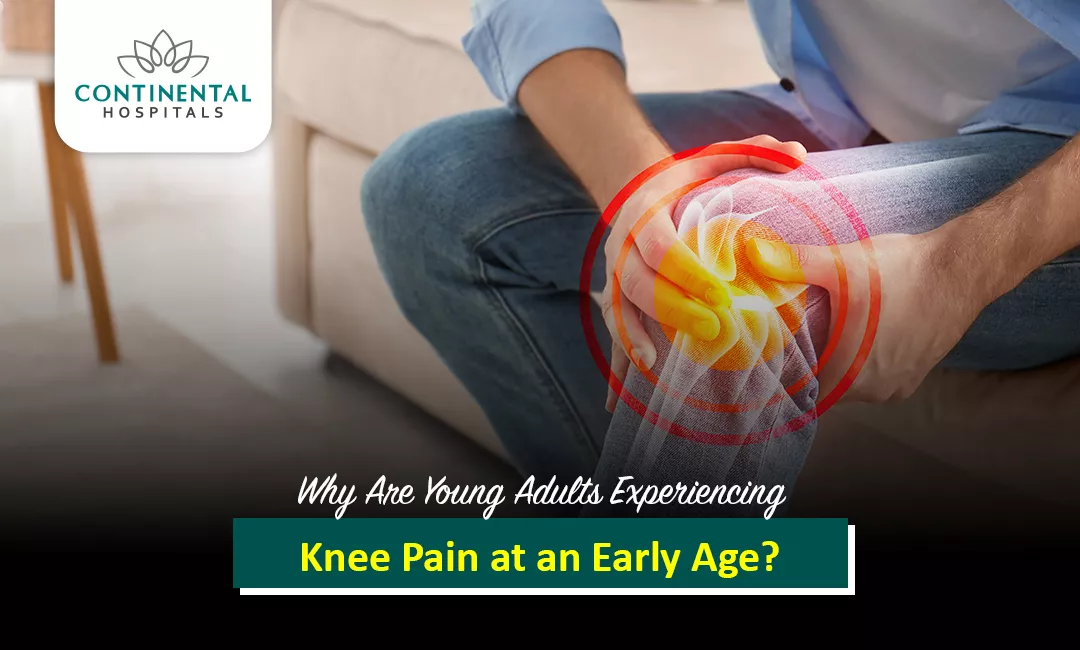
Why Are Young Adults Experiencing Knee Pain at an Early Age?

Written by - Editorial Team
Medically Reviewed by - Dr Chakradhar Reddy Birudavolu

Knee pain is not anymore an issue faced by elderly patients only. In the present times, many young adults face knee pains owing to lifestyle issues, prolonged working hours, lack of physical exercise, sporting injuries, and inappropriate exercise routines. Regardless of whether you are climbing stairs, walking, running, or sitting for long durations, knee pain can certainly interfere with your daily life. Knowing the reasons behind knee pain in early life will definitely help you to avoid knee problems in the future.

But what are the reasons that cause young adults to have knee pain even at their young age? The knee is one of the biggest joints of the human body. The joint carries the weight of the body and performs activities like walking, bending, running, and jumping. Bad posture, excessive weight of the body, weak muscles, and stress upon the joint will surely contribute to poor knee health.

What are the most common causes of knee pain among young adults?

Why do young people have knee pain? There are several reasons why knee pain may occur due to certain activities and health conditions.

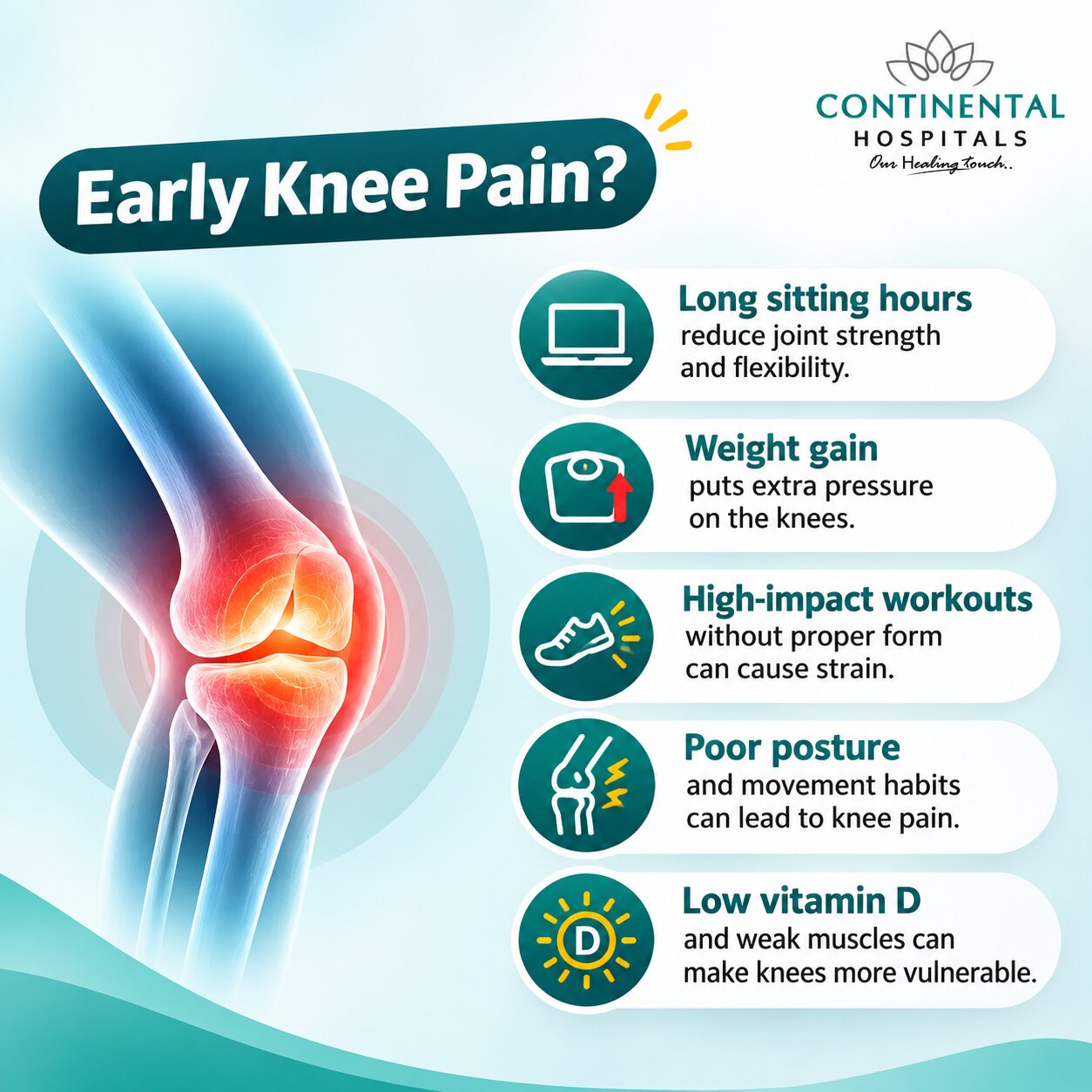
1. Sedentary Lifestyle: Prolonged sitting and lack of physical exercises may lead to weak muscles around the knee that create more stress on the joint.

2. Extra Body Mass: Overweight and obesity put extra stress on the knee joints that makes it painful when a person is walking or climbing.

3. Sports Injuries: Certain sports and exercise routines, such as running, playing football or basketball, and weightlifting, may lead to ligament, cartilage, or muscle damage.

4. Wrong Exercises: Using wrong techniques while doing squats or lifting heavy weights as well as rapid changes in the level of your workouts may be damaging for your knees.

5. Muscle Weakness: Weak muscles of the thigh and hips may negatively impact the condition of the knees.

6. Poor Posture: Wrong sitting, standing, and walking posture may have negative effects on the alignment and movement of the knee.

Second Opinion

7. Old Injuries: Any previous knee injuries may be a reason for recurring pains, stiffness, or instability of the knee joint.

Visit the orthopedic surgeons in Hyderabad at Continental Hospitals, Hyderabad, for expert bone, joint, and musculoskeletal care.

What Are the Early Symptoms of Knee Pain?

How will you tell when it is time to visit a doctor regarding your knee pain? The symptoms of knee pain usually differ based on the root cause of your problem.

Be on the lookout for the following signs:

  • Pain when walking, jogging, and climbing stairs.
  • Swelling in the knee joint area.
  • Stiffness after staying seated for a prolonged period.
  • Inability to bend or extend your knee.
  • Cracking sounds with pain.
  • The sensation that your knee is giving out on you.
  • Pain from exercise and sports activities.

You can experience occasional pain, which disappears through rest, but continuous knee pain must be evaluated.
Is Knee Joint Pain Caused by Prolonged Sitting?

Is your office job at the desk contributing to your joint problems? Yes. Spending extended time sitting can cause muscle tightness and weakening of the hip and knee muscles. Staying in one posture can also make the existing pain in your knee joints aggravated.

Need an Appointment?

For maintaining healthy knee joints:

  • Have some movement breaks while at work.
  • Do not sit for prolonged periods.
  • Perform some stretches.
  • Sit properly.
  • Walk and do exercises regularly.

How Can Young Adults Avoid Knee Pains?

Do some lifestyle modifications help avoid joint pains in the knees? Yes. Being in good physical shape, keeping fit, and avoiding any extra strain can promote healthy knees.

Here are some easy steps:

1. Exercise Regularly: Engage in activities like walking, cycling, swimming, etc.
2. Build up Leg Muscles: Engage in activities advised by doctors or physiotherapists.
3. Remain at a Healthy Body Weight: Being in good body weight decreases the strain on your knees.
4. Wear Correct Footwear: Select shoes that provide proper support while doing physical activities.
5. Warm Up Before Doing Any Physical Activity: Get ready before playing sports, running, etc.
6. Don't Over-exercise: Start slowly and don't exert yourself too much. Give yourself enough time to recover.
7. Practice Good Posture: While sitting, standing, or exercising, be conscious about your posture.

Under What Circumstances Would It Be Advisable to See Your Doctor for Knee Pain?

What situations call for consulting an orthopedic surgeon because of knee pain? It is time to seek medical advice if your knee hurts despite your resting or the pain keeps coming back or hampers your daily activities.

Go see your doctor when you have:

  • Persistent and worsening knee pain.
  • Swelling or redness in your knee.
  • Problems walking and putting pressure on your leg.
  • Instability or locking of your knee.
  • Knee pain after sports injury or accidents.
  • Movement problems with your knee.

Your doctor may want to examine you or order some investigations like x-rays or MRIs based on your condition.

Why Continental Hospitals for Knee Pain Management?

What is the importance of selecting the appropriate hospital in the management of knee pain? Early detection and appropriate management could help identify the underlying cause of joint problems and prevent any further damage.

Continental Hospitals in Hyderabad provides state-of-the-art orthopedic services through qualified orthopedic surgeons, state-of-the-art facilities, superior methods of treatment, and medical professionals who are well versed in their field.

Continental Hospitals has achieved national and international standards in terms of accreditation for healthcare services. The hospitals are accredited by the Joint Commission International (JCI) and National Accreditation Board for Hospitals & Healthcare Providers (NABH).

Continental Hospitals takes an individualized approach towards providing better joint functions to their patients.

Conclusion

Knee pain at an early age is not a natural phenomenon as far as growing old is concerned. There are many factors like one’s lifestyle choices, injury during sports activity, weak muscles, obesity, and even poor exercise routines that can lead to such knee pain. The first signs must be addressed right away and lifestyle changes adopted accordingly.

If you are experiencing pain in your knees along with swelling and stiffness or have trouble moving around, consult our best orthopedic specialist in Hyderabad at Continental Hospitals, Hyderabad for treatment.

Related Blogs:

  1. Knee Pain After Climbing Stairs? Causes and Easy Relief
  2. Knee Pain Without Injury: Why It Starts

Frequently Asked Questions

Young adults can experience knee pain due to several lifestyle and medical factors. Spending long hours sitting can weaken the muscles supporting the knee joint. Lack of physical activity may also reduce joint flexibility. On the other hand, excessive exercise can put pressure on the knee. Sports injuries, muscle strains and ligament damage are common causes. Being overweight can increase stress on the knee joints. Poor posture and incorrect exercise techniques may also contribute to discomfort. Conditions such as patellofemoral pain syndrome can affect younger individuals. Sometimes, knee pain may result from cartilage or meniscus injuries. Ignoring early symptoms can make the condition worse. Maintaining a healthy weight and staying physically active can support knee health. Persistent pain should be evaluated by an orthopedic specialist. Early diagnosis helps identify the cause and guide appropriate treatment.
Knee pain is not always a normal part of growing older. Young adults may experience occasional discomfort after intense physical activity. However, frequent or persistent knee pain should not be ignored. It may indicate an underlying joint or muscle problem. Sports injuries can affect ligaments, tendons and cartilage. Sitting for prolonged periods may also contribute to stiffness. Repetitive movements can put additional pressure on the knee joint. Some young adults develop knee pain due to improper exercise techniques. Conditions such as runner's knee can also cause discomfort. Swelling, stiffness and difficulty walking are symptoms that need attention. Severe pain or an inability to bear weight requires prompt medical assessment. Rest and appropriate exercises may help in mild cases. If symptoms continue, consult an orthopedic specialist. Early treatment can help prevent further joint problems.
Yes, sitting for long periods can contribute to knee discomfort in young adults. Remaining in the same position for extended hours can cause joint stiffness. The muscles around the knees may become less active. Poor sitting posture can also affect joint alignment. Sitting with bent knees for prolonged periods may increase pressure around the kneecap. Office workers and students may experience discomfort after long working or study sessions. Lack of movement can also reduce flexibility. Taking short movement breaks can help reduce stiffness. Gentle stretching may improve flexibility around the knee joint. Regular walking can help maintain muscle strength. Avoid sitting continuously for several hours. Adjust your chair and sitting position for better support. If knee pain continues despite lifestyle changes, seek medical advice. A specialist can identify whether another condition is causing the discomfort.
Yes, excess body weight can increase pressure on the knee joints. The knees support much of the body's weight during daily activities. Walking, climbing stairs and standing can place additional stress on these joints. Being overweight may increase the risk of developing knee pain. It can also contribute to inflammation and joint discomfort. Over time, excessive joint loading may affect cartilage health. Young adults with excess weight may experience discomfort during physical activities. Maintaining a healthy weight can help reduce pressure on the knees. A balanced diet supports overall joint and muscle health. Low-impact activities such as swimming and cycling can help improve fitness. Strengthening the muscles around the knee may provide better joint support. Avoid sudden increases in exercise intensity. Consult a healthcare professional for a suitable weight management plan. Persistent knee pain should be evaluated by an orthopedic specialist.
Yes, certain gym workouts can contribute to knee pain in young adults. Incorrect exercise techniques may put excessive pressure on the knee joints. Heavy squats and lunges performed incorrectly can cause discomfort. Increasing workout intensity too quickly may also lead to overuse injuries. Skipping warm-up exercises can increase the risk of muscle strain. Weak thigh and hip muscles may affect knee stability. Wearing unsuitable footwear can also influence movement patterns. Proper exercise techniques help protect the knee joints. Start with manageable weights and gradually increase intensity. Include warm-up and cool-down exercises in your routine. Strengthening the quadriceps, hamstrings and hip muscles can support knee function. Allow adequate recovery time between intense workouts. Stop exercises that cause sharp or persistent pain. Consult an orthopedic specialist if discomfort continues.
Early knee problems can develop with mild symptoms that gradually become noticeable. Pain while walking or climbing stairs is a common warning sign. Some people experience stiffness after sitting for long periods. Swelling around the knee may indicate inflammation or injury. A clicking or popping sound can sometimes occur with joint movement. However, painless clicking is not always a sign of a problem. Difficulty bending or straightening the knee may indicate joint issues. Some individuals experience weakness or instability while standing. Pain during exercise can also suggest an underlying condition. Redness and warmth around the joint may indicate inflammation. Sudden severe pain or significant swelling needs prompt medical attention. Avoid ignoring symptoms that interfere with daily activities. An orthopedic specialist can evaluate the knee and recommend appropriate investigations. Early treatment can help protect joint function.
Young adults can reduce their risk of knee pain by following healthy lifestyle habits. Regular physical activity helps maintain joint flexibility and muscle strength. Include exercises that strengthen the quadriceps, hamstrings and hip muscles. Warm up properly before playing sports or exercising. Avoid suddenly increasing workout intensity or lifting excessive weights. Maintain a healthy body weight to reduce pressure on the knees. Wear comfortable footwear that provides suitable support. Avoid sitting in the same position for extended periods. Take regular movement breaks during work or study. Practise correct posture while walking, sitting and exercising. Include balanced nutrition to support bone and muscle health. Allow adequate rest after strenuous physical activities. Do not ignore recurring pain or swelling. Seek medical advice when knee discomfort persists or affects daily movement.
You should consult a doctor when knee pain persists or interferes with daily activities. Pain that does not improve with adequate rest needs medical evaluation. Swelling around the knee should not be ignored. Difficulty walking, bending or straightening the knee requires attention. Sudden severe pain following an injury needs prompt assessment. Seek urgent medical care if you cannot bear weight on the affected leg. A knee that appears deformed or becomes unstable also requires immediate evaluation. Redness, warmth and fever with knee swelling may indicate an infection. Repeated episodes of knee pain may suggest an underlying joint condition. An orthopedic specialist can examine the knee and identify the cause. Imaging tests may be recommended when clinically necessary. Treatment may include medication, physiotherapy or other appropriate procedures. Early diagnosis can help prevent complications. Do not delay consultation when symptoms become severe or persistent.
Disclaimer: The information provided in this blog is intended for general knowledge and informational purposes only, and does not constitute medical advice. Always consult with a qualified healthcare professional for any medical concerns or before making any decisions about your health.

Get in Touch With Us

Whether you are from India or abroad, we are here to help you with your medical queries. Please fill out the form below and our team will connect with you shortly.

  • ✔ Quick response from our medical experts
  • ✔ Secure data handling & privacy
  • ✔ Easy upload for reports & documents
banner_image

Chat with our medical experts on WhatsApp for quick assistance and hassle-free appointment booking

Recent Posts