.webp)

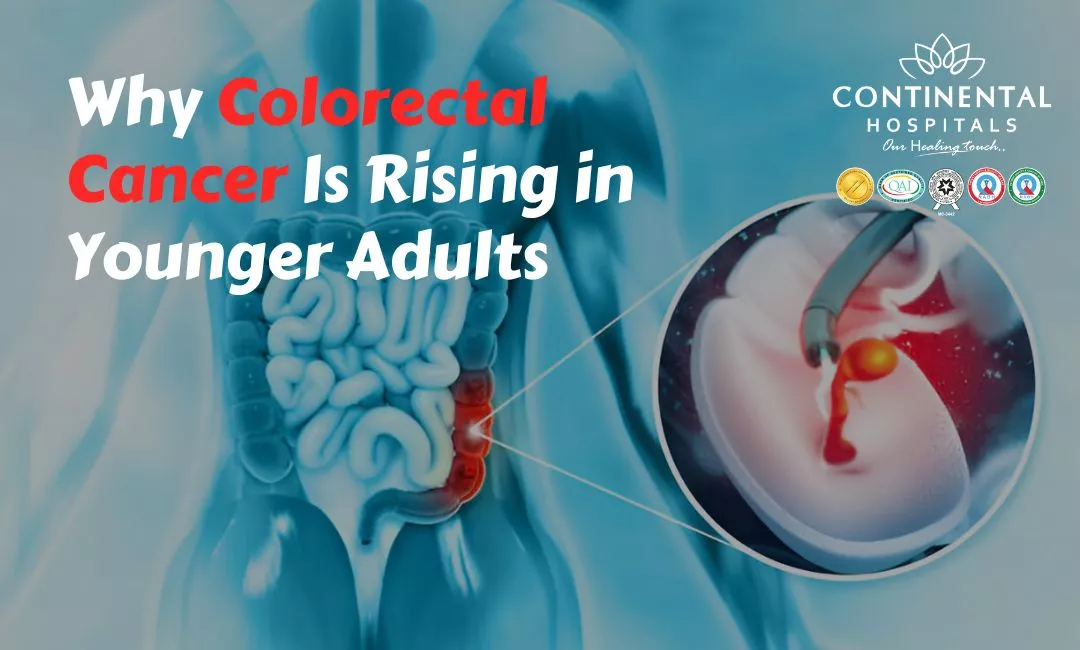
Colorectal cancer, traditionally seen as an older person’s disease, is now becoming increasingly common among younger adults. This shift is concerning for both medical professionals and the general public, as it challenges previous expectations about who is at risk for this type of cancer. April, being Colorectal Cancer Awareness Month, offers an important opportunity to learn more about this rising trend, the possible causes, and what can be done to address it.
Why is colorectal cancer increasing in younger adults?
Colorectal cancer is cancer that starts in the colon or rectum, both parts of the large intestine. It’s one of the leading causes of cancer-related deaths worldwide. But in the past few decades, health experts have noticed a troubling trend: more and more adults under the age of 50 are being diagnosed with the disease.
Historically, colorectal cancer was most common in people aged 50 and older, but recent studies have shown a rise in cases among those younger than 50, with diagnoses increasing by approximately 2% every year. In fact, colorectal cancer is now one of the leading causes of cancer in people aged 20-49 in countries like the U.S. and India.
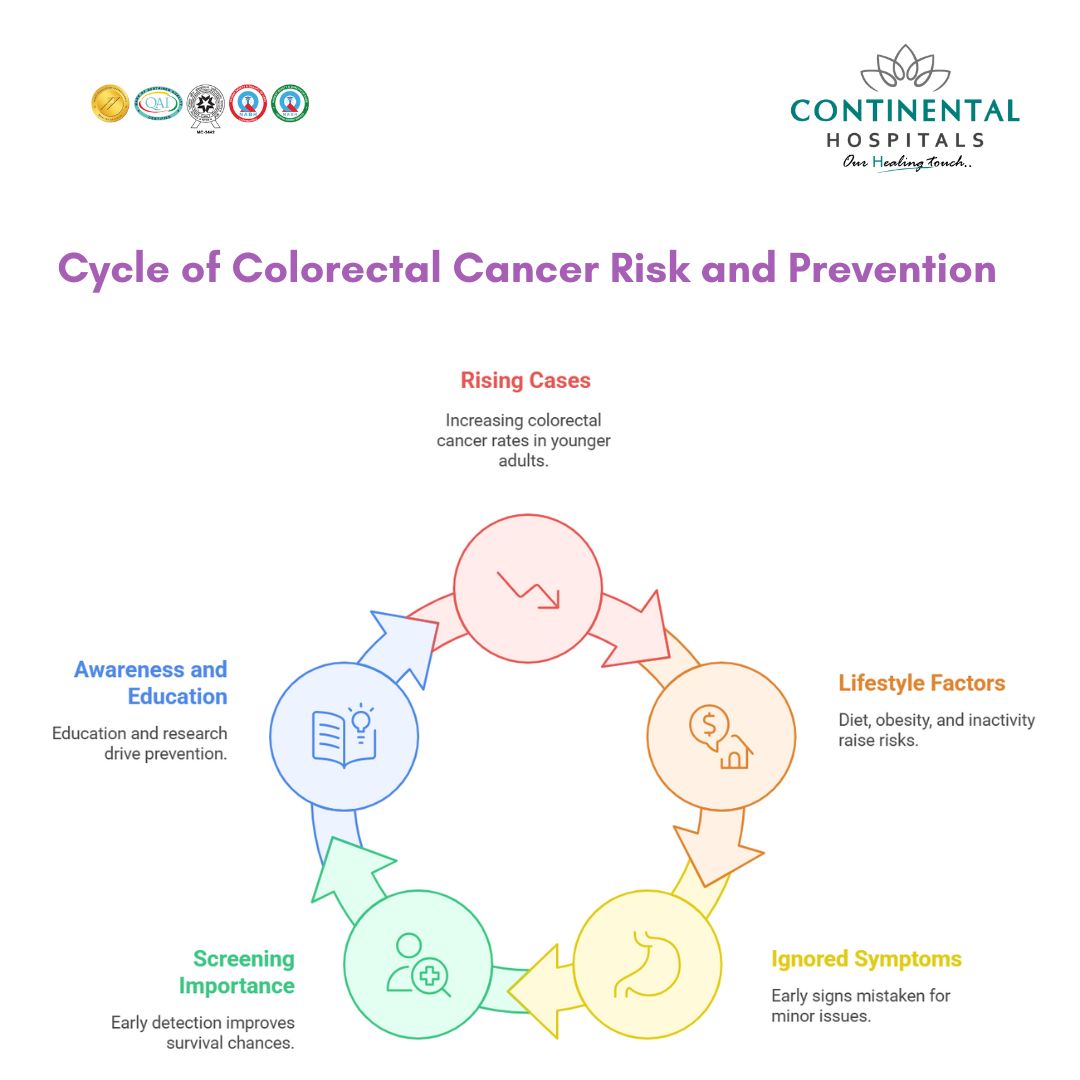
What Are the Causes of Rising Colorectal Cancer in Younger Adults?
While the exact reasons for this increase remain unclear, several factors may contribute to the rise in colorectal cancer cases among younger adults. These include lifestyle changes, genetics, and diet, as well as the possibility of environmental factors influencing the disease's development.
1. Changes in Diet and Lifestyle
The modern lifestyle has shifted in ways that may increase the risk of colorectal cancer. Many young adults today follow diets high in processed foods, red meats, and sugars while often lacking fiber, fruits, and vegetables. This poor diet can contribute to the development of colorectal cancer.
Moreover, sedentary lifestyles, with limited physical activity, can also play a significant role. Lack of exercise is linked to higher rates of obesity, which is another risk factor for developing colorectal cancer.
2. Obesity and Excess Weight
Obesity rates have skyrocketed in younger populations, and this is one of the most significant risk factors for colorectal cancer. The connection between obesity and colorectal cancer is well-documented, with studies showing that excess fat can contribute to inflammation and changes in hormones that increase the likelihood of cancer.
3. Genetics and Family History
Colorectal cancer can sometimes run in families due to inherited gene mutations. Younger adults who have a family history of colorectal cancer or inherited conditions like familial adenomatous polyposis (FAP) or Lynch syndrome may be at a greater risk.

Even those without a direct family history of colorectal cancer may be at higher risk if other cancers or chronic diseases are present in their family history. Genetic counseling and screening are recommended for people with a family history of colorectal cancer.
4. Environmental Factors and Pollution
Environmental factors, including exposure to toxins and pollution, have been linked to an increased risk of cancer. Young adults living in urban areas with high pollution levels may be more likely to develop colorectal cancer compared to those in rural areas.
In addition, chemical exposures, including pesticides, have been suggested as potential contributors to this rising trend. However, more research is needed to fully understand how these environmental factors may influence cancer rates.
5. Delayed Diagnosis and Awareness
One possible explanation for the increase in diagnoses among younger adults is a delay in awareness. Many people don’t realize that colorectal cancer can affect younger individuals, so symptoms may go unnoticed or be dismissed for other conditions.
Symptoms such as abdominal pain, changes in bowel habits, blood in stool, and unexplained weight loss can be easily overlooked or mistaken for less serious issues. This lack of awareness can lead to a delay in seeking medical advice and, ultimately, a delayed diagnosis.
If you are experiencing symptoms or are concerned about your risk of colorectal cancer, visit our Best Oncology Doctors in Hyderabad for expert evaluation, advanced diagnosis, and personalized care.
What Are the Early Symptoms of Colorectal Cancer?
Early detection of colorectal cancer is crucial, as it greatly improves treatment outcomes. Here are some common signs and symptoms to watch out for:
Changes in Bowel Habits: Frequent diarrhea or constipation, or a change in the consistency of your stool.
Blood in Stool: You may notice bright red or dark blood in your stool or on the toilet paper.
Abdominal Pain: Persistent discomfort, cramps, or bloating.
Unexplained Weight Loss: Losing weight without trying can be a sign of many health conditions, including colorectal cancer.
Fatigue: Feeling unusually tired, even with adequate rest.
If you experience any of these symptoms, it’s essential to see a healthcare professional for proper evaluation and screening.
Should younger adults get screened for colorectal cancer?
Because colorectal cancer is often preventable or treatable if caught early, screening is a key aspect of reducing risk. While screening is traditionally recommended for individuals over 50, those with a family history or increased risk factors may need to start screening earlier.
Common screening tests include:
Colonoscopy: A procedure where a doctor examines the inside of your colon and rectum for signs of cancer or precancerous growths.
Fecal Occult Blood Test (FOBT): A simple test that checks for hidden blood in the stool, which can be a sign of cancer.
Stool DNA Test: This test looks for abnormal DNA in stool samples that could indicate the presence of cancer or precancerous polyps.
If you are at higher risk, your doctor may recommend more frequent screenings. Early detection through these tests can help identify precancerous growths, which can be removed before they develop into cancer.
How Can You Reduce Your Risk of Colorectal Cancer?
While some risk factors, such as age and family history, cannot be changed, there are several lifestyle modifications you can make to reduce your risk of colorectal cancer:
Eat a Healthy Diet: Focus on eating plenty of fruits, vegetables, and whole grains. Limit processed foods, red meat, and high-fat foods.
Exercise Regularly: Physical activity can help reduce your risk by maintaining a healthy weight and promoting digestive health.
Quit Smoking and Limit Alcohol: Both smoking and heavy drinking are associated with a higher risk of colorectal cancer.
Maintain a Healthy Weight: Reducing excess weight can decrease your chances of developing colorectal cancer.
Get Screened: If you are at higher risk, start regular screenings earlier, as recommended by your doctor.
Conclusion: Take Action Today
The rising incidence of colorectal cancer in younger adults is a concerning trend, but with increased awareness, early detection, and healthier lifestyle choices, the risk can be reduced. By paying attention to your health and talking to your doctor about screening and prevention, you can help protect yourself from this potentially life-threatening disease.
If you are experiencing symptoms or are concerned about your risk for colorectal cancer, don’t wait. Contact our best oncologist in Gachibowli at Continental Hospitals today.
Related Blog Topics: