post-title

Why Do You Always Feel Constipated?

Written by - Editorial Team
Medically Reviewed by - Dr Guru N Reddy

Constant constipation can be frustrating and uncomfortable. If you're regularly feeling bloated, sluggish, or experiencing difficulty in bowel movements, you’re not alone. Constipation is one of the most common digestive complaints among adults. But why does it happen so often, and more importantly, how can you find lasting relief?

This blog breaks down the reasons behind chronic constipation, signs to watch for, and practical steps you can take to ease discomfort. Whether you're dealing with irregular bowel movements or looking for constipation remedies, we’ve simplified the facts to help you take control of your gut health.

What Is Chronic Constipation?

Chronic constipation means having infrequent bowel movements or difficulty passing stool for several weeks or longer. It's more than just an occasional issue—it becomes a consistent pattern that affects your daily comfort and quality of life.

If you often find yourself wondering, “Why am I always constipated?”, it’s time to dig deeper into the possible causes.

If you're experiencing persistent constipation or ongoing digestive discomfort, visit our gastroenterology specialist doctors at Continental Hospitals. Our expert team provides advanced diagnosis and personalized treatment to help restore your digestive health.
What are the common causes of constipation?

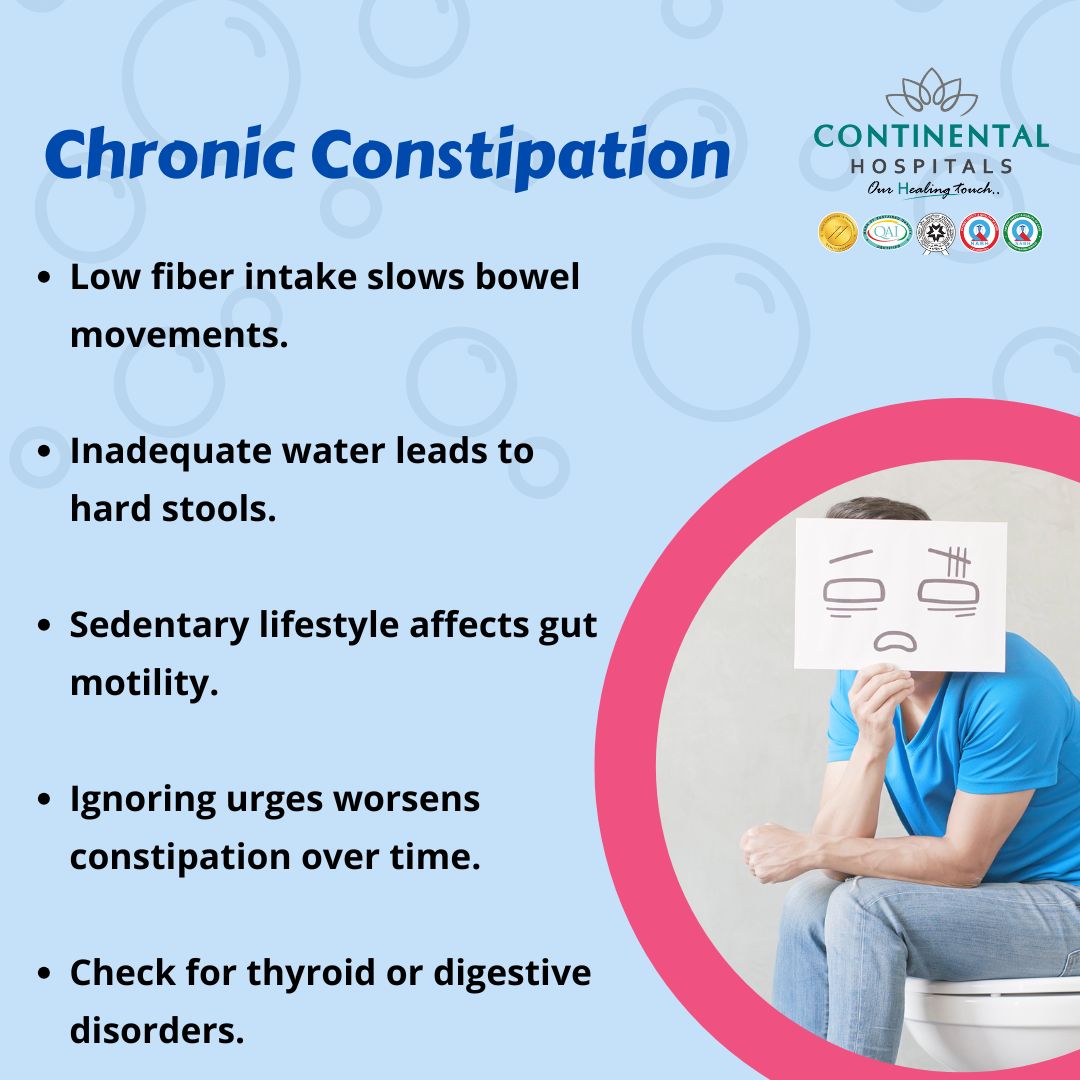
There isn’t one single cause of constipation. It often results from a combination of lifestyle, dietary habits, and health conditions. Here are some key factors:

1. Low Fiber Diet
A diet low in fiber is one of the biggest triggers of constipation. Fiber adds bulk to your stool and helps it move smoothly through your intestines. Without enough fiber, stools become hard and difficult to pass.

Tip: Include more fruits, vegetables, whole grains, and legumes in your meals to support digestion.

Second Opinion

2. Lack of Hydration
Constipation and dehydration are closely linked. Your body needs enough water to soften the stool and keep your digestive system running efficiently. When you’re not drinking enough fluids, stools can become dry and difficult to pass.

3. Ignoring the Urge to Go
Holding in a bowel movement repeatedly can lead to slower intestinal activity over time. This can eventually cause irregular bowel movements and chronic constipation.

4. Sedentary Lifestyle
Physical inactivity slows down your metabolism and bowel movements. Sitting for long periods without any movement can worsen constipation symptoms.

5. Changes in Routine
Travel, stress, or changes in sleep and eating schedules can disrupt your digestive rhythm and lead to constipation in adults.

6. Medical Conditions and Medications
Certain health conditions like diabetes, thyroid disorders, irritable bowel syndrome (IBS), and neurological issues can contribute to digestive issues and constipation. Some medications, including painkillers, antidepressants, and antacids, may also slow down bowel movements.

What are the symptoms of constipation?

How do you know if you’re truly constipated or just experiencing a short-term issue? Watch for these signs:

  • Fewer than three bowel movements per week
  • Hard, dry, or lumpy stools
  • Straining while passing stool
  • A feeling of incomplete evacuation
  • Bloating and constipation discomfort
  • Abdominal cramps or pain

If these symptoms persist, you may be experiencing chronic constipation and should consider treatment options.

Need an Appointment?

How Does Constipation Affect Gut Health?

Long-term constipation doesn’t just cause discomfort—it can affect your overall gut health. When waste stays in your colon too long, it can lead to:

  • Excessive gas and bloating
  • Poor nutrient absorption
  • Imbalance in gut bacteria
  • Hemorrhoids or anal fissures due to straining

Maintaining a healthy gut is essential for smooth digestion and overall wellness. Constipation is often a signal that your digestive system needs attention.

How can I get relief from constipation naturally?

Here are practical and effective ways to manage and prevent constipation:

1. Boost Your Fiber Intake
Gradually add more high-fiber foods to your diet. Include options like oats, chia seeds, lentils, apples, and spinach. A sudden increase may cause gas, so ease into it slowly.

2. Stay Well-Hydrated
Drink plenty of water throughout the day. Warm liquids, especially in the morning, can also help stimulate digestion.

3. Exercise Regularly
Even simple activities like walking or yoga can promote healthy bowel movements.

4. Create a Routine
Try to use the bathroom at the same time each day, preferably after a meal. Respond to natural urges without delay.

5. Limit Processed Foods
Cut back on junk food, fried snacks, and high-fat dairy products that can slow down digestion.

6. Try Natural Remedies
Mild natural remedies like prunes, warm lemon water, or psyllium husk (ispaghol) may support smoother bowel movements.

7. Monitor Stress Levels
Stress can disrupt your digestive system. Practice relaxation techniques like meditation or deep breathing to help your gut function more efficiently.

When Should I See a Doctor for Constipation?

If lifestyle changes aren’t helping or your constipation becomes severe, it’s time to consult a specialist. Seek medical help if you experience:

  • Constipation lasting more than 2–3 weeks
  • Blood in stools
  • Unexplained weight loss
  • Intense abdominal pain
  • Vomiting along with constipation

You may need further evaluation to rule out underlying conditions or get specialized constipation treatment.

Why Choose Continental Hospitals for Digestive Health?

At Continental Hospitals, we understand how digestive issues like constipation can disrupt your life. Our expert team of gastroenterologists specializes in diagnosing and treating all forms of chronic constipation with personalized care plans.

From advanced diagnostics to dietary counseling and minimally invasive procedures when needed, we provide comprehensive digestive care under one roof. We focus on long-term relief and better gut health—not just temporary fixes.

Our modern facilities, experienced specialists, and patient-first approach make us one of the trusted destinations for constipation treatment and gastrointestinal care in Hyderabad.

Conclusion

Constipation may seem like a minor issue, but if you find yourself constantly bloated, sluggish, or struggling in the bathroom, it’s time to take action. A few lifestyle changes like eating a high-fibre diet, staying hydrated, and being active can go a long way.

However, if symptoms persist, don’t ignore them. Chronic constipation may signal an underlying digestive issue that requires professional care.

If you suffer from persistent constipation or other digestive issues, consult our best gastroenterologist in hyderabad at Continental Hospitals. Our experts are here to help you regain control of your gut health and improve your quality of life.

Related Blogs:

Constipation Daily? Foods That Help Improve Digestion

Frequently Asked Questions

Feeling constipated despite eating regular meals can happen for several reasons. A diet low in fiber, inadequate water intake, lack of physical activity, or ignoring the urge to have a bowel movement are common causes. Some medications, stress, hormonal changes, and medical conditions such as hypothyroidism, irritable bowel syndrome, or diabetes can also contribute to chronic constipation. Eating regularly does not always guarantee healthy bowel movements if your digestive system is not functioning efficiently. Your gut also depends on healthy bacteria, sufficient hydration, and proper muscle contractions to move stool through the intestines. If constipation lasts for several weeks, becomes severe, or is associated with pain, bleeding, or weight loss, it is important to seek medical evaluation. Identifying the underlying cause is essential for effective treatment and long-term relief.
Chronic constipation can develop due to a combination of lifestyle habits and medical conditions. Common causes include eating a low-fiber diet, drinking insufficient water, physical inactivity, delaying bowel movements, and prolonged stress. Certain medications, including painkillers, iron supplements, antidepressants, and calcium channel blockers, may also slow bowel function. Medical conditions such as hypothyroidism, Parkinson's disease, diabetes, and irritable bowel syndrome can contribute to persistent constipation. Pregnancy and aging may further increase the risk due to hormonal and muscle changes. In some cases, structural problems in the colon or rectum can interfere with normal bowel movements. A proper medical evaluation helps determine the exact cause and guides the most appropriate treatment plan.
Occasional constipation is common, but persistent constipation should not be ignored. You should seek medical attention if constipation lasts longer than three weeks, becomes progressively worse, or is accompanied by severe abdominal pain, vomiting, blood in the stool, unexplained weight loss, or persistent bloating. Pencil-thin stools or a sudden change in bowel habits without an obvious reason may also require evaluation. These symptoms could indicate an underlying digestive disorder that needs prompt diagnosis. Your doctor may recommend blood tests, imaging, or a colonoscopy depending on your age, symptoms, and medical history. Early diagnosis can help identify treatable conditions before complications develop.
Yes, stress and anxiety can significantly affect digestive health and contribute to constipation. The gut and brain communicate continuously through the gut-brain axis. During periods of stress, digestion may slow down, reducing the movement of stool through the intestines. Stress can also change eating habits, reduce water intake, disturb sleep, and decrease physical activity, all of which can worsen constipation. Some individuals may also develop irritable bowel syndrome with constipation as the predominant symptom. Managing stress through relaxation techniques, regular exercise, adequate sleep, and mindfulness may improve bowel function. If symptoms continue despite lifestyle changes, medical evaluation is recommended to rule out other causes.
Foods rich in dietary fiber are among the best natural remedies for constipation. Fruits such as apples, pears, berries, oranges, and prunes can promote regular bowel movements. Vegetables including spinach, broccoli, carrots, and beans are also excellent choices. Whole grains such as oats, brown rice, and whole wheat products increase stool bulk and support healthy digestion. Seeds like flaxseeds and chia seeds provide additional fiber and healthy fats. Drinking enough water is essential because fiber works best when combined with adequate hydration. Fermented foods such as yogurt with probiotics may also improve gut health. A gradual increase in fiber intake is recommended to prevent gas and bloating.
Yes, persistent constipation can sometimes indicate an underlying digestive or medical condition. Disorders such as irritable bowel syndrome, inflammatory bowel disease, colorectal polyps, colorectal cancer, or intestinal obstruction may present with constipation. Hormonal disorders, neurological diseases, and pelvic floor dysfunction can also interfere with normal bowel movements. Although most cases are caused by lifestyle factors, long-lasting constipation should never be ignored. Your doctor may recommend tests such as blood investigations, imaging studies, or colonoscopy to identify the underlying cause. Early diagnosis allows timely treatment and reduces the risk of complications. Anyone with alarming symptoms such as rectal bleeding, anemia, or unexplained weight loss should seek immediate medical attention.
You should consult a gastroenterologist if constipation persists for more than three weeks despite dietary and lifestyle changes. Frequent dependence on laxatives, severe abdominal pain, bloating, rectal bleeding, unexplained weight loss, or a family history of colorectal cancer also warrant specialist evaluation. A gastroenterologist can identify whether your symptoms are related to functional constipation, irritable bowel syndrome, or another digestive condition. Advanced diagnostic tests may be recommended if necessary. Early evaluation helps prevent complications and ensures appropriate treatment. Personalized dietary advice, medications, and specialized therapies can significantly improve long-term bowel health and quality of life.
Preventing constipation involves adopting healthy daily habits that support digestive function. Aim to eat plenty of fiber-rich fruits, vegetables, legumes, and whole grains while drinking adequate water throughout the day. Regular physical activity stimulates intestinal movement and promotes normal bowel function. Respond promptly to the natural urge to have a bowel movement rather than delaying it. Limiting processed foods and maintaining a consistent meal schedule may also help. Managing stress and getting sufficient sleep contribute to overall digestive health. If constipation continues despite these measures, consult a healthcare professional for a thorough evaluation and personalized treatment plan.
Disclaimer: The information provided in this blog is intended for general knowledge and informational purposes only, and does not constitute medical advice. Always consult with a qualified healthcare professional for any medical concerns or before making any decisions about your health.

Get in Touch With Us

Whether you are from India or abroad, we are here to help you with your medical queries. Please fill out the form below and our team will connect with you shortly.

  • ✔ Quick response from our medical experts
  • ✔ Secure data handling & privacy
  • ✔ Easy upload for reports & documents
banner_image

Chat with our medical experts on WhatsApp for quick assistance and hassle-free appointment booking

Recent Posts