.webp)

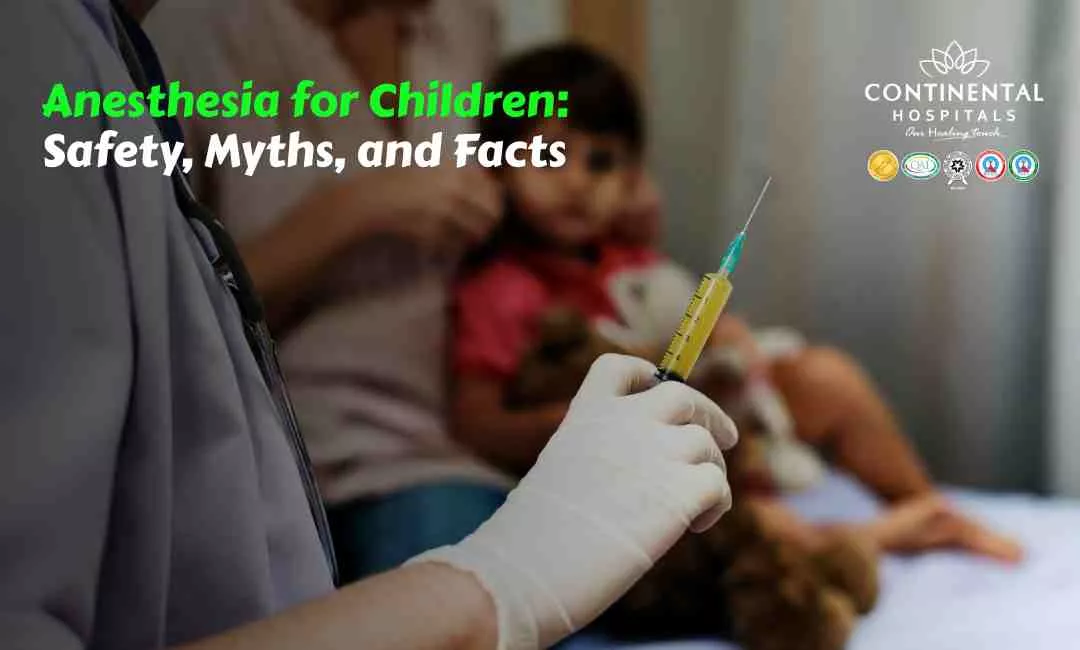
When a child needs surgery or a medical procedure, one of the biggest concerns for parents is anesthesia. Many parents ask questions like Is anesthesia safe for my child? Will my child feel pain? Can anesthesia affect brain development? These worries are natural, especially when it comes to young children. Understanding the facts about pediatric anesthesia can help parents feel more confident and prepared.
What Is Anesthesia and Why Is It Used in Children?
Anesthesia is a medical method used to prevent pain and discomfort during surgeries or procedures. In children, anesthesia helps them stay calm, still, and pain free during treatments that would otherwise be frightening or painful.
Doctors may recommend anesthesia for:
- Surgeries like hernia repair, tonsil removal, or appendicitis
- Diagnostic tests such as MRI or CT scans where a child must remain still
- Dental procedures
- Emergency treatments after injuries
Anesthesia allows doctors to perform procedures safely while ensuring the child does not experience pain or distress.
Types of Anesthesia Used in Children
Different types of anesthesia are used depending on the child’s age, health, and the procedure.
General Anesthesia
The child is fully asleep and does not feel or remember the procedure. This is commonly used for surgeries.
Regional Anesthesia
Only a specific part of the body is numbed. It is sometimes used along with general anesthesia to reduce pain after surgery.
Local Anesthesia
A small area is numbed for minor procedures.

Sedation
The child is relaxed and sleepy but not completely unconscious. This is often used for tests or minor procedures.
A pediatric anesthesiologist carefully decides the safest option for each child.
Is Anesthesia Safe for Children?
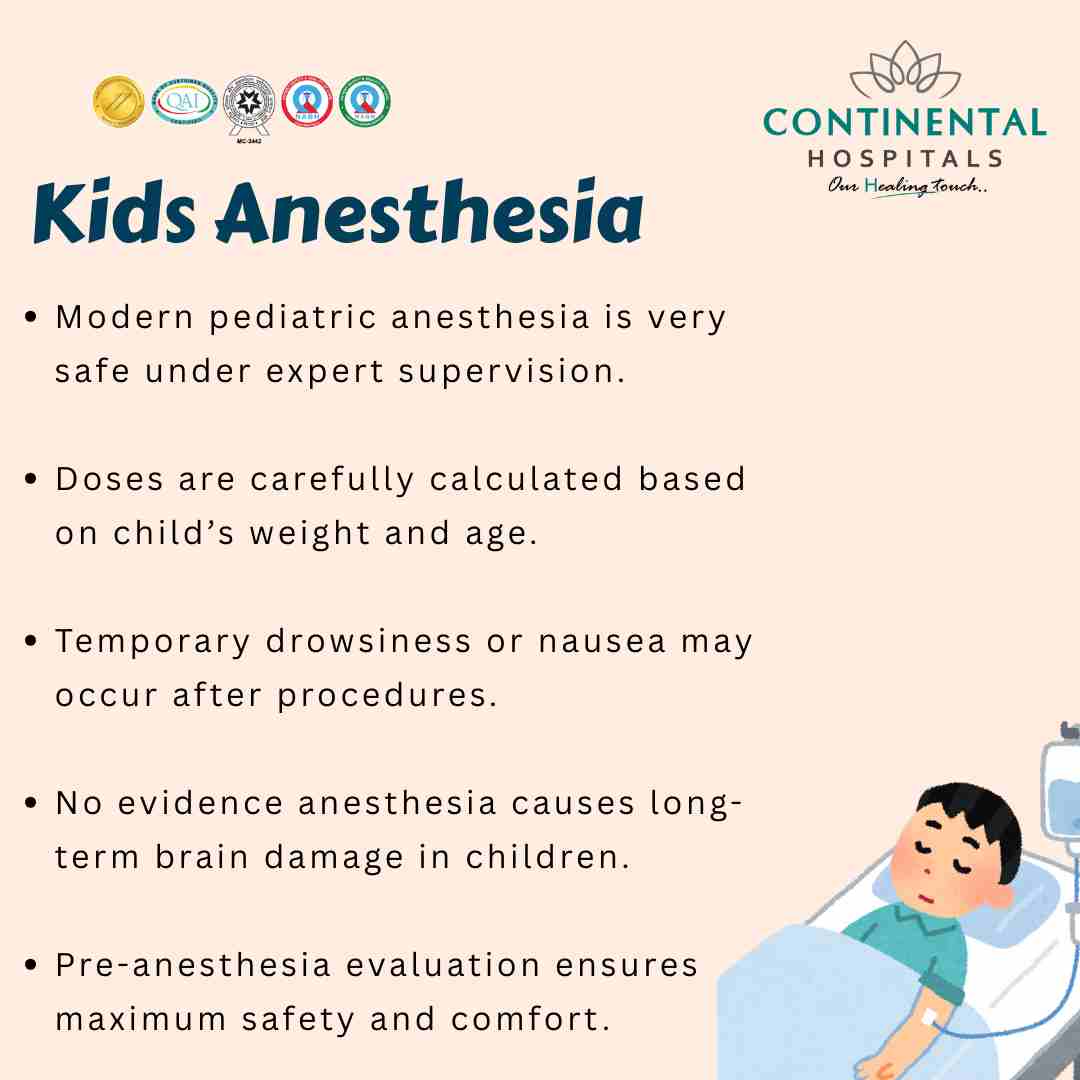
Yes. Modern anesthesia is very safe for children when given by trained specialists. Pediatric anesthesiologists are doctors who focus only on anesthesia for infants, children, and teenagers. They understand how a child’s body reacts differently compared to adults.
Safety is ensured through:
- Detailed pre anesthesia evaluation
- Age and weight based medication dosing
- Continuous monitoring of heart rate, breathing, blood pressure, and oxygen levels
- Advanced equipment designed for children
At a leading center like Continental Hospitals, anesthesia care follows strict international safety protocols, making it one of the most trusted options for pediatric care and a preferred choice for families looking for the best hospital in Hyderabad.
Common Myths About Anesthesia in Children
Myth 1: Anesthesia causes permanent brain damage
Fact: Extensive research shows that anesthesia used for necessary procedures is safe. Doctors carefully avoid unnecessary exposure and choose the safest techniques for each age group.
Myth 2: Children can wake up during surgery
Fact: With modern monitoring and medication, this is extremely rare. Anesthesiologists continuously adjust anesthesia levels to keep the child safely asleep.
Myth 3: Anesthesia is more dangerous for small children
Fact: While infants and young children need specialized care, trained pediatric anesthesiologists are experts in managing anesthesia safely at all ages.
Myth 4: Children feel pain during anesthesia
Fact: Anesthesia blocks pain signals. Children do not feel pain during surgery and are given proper pain relief after the procedure as well.
How Doctors Ensure Safety Before Anesthesia?
Before anesthesia, the medical team conducts a thorough assessment. This includes:
- Reviewing the child’s medical history
- Asking about allergies or previous reactions
- Checking for recent illnesses like cold or fever
- Physical examination
- Instructions about fasting before anesthesia
Parents are encouraged to ask questions like:
- Why is this type of anesthesia chosen?
- What side effects should I expect?
- How long will recovery take?
Clear communication helps build trust and ensures the best care.
What Happens After Anesthesia?
After the procedure, the child is moved to a recovery area where doctors and nurses closely monitor them. Some common and temporary effects include:
- Sleepiness
- Mild nausea or vomiting
- Sore throat
- Confusion for a short time
These effects usually wear off within a few hours. Parents are given clear instructions for home care, including food, activity, and medicines.
When should parents call the doctor?
- If the child has persistent vomiting
- If there is breathing difficulty
- If pain is not controlled
- If the child seems unusually drowsy for a long time
Anesthesia and Long Term Development
Many parents worry about long term effects on learning or behavior. Current medical evidence shows that anesthesia for necessary procedures does not harm a child’s intelligence or development. Doctors carefully balance risks and benefits, and delaying needed surgery can sometimes be more harmful than anesthesia itself.
Why Choose Continental Hospitals for Pediatric Anesthesia?
Continental Hospitals is recognized as one of the best hospital in Hyderabad for advanced and safe pediatric care. The hospital combines medical expertise with child friendly support to ensure comfort and safety.
Key strengths include:
- Experienced pediatric anesthesiologists
- Advanced operation theatres with child specific monitoring systems
- International standards of patient safety
- NABH and JCI accredited hospital facilities
- Multidisciplinary pediatric care under one roof
- Strict infection prevention and patient safety protocols
The hospital follows global best practices, ensuring parents feel confident that their child is in safe hands.
Important Points for Parents to Remember
- Anesthesia is essential for pain free and safe procedures
- Pediatric anesthesia is different from adult anesthesia
- Most side effects are temporary and manageable
- Open communication with doctors improves safety
- Choosing an experienced hospital reduces risks
Conclusion
Anesthesia for children is safe, well regulated, and carefully managed by trained specialists. Most fears are based on myths rather than medical facts. With modern techniques, strict monitoring, and experienced doctors, children undergo procedures comfortably and recover smoothly.
At Continental Hospitals, parents receive transparent information, compassionate care, and the highest safety standards. This commitment makes it a trusted destination for families seeking quality pediatric treatment.
If your child is scheduled for surgery or a medical procedure and you are worried about anesthesia, consult our best pediatric anesthesiologist at Continental Hospitals. Our specialists are here to guide you, answer your questions, and ensure your child’s comfort and safety every step of the way.