.webp)

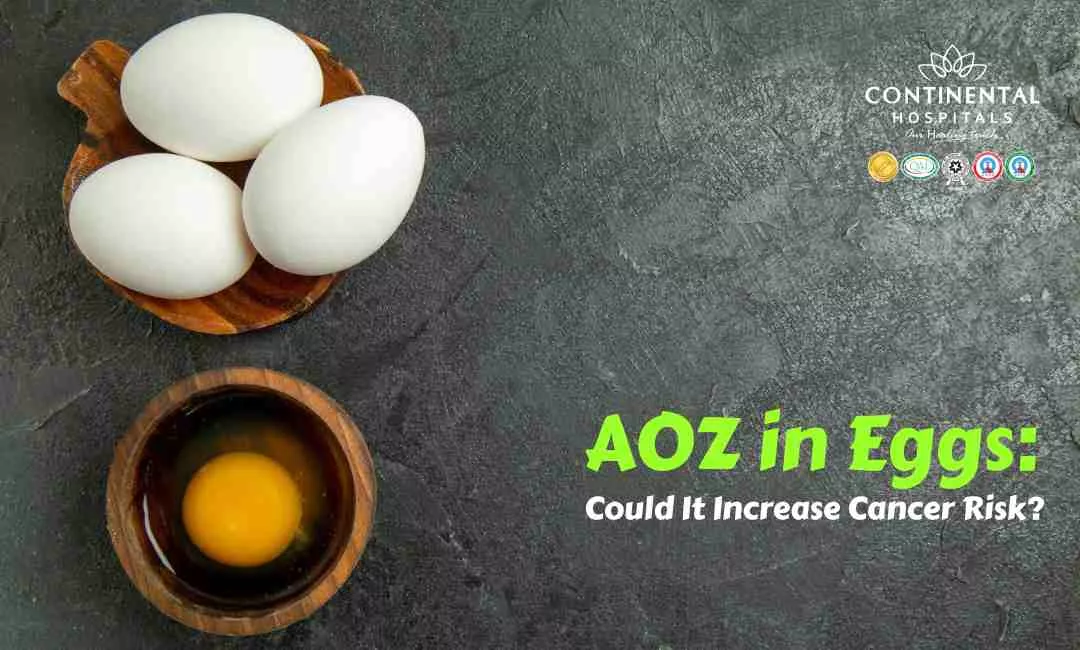
Eggs are a daily staple in many Indian homes. They are affordable, rich in protein, and easy to cook. But in recent years, concerns about AOZ in eggs and antibiotic residues in eggs have raised important food safety questions. Many people are asking a simple but serious question: Could AOZ in eggs increase cancer risk?
What Is AOZ?
AOZ stands for 3 Amino 2 oxazolidinone. It is a chemical residue formed when a banned veterinary antibiotic called nitrofurazone breaks down in the body of poultry.
Nitrofurazone was once used to prevent infections in chickens. Due to safety concerns, it is banned in many countries for use in food producing animals. However, traces can still appear due to illegal use or contaminated feed.
AOZ is important because it remains in animal tissues for a long time and is difficult to remove by cooking.
Worried about antibiotic residues or unexplained symptoms? Consult our best General Physician department at Continental Hospitals.
How Does AOZ Enter Eggs?
AOZ can enter eggs when laying hens are exposed to nitrofurazone directly or indirectly.
Common pathways include:
- Use of banned antibiotics in poultry farming
- Contaminated poultry feed
- Poor monitoring and regulation at farms
- Lack of withdrawal period before eggs are sold
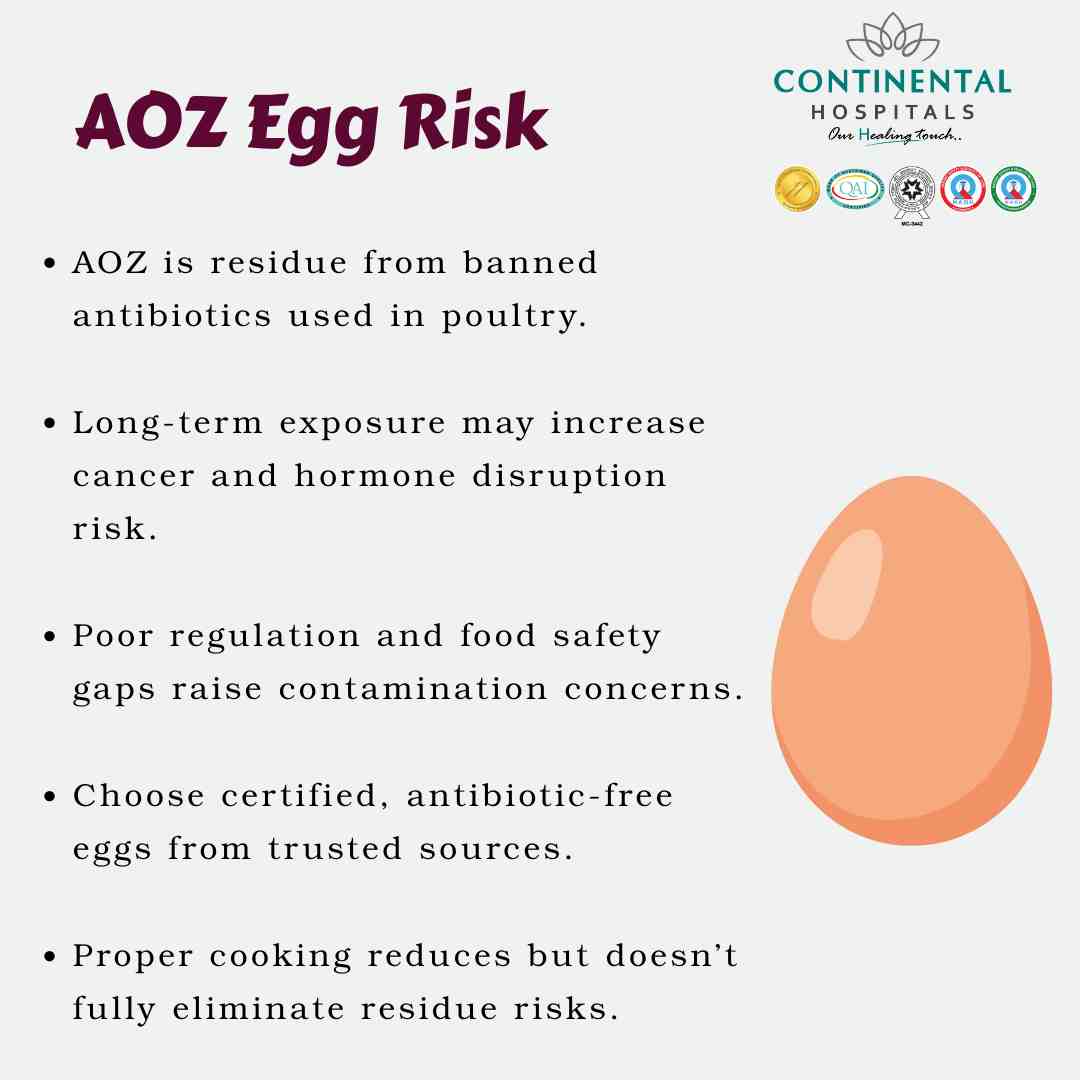
Once present, AOZ binds to proteins in the egg and can remain even after boiling or frying.

Why Is AOZ in Eggs a Health Concern?
AOZ belongs to a group of chemicals known as nitrofuran residues. These compounds have raised global concern due to their potential long term health effects.
Key reasons AOZ is considered risky include:
- It is not easily broken down by the body
- It may damage DNA at a cellular level
- Long term exposure may increase cancer risk
- Children and pregnant women may be more vulnerable
Food safety agencies treat AOZ as a zero tolerance substance, meaning even small amounts are taken seriously.
AOZ in Eggs and Cancer Risk: What Does Science Say?
The question many consumers ask is simple: Does AOZ cause cancer?
Research on animals has shown that nitrofuran metabolites, including AOZ, may have carcinogenic potential when exposure occurs over a long period. This means they may increase the risk of cancer by causing genetic damage.
Important points to understand:
- Most evidence comes from laboratory and animal studies
- Long term exposure is the main concern, not occasional intake
- Regulatory bodies ban these substances to reduce cumulative risk
While direct human studies are limited, food safety authorities follow the precautionary principle to protect public health.
Who May Be at Higher Risk?
Certain groups may be more sensitive to the effects of food contamination.
Higher risk groups include:
- Children with developing immune systems
- Pregnant women
- Elderly individuals
- People with weakened immunity
Those consuming eggs daily over long periods
This does not mean eggs must be avoided entirely. It means choosing safe sources is important.
Common Signs of Long Term Food Residue Exposure
Antibiotic residues do not cause immediate symptoms. Effects are often silent and develop slowly.
Possible concerns include:
- Increased antibiotic resistance
- Hormonal imbalance
- Liver stress
- Gut microbiome disruption
- Long term cancer risk with repeated exposure
If you experience unexplained digestive issues, fatigue, or frequent infections, should food quality be reviewed as part of your health assessment?
Eggs and Food Safety: What Can Consumers Do?
Consumers play a key role in reducing risk from contaminated foods.
Practical steps include:
- Buy eggs from trusted and regulated sources
- Prefer brands with quality certifications
- Avoid very cheap eggs from unknown vendors
- Store eggs properly to prevent bacterial growth
- Maintain a balanced diet instead of relying on one food source
Can cooking remove AOZ? Unfortunately, no. AOZ is heat stable, which means food safety starts at the farm, not in the kitchen.
Why Antibiotic Residues in Eggs Matter Beyond Cancer?
Cancer risk is one concern, but not the only one.
Other health impacts of poultry antibiotic misuse include:
- Antibiotic resistance making infections harder to treat
- Allergic reactions in sensitive individuals
- Disturbance of gut health
- Reduced effectiveness of essential medicines
This is why strict regulation and consumer awareness are equally important.
Should You Stop Eating Eggs?
Eggs remain a valuable source of protein, vitamins, and minerals. The issue is not eggs themselves but unsafe farming practices.
Instead of avoiding eggs completely, ask:
- Are the eggs sourced responsibly?
- Are regulatory standards being followed?
- Is there transparency in food production?
A varied diet reduces dependence on any single food and lowers cumulative exposure risk.
When Should You See a Doctor?
If you are worried about food contamination or experiencing unexplained symptoms, medical advice is important.
Consult a doctor if you have:
- Persistent digestive discomfort
- Unexplained weight loss
- Chronic fatigue
- Liver related symptoms
- Concerns about long term exposure to food residues
Early evaluation helps identify risks and reassures patients with accurate information.
How Doctors Assess Food Related Health Risks
Doctors may evaluate:
- Dietary history
- Exposure patterns
- Blood and liver function tests
- Gut health indicators
- Overall lifestyle factors
Not every symptom is linked to food residues, but professional evaluation ensures clarity and peace of mind.
Why Choose Continental Hospitals?
Continental Hospitals is recognized as one of the best hospitals in Hyderabad, known for its strong focus on patient safety, preventive healthcare, and clinical excellence.
Key reasons patients trust Continental Hospitals:
- International healthcare standards
- Advanced diagnostic facilities
- Experienced physicians across specialties
- Strong infection control and antibiotic stewardship practices
- Commitment to patient education and food safety awareness
Our doctors emphasize prevention, early detection, and evidence based guidance for long term health.
Conclusion
AOZ in eggs is a food safety issue that deserves attention, not panic. Scientific evidence suggests that long term exposure to nitrofuran residues may increase cancer risk, which is why strict regulations exist worldwide.
Choosing safe food sources, maintaining dietary balance, and staying informed are practical steps every family can take. When concerns arise, medical guidance helps separate facts from fear.
Consult our best General Physician at Continental Hospitals for expert evaluation, personalized advice, and trusted care that prioritizes your long term health and safety.
Related blog topics: