.webp)

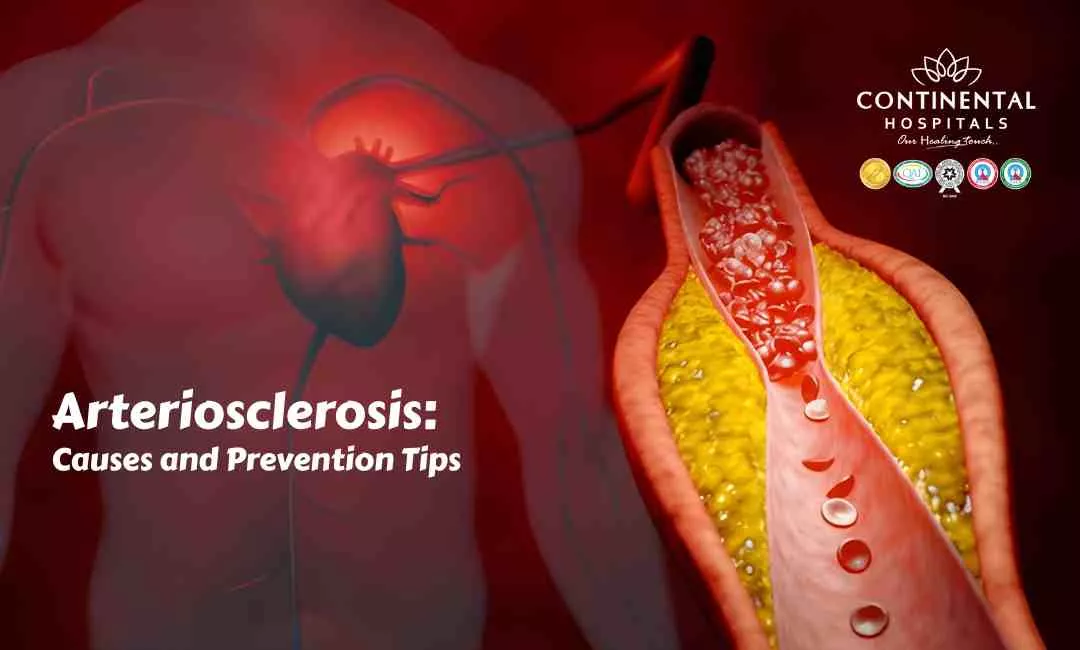
Arteriosclerosis is a condition that affects the arteries, which are the blood vessels that carry oxygen-rich blood from the heart to the rest of the body. When these arteries become thick and stiff, blood flow to vital organs and tissues gets restricted. This can increase the risk of serious problems such as heart attack, stroke, and kidney disease. Understanding the causes, symptoms, and prevention tips for arteriosclerosis can help you take control of your heart health and prevent complications.
What is Arteriosclerosis?
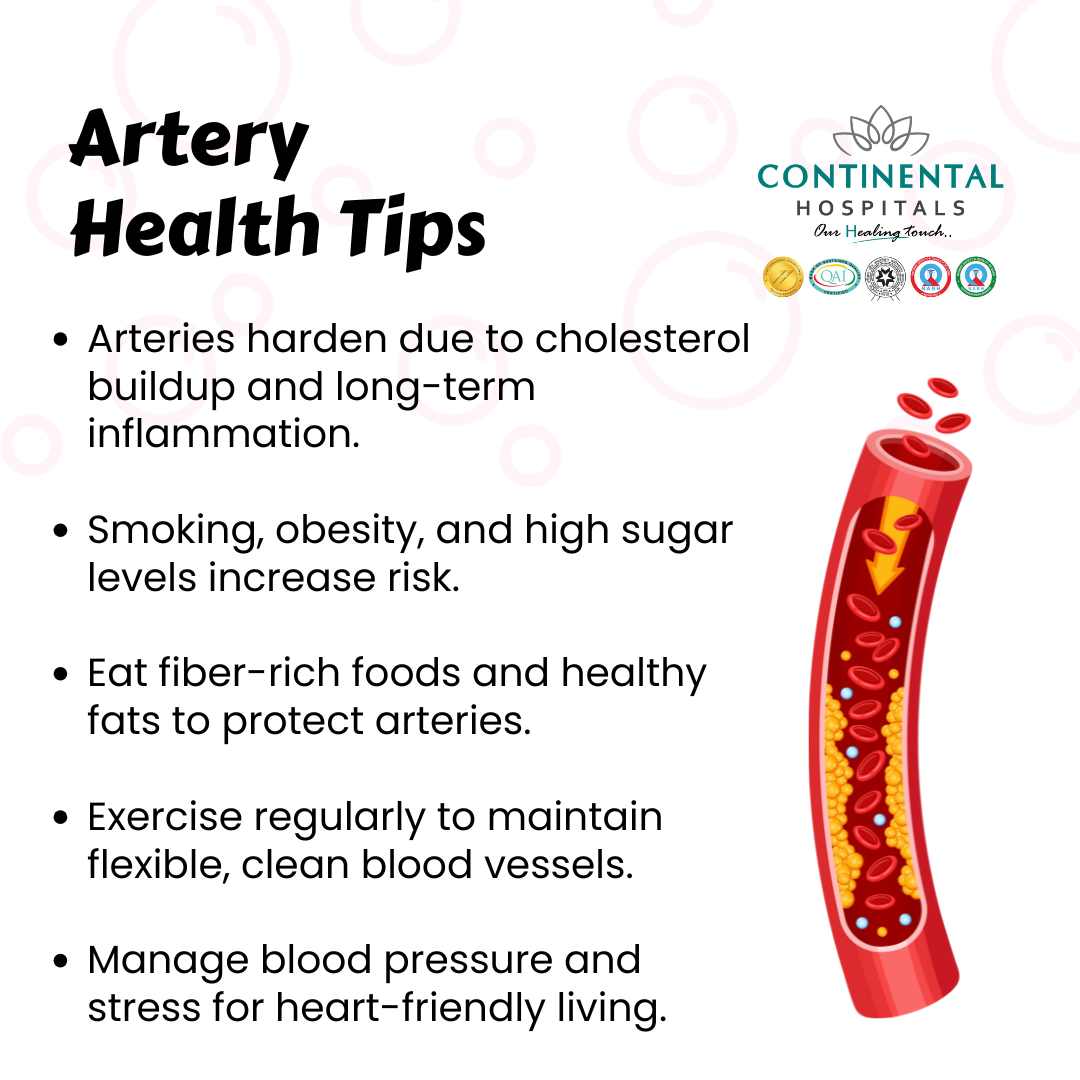
Arteriosclerosis is often confused with atherosclerosis, but there is a difference. Arteriosclerosis refers to the general hardening and thickening of the arterial walls. Atherosclerosis is a type of arteriosclerosis in which fatty deposits, cholesterol, and other substances build up inside the arteries, forming plaques. Over time, these plaques can narrow or block the arteries, reducing blood flow and leading to life-threatening conditions.
Arteriosclerosis develops slowly over many years, often without any noticeable symptoms. That is why it is sometimes called a “silent threat.”
Common Causes of Arteriosclerosis
Arteriosclerosis doesn’t develop overnight. It results from years of damage to the arterial walls. Several risk factors contribute to this condition, including:
1. High blood pressure: Constant high pressure can damage the inner lining of arteries, making them more prone to thickening and narrowing.
2. High cholesterol levels: Too much LDL (bad cholesterol) and too little HDL (good cholesterol) can lead to plaque buildup inside arteries.
3. Smoking: The chemicals in tobacco damage the blood vessel walls and speed up the hardening process.
4. Diabetes: High blood sugar levels can harm the endothelium, the delicate inner layer of the arteries, increasing the risk of arterial stiffness.

5. Obesity: Excess body weight puts extra strain on the heart and blood vessels, contributing to arteriosclerosis.
6. Unhealthy diet: A diet high in saturated fats, trans fats, and refined sugars increases cholesterol and triglyceride levels.
7. Lack of physical activity: Sedentary habits weaken the cardiovascular system, slow metabolism, and promote plaque buildup.
8. Aging: As we age, arteries naturally lose their elasticity, which increases the risk of hardening.
9. Family history: If your parents or siblings have heart disease, your risk of developing arteriosclerosis is higher.
Symptoms of Arteriosclerosis
In the early stages, arteriosclerosis may not show any symptoms. As the arteries narrow and blood flow decreases, symptoms may appear depending on the affected area:
Heart arteries: Chest pain or pressure (angina), shortness of breath, fatigue, irregular heartbeat.
Brain arteries: Dizziness, headache, confusion, weakness in limbs, speech difficulty, or signs of stroke.
Peripheral arteries (legs or arms): Muscle pain or cramps during walking, numbness, cold feet, or slow-healing wounds.
Kidney arteries: High blood pressure, swelling in legs, or changes in urination patterns.
If you experience these warning signs, it is important to consult a doctor immediately for proper evaluation.
How is Arteriosclerosis Diagnosed?
Doctors use several tests to detect arteriosclerosis and assess its severity:
Blood tests: To check cholesterol, triglycerides, and blood sugar levels.
Blood pressure measurements: To identify hypertension.
Doppler ultrasound: To detect blockages in arteries.
CT or MRI angiography: To visualize blood flow and detect arterial narrowing.
Electrocardiogram (ECG): To record heart rhythm and detect any irregularities.
Stress test: To evaluate how the heart performs under physical exertion.
Early detection is the key to preventing complications such as heart attacks and strokes.
Prevention Tips for Arteriosclerosis
The best way to protect your heart and arteries is to adopt a healthy lifestyle. Here are effective prevention strategies:
Eat a heart-healthy diet: Include plenty of fruits, vegetables, whole grains, lean proteins, and healthy fats like olive oil and nuts. Avoid fried foods, processed snacks, and sugary drinks.
Stay physically active: Aim for at least 30 minutes of moderate exercise like walking, cycling, or swimming most days of the week.
Quit smoking: If you smoke, seek help to stop. Quitting improves blood flow and reduces your risk of artery damage.
Maintain a healthy weight: Regular physical activity and a balanced diet can help you achieve and maintain a healthy body weight.
Manage blood pressure and cholesterol: Regular health checkups help monitor these levels. If your doctor prescribes medication, take it as directed.
Control blood sugar: If you have diabetes or prediabetes, follow your treatment plan and monitor your sugar levels regularly.
Reduce stress: Chronic stress can increase blood pressure and inflammation. Practice relaxation techniques such as yoga, deep breathing, or meditation.
Get regular checkups: Routine screenings can detect problems early and help you take corrective measures before complications arise.
Why Choose Continental Hospitals?
Continental Hospitals in Hyderabad is one of the leading multispecialty healthcare centers offering world-class cardiovascular care. The hospital is JCI-accredited, ensuring that every procedure, diagnosis, and treatment meets the highest standards of safety and quality.
Our team of experienced cardiologists and vascular specialists use advanced technology for early detection and treatment of arteriosclerosis and other heart diseases. With modern diagnostic tools, state-of-the-art catheterization labs, and personalized treatment plans, Continental Hospitals provides comprehensive heart care under one roof.
The hospital follows evidence-based practices, ensuring patients receive accurate diagnoses and the best possible outcomes. The facility is supported by dedicated departments for emergency care, rehabilitation, and preventive cardiology to ensure complete heart health management.
Patients at Continental Hospitals benefit from:
Expert cardiologists with global experience
Advanced imaging and diagnostic technologies
24/7 emergency and critical care support
Personalized treatment and recovery plans
A patient-centric approach with international care standards
When Should You See a Doctor?
If you experience symptoms like chest pain, shortness of breath, leg cramps while walking, or dizziness, you should seek medical help immediately. Early medical attention can prevent severe complications such as heart attack or stroke.
At Continental Hospitals, our cardiology department provides advanced diagnostic tests, preventive screenings, and specialized treatment for arteriosclerosis and related heart diseases. Regular checkups with a heart specialist can make a life-saving difference.
Conclusion
Arteriosclerosis is a silent yet serious condition that can affect the entire circulatory system. The good news is that with proper lifestyle habits and regular health checkups, it can be prevented or managed effectively. Eating healthy, staying active, quitting smoking, and keeping your blood pressure and cholesterol in control are the best ways to protect your arteries.
If you suffer from symptoms like chest discomfort, fatigue, or leg pain during walking, consult our best cardiologist at Continental Hospitals, Hyderabad for expert evaluation and treatment. Early diagnosis and timely care can help you live a healthier, longer, and more active life.
Book your appointment with our expert cardiologists at Continental Hospitals today and take a step toward a stronger heart and healthier life!