.webp)

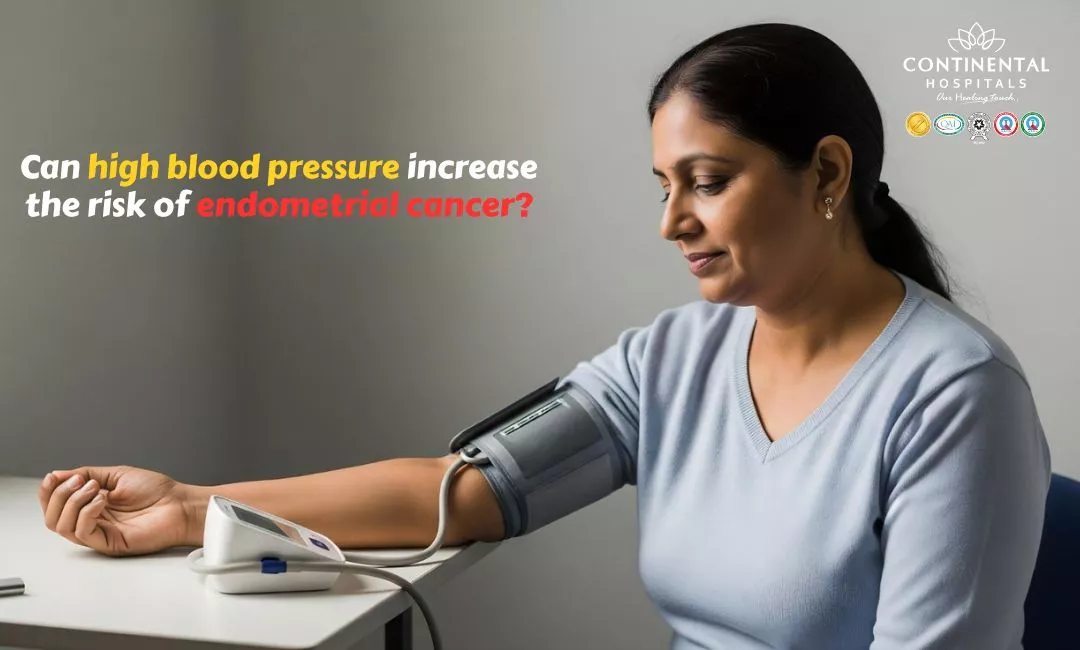
High blood pressure is a common health condition affecting millions of people today. Many women know it as a risk factor for heart disease and stroke, but fewer are aware that it may also influence certain cancers. One important question often asked is can high blood pressure increase the risk of endometrial cancer? Understanding this link can help women take timely action and protect their long-term health.
Blood Pressure Explained
Blood pressure is the force with which blood pushes against the walls of the arteries. It is measured using two numbers.
- Systolic pressure measures pressure when the heart beats
- Diastolic pressure measures pressure when the heart rests
When these numbers stay high over time, the condition is called hypertension. Many people live with high blood pressure without obvious symptoms, which is why it is often called a silent condition.
Visit Our Oncology Department at Continental Hospitals. Consult our expert Oncologist for early diagnosis, personalized care, and confident women’s health management.
Causes of Hypertension
Hypertension usually develops due to a combination of lifestyle and health factors. Common causes of hypertension include:
- Excess body weight
- Lack of physical activity
- High salt and processed food intake
- Hormonal imbalances
- Diabetes and insulin resistance
- Chronic stress
- Family history
Over time, uncontrolled hypertension affects blood vessels, hormones, and inflammation levels in the body. These changes may influence cancer risk, including cancers related to hormones.
Understanding Endometrial Cancer
Endometrial cancer begins in the lining of the uterus, called the endometrium. It is one of the most common gynecological cancers and is more often diagnosed after menopause, though younger women can also be affected.
Endometrial cancer is often detected early because it causes noticeable symptoms. Early diagnosis significantly improves treatment outcomes.

Endometrial Cancer Symptoms
Knowing the warning signs is important. Common endometrial cancer symptoms include:
- Abnormal vaginal bleeding
- Bleeding after menopause
- Heavy or irregular periods
- Pelvic pain or pressure
- Pain during intercourse
- Unexplained weight changes
Any unusual bleeding should be evaluated by a doctor promptly.
Can High Blood Pressure Increase the Risk of Endometrial Cancer?
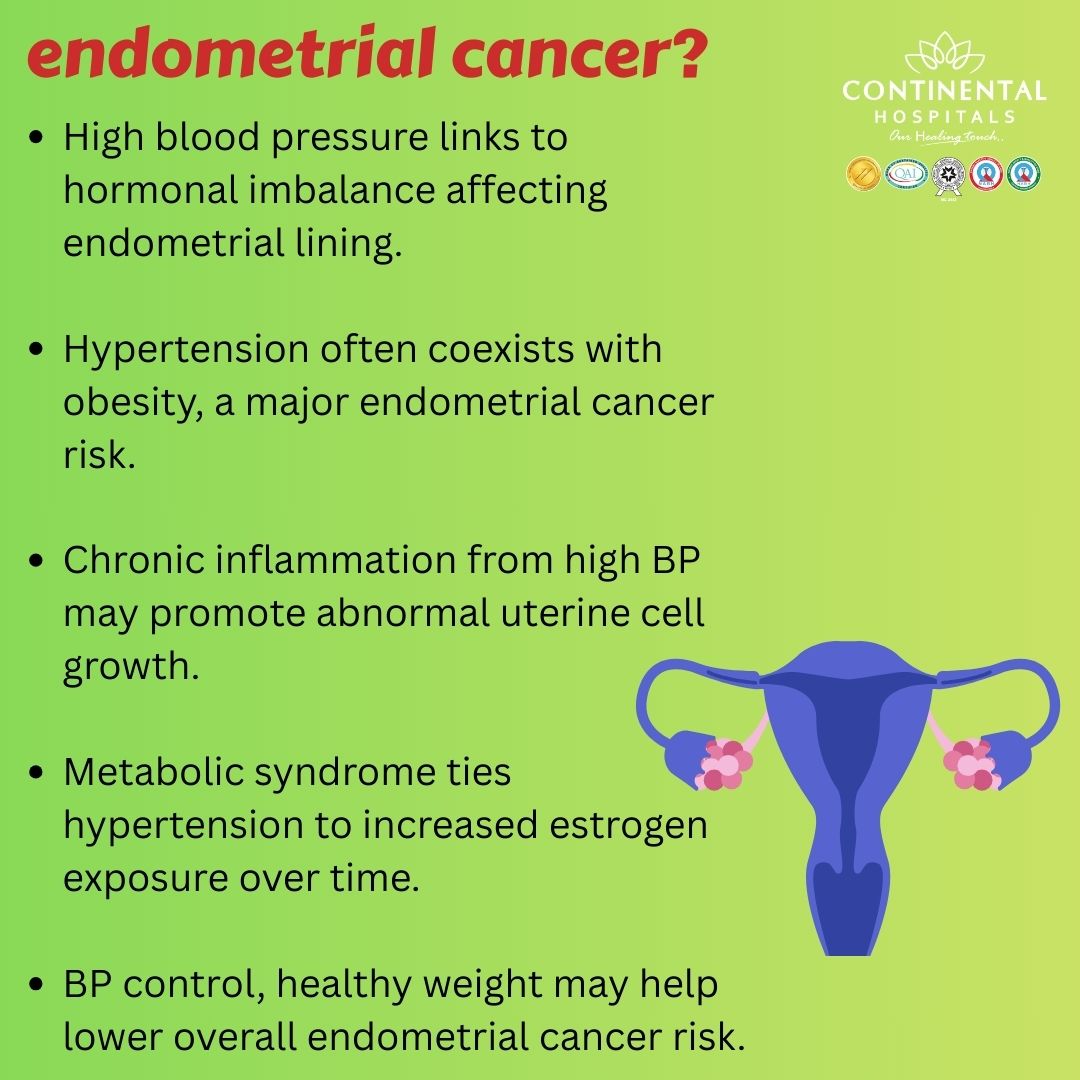
Research suggests that hypertension may be linked to a higher risk of endometrial cancer. The connection is not always direct, but it is influenced by related factors such as obesity, hormonal imbalance, and metabolic changes.
Here is how high blood pressure may contribute:
- Hypertension is often associated with excess body fat, which increases estrogen levels
- Higher estrogen without progesterone balance can stimulate abnormal endometrial growth
- Chronic inflammation caused by high blood pressure can damage cells over time
- Insulin resistance, common in people with hypertension, may promote cancer cell growth
Because of these mechanisms, hypertension is considered one of the important endometrial cancer risk factors, especially when combined with other conditions.
Endometrial Cancer Risk Factors
Several factors can increase the risk of developing endometrial cancer. These include:
- Hypertension
- Obesity
- Diabetes
- Early onset of menstruation or late menopause
- Never having been pregnant
- Polycystic ovarian syndrome
- Family history of uterine or colon cancer
Long-term estrogen exposure without medical supervision
While not all risk factors can be changed, many can be managed with medical guidance and healthy habits.
Why Monitoring Blood Pressure Matters
Managing blood pressure is not only important for heart health but also for overall hormonal balance and cancer prevention. Regular health checkups help detect hypertension early and reduce long-term complications.
Key benefits of blood pressure control include:
- Reduced inflammation in the body
- Better hormone regulation
- Lower risk of metabolic disorders
- Improved overall wellbeing
These benefits support uterine health and may lower the chances of abnormal endometrial changes.
Endometrial Cancer Diagnosis
If symptoms or risk factors are present, doctors may recommend diagnostic tests to confirm endometrial cancer. Endometrial cancer diagnosis usually involves:
- Detailed medical history and physical examination
- Pelvic ultrasound
- Endometrial biopsy
- Hysteroscopy if required
- Advanced imaging for staging
Early diagnosis allows for more effective and less aggressive treatment.
Endometrial Cancer Treatment Options
Endometrial cancer treatment depends on the stage, grade, and overall health of the patient. Common treatment approaches include:
- Surgery to remove the uterus and affected tissues
- Radiation therapy to destroy remaining cancer cells
- Hormone therapy in selected cases
- Chemotherapy for advanced stages
A personalized treatment plan offers the best outcomes and improves quality of life.
Prevention and Risk Reduction
While not all cases can be prevented, adopting healthy habits can reduce risk significantly.
Helpful preventive steps include:
- Maintaining healthy blood pressure levels
- Achieving and sustaining a healthy weight
- Staying physically active
- Managing diabetes and hormonal disorders
- Attending regular gynecological checkups
These steps support early detection and long-term uterine health.
Why Choose Continental Hospitals?
Continental Hospitals is recognized as the best hospital in Hyderabad for comprehensive and advanced healthcare. The hospital is known for its strong focus on patient safety, clinical excellence, and ethical medical practices.
Continental Hospitals is accredited by leading national and international healthcare quality organizations, reflecting high standards in patient care, diagnostics, and treatment outcomes. With advanced infrastructure, modern operation theaters, and evidence-based protocols, patients receive care that meets global benchmarks.
The hospital brings together experienced gynecologists, oncologists, radiologists, and pathologists who work as a team to provide accurate diagnosis and personalized treatment. Advanced imaging, minimally invasive surgery, and comprehensive cancer care services ensure optimal outcomes for women at every stage of treatment.
Conclusion
High blood pressure is more than just a heart-related issue. When left unmanaged, it may contribute to conditions that increase the risk of endometrial cancer. Understanding this connection empowers women to take control of their health through regular monitoring, early screening, and timely medical care.
If you notice abnormal bleeding or have risk factors such as hypertension, do not ignore the signs. Early evaluation can make a significant difference in outcomes.
If you suffer from symptoms related to endometrial cancer or have concerns about high blood pressure and women’s health, consult our Best Oncologist at Continental Hospitals. Expert guidance, early diagnosis, and personalized treatment can help you move toward better health with confidence.
Related Blog Topics: