.webp)

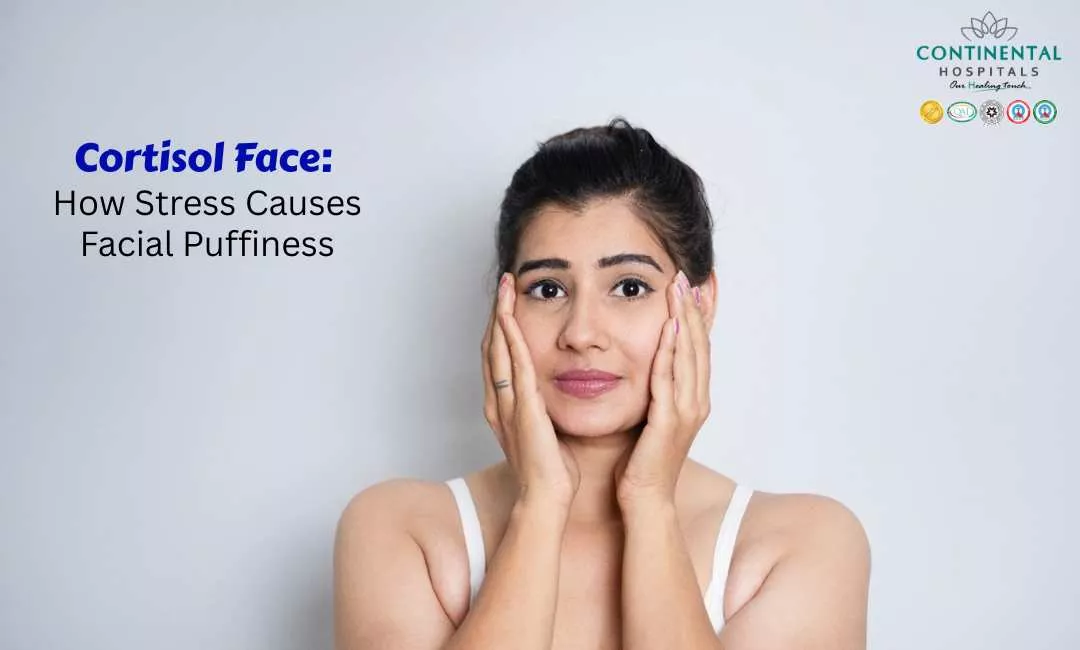
Facial puffiness is more than just a cosmetic concern. Many people notice swelling around the eyes, cheeks, or jawline, often referred to as a “cortisol face” or “moon face.” This condition is commonly linked to high stress levels and elevated cortisol, the body’s primary stress hormone. Understanding why stress affects facial appearance, its causes, and remedies is crucial for maintaining both health and confidence.
Facial puffiness from stress and high cortisol affects appearance. visit our General Physician Speciality at Continental Hospitals for expert care and relief.
Cortisol face is often seen in individuals under chronic stress or those with medical conditions affecting cortisol, such as Cushing’s syndrome.
Causes of Facial Puffiness
Facial puffiness can result from multiple factors, often working together:
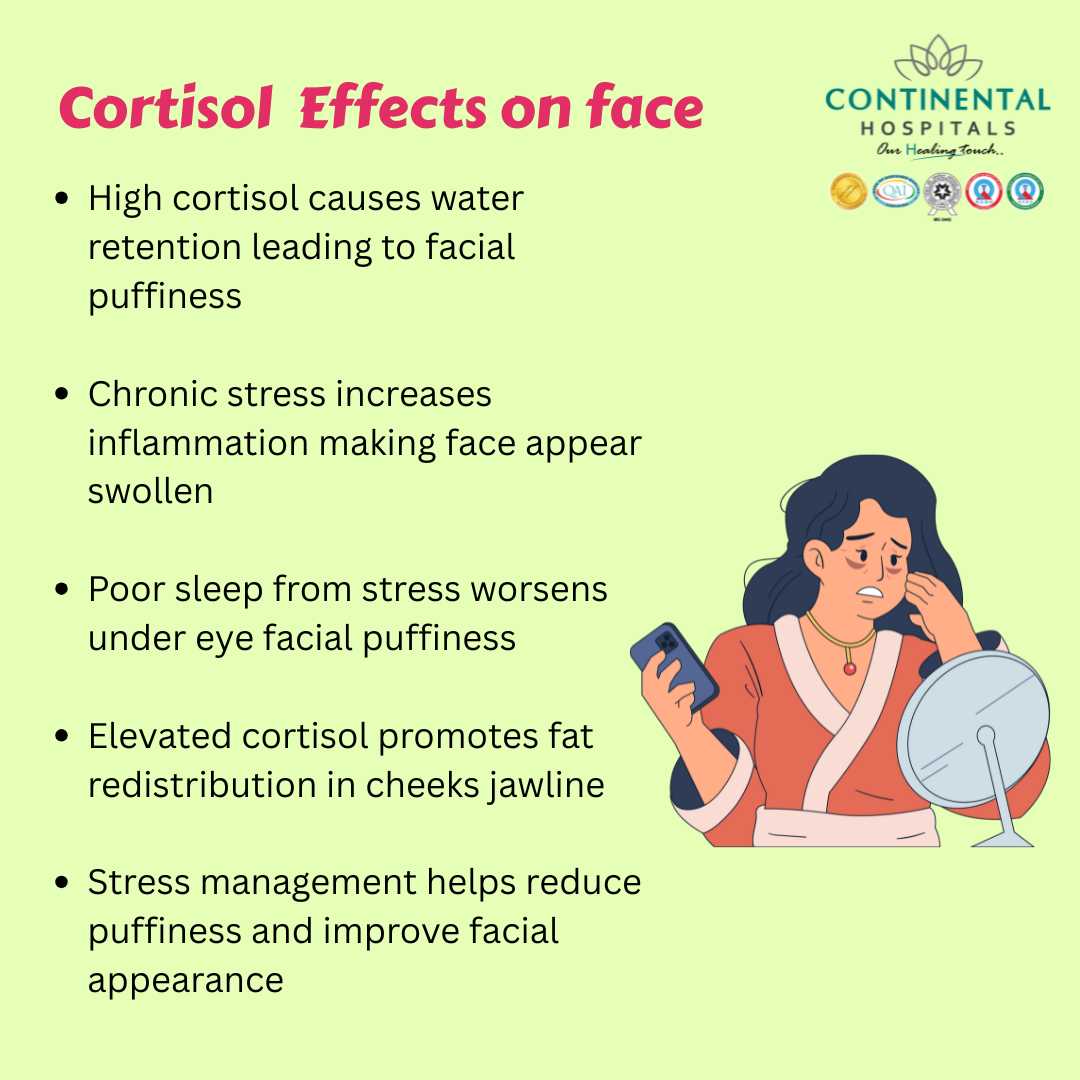
High Cortisol Levels: Chronic stress triggers excess cortisol, promoting water retention and fat deposition in the face.
Poor Sleep: Sleep deprivation increases cortisol, which contributes to swelling and under-eye puffiness.
Dietary Factors: Excess salt intake can exacerbate water retention, making puffiness more noticeable.
Medical Conditions: Hormonal disorders, thyroid issues, and certain medications can also cause facial swelling.

Lifestyle Factors: Sedentary habits, dehydration, and prolonged screen time contribute to fluid buildup and a bloated appearance.
How Stress Causes a Puffy Face
When stressed, the adrenal glands release cortisol. While cortisol is essential for regulating energy, immune response, and metabolism, prolonged elevation can:
- Increase fluid retention in the skin and soft tissues
- Break down collagen, causing sagging and a swollen look
- Promote fat redistribution in the face, particularly cheeks and jawline
- Trigger inflammation, which can exacerbate puffiness and redness
People experiencing chronic stress may notice persistent facial puffiness, a tired appearance, or a rounder facial contour.
Signs and Symptoms of Cortisol Face
Recognizing the signs of a cortisol face can help address the issue early:
- Swelling around eyes and cheeks
- Puffiness in the morning that persists throughout the day
- Rounded or “full” facial appearance
- Visible under-eye bags
- Dry or inflamed skin in some cases
Difference Between High Cortisol Face and Low Cortisol Face
- High Cortisol Face: Puffy, bloated, and sometimes red; associated with stress, poor sleep, and high cortisol levels.
- Low Cortisol Face: Appears tired or sunken; may show loss of elasticity and paleness.
Monitoring stress levels, sleep patterns, and dietary habits can help determine which type of cortisol imbalance may be affecting your face.
Common Causes of Puffy Face and Eyes
Puffy eyes and facial swelling are often related to:
- Stress and elevated cortisol
- Excess salt consumption
- Lack of sleep or irregular sleep cycles
- Dehydration or water retention
- Allergies or sinus issues
- Hormonal fluctuations
- Certain medications, such as corticosteroids
Identifying the root cause is essential for effective treatment.
Remedies for Facial Puffiness
Reducing a cortisol face requires a combination of lifestyle changes, skincare practices, and sometimes medical intervention:
Stress Management: Practicing relaxation techniques such as meditation, yoga, or breathing exercises helps lower cortisol levels naturally.
Improve Sleep Quality: Prioritize 7–8 hours of quality sleep each night to reduce hormonal imbalances that contribute to puffiness.
Diet Adjustments: Reduce salt intake, increase water consumption, and eat nutrient-rich foods that support hormone balance.
Skincare Practices: Use gentle cleansers, hydrating moisturizers, and cooling eye treatments to reduce inflammation.
Medical Consultation: If puffiness persists despite lifestyle changes, consulting an endocrinologist or dermatologist can help identify underlying conditions.
When to Seek Medical Advice?
If facial puffiness is persistent, worsening, or accompanied by other symptoms like unexplained weight gain, fatigue, or hormonal changes, professional evaluation is recommended. A specialist can check for:
- Cortisol imbalances
- Thyroid or hormonal disorders
- Medication side effects
- Other systemic causes of swelling
Early intervention ensures effective management and reduces long-term complications.
Why Choose Continental Hospitals?
Continental Hospitals the best hospitsal in Hyderabad is a leading healthcare facility with NABH and JCI accreditations, reflecting international standards of care and patient safety.
Reasons to choose Continental Hospitals:
- Experienced endocrinologists and dermatologists managing cortisol and stress-related conditions
- Comprehensive evaluation including blood tests, hormonal assessment, and imaging
- Personalized treatment plans combining lifestyle guidance, diet, and medical therapy
- Focused patient care for long-term health and appearance improvement
With expert guidance, patients can effectively reduce facial puffiness, restore natural facial contours, and improve overall wellbeing.
Tips to Decrease Face Puffiness at Home
- Apply cold compresses or chilled spoons to under-eye areas
- Elevate the head during sleep to prevent fluid accumulation
- Stay hydrated and avoid excessive salt intake
- Incorporate gentle facial massages to improve circulation
- Maintain consistent sleep and stress management routines
While these tips help, professional consultation ensures a targeted and effective approach.
Conclusion
Facial puffiness, or cortisol face, is often a visible sign of stress and hormonal imbalance. High cortisol levels, poor sleep, and lifestyle factors can contribute to fluid retention, inflammation, and fat redistribution in the face. Addressing these factors through stress management, improved sleep, dietary adjustments, and expert guidance can significantly reduce puffiness and improve overall facial appearance.
Continental Hospitals in Hyderabad offers specialized care for stress-related and hormonal issues with accredited facilities, experienced doctors, and personalized treatment plans. If you experience persistent facial puffiness, bloating, or stress-related symptoms, consult our top General Physician at Continental Hospitals. Early evaluation and targeted intervention can restore facial balance, reduce puffiness, and improve overall health.
Related Blog Topics