.webp)

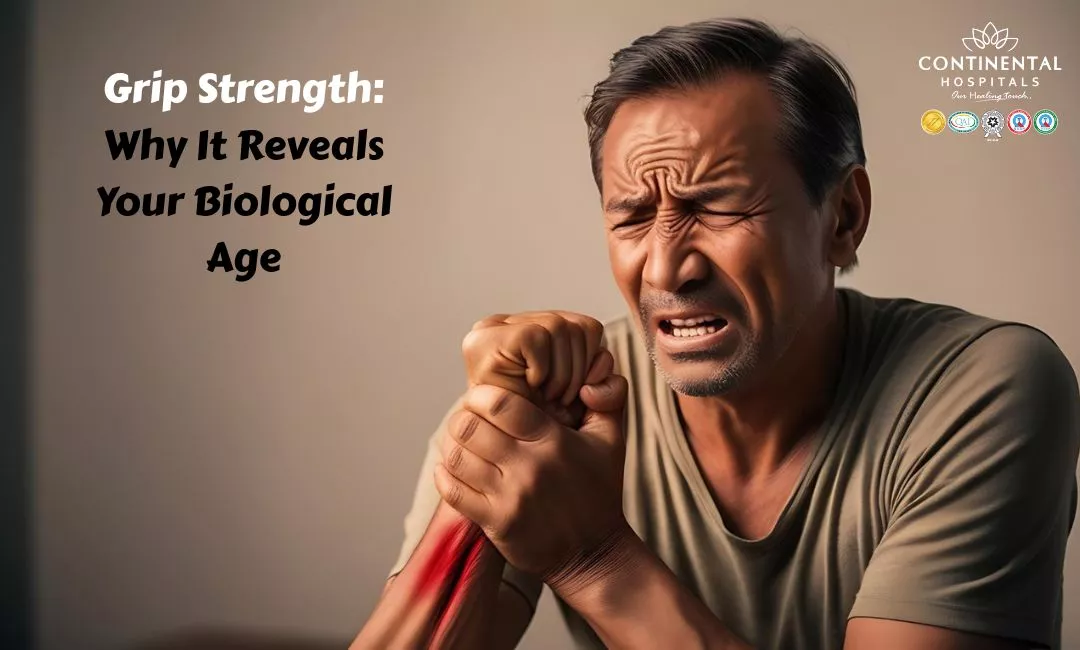
Grip strength may seem like a small detail, but it is one of the most powerful indicators of overall health and biological age. Doctors and researchers increasingly use grip strength to understand how well the body is aging, how strong the muscles are, and even how long a person may live. This simple measurement offers deep insight into muscle health, nerve function, and long term wellbeing.
If you have weakness, fatigue, or aging concerns, visit our Orthopedic Speciality at Continental Hospitals for grip strength evaluation and personalized treatment care.
What Is Grip Strength?
Grip strength measures how strongly you can squeeze an object, usually tested with a handheld device called a dynamometer. It reflects the combined function of muscles, bones, nerves, and joints in the hands and forearms.
Doctors often use a grip strength test for adults as a quick screening tool because it is simple, safe, and reliable.
Grip Strength and Biological Age
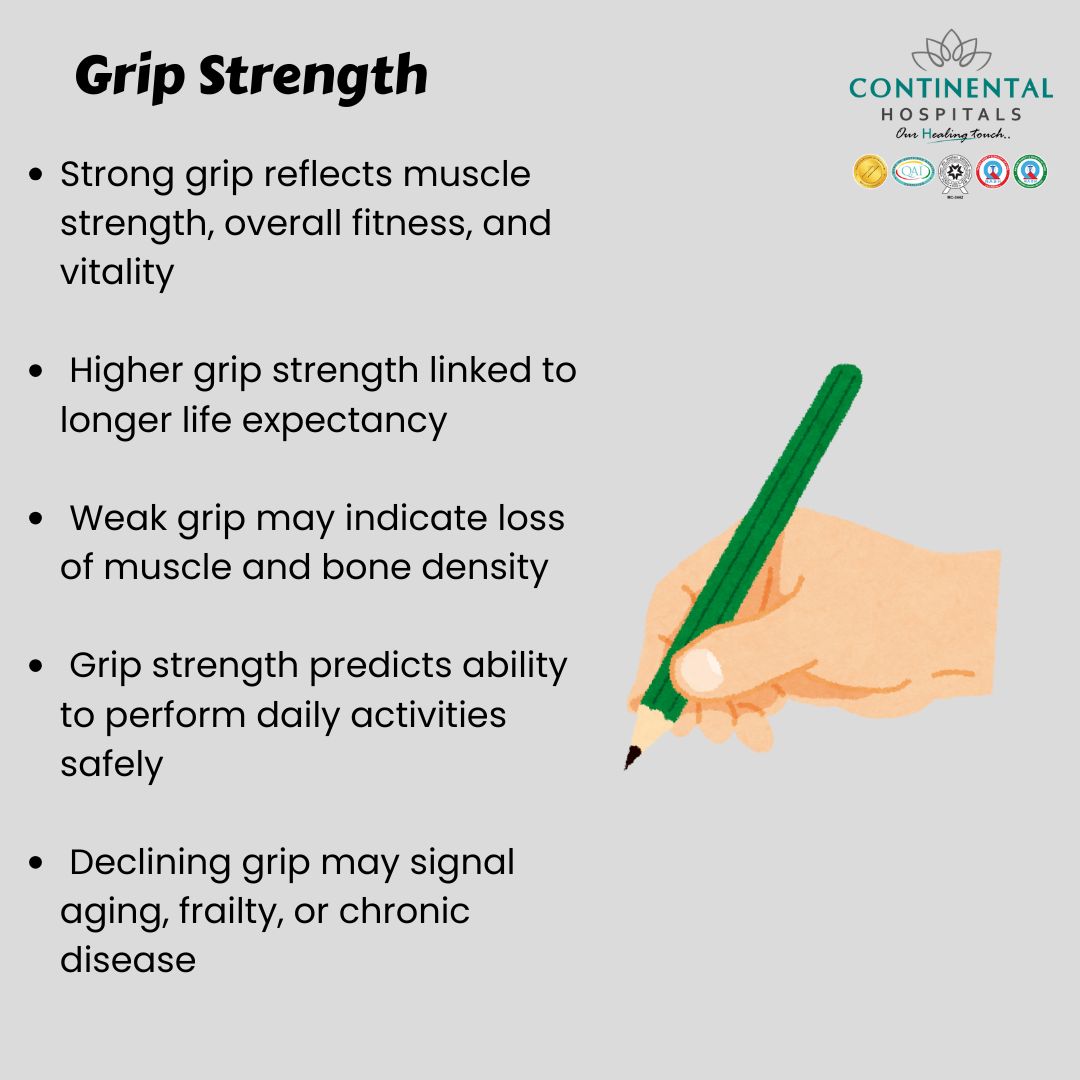
Chronological age is the number of years you have lived. Biological age reflects how well your body is functioning compared to others your age. Grip strength biological age research shows that weaker grip strength is linked to faster aging.
A strong grip often indicates:
- Better muscle mass
- Stronger bones
- Healthy nervous system
- Lower inflammation levels
A declining grip strength may suggest that the body is aging faster than expected.
What Grip Strength Says About Health?
Grip strength is more than a hand measurement. It reflects whole body health.

Research links grip strength to:
- Heart health
- Lung function
- Brain health
- Balance and mobility
- Immune strength
Low grip strength health risks include higher chances of falls, disability, and chronic illness.
Grip Strength and Longevity
Grip strength longevity studies show that people with stronger grip strength tend to live longer. Grip strength is considered a grip strength predictor of lifespan because it mirrors muscle and metabolic health.
Lower grip strength has been associated with:
- Increased grip strength and mortality risk
- Reduced independence in later years
- Higher frailty risk
Grip strength and aging are closely connected, making this a key marker in preventive health care.
Grip Strength Decline With Age
It is normal for grip strength to decline gradually with age, but rapid or early decline is a warning sign.
Grip strength decline with age may be influenced by:
- Physical inactivity
- Poor nutrition
- Chronic disease
- Hormonal changes
- Neurological conditions
Early detection allows timely lifestyle and medical intervention.
Grip Strength Normal Values by Age
Grip strength normal values by age vary based on gender, height, and body composition. Doctors compare test results to standardized reference ranges to assess muscle health.
A grip strength test meaning goes beyond numbers. It helps doctors understand whether muscle loss is within normal limits or a sign of concern.
Grip Strength and Muscle Health
Muscle strength naturally decreases with age, a process known as sarcopenia. Grip strength and muscle health are strongly linked, making grip testing a simple way to screen for muscle loss.
Poor muscle health affects:
- Balance and coordination
- Joint stability
- Metabolic rate
- Recovery from illness
Maintaining muscle strength supports mobility and independence.
Grip Strength and Frailty Risk
Frailty is a condition marked by weakness, fatigue, and reduced physical resilience. Grip strength and frailty risk are closely connected.
Low grip strength may indicate:
- Reduced energy reserves
- Increased fall risk
- Slower healing
- Higher hospitalization rates
Routine assessment helps identify people at risk before serious complications develop.
Grip Strength Test for Adults and Children
Grip strength testing is useful across age groups. In adults, it helps monitor aging and chronic disease risk. In children, grip strength reflects growth, nutrition, and physical development.
During a child health checkup, grip strength can:
- Indicate muscle development
- Highlight nutritional deficiencies
- Support early intervention strategies
Healthy habits formed in childhood help maintain strength into adulthood.
How to Improve Grip Strength?
Improving grip strength supports overall fitness and healthy aging.
Simple ways to improve grip strength include:
- Hand squeeze exercises using stress balls
- Resistance training for arms and shoulders
- Pulling and lifting movements
- Adequate protein intake
- Regular physical activity
Consistency matters more than intensity.
Why Grip Strength Matters in Preventive Healthcare?
Grip strength is an early warning sign. It helps doctors detect potential problems before symptoms appear.
Benefits of monitoring grip strength:
- Early detection of muscle loss
- Assessment of aging speed
- Evaluation of recovery after illness
- Insight into overall physical resilience
It complements other health checks for a complete picture of wellness.
Role of Hospitals in Grip Strength Assessment
Modern hospitals integrate grip strength testing into preventive health programs. This approach supports early diagnosis and personalized care plans for individuals and families.
The Best hospital in Hyderabad offers advanced assessments that combine grip strength evaluation with nutritional, metabolic, and musculoskeletal screening.
Why Choose Continental Hospitals?
Continental Hospitals is recognized as the Best hospital in Hyderabad, offering comprehensive preventive and specialty care.
Key reasons to choose Continental Hospitals include:
- Internationally accredited healthcare standards
- Advanced diagnostic facilities
- Experienced internal medicine, orthopedics, and rehabilitation specialists
- Integrated family care services, including child health checkup programs
- Focus on preventive health and healthy aging
The hospital follows globally accepted clinical protocols and quality benchmarks, ensuring safe, ethical, and patient centered care.
When Should You See a Doctor?
You should consult a doctor if you notice:
- Sudden weakness in hands
- Difficulty gripping everyday objects
- Frequent falls or imbalance
- Fatigue and muscle loss
- Delayed recovery from illness
Early evaluation can prevent long term complications.
If you suffer from weakness, frequent fatigue, or concerns about aging, consult an Orthopedic expert at Continental Hospitals. Expert assessment helps evaluate grip strength, identify underlying causes, and guide personalized treatment plans.
Conclusion
Grip strength is a powerful indicator of biological age and overall health. It reflects muscle strength, longevity potential, and risk of frailty. Monitoring grip strength across life stages, from child health checkup visits to adult preventive care, supports healthier aging and improved quality of life.
If you suffer from weakness, frequent fatigue, or concerns about aging, consult our best Orthopedic expert at Continental Hospitals. Expert assessment helps evaluate grip strength, identify underlying causes, and guide personalized treatment plans.
Related Blog Topics