.webp)

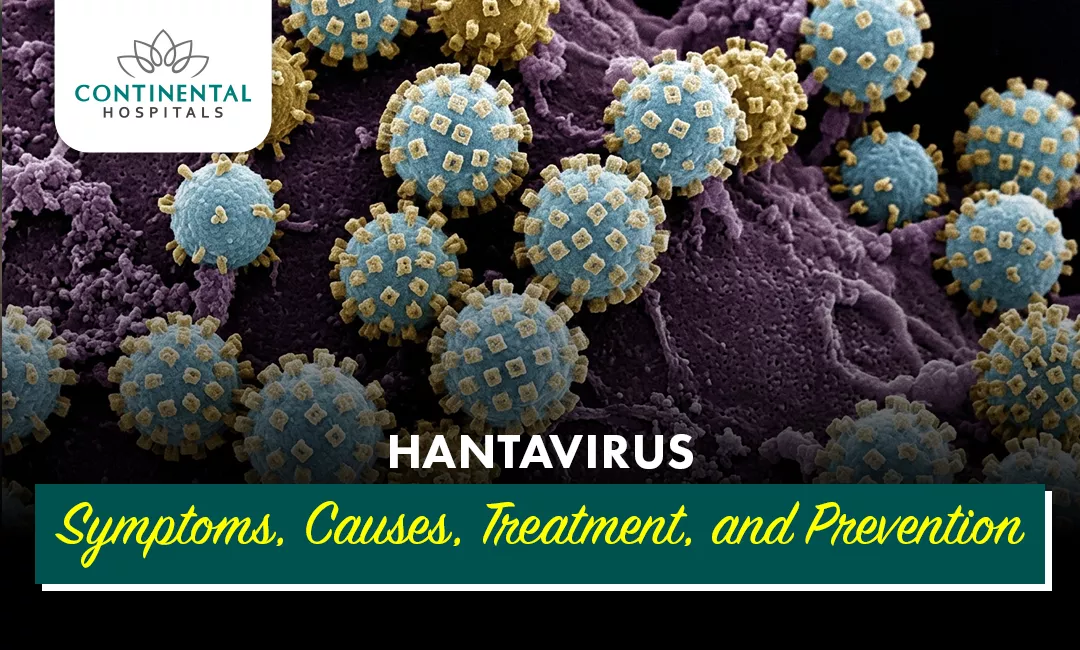
Hantavirus is a public health disease that deserves clear explanation and active attention. Although most people might associate this virus with rural environs or specific environmental conditions, this viral infection can cause severe respiratory illness if it is not addressed. Those residing in or traveling to an area near a rodent environment will benefit from a better understanding of how the virus transmits and the early warning signs of infection.
What is Hantavirus?
Hantavirus infection is caused by a group of viruses that are primarily spread by rodents. In the Americas, Hantavirus may cause a severe and potentially fatal respiratory disease called Hantavirus Pulmonary Syndrome (HPS). In other parts of the world, it may cause Hemorrhagic Fever with Renal Syndrome (HFRS).
The infection differs from an individual inhaling air that is contaminated by droppings, urine, or saliva from the rodent. It is not transmitted from person to person in most cases, so environmental control is the best defense. Because the infection can mimic flu-like symptoms at onset, many individuals don’t understand the seriousness of the disease until it’s advanced.
Persistent fever, muscle pain, or breathing issues after rodent exposure? Visit our infectious diseases department at Continental Hospitals today.
Causes and Transmission
The primary cause of hantavirus infection is exposure to infected rodents, specifically deer mice, cotton rats, rice rats, and white-footed mice. These rodents carry the virus without getting sick themselves, shedding it into the environment through their bodily waste.
Transmission typically happens through several pathways:
Inhalation: This is the most common route. When rodent waste is disturbed, the virus becomes airborne in tiny droplets. Breathing in these particles can lead to infection.
Direct Contact: Touching contaminated materials and then touching your nose, mouth, or eyes.
Bites: While rare, a bite from an infected rodent can transmit the virus directly into the bloodstream.

Recognizing Hantavirus Symptoms
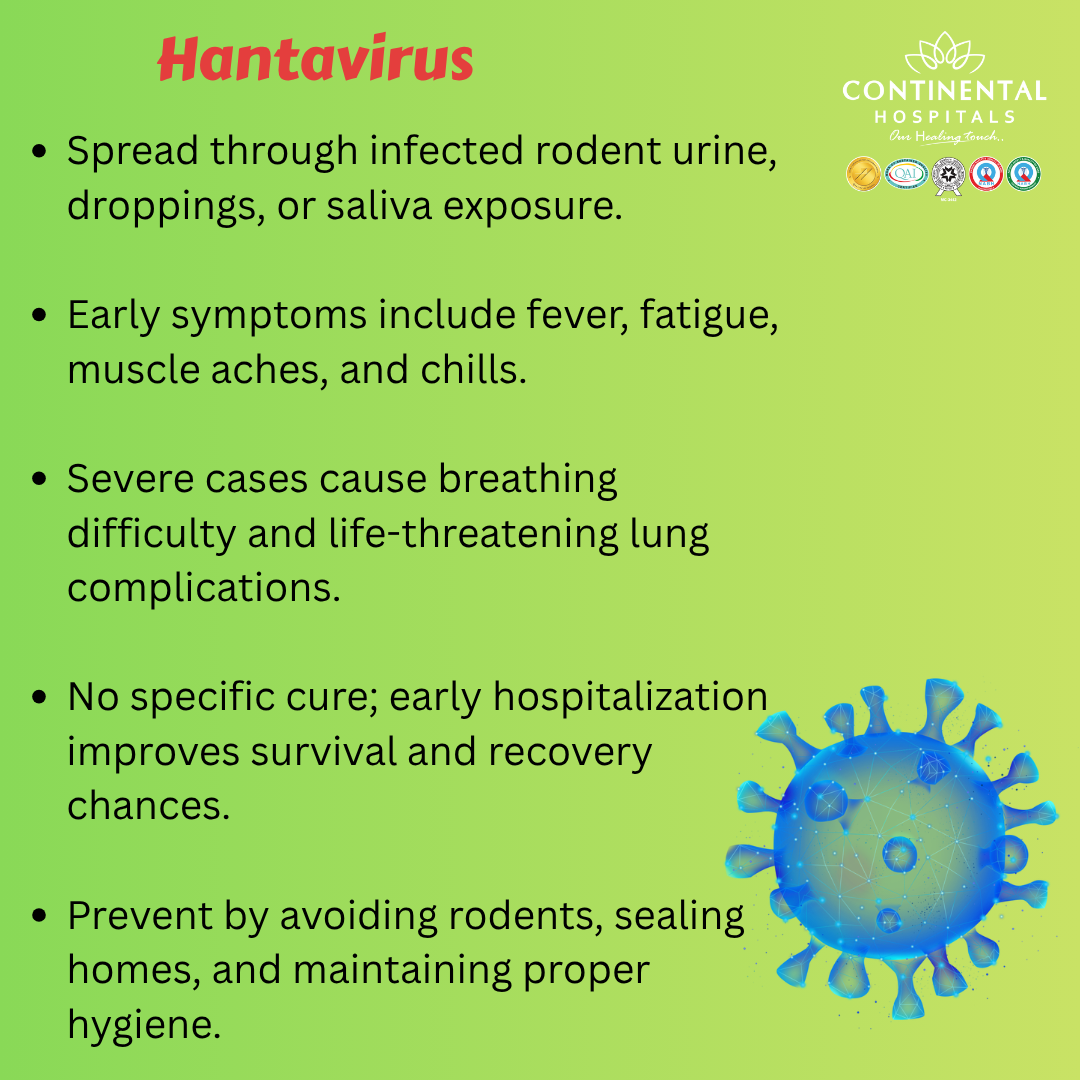
Early detection is critical for a positive outcome. The symptoms of hantavirus usually appear between one and eight weeks after exposure. Because the initial signs are general, it is important to monitor your health closely if you have recently been in contact with rodent-infested areas.
Early Symptoms
The first stage of the illness often feels like a standard viral infection. These symptoms may last for several days and include:
- Persistent fever and chills
- Significant muscle aches, especially in the large muscle groups like thighs, hips, and back
- General fatigue and lethargy
- Headaches and dizziness
- Abdominal pain, occasionally accompanied by nausea or vomiting
Late Symptoms
As the virus progresses, it begins to affect the lungs. This transition can happen very quickly, often within four to ten days after the initial symptoms begin. Late-stage symptoms include:
- Shortness of breath or difficulty breathing
- A feeling of tightness in the chest
- Coughing and fluid buildup in the lungs
- Low blood pressure and reduced heart efficiency
If you experience sudden shortness of breath after being exposed to rodents, seeking immediate medical attention at a specialized facility like Continental Hospitals is vital.
Diagnosis and Hantavirus Treatment
Diagnosing hantavirus can be challenging because early symptoms are similar to influenza or pneumonia. Doctors will typically look for a history of rodent exposure combined with physical signs of respiratory distress.
Currently, there is no specific cure or vaccine for hantavirus infection. However, early clinical care is highly effective. Treatment focuses on supportive therapy to help the body fight the virus:
- Hospitalization: Most patients require intensive care monitoring.
- Oxygen Therapy: Providing supplemental oxygen to assist with breathing difficulties.
- Fluid Management: Carefully balancing hydration levels to ensure the kidneys and heart function correctly.
- Ventilation: In severe cases, a ventilator may be used to help the patient breathe while the lungs recover.
Hantavirus Prevention Strategies
Prevention is the most effective tool against this virus. Since there is no vaccine, the goal is to eliminate or minimize contact with rodents in your living and working environments.
Rodent Control
- Seal Entry Points: Use steel wool or cement to fill holes in walls and floors where mice might enter.
- Clean Up Food Sources: Store all food, including pet food, in rodent-proof containers.
- Trapping: Use traps to clear out any existing rodent populations inside the home.
Safe Cleaning Practices
If you find rodent droppings or nests, do not sweep or vacuum them, as this kicks the virus into the air. Instead:
- Wear gloves and a mask.
- Spray the area with a mixture of bleach and water.
- Let it soak for several minutes before wiping it up with a paper towel.
- Dispose of the waste in a sealed bag.
Why Choose Continental Hospitals for Treatment?
Continental Hospitals is widely recognized as the best hospital in Hyderabad for managing complex infectious diseases and critical respiratory conditions. When dealing with a serious condition like hantavirus, the quality of care and the speed of intervention make a significant difference.
World-Class Accreditations
Continental Hospitals maintains the highest standards of safety and clinical excellence. Our facility is proud to hold prestigious accreditations, including:
JCI Accreditation: The Gold Seal of Approval from the Joint Commission International, ensuring global standards of patient care.
NABH Accreditation: National Accreditation Board for Hospitals & Healthcare Providers, reflecting our commitment to quality and safety in the Indian healthcare landscape.
Comprehensive Facilities
We offer a multidisciplinary approach to treatment, combining the expertise of infectious disease specialists with advanced pulmonology and intensive care units. Our state-of-the-art diagnostic labs allow for rapid testing, which is essential for identifying hantavirus symptoms early.
Our Intensive Care Units (ICU) are equipped with the latest ventilation technology to support patients through the most critical phases of respiratory distress. We prioritize a patient-centric approach, ensuring that every individual receives a personalized recovery plan.
Conclusion
Hantavirus is a serious illness, but it is manageable with the right knowledge and timely medical intervention. By focusing on prevention and staying alert to the early warning signs, you can protect yourself and your family. If you suspect you have been exposed to the virus or are showing signs of respiratory trouble, do not wait for the symptoms to worsen.
Early intervention is the key to recovery. At Continental Hospitals, we provide the expertise and technology needed to navigate such health challenges safely.
If you suffer from persistent fever, muscle aches, or sudden breathing difficulties following rodent exposure, please consult our experts immediately. Consult our best infectious disease specialist in Hyderabad at Continental Hospitals today.