.webp)

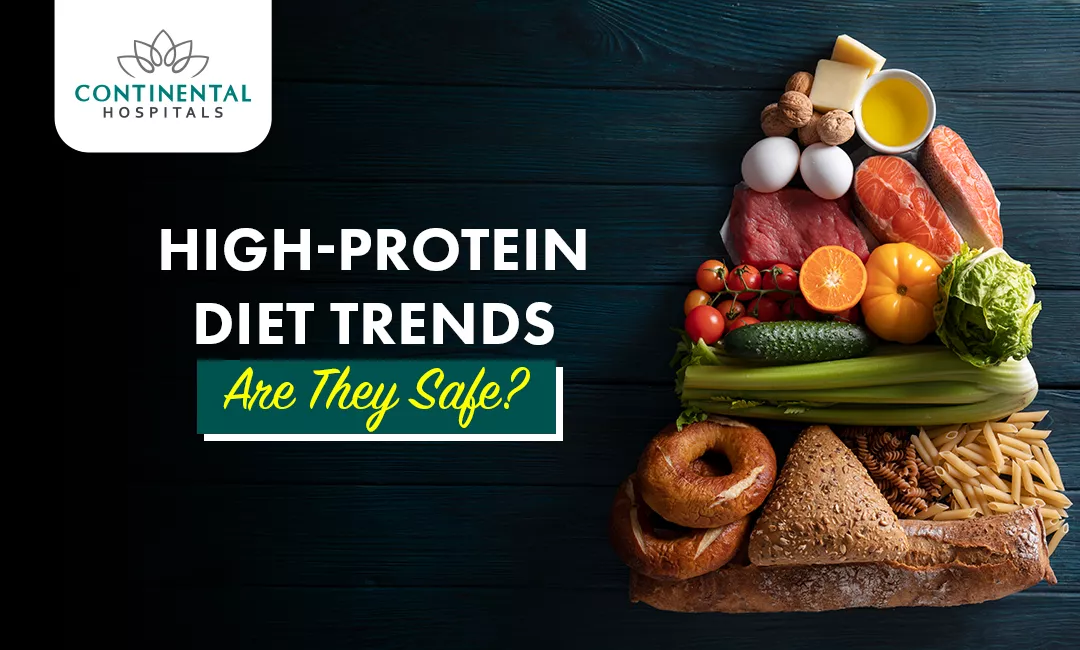
The modern health landscape is dominated by various dietary movements, and the high-protein diet is arguably one of the most popular. From fitness enthusiasts looking to build muscle to individuals aiming for weight loss, increasing protein intake has become a go-to strategy. However, as with any nutritional trend, it is essential to understand the balance between benefits and potential risks.
Understanding the Role of Protein in the Body
Protein is a fundamental macronutrient required for the growth, repair, and maintenance of nearly every tissue in the human body. It is composed of amino acids, which serve as the building blocks for muscles, skin, enzymes, and hormones. Unlike fats and carbohydrates, the body does not store protein in large quantities, meaning a consistent daily intake is necessary.
A high-protein diet typically involves consuming more than the recommended dietary allowance of protein while often reducing the intake of carbohydrates or fats. While this approach can yield significant results in the short term, the long-term safety and efficacy depend heavily on the source of the protein and the overall health of the individual.
Visit our best nutrition & dietetics department at Continental Hospitals for expert guidance on digestive health, kidney concerns, and safe nutrition planning.
The Benefits of Increasing Protein Intake
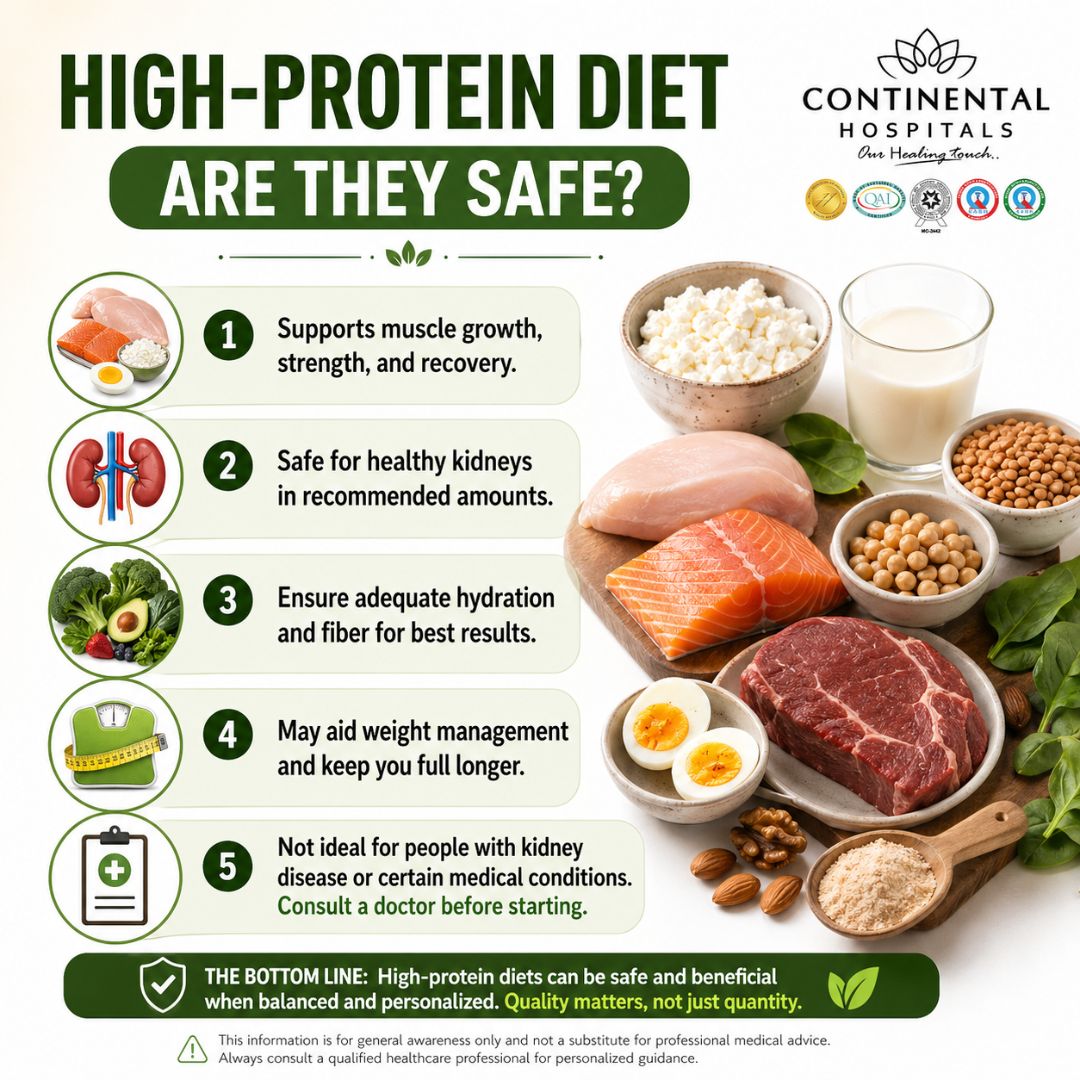
Many people turn to a high-protein diet because of its effectiveness in weight management. Protein has a high thermic effect, meaning the body uses more energy to digest it compared to fats or carbohydrates. Additionally, protein is highly satiating. It helps regulate hunger hormones, making you feel full for longer periods and reducing the urge for frequent snacking.
For those engaged in regular physical activity, a high-protein diet is vital for muscle protein synthesis. It aids in recovering from strenuous workouts and prevents muscle wasting during weight loss. Beyond aesthetics, adequate protein supports a healthy immune system and helps maintain bone density as we age.
How Much Protein is Too Much?
One of the most frequent questions asked by health-conscious individuals is, "How much protein per day is appropriate?" The answer is not universal and depends on age, gender, activity level, and underlying health conditions.
A general guideline for sedentary adults is approximately 0.8 grams of protein per kilogram of body weight. However, for those following high-protein diet trends, this number can climb to 1.5 or 2.0 grams per kilogram. While the human body is remarkably adaptable, there is a limit to how much protein it can process efficiently at one time.

When considering how much protein is too much, it is important to monitor how your body responds. Excessive intake over a prolonged period, especially from processed red meats, may lead to digestive issues or other metabolic imbalances.
High Protein Diet Safety: What You Need to Know
When discussing high-protein diet safety, the focus often shifts to the kidneys and the heart. For individuals with healthy kidney function, a high-protein intake is generally considered safe. The kidneys are responsible for filtering the nitrogen byproducts of protein metabolism. However, for those with pre-existing kidney conditions, a sudden or extreme increase in protein can place undue stress on these organs.
The source of protein also plays a massive role in high-protein diet benefits and risks. A diet heavy in saturated fats from red meats can increase the risk of cardiovascular issues. Conversely, a high-protein diet rich in lean meats, fish, legumes, and plant-based sources can actually improve heart health markers like blood pressure and cholesterol levels.
Potential Health Effects of a Protein-Rich Diet
The protein-rich diet's health effects can vary based on the balance of other nutrients. If a person increases protein but completely eliminates fiber-rich carbohydrates like fruits and vegetables, they may experience the following:
- Digestive discomfort or constipation due to lack of fiber
- Increased load on the liver and kidneys
- Nutritional deficiencies in vitamins and antioxidants found in plants
- Dehydration, as the body requires more water to process protein
To maintain high protein diet safety, it is crucial to stay well-hydrated and ensure that your plate remains colorful with a variety of micronutrients.
Common Myths About High Protein Diets
There are several misconceptions regarding these trends. Some believe that eating more protein automatically leads to muscle gain without exercise, which is incorrect. Others fear that protein causes bone loss by leaching calcium, though modern research suggests that adequate protein actually supports bone strength when accompanied by sufficient calcium intake.
Understanding the nuance of "is a high-protein diet safe?" requires looking at the total dietary pattern rather than just a single nutrient.
Choosing Quality Over Quantity
To reap the rewards of a high-protein diet, focus on high-quality sources. Not all proteins are created equal.
- Lean Poultry: Chicken and turkey are excellent low-fat options.
- Fish and Seafood: Provides protein along with essential omega-3 fatty acids.
- Plant-Based Proteins: Lentils, chickpeas, quinoa, and tofu offer fiber and protein.
- Dairy: Greek yogurt and cottage cheese are convenient and nutrient-dense.
- Eggs: A complete protein source with essential vitamins.
Why Choose Continental Hospitals for Your Nutritional Health?
Navigating dietary trends can be confusing, especially when trying to manage specific health goals or medical conditions. Continental Hospitals in Hyderabad is recognized as a leader in comprehensive healthcare, offering specialized guidance for lifestyle and nutritional management.
World-Class Accreditations
Continental Hospitals stands as a beacon of medical excellence in India. We are proud to hold prestigious accreditations that reflect our commitment to patient safety and quality care. Our facility is JCI (Joint Commission International) accredited, ensuring that we meet the highest global standards for healthcare. Additionally, we hold NABH (National Accreditation Board for Hospitals & Healthcare Providers) accreditation, which is the gold standard for quality in the Indian healthcare sector.
Integrated Care Approach
Our approach to health is holistic. When you consult with our specialists, you aren't just getting a diet plan; you are getting a medically backed strategy tailored to your unique physiology. Our Department of Clinical Nutrition works closely with cardiology, nephrology, and endocrinology departments to ensure that your high protein diet supports your overall well-being without compromising your internal organ health.
Advanced Diagnostic Facilities
To determine how much protein per day is right for you, we utilize advanced diagnostic tools to assess your kidney function, metabolic rate, and nutritional deficiencies. This precision ensures that your journey toward a healthier lifestyle is both safe and effective.
Conclusion
A high-protein diet offers numerous benefits, from weight loss to muscle preservation, but it must be approached with balance and professional insight. Understanding high-protein diet safety involves recognizing your body’s limits and choosing the right sources of nutrition. By focusing on lean proteins and maintaining a variety of food groups, you can enjoy the advantages of this trend while protecting your long-term health.
If you suffer from digestive issues or kidney concerns or are unsure how to start your nutritional journey, it is best to consult a professional. At Continental Hospitals, we provide the expertise needed to navigate these trends safely. Consult our best nutrition & dietetics in Hyderabad at Continental Hospitals.
Related Blog Topics: