post-title

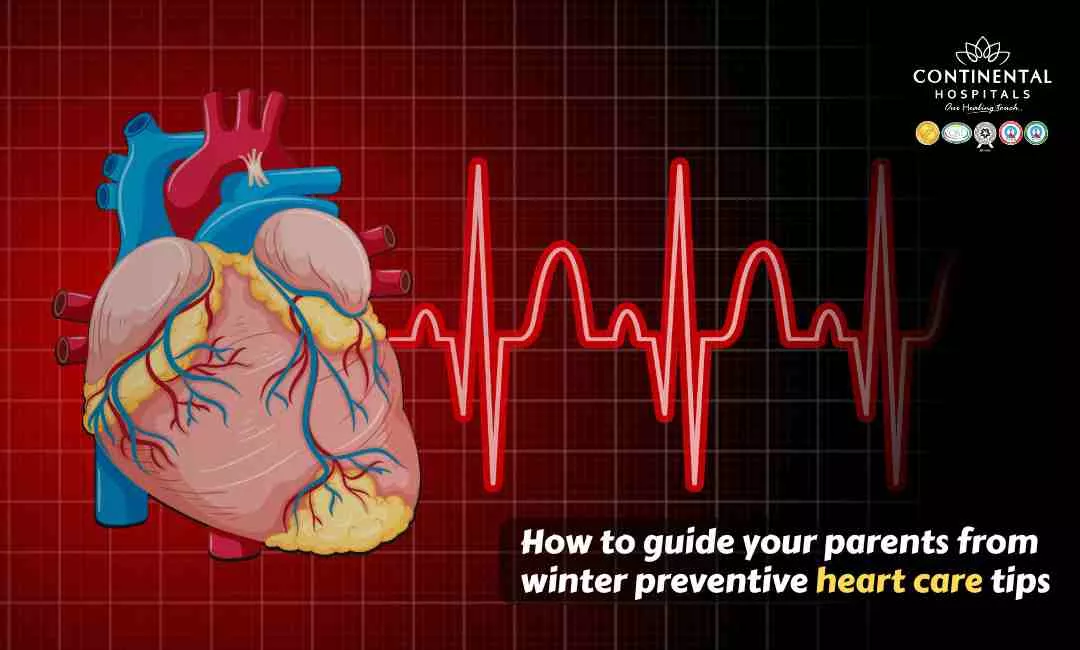
How to guide your parents from winter preventive heart care tips

Written by - Editorial Team
Medically Reviewed by - Dr Meeraji Rao Dandangi

Winter can be especially challenging for heart health, particularly for elderly parents. Cold temperatures cause blood vessels to narrow, increase blood pressure, and place extra strain on the heart. For seniors with existing heart conditions or risk factors like diabetes, high cholesterol, or hypertension, winter cardiac care becomes even more important. As a family member, your guidance can play a key role in protecting your parents’ heart health during the colder months.

Why Winter Increases Heart Risk in Elderly Parents?

During winter, the body works harder to stay warm. This natural response can affect the heart in several ways:

  • Blood vessels constrict, raising blood pressure
  • Cold air reduces oxygen supply to the heart
  • Physical activity often decreases during winter
  • Infections like flu can strain the heart
  • Dehydration is common due to reduced thirst

For seniors, these changes can increase the risk of heart attacks, strokes, and worsening heart disease. That is why winter cardiac care for elderly parents is not optional, it is essential.

Concerned about heart health this winter? visit our expert Cardiology Department at Continental Hospitals.

What are the common heart problems during winter?

Knowing early warning signs helps in timely medical care. Guide your parents to never ignore these symptoms:

  • Chest pain or discomfort
  • Shortness of breath during routine activity
  • Sudden fatigue or weakness
  • Dizziness or fainting
  • Swelling in feet or ankles
  • Irregular heartbeat

If any of these appear, consult a cardiologist immediately.

What are the daily winter heart care tips for parents?

Supporting senior heart health in winter starts with small daily habits. These steps are simple but powerful.

Keep the Body Warm
Cold exposure forces the heart to work harder. Ensure your parents:

Second Opinion

  • Wear layered clothing
  • Cover head, hands, and feet
  • Avoid early morning cold exposure
  • Keep indoor rooms comfortably warm

Encourage Gentle Physical Activity
Winter often reduces movement, which affects heart health.

  • Encourage indoor walking
  • Simple stretching exercises
  • Light yoga under guidance
  • Avoid sudden intense activity in cold weather

Regular movement improves circulation and supports heart disease prevention in seniors.

What are the best diet tips for winter cardiac care?

Food choices play a major role in winter heart care for parents.

Focus on:

  • Warm home cooked meals
  • Plenty of vegetables and fruits
  • Whole grains instead of refined foods
  • Healthy fats from nuts and seeds
  • Limited salt to control winter blood pressure in elderly


Avoid:

  • Excess fried foods
  • Heavy sweets
  • Excess tea or coffee
  • Packaged foods high in sodium

Warm soups, dals, and lightly spiced foods help digestion and heart health.

Need an Appointment?

How can I manage blood pressure and sugar levels during winter?

Winter often causes fluctuations in blood pressure and blood sugar, especially in seniors.

Guide your parents to:

  • Monitor blood pressure regularly
  • Check blood sugar as advised
  • Take medicines at the same time daily
  • Never stop or change medication without medical advice

Regular monitoring is one of the most effective heart care family tips during winter.

Why is hydration important in winter for heart health?

Many seniors drink less water in winter, increasing the risk of dehydration and thickened blood.

Encourage your parents to:

  • Sip warm water through the day
  • Include fluids like soups and herbal drinks
  • Avoid excessive caffeine

Proper hydration supports smooth blood flow and reduces heart strain.

How can I protect my parents from winter infections?

Flu and respiratory infections can trigger heart complications in elderly parents.

Preventive steps include:

  • Seasonal vaccinations as advised by doctors
  • Avoid crowded places during peak infection periods
  • Practice good hand hygiene
  • Seek early care for fever, cough, or breathing difficulty

Winter preventive heart care is incomplete without infection control.

How Can Seniors Manage Stress and Sleep to Keep Their Heart Healthy?

Mental stress and poor sleep can raise blood pressure and heart rate.

Help your parents by:

  • Encouraging regular sleep routines
  • Limiting late night screen exposure
  • Promoting relaxation activities like music or reading
  • Keeping a calm and supportive home environment

Good sleep is a powerful tool for heart disease prevention in seniors.

When Should Parents See a Cardiologist in Winter?

Do not wait for emergencies. A preventive heart check is advisable if parents:

  • Have existing heart disease
  • Have diabetes or hypertension
  • Experience breathlessness in cold weather
  • Have family history of heart problems

Regular consultations help adjust medications and reduce winter related risks.

How do doctors support winter cardiac care for the elderly?

Cardiologists focus on:

  • Reviewing heart medications
  • Adjusting blood pressure control
  • Advising safe physical activity
  • Preventing winter related complications

Professional guidance ensures safe and effective heart care for parents during winter.

Why Choose Continental Hospitals?

Continental Hospitals is known as one of the best hospitals in Hyderabad for comprehensive cardiac care. The hospital combines advanced technology with experienced specialists to deliver trusted heart care for seniors.

Key strengths include:

  • Experienced cardiologists and cardiac surgeons
  • Advanced cardiac diagnostics and monitoring
  • Evidence based preventive heart care programs
  • International quality and safety standards
  • Multidisciplinary approach for elderly patients

The hospital’s commitment to clinical excellence, patient safety, and continuous quality improvement ensures reliable care for families seeking long term heart health solutions.

Conclusion

Guiding your parents through winter preventive heart care is an act of love and responsibility. Small steps like keeping them warm, encouraging healthy eating, monitoring blood pressure, and ensuring regular medical checkups can significantly reduce heart risks. Winter heart care for parents is not about fear, it is about preparation and awareness.

If you or your parents are concerned about heart health during winter, consult our top cardiologists in Hyderabad at Continental Hospitals. Early evaluation, preventive care, and expert guidance can help protect senior heart health and ensure a safer, healthier winter.

Related Blog Topics:

  1. How to prevent Heart attacks in Winter
  2. Why Heart Attacks Are More Common in Winter

Frequently Asked Questions

Winter weather can put extra stress on the heart, especially in older adults and those with existing heart disease. Cold temperatures cause blood vessels to narrow, making the heart work harder to pump blood. This can increase blood pressure and reduce oxygen supply to the heart muscle. The risk of heart attacks, strokes, and heart failure often rises during colder months. Older adults may also be less physically active during winter, which can affect heart health. Respiratory infections like the flu can further strain the cardiovascular system. Dehydration is another overlooked issue because people tend to drink less water in cold weather. Certain medications may also affect how the body responds to cold temperatures. Family members should encourage regular health monitoring and timely medical checkups. Maintaining a healthy lifestyle throughout winter can significantly reduce heart-related complications.
Keeping your parents warm is one of the simplest ways to protect their heart during winter. Encourage them to wear multiple light layers instead of one heavy garment. Warm socks, gloves, scarves, and caps help reduce heat loss from the body. Keep indoor temperatures comfortable and avoid sudden exposure to cold outdoor air. If they need to go outside, advise them to dress warmly before stepping out. Avoid early morning or late-night outings when temperatures are lowest. Warm beverages and nutritious soups can also help maintain body warmth. Ensure heaters are used safely with proper ventilation. Encourage them to avoid sudden physical exertion while feeling cold. These small precautions help reduce stress on the cardiovascular system.
A heart-friendly winter diet should include plenty of fruits, vegetables, whole grains, and lean proteins. Seasonal vegetables provide important vitamins, minerals, and antioxidants. Healthy fats from nuts, seeds, and fish support cardiovascular health. Reduce salt intake to help manage blood pressure effectively. Avoid excessive fried foods, processed snacks, and sugary desserts commonly eaten during winter. Encourage warm homemade meals instead of packaged convenience foods. Adequate fiber helps control cholesterol levels and supports digestion. Staying hydrated is equally important despite reduced thirst during cold weather. Herbal teas and warm water can contribute to daily fluid intake. Balanced nutrition plays a major role in preventing winter-related heart complications.
Yes, regular physical activity remains important during winter, but it should be done safely. Encourage indoor exercises such as walking inside the house, stretching, yoga, or light strength training. If exercising outdoors, choose warmer daytime hours instead of early mornings. Warm up properly before beginning any activity to prepare the heart and muscles. Avoid strenuous exercise in freezing temperatures, especially for those with heart disease. Physical activity helps improve circulation, blood pressure, cholesterol, and overall cardiovascular fitness. Even 30 minutes of moderate exercise on most days offers significant benefits. Comfortable clothing and supportive footwear are essential. Any unusual symptoms like chest pain or breathlessness require immediate medical attention. A doctor can recommend the safest exercise routine based on individual health conditions.
Monitoring blood pressure and blood sugar becomes especially important during winter because both can fluctuate. Cold weather may increase blood pressure due to narrowing of blood vessels. Diabetes can silently increase the risk of heart attacks and strokes if poorly controlled. Encourage parents to check their blood pressure and glucose levels as advised by their doctor. Keep a record of readings to identify any unusual changes. Ensure medications are taken exactly as prescribed without skipping doses. Regular follow-up appointments help doctors adjust treatment if needed. Maintaining healthy eating habits and physical activity supports better control. Prompt medical advice should be sought if readings remain consistently high. Effective management of these conditions greatly lowers cardiovascular risk.
Heart attack symptoms can sometimes be subtle, especially in older adults. Watch for chest pain, pressure, tightness, or discomfort that lasts several minutes. Pain may spread to the arms, shoulders, neck, jaw, or back. Shortness of breath can occur with or without chest discomfort. Excessive sweating, nausea, dizziness, or sudden fatigue are also possible warning signs. Women and people with diabetes may experience less typical symptoms. Never ignore unexplained weakness or sudden collapse. Immediate medical attention greatly improves survival and reduces heart damage. Call emergency medical services without delay if symptoms appear. Early treatment saves lives and improves recovery outcomes.
Vaccinations play an important role in protecting overall health and reducing heart-related complications. Respiratory infections such as influenza can significantly increase the risk of heart attacks in vulnerable individuals. Annual flu vaccination is recommended for many older adults and people with chronic illnesses. COVID-19 vaccination may also provide additional protection where appropriate. Preventing severe infections reduces inflammation and stress on the cardiovascular system. Encourage parents to discuss recommended vaccines with their healthcare provider. Good hand hygiene and avoiding close contact with sick individuals provide added protection. Staying healthy during winter reduces hospitalizations and cardiovascular complications. Vaccination complements healthy lifestyle habits rather than replacing them. A preventive approach helps keep the heart healthier throughout the season.
Parents should schedule a cardiology consultation if they have existing heart disease, uncontrolled blood pressure, diabetes, or worsening symptoms. New chest pain, breathlessness, swelling of the legs, irregular heartbeat, or fainting should never be ignored. Routine follow-up visits are also important for medication review and risk assessment. Winter is a good time to ensure preventive care measures are in place. Regular heart evaluations can identify problems before they become emergencies. Doctors may recommend lifestyle adjustments, diagnostic tests, or medication changes when needed. Family members should encourage older adults not to delay medical appointments because of cold weather. Early evaluation often prevents serious complications. Personalized guidance helps maintain better heart health throughout the winter season. Timely care is the best way to reduce cardiovascular risks.
Disclaimer: The information provided in this blog is intended for general knowledge and informational purposes only, and does not constitute medical advice. Always consult with a qualified healthcare professional for any medical concerns or before making any decisions about your health.

Get in Touch With Us

Whether you are from India or abroad, we are here to help you with your medical queries. Please fill out the form below and our team will connect with you shortly.

  • ✔ Quick response from our medical experts
  • ✔ Secure data handling & privacy
  • ✔ Easy upload for reports & documents
banner_image

Chat with our medical experts on WhatsApp for quick assistance and hassle-free appointment booking

Recent Posts