.webp)


Gut health is the foundation of overall wellness. When your digestive system works well, your body absorbs nutrients better, immunity improves, and energy levels stay balanced. Many common problems such as bloating, acidity, constipation, frequent infections, and fatigue often begin in the gut. Starting 2026 with strong gut health can help you feel lighter, healthier, and more active throughout the year.
What Is Gut Health and Why Is It Important?
Gut health refers to how well your digestive system functions, especially the balance of bacteria living in your intestines. These bacteria are called the gut microbiome. Some bacteria are helpful and support digestion, immunity, and metabolism. Others can cause problems when they grow too much.
A healthy gut microbiome helps with
- Smooth digestion and regular bowel movements
- Better absorption of vitamins and minerals
- Stronger immune response
- Balanced mood and mental clarity
- Reduced inflammation in the body
When gut health is poor, you may notice symptoms like gas, bloating, acidity, food intolerance, irregular stools, or low energy. Over time, poor gut health can affect long term wellness.
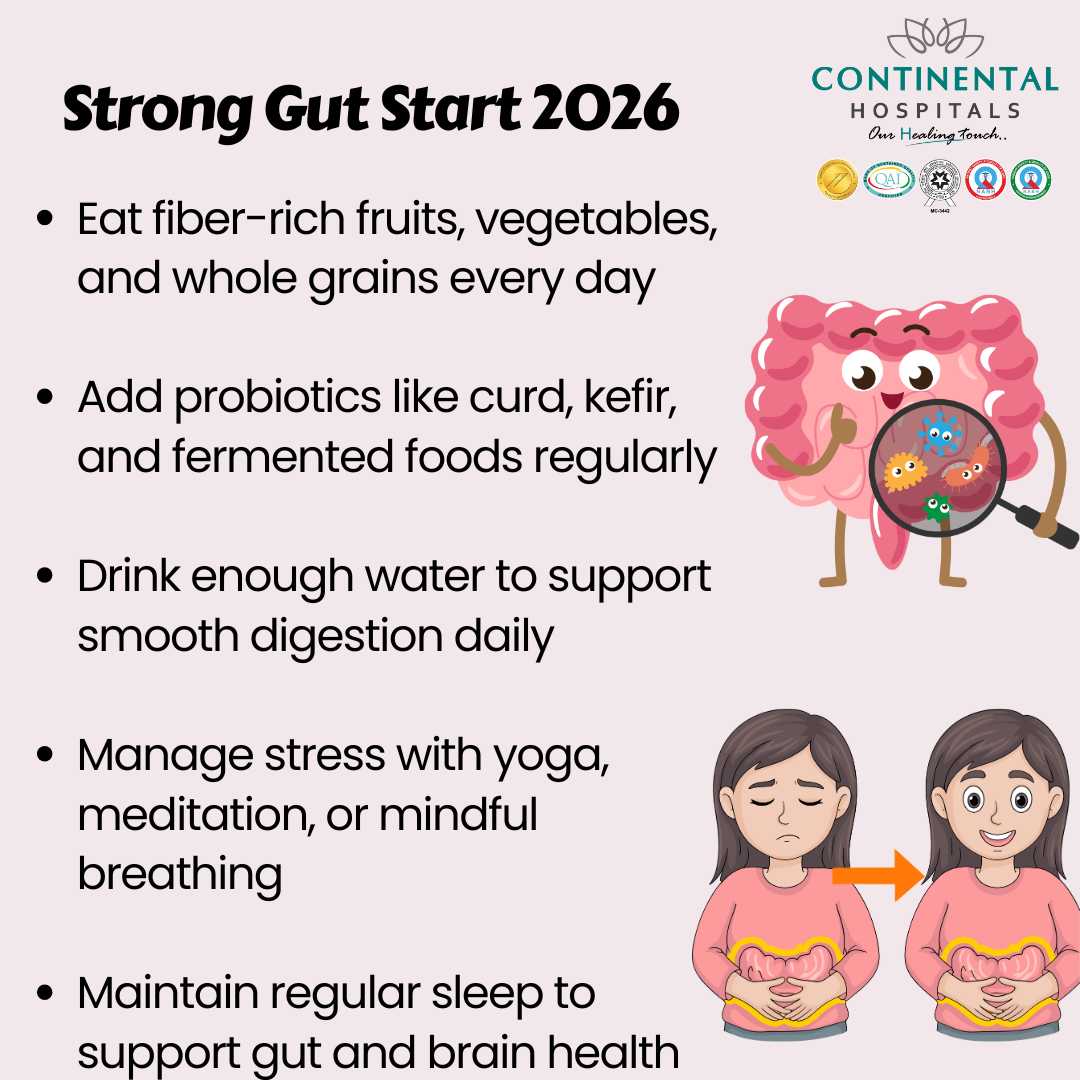
Gut Health Diet Basics for 2026
A gut health diet focuses on foods that nourish good bacteria and reduce irritation in the digestive tract.
Gut Healthy Foods to Include
- Fresh vegetables and fruits rich in fiber
- Whole grains like oats, brown rice, and millets
- Fermented foods for gut health such as curd, buttermilk, and traditional fermented preparations
- Nuts and seeds in moderate amounts
- Adequate water throughout the day
Fiber is essential because it feeds beneficial bacteria. Fermented foods naturally add probiotics for gut health, which help maintain microbial balance.

Foods to Limit for Better Digestion
- Highly processed foods
- Excess sugar and refined flour
- Deep fried and very spicy foods
- Frequent intake of packaged snacks
Reducing these foods helps prevent inflammation and supports a healthier gut lining.
Role of Prebiotics and Probiotics in Gut Health
Prebiotics and probiotics are key for digestive balance.
Prebiotics are types of fiber that feed good gut bacteria. Best prebiotics and probiotics often work together to improve digestion.
Sources of prebiotics include
- Bananas
- Garlic
- Onions
- Whole grains
Probiotics are live beneficial bacteria. They help restore balance in the gut microbiome.
Common probiotic sources
- Curd and yogurt
- Fermented foods
- Probiotic supplements when advised by a doctor
Best probiotics for gut health depend on your symptoms and overall health. Not all supplements suit everyone. Digestive health supplements should always be chosen carefully.
Gut Health Supplements and Digestion Supplements
Gut health supplements can support digestion when diet alone is not enough.
These may include
- Probiotics for gut health
- Prebiotic fiber supplements
- Digestive enzymes
- Other digestion supplements recommended by specialists
Before starting any digestive health supplements, it is important to consult a qualified doctor. Self medication can sometimes worsen symptoms.
Leaky Gut Diet and Healing the Gut Lining
Leaky gut refers to increased permeability of the intestinal lining. This can allow toxins and undigested food particles to enter the bloodstream and trigger inflammation.
A leaky gut diet focuses on
- Simple, home cooked meals
- Adequate protein
- Anti inflammatory foods
- Avoiding foods that cause irritation
Following the right gut health diet under medical guidance can help restore gut lining health over time.
Simple Daily Habits for Strong Gut Health
Small lifestyle changes can make a big difference.
- Eat meals at regular times
- Chew food slowly and mindfully
- Stay physically active
- Get adequate sleep
- Manage stress through relaxation techniques
Stress has a direct impact on the gut microbiome. Managing stress helps improve digestion and overall well being.
When Should You See a Doctor?
Occasional digestive discomfort is common. However, you should consult a specialist if you experience
- Persistent bloating or pain
- Long term constipation or diarrhea
- Unexplained weight changes
- Blood in stools
- Severe acidity not improving with lifestyle changes
Early evaluation helps prevent complications and supports faster recovery.
Why Choose Continental Hospitals for Gut Health Care?
Continental Hospitals is recognized as the best hospital in Hyderabad for comprehensive digestive care. The hospital offers a patient focused approach with advanced medical expertise.
Key reasons to choose Continental Hospitals
- Accredited by leading national and international healthcare bodies, reflecting high standards of safety and quality
- Experienced team of Gastroenterologists, Internal Medicine specialists, and Dietitians
- Advanced diagnostic facilities for accurate evaluation of gut related conditions
- Evidence based treatment plans tailored to individual needs
- Integrated care approach combining diet, lifestyle, and medical management
The hospital follows strict clinical protocols and quality benchmarks, ensuring trusted and reliable care for patients with digestive concerns.
Conclusion
Starting 2026 with strong gut health is one of the best decisions you can make for your overall well being. A balanced gut health diet, inclusion of gut healthy foods, proper use of prebiotics and probiotics, and healthy daily habits can significantly improve digestion and energy levels. Paying attention to early warning signs and seeking expert care when needed can prevent long term complications.
If you suffer from persistent digestive discomfort, bloating, acidity, or irregular bowel habits, consult our best Gastroenterologist at Continental Hospitals. As the best hospital in Hyderabad, Continental Hospitals offers expert diagnosis, advanced treatment, and compassionate care to help you achieve lasting gut health and start the year with confidence.
Related Blog Topics