.webp)

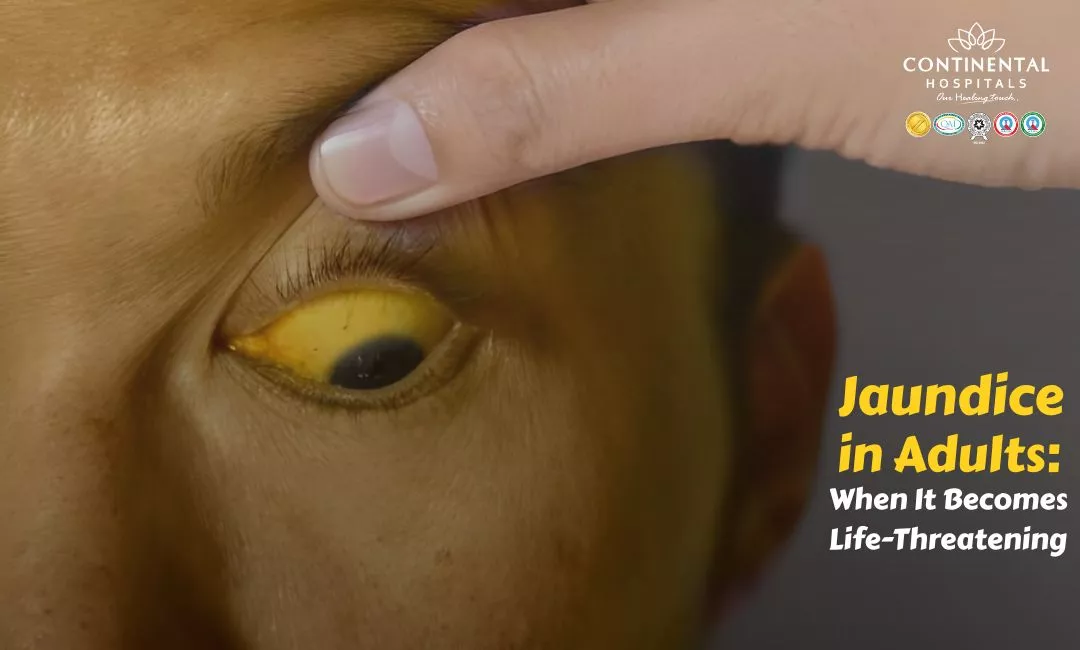
Jaundice is a condition many people associate with newborns, but jaundice in adults can be far more serious. In adults, it is often a warning sign that something is not right with the liver, gallbladder, pancreas, or blood. While mild cases may resolve with timely care, severe or untreated jaundice can become life-threatening. Understanding the symptoms, causes, and treatment options helps you act early and protect your health.
What Is Jaundice?
Jaundice is a condition where the skin, eyes, and mucous membranes turn yellow. This yellow color appears due to a buildup of bilirubin, a yellow pigment produced when red blood cells break down.
In a healthy body, the liver processes bilirubin and removes it through bile. When this process is disturbed, bilirubin levels rise, leading to jaundice.
Jaundice itself is not a disease. It is a sign of an underlying problem, often related to liver function or bile flow.
Visit our General Physician Department at Continental Hospitals for timely diagnosis and expert care—early treatment can make a life-saving difference.
Jaundice in Adults vs Jaundice in Newborns
Many people are familiar with jaundice in newborns or neonatal jaundice. This is usually physiological jaundice and often resolves on its own with monitoring.
Jaundice in adults is different. It is more likely linked to serious conditions such as liver disease, infections, bile duct blockage, or blood disorders. Adult jaundice always needs proper medical evaluation.
Common Symptoms of Jaundice in Adults
Jaundice symptoms may appear gradually or suddenly, depending on the cause. Common signs include:

- Yellowing of the eyes and skin
- Dark-colored urine
- Pale or clay-colored stools
- Itchy skin
- Fatigue and weakness
- Loss of appetite
- Nausea or vomiting
- Abdominal pain or swelling
- Fever in some cases
If these symptoms worsen or last more than a few days, medical attention is essential.
Major Causes of Jaundice in Adults
Understanding jaundice causes helps determine how serious the condition may be. Causes are usually grouped into three types.
1. Pre-liver causes
These occur before bilirubin reaches the liver.
- Excess breakdown of red blood cells
- Blood disorders such as hemolytic anemia
- Certain infections or reactions to medicines
2. Liver-related causes
These involve damage to liver cells.
- Viral hepatitis
- Alcohol-related liver disease
- Fatty liver disease
- Liver cirrhosis
- Drug-induced liver injury
- Autoimmune liver diseases
3. Post-liver causes
These occur after bilirubin leaves the liver.
- Gallstones blocking bile ducts
- Tumors of the pancreas or bile ducts
- Inflammation of bile passages
Each cause requires a different approach to jaundice treatment.
When Does Jaundice Become Life-Threatening?
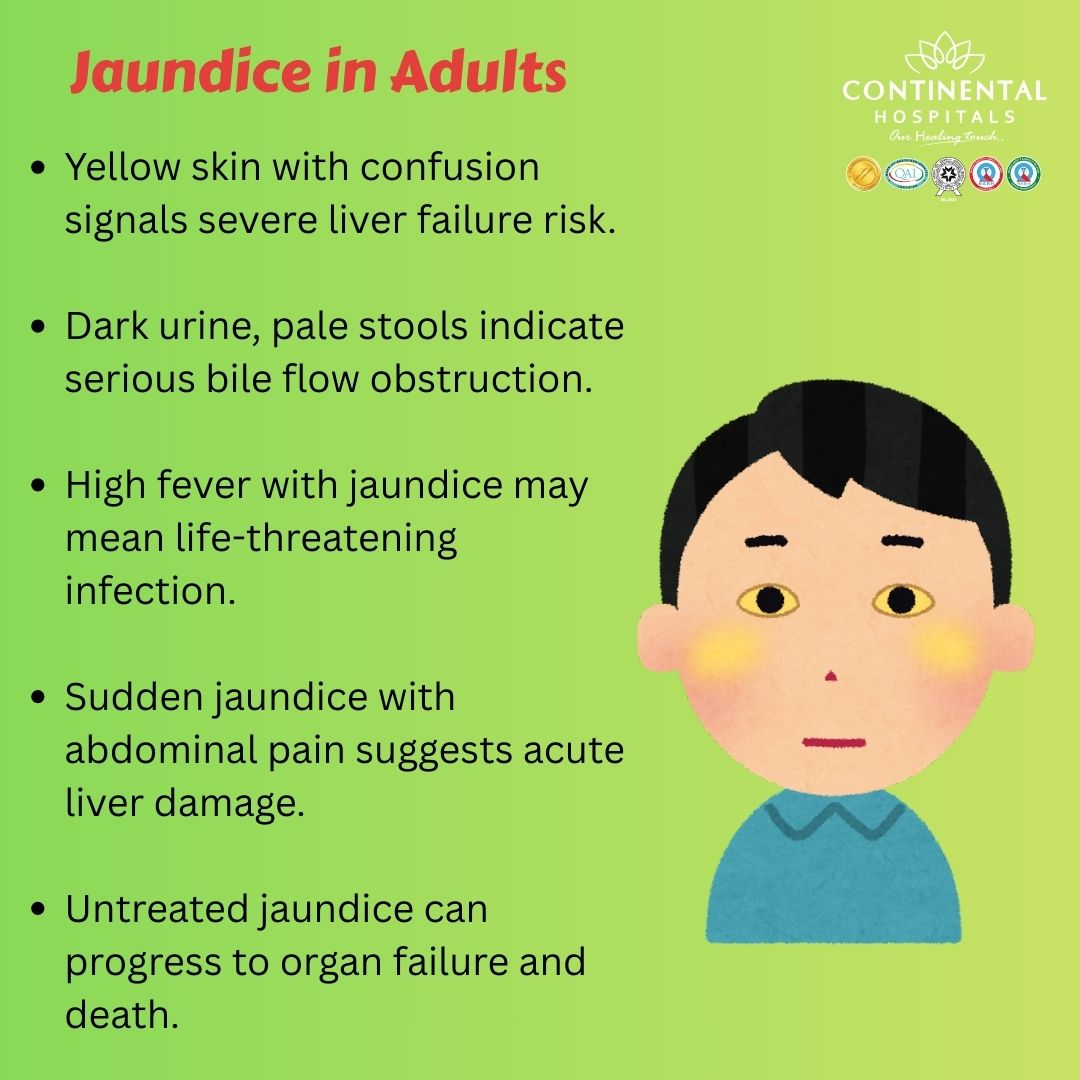
Jaundice in adults becomes dangerous when it signals severe liver failure or blockage that affects vital body functions. Warning situations include:
- Rapid yellowing with confusion or drowsiness
- Severe abdominal pain with fever
- Persistent vomiting
- Bleeding or easy bruising
- Swelling of legs or abdomen
- Sudden weight loss
These signs may indicate acute liver failure, advanced cirrhosis, sepsis, or cancer. Without prompt treatment, such conditions can be fatal.
Types of Jaundice You Should Know
Different jaundice types help doctors identify the root cause.
- Hemolytic jaundice caused by increased red blood cell breakdown
- Hepatocellular jaundice due to liver cell damage
- Obstructive jaundice caused by blocked bile flow
- Physiological jaundice usually seen in jaundice babies and newborns
Knowing the type helps guide accurate and effective care.
How Is Jaundice Diagnosed?
Doctors diagnose jaundice through a combination of tests:
- Blood tests to check bilirubin levels and liver enzymes
- Ultrasound or CT scans to look for blockages
- MRI or specialized imaging if needed
- Liver biopsy in selected cases
Early diagnosis improves outcomes, especially in serious jaundice disease conditions.
How to Treat Jaundice in Adults?
There is no single answer to how to treat jaundice. Treatment depends entirely on the cause.
Common jaundice treatment approaches include:
- Treating infections like hepatitis with medicines
- Stopping alcohol and liver-toxic drugs
- Removing gallstones or relieving bile duct blockage
- Managing chronic liver disease with long-term care
- Supportive treatment for liver failure, including intensive care
Self-treatment or home remedies are not enough for adult jaundice and may delay lifesaving care.
Can Jaundice Be Prevented?
While not all cases are preventable, you can reduce risk by:
- Avoiding excessive alcohol intake
- Maintaining a healthy weight
- Practicing safe food and water habits
- Getting vaccinated for hepatitis
- Using medicines only under medical guidance
- Managing chronic conditions like diabetes
These steps support liver health and lower the risk of yellow jaundice.
Why Choose Continental Hospitals?
Continental Hospitals is recognized as one of the best hospitals in Hyderabad for managing complex liver and digestive conditions. The hospital is accredited by NABH and NABL, reflecting high standards in patient safety, diagnostics, and clinical care.
Key reasons to choose Continental Hospitals include:
- Experienced hepatologists, gastroenterologists, and general physicians
- Advanced diagnostic facilities under one roof
- Multidisciplinary care for liver, pancreas, and bile duct diseases
- Evidence-based treatment protocols
- Patient-centered approach with clear communication
From early diagnosis to advanced treatment, care is delivered with precision and compassion.
When Should You See a Doctor?
If you or a loved one notices yellowing of the eyes or skin, do not ignore it. Jaundice in adults is a medical signal that needs expert evaluation. Early treatment can prevent complications and save lives.
Conclusion
Jaundice in adults is not just a cosmetic change in skin color. It is often a sign of serious internal illness. While some causes are treatable, others can become life-threatening if ignored. Recognizing symptoms early, understanding the causes, and seeking care at a trusted hospital are essential steps toward recovery.
Continental Hospitals stands ready to provide comprehensive, accredited, and expert care for jaundice and related conditions, helping patients return to healthier lives with confidence.
Consult our Best General Physician at Continental Hospitals. Timely diagnosis and specialized care can make a critical difference to your recovery.