.webp)

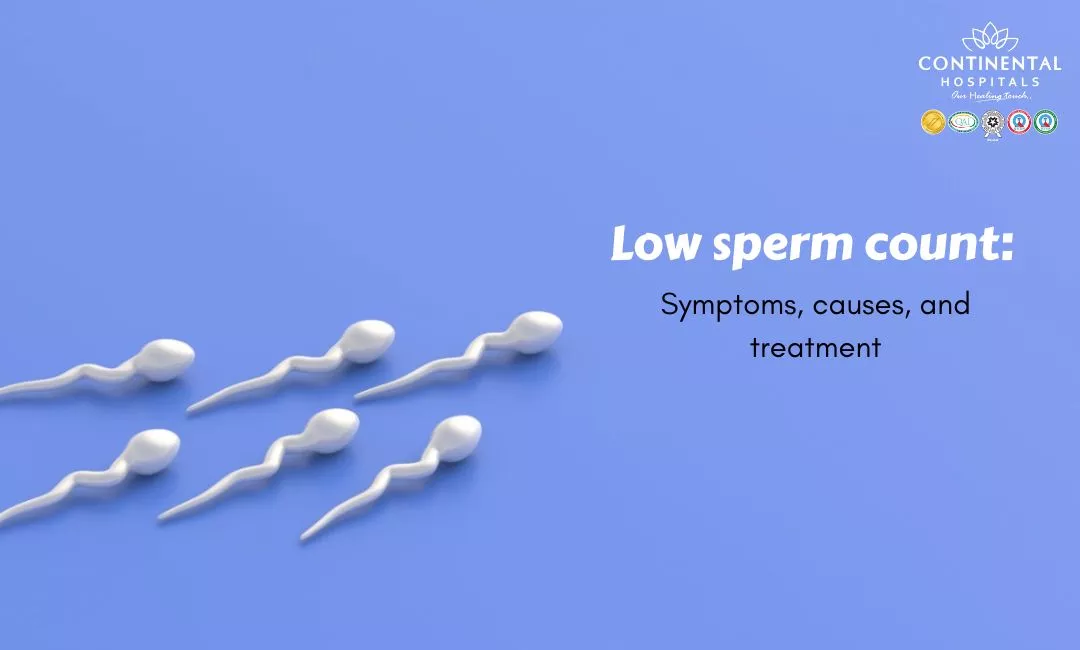
Male infertility is a growing concern for couples trying to conceive, and one of the most common factors is low sperm count. Also known as oligospermia, low sperm count can affect a man’s ability to father a child. Understanding the symptoms of low sperm count, causes of low sperm count, and the available low sperm count treatment options is essential for men looking to improve fertility and reproductive health.
If you have male infertility, visit our Continental Fertility Centre at Continental Hospitals, Hyderabad for evaluation, treatment, and support.
What is Low Sperm Count?
Low sperm count occurs when the semen contains fewer sperm than normal, making it harder for fertilization to occur. Normal sperm count typically ranges from 15 million to over 200 million sperm per milliliter of semen. Men with sperm production problems may struggle with conception even when other aspects of reproductive health are normal.
Some common indicators of low sperm count include decreased semen volume, low sperm motility, or abnormal sperm shape. These sperm quality issues can significantly impact male fertility.
Symptoms of Low Sperm Count
Men with low sperm count may not always show noticeable symptoms, but some signs can indicate potential fertility problems. Symptoms of low sperm count include:
- Difficulty conceiving a partner despite regular unprotected intercourse
- Reduced sexual desire or erectile dysfunction
- Pain, swelling, or a lump in the testicles
- Hormonal imbalances such as low testosterone
- Recurrent respiratory infections or delayed puberty in severe cases
It is important to remember that many men with low sperm count appear completely healthy, making regular fertility evaluation essential for early detection.
Causes of Low Sperm Count
Understanding the causes of low sperm count is key to addressing male infertility. Common factors include:
Medical conditions: Varicocele, infections, hormonal imbalances, or genetic disorders can affect sperm production.

Lifestyle factors: Smoking, excessive alcohol consumption, drug use, obesity, and poor diet can reduce sperm count and quality.
Environmental factors: Exposure to toxins, pesticides, radiation, or overheating of the testes may impair fertility.
Medications: Certain medications such as chemotherapy or anabolic steroids can affect sperm production.
Age-related decline: Sperm count and motility may decrease with age, impacting male fertility.
Identifying the underlying cause is crucial for effective low sperm count treatment and improving the chances of conception.
How to Increase Sperm Count
There are several approaches to improving sperm count in men naturally and medically. Effective strategies include:
Lifestyle modifications: Maintain a healthy weight, exercise regularly, avoid smoking, alcohol, and drugs.
Balanced diet: Include foods rich in antioxidants, zinc, selenium, and vitamins C and D to support sperm production.
Manage stress: High stress can negatively impact hormone levels and sperm health.
Avoid overheating: Limit prolonged exposure to hot baths, saunas, and tight clothing that raises scrotal temperature.
Medical interventions: Hormone therapy, medications, or surgery may be recommended based on the specific cause.
Combining natural remedies with professional guidance often yields the best results for male fertility problems.
Low Sperm Count Treatment Options
Treatments for male infertility depend on the underlying cause of low sperm count. Common treatment approaches include:
Medication and hormone therapy: Addressing hormonal imbalances or infections that affect sperm production.
Surgical procedures: Correcting varicocele or removing blockages in the reproductive tract.
Assisted reproductive techniques (ART):
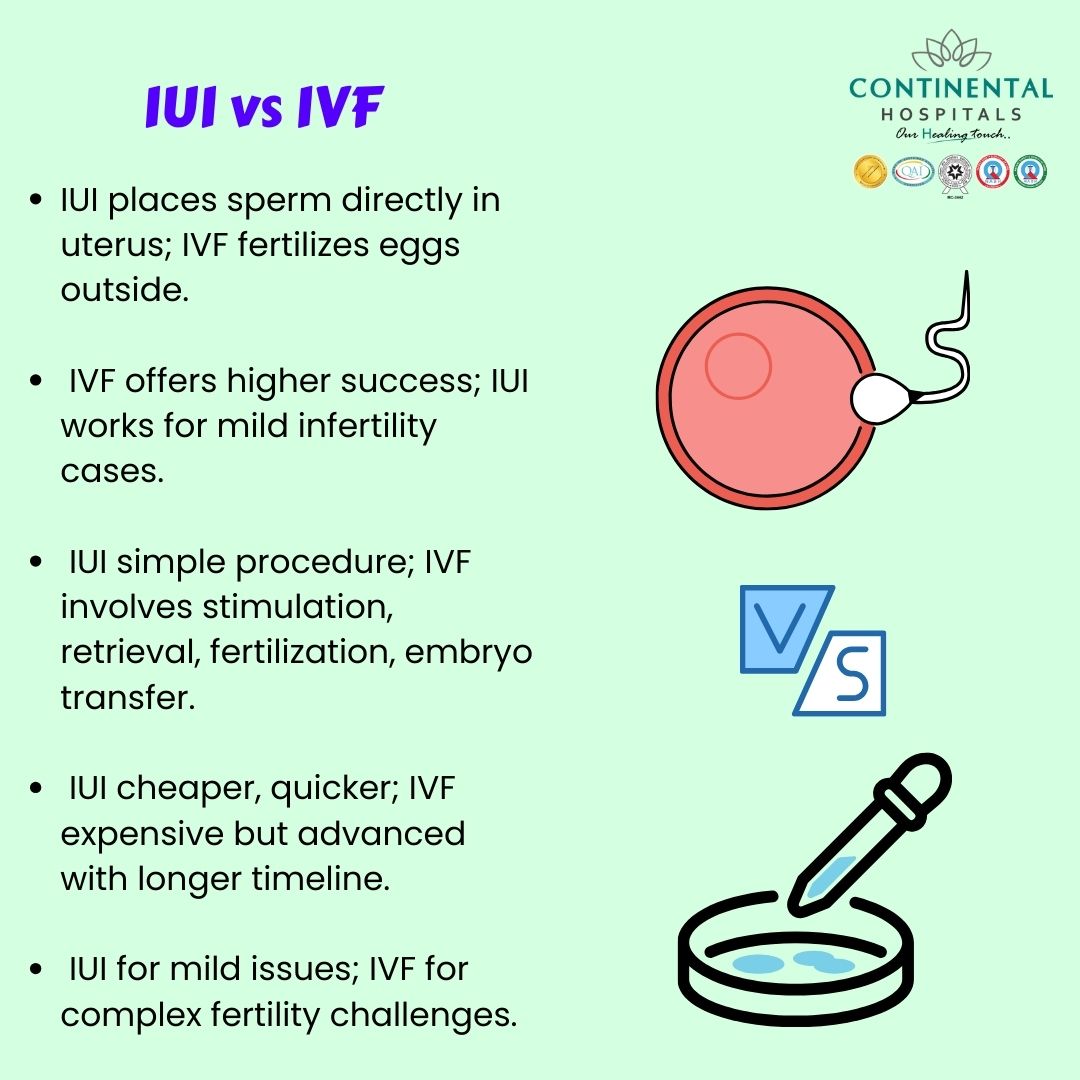
Intrauterine Insemination (IUI): Sperm is prepared and placed directly into the uterus to improve chances of fertilization.
In Vitro Fertilization (IVF): Sperm and eggs are fertilized in a lab, and the embryo is transferred to the uterus.
Lifestyle and dietary guidance: Doctors provide personalized plans to improve male reproductive health naturally.
These approaches are tailored based on individual evaluation, ensuring safe and effective care.
Natural Remedies for Low Sperm Count
In addition to medical treatment, certain natural remedies for low sperm count can support reproductive health:
- Foods rich in antioxidants such as berries, nuts, and leafy greens
- Omega-3 fatty acids from fish or flaxseeds
- Herbal supplements like Ashwagandha, under medical supervision
- Regular exercise and stress reduction techniques
- Adequate sleep and hydration
While these remedies may help improve sperm quality, they are most effective when combined with professional evaluation and treatment.
Low Sperm Count and Conception
Low sperm count can affect fertility, but many men with oligospermia can still conceive with proper guidance. Early diagnosis and treatment increase the chances of successful conception. Couples are encouraged to seek fertility evaluation if conception has not occurred after a year of unprotected intercourse.
Understanding low sperm count causes and symptoms and working with a fertility specialist can make a significant difference in achieving parenthood.
Why Choose Continental Hospitals?
Continental Hospitals, Hyderabad, is one of the best hospitals in Hyderabad for managing male infertility and reproductive health. The hospital is internationally accredited and provides world-class facilities for diagnosis and treatment. Reasons to choose Continental Hospitals include:
- Experienced Urologists and Reproductive Medicine Specialists
- Comprehensive evaluation and personalized treatment for male fertility problems
- Advanced diagnostic labs and assisted reproductive techniques
- Multidisciplinary care ensuring ethical, safe, and patient-focused treatment
- Supportive environment for both patients and families throughout the fertility journey
The hospital’s accreditations and clinical excellence ensure high-quality care with proven results.
Conclusion
Low sperm count is a common cause of male infertility, but it can be effectively managed with early diagnosis, proper lifestyle changes, and targeted medical treatment. Understanding the symptoms of low sperm count, causes of low sperm count, and available low sperm count treatment options is critical for improving fertility and reproductive health.
If you suffer from male infertility or want to improve your sperm quality and reproductive health, consult our best urologists at Continental Hospitals, Hyderabad. Our specialists provide accurate evaluation, personalized treatment plans, and compassionate support to help you achieve your dream of parenthood.
Related Blog Topics