.webp)


Obesity is often seen as a problem of excess weight, but science shows it is deeply connected to how the brain works. Your metabolism, your eating habits, your energy levels, your mood, and even your decision-making are influenced by your brain. When this connection is disturbed, weight gain becomes more than just a physical issue. It becomes a complex health condition that affects your entire well-being.
Understanding the Link Between Obesity and the Brain
Your brain plays a central role in controlling hunger, fullness, metabolism, and body weight. It continuously receives signals from hormones and nutrients to maintain balance.
Key areas in the brain influence weight and metabolism:
Hypothalamus
Controls hunger, satiety, and energy spending.
Prefrontal cortex
Helps with self-control, food choices, and planning meals.
Reward system
Governs cravings and emotional eating.
When these regions are affected due to stress, lack of sleep, hormonal imbalance, or poor eating patterns, weight gain becomes harder to control. Over time, obesity itself can alter brain function, creating a cycle that makes metabolic balance more difficult.
How Metabolism Connects to Brain Health?
Metabolism is the process by which your body converts food into energy. A healthy metabolism means your body burns calories efficiently and keeps hormones balanced.

Here is how metabolism and brain health influence each other:
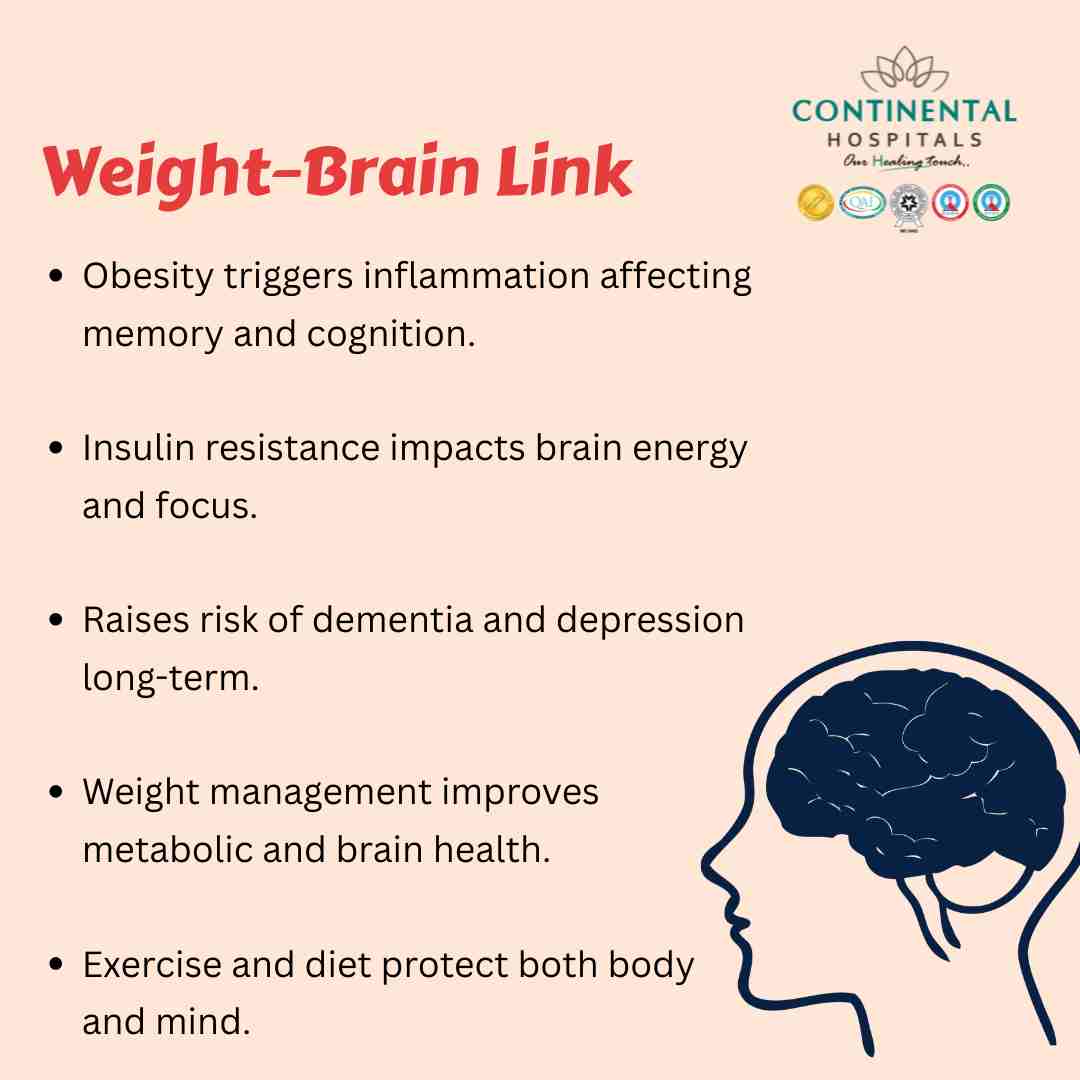
- A slow metabolism reduces energy supply to the brain, impacting focus and alertness.
- Chronic inflammation caused by obesity affects brain cells.
- Hormones like insulin, leptin, and ghrelin send signals to the brain and directly influence appetite and mood.
- Poor metabolic health increases the risk of depression and anxiety.
- Unbalanced blood sugar levels affect memory, concentration, and decision-making.
When metabolism weakens, the brain struggles to regulate appetite and energy correctly. This leads to overeating, cravings, fatigue, and continued weight gain.
How Obesity Affects the Brain Over Time?
Obesity is more than a weight issue. It is a health condition that impacts the brain in many ways:
- Reduces blood flow to the brain
- Increases inflammation
- Raises the risk of stroke
- Alters hormone balance
- Affects mood, sleep, and stress levels
- Triggers emotional eating and food addiction patterns
Studies show that long-term obesity may increase the risk of dementia and cognitive decline. Early care and lifestyle management can prevent these complications.
How the Brain Influences Obesity?
Just as obesity affects the brain, the brain also drives weight gain:
- Stress raises cortisol levels which increases fat storage
- Poor sleep interferes with hunger hormones
- Emotional eating creates strong reward patterns in the brain
- Decision fatigue leads to unhealthy food choices
- Chronic pressure or low mood reduces motivation for activity
This two way connection shows why obesity treatment must involve both physical and mental health care.
Hormones that Connect Obesity and Brain Health
Hormones act as messengers between your brain and body. When these hormones are disrupted, weight control becomes more difficult.
Important hormones include:
- Insulin: Controls blood sugar and energy use
- Leptin: Signals fullness to the brain
- Ghrelin: Triggers hunger
- Cortisol: Stress hormone that promotes fat storage
- Thyroid hormones: Regulate metabolism speed
When these hormones lose balance due to obesity, the brain receives mixed signals. This causes overeating, cravings, and fatigue.
Symptoms that Indicate a Disrupted Brain Metabolism Link
You may notice signs that your brain and metabolism are out of sync:
- Constant hunger even after meals
- Low energy levels
- Difficulty concentrating
- Frequent cravings
- Sleep problems
- Emotional eating
- Mood swings
- Weight gain around the abdomen
- Slow digestion
- Feeling tired after eating
These symptoms show that your metabolism and brain signals need medical evaluation.
Health Risks When This Connection Is Ignored
If obesity and metabolic imbalance are not treated early, they increase the risk of:
- Type 2 diabetes
- Fatty liver disease
- High blood pressure
- Stroke
- Heart disease
- Sleep apnea
- Cognitive decline
- Depression and anxiety
- Hormonal disorders
Early diagnosis and personalised treatment can help prevent these complications.
Simple Ways to Improve Brain and Metabolic Health
You can support both your brain and metabolism with simple lifestyle changes.
Here are practical steps:
Balanced meals
Prefer high fibre foods, lean proteins, whole grains, and healthy fats.
Regular physical activity
Helps regulate hormones and burn excess calories.
Quality sleep
Supports metabolic repair and reduces cravings.
Stress management
Practice breathing exercises, meditation, or relaxation techniques.
Limit sugar and processed foods
Reduces inflammation and supports stable blood sugar.
Stay hydrated
Improves digestion and energy levels.
Monitor portion sizes
Helps prevent overeating triggered by brain reward signals.
Routine health checkups
Detect hormonal or metabolic imbalances early.
Why Choose Continental Hospitals for Obesity and Metabolic Care?
Continental Hospitals is recognised as one of the best hospitals in Hyderabad for advanced obesity and metabolic health management. The hospital follows international clinical protocols and offers multidisciplinary care supported by highly experienced specialists.
Key strengths include:
- Expertise of endocrinologists, dietitians, bariatric surgeons, and neurologists
- Personalised treatment plans for each patient
- Advanced diagnostic systems for metabolic and hormonal evaluation
- Strong focus on preventive care and long-term health improvement
- Accredited for quality, safety, and patient centric care under global healthcare standards
- Comprehensive rehabilitation, nutrition, and lifestyle counselling
- Supportive teams for long term follow up and monitoring
This approach ensures that every patient receives safe, structured, and effective care.
Conclusion
The connection between obesity, metabolism, and brain health is strong and cannot be ignored. When your brain and metabolism fall out of balance, it becomes difficult to control weight, maintain energy, or stay emotionally stable. Early medical guidance, lifestyle support, and expert evaluation can help restore this balance and protect your long-term health.
If you suffer from symptoms of metabolic imbalance or weight gain that does not improve with lifestyle changes, consult a specialist at Continental Hospitals. Our expert endocrinologists and metabolic health team can help you understand your condition and guide you toward safe and lasting recovery.