.webp)

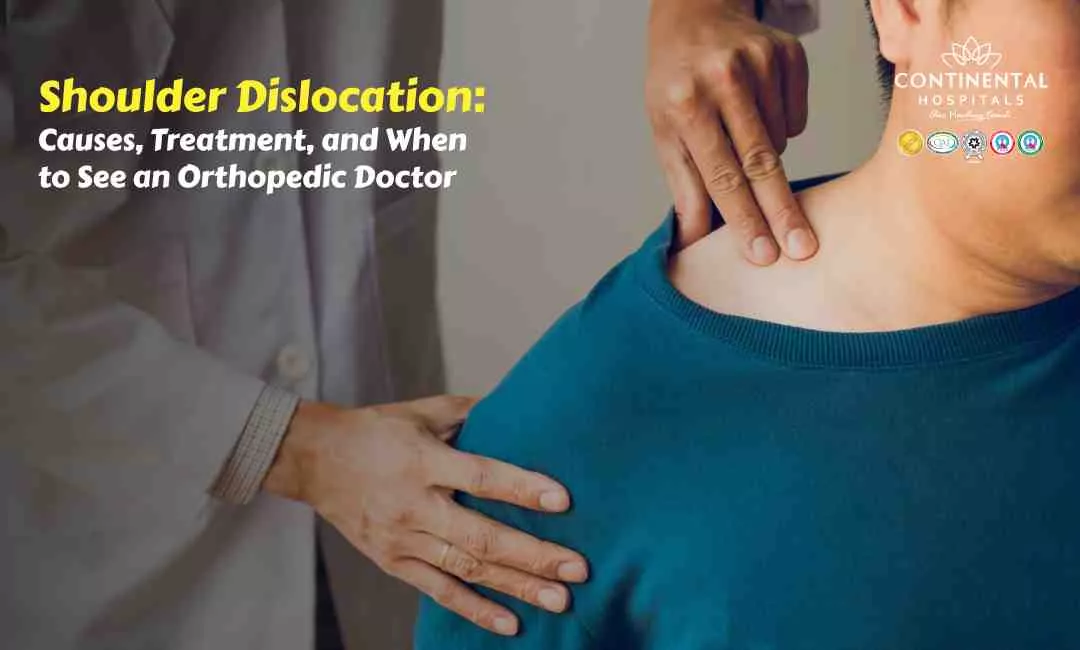
A shoulder dislocation is one of the most common joint injuries, yet many people misunderstand how serious it can be. The shoulder joint is the most flexible joint in the body, which also makes it more prone to slipping out of place. When the ball of the upper arm bone moves out of the shoulder socket, the result is a painful dislocation that needs timely medical attention. Ignoring the signs or delaying treatment can lead to repeat dislocations, long term damage, weakness and reduced movement.
What Causes a Shoulder Dislocation?
The shoulder is designed for a wide range of motion. It helps you lift, rotate and move your arm in many directions. This flexibility also makes it less stable than other joints. A sudden force or impact can make the joint slip out of place.
Here are common causes of shoulder dislocation:
1. Falls
Slipping in the bathroom, falling while walking or tripping on stairs can push the arm suddenly and dislocate the shoulder.
2. Sports injuries
Contact sports like football, kabaddi, cricket fielding or any activity that involves sudden arm movement can lead to a dislocation.
3. Road accidents
Even a small collision can create enough force on the shoulder to push it out of the socket.
4. Overstretching the joint
People with loose ligaments or hypermobility may experience shoulder dislocation during routine activities.
5. Heavy lifting
Incorrect lifting techniques can overload the joint and make it slip.


Symptoms of a Shoulder Dislocation
A shoulder dislocation is usually very easy to identify. The following symptoms appear quickly:
- Severe pain in the shoulder or upper arm
- Visible deformity or a shoulder that looks out of place
- Swelling and bruising
- Inability to move the arm
- Tingling or numbness in the arm or hand
- Muscle spasms around the shoulder
If you notice these signs, do not try to push the shoulder back into place. Doing so can damage nerves, blood vessels and surrounding tissues. Immediate medical evaluation is essential.
Types of Shoulder Dislocation
Shoulder dislocations are classified based on the direction in which the bone moves out of the joint.
Anterior dislocation
The bone moves forward. This is the most common type.
Posterior dislocation
The bone moves backward, usually due to strong force or seizures.
Inferior dislocation
The bone moves downward. This type is rare but severe.
Understanding the type helps the orthopedic doctor choose the correct treatment.
How Is a Shoulder Dislocation Diagnosed?
Doctors usually perform a physical examination followed by imaging tests.
X ray
Shows the direction of the dislocation and any fractures.
MRI
Used to check ligament, tendon or soft tissue damage.
CT scan
Helps in complex cases or when repeated dislocations occur.
A proper diagnosis is the first step toward safe treatment and long term shoulder stability.
Treatment Options for Shoulder Dislocation
Treating a shoulder dislocation involves reducing pain, restoring joint position and protecting the shoulder while it heals.
1. Closed reduction
The orthopedic doctor gently guides the bone back into the joint. Pain relief is usually provided before the procedure. Once the shoulder returns to normal position, pain reduces immediately.
2. Immobilization
The arm may be placed in a sling for a few days to support healing. This prevents further movement and protects the joint.
3. Medications
Pain relievers and anti inflammatory medicines help control pain and swelling during recovery.
4. Physiotherapy
Rehabilitation strengthens the shoulder muscles and improves movement. It also reduces the chance of repeat dislocation. Exercises focus on posture, flexibility and joint control.
5. Surgery
Required only in specific cases such as repeated dislocations, severe ligament tears or bone injuries. Modern arthroscopic surgery offers faster recovery and improved stability.
When Should You See an Orthopedic Doctor?
Many people ignore shoulder pain hoping it will settle on its own. But a dislocation needs expert evaluation. You should consult an orthopedic doctor if you notice the following:
- Pain that does not reduce
- Difficulty lifting or rotating the arm
- Shoulder that feels loose or unstable
- Frequent popping or slipping sensation
- History of repeated dislocations
- Weakness in the shoulder muscles
Immediate medical care helps prevent long term complications like frozen shoulder, chronic instability or early joint damage.
Complications if a Shoulder Dislocation Is Not Treated
Delaying treatment can lead to:
- Damage to nerves around the shoulder
- Muscle weakness
- Recurrent dislocations
- Long term pain
- Stiffness and limited movement
- Shoulder arthritis in the future
Timely evaluation at a trusted hospital ensures complete and safe recovery.
Why Choose Continental Hospitals for Shoulder Dislocation Treatment?
Continental Hospitals is recognised as one of the best hospitals in Hyderabad for orthopedic care. Patients trust the hospital because of its advanced technology, experienced specialists and patient focused approach.
Here are key reasons to choose Continental Hospitals:
- Expert orthopedic doctors with extensive experience in shoulder injuries
- State of the art imaging and diagnostic systems for accurate evaluation
- Modern physiotherapy and rehabilitation units
- Minimally invasive arthroscopic surgery options
- Safe and sterile environment
- Personalised treatment plans for every patient
- Multidisciplinary team support for faster healing
Continental Hospitals is accredited by international quality bodies that measure safety, hygiene and treatment standards. These accreditations reflect the hospital commitment to delivering high quality, ethical and evidence based healthcare.
Tips to Prevent Shoulder Dislocation
- Warm up before sports or exercise
- Strengthen shoulder and upper back muscles
- Maintain correct posture
- Avoid sudden heavy lifting
- Be careful on stairs and slippery floors
- Follow physiotherapy guidance if you had a previous injury
Simple lifestyle habits can protect the shoulder from injuries.
Conclusion
A shoulder dislocation is a painful injury that needs timely medical attention. Understanding the causes, symptoms and treatment options helps you take quick action and prevent long term complications. With expert orthopedic specialists, advanced facilities and international accreditations, Continental Hospitals is one of the best hospitals in Hyderabad for shoulder dislocation treatment.
If you suffer from shoulder pain, instability or a recent shoulder injury, meet our best orthopedic doctor at Continental Hospitals for a complete evaluation and personalised treatment.