.webp)

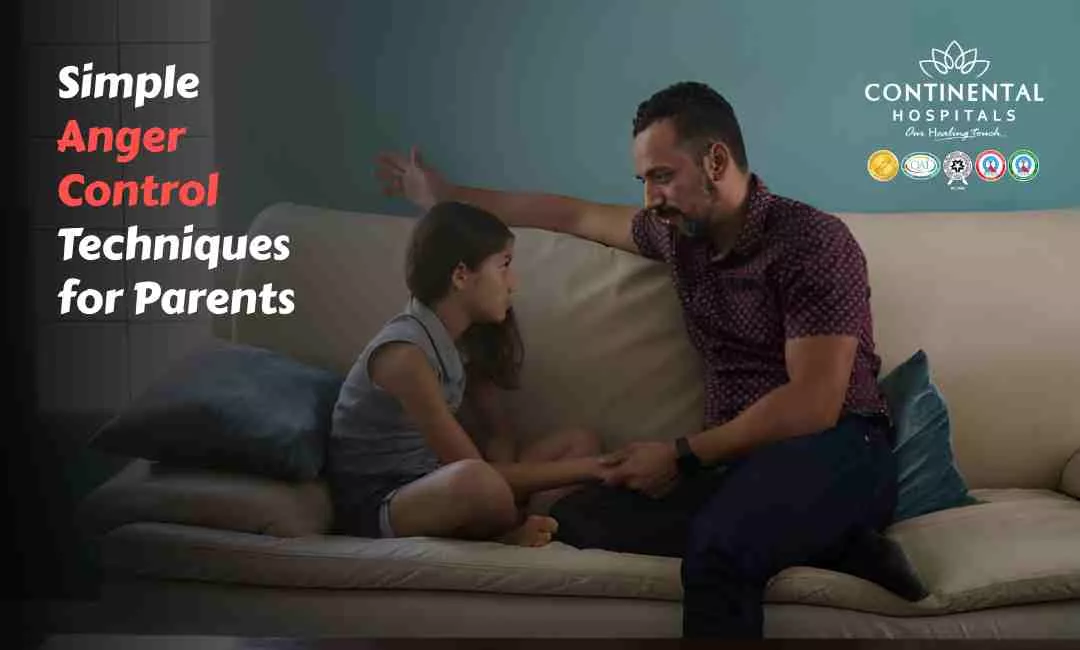
Parenting is rewarding, but it can also be overwhelming. Long working hours, household responsibilities, constant demands from children, and daily stress can make even the calmest parents lose patience. Anger is a natural emotion, but when it becomes frequent or intense, it affects children’s behaviour, emotional health, and sense of security. Learning anger management tips for parents is essential to create a peaceful home and raise emotionally strong children. This guide helps parents understand why anger happens, how to manage it, and when to seek help.
Understanding Why Parents Get Angry
Parents often feel stressed due to tiredness, multitasking, and unmet expectations. When children refuse to listen or repeat mistakes, frustration builds up. This leads to reactions such as shouting or harsh discipline to control the situation quickly. However, these reactions can affect a child’s confidence and emotional development. By learning quick calming techniques for moms and dads, it becomes easier to guide children with patience instead of anger.
The Impact of Parental Anger
Anger affects both parents and children.
When parents lose temper, children may:
- Feel scared or confused
- Withdraw emotionally
- Develop aggressive behaviour
- Struggle with concentration
Parents may also feel guilty after shouting, which creates more stress. Understanding this cycle helps parents take action to break it.
Simple Anger Control Techniques for Parents
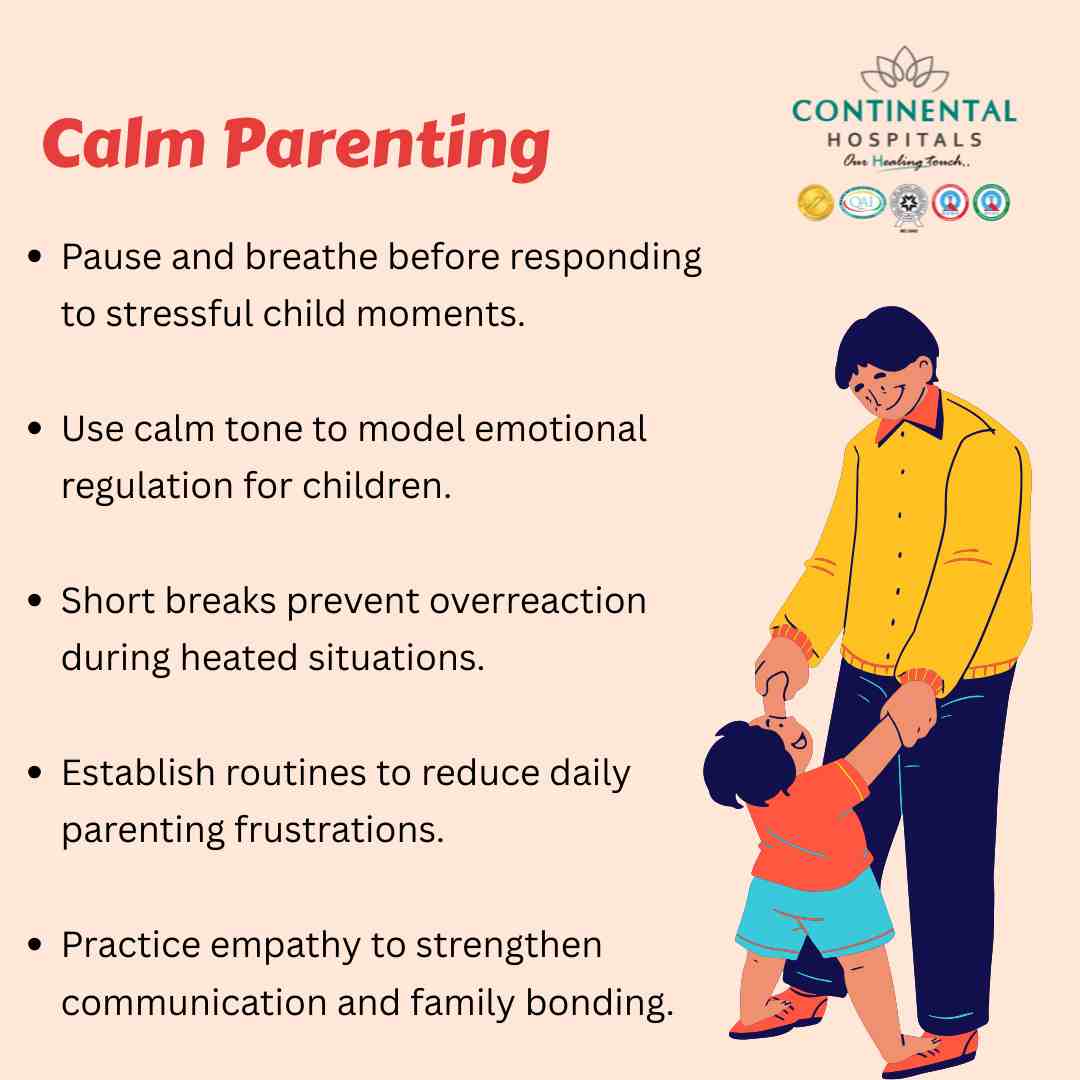
Use the following tools to manage stressful moments and respond calmly.
1. Pause before reacting
A short pause can prevent anger from escalating. These few seconds allow you to think clearly and choose a calmer response.
2. Deep breathing
Slow, deep breaths relax the mind and body. This method is a powerful part of mindfulness for busy parents and helps reduce stress immediately.

3. Walk away for a moment
If a situation feels overwhelming, step aside for a minute. Drink water, look out the window, or sit quietly until you regain control.
4. Lower your voice
Softening your tone can help your child listen better. It also naturally reduces your anger.
5. Label your emotions
Saying phrases like I am upset or I need a moment helps you process feelings and model healthy emotional expression for children.
6. Think from the child’s view
Understanding that children make mistakes as part of learning helps reduce frustration.
7. Set realistic expectations
Expecting perfection increases stress. Adjust your expectations to match the child’s age and abilities.
8. Create a calm home routine
Organised mornings, predictable bedtimes, and simple rules reduce stress for both parents and children.
Parenting Stress Reduction Strategies
These long term strategies help parents stay balanced.
- Maintain regular sleep
- Eat nutritious meals
- Plan weekly routines
- Share responsibilities with family members
- Practice short relaxation exercises
- Limit excessive screen time
- Stay connected with supportive friends or community groups
These strategies reduce daily stress and improve emotional balance.
How to Apologize to a Child after Losing Temper?
Apologising teaches children about accountability. Steps include:
- Calm yourself before speaking
- Use simple words
- Explain that losing temper was wrong
- Reassure the child that you love them
- Discuss what both of you can do next time
Apologising does not reduce authority. Instead, it strengthens trust and models the right way to handle mistakes.
Co Parenting Anger Control Tips
When two parents work together, disagreements may arise. These tips help maintain harmony.
- Speak respectfully even during tense moments
- Avoid arguments in front of children
- Use clear communication
- Share responsibilities fairly
- Support each other’s parenting decisions
- Seek professional help if communication becomes difficult
Tools to Avoid Harsh Discipline
Parents can avoid reactive punishment by using positive guidance methods. Useful tools include:
- Time in instead of time out
- Clear and consistent rules
- Natural consequences
- Rewarding good behaviour
- Teaching rather than punishing
These tools help children learn self control and responsibility without fear.
When to Get Help for Parental Anger
Seeking help is important if:
- Anger feels out of control
- You shout daily
- Children express fear
- You feel guilty often
- Conflicts affect family relationships
A trained counsellor, psychologist, or paediatric behavioural specialist can help parents develop healthier coping strategies.
Why Choose Continental Hospitals for Behavioural and Family Support?
Continental Hospitals offers expert support for parents dealing with stress, emotional imbalance, or behavioural challenges at home. The hospital follows global clinical standards and is recognised for its world class patient safety and quality practices. It is accredited by JCI which reflects excellence in healthcare delivery and patient care systems. Parents receive guidance from experienced psychologists, psychiatrists, and family counsellors who use evidence based methods for anger management and stress reduction. The hospital environment encourages privacy, compassion, and personalised support for each family.
If You Suffer from Uncontrolled Anger
If you frequently lose temper or feel overwhelmed by parenting stress, you are not alone. Many parents experience the same challenge. Getting help early protects your emotional wellbeing and strengthens your bond with your child. A specialist can help you understand triggers, build healthier habits, and create a peaceful family routine.
Conclusion
Parental anger is common, but it does not have to control your relationship with your child. With simple anger control techniques for parents, mindfulness for busy parents, and effective tools to avoid harsh discipline, you can respond calmly and create a nurturing environment. Applying these strategies consistently improves communication, reduces stress, and strengthens trust between parents and children. If anger becomes difficult to manage, professional guidance can make a meaningful difference. Continental Hospitals provides expert behavioural health support to help families build balanced and emotionally healthy lives.
If you struggle with frequent anger, stress, or emotional exhaustion while parenting, consult our best Psychologists at Continental Hospitals. Our specialists can guide you with personalised anger management strategies and family counselling support.