.webp)

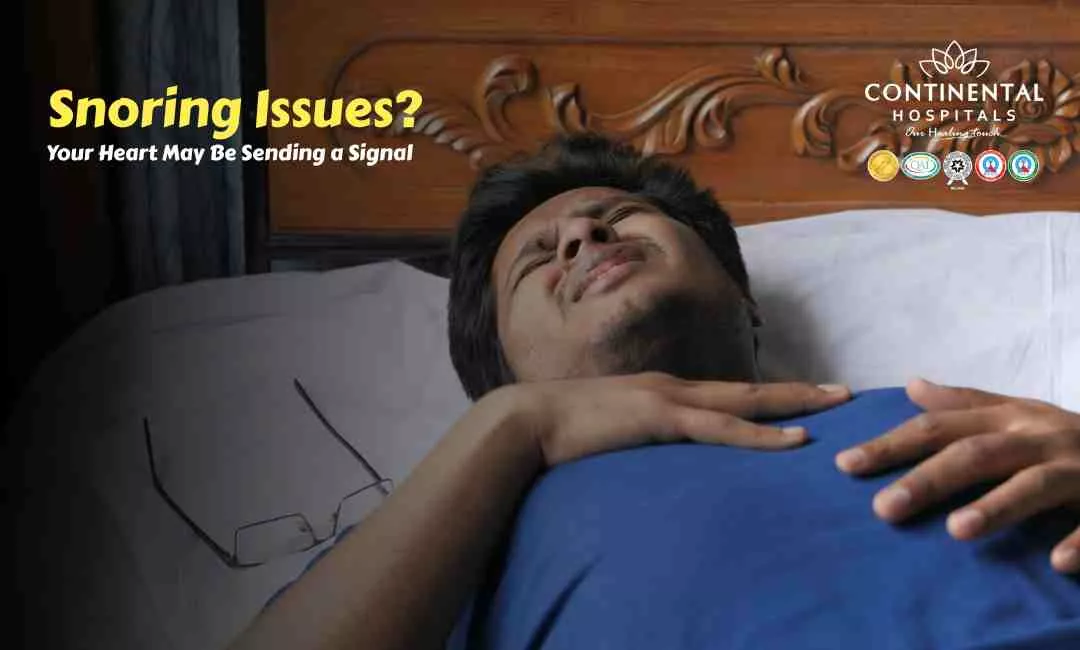
Snoring is often dismissed as a simple nighttime disturbance, but it can be a warning sign your body is trying to share. Many people wonder if snoring means heart problems, and research suggests a strong link between snoring, sleep apnea, and heart disease. Your breathing pattern at night reflects how healthy your heart and blood vessels are. Ignoring loud or frequent snoring can increase the risk of hypertension, irregular heartbeat, and even heart failure. Understanding this connection can help you take early action, protect your overall health, and improve your quality of life.
Snoring and the Heart Disease Connection
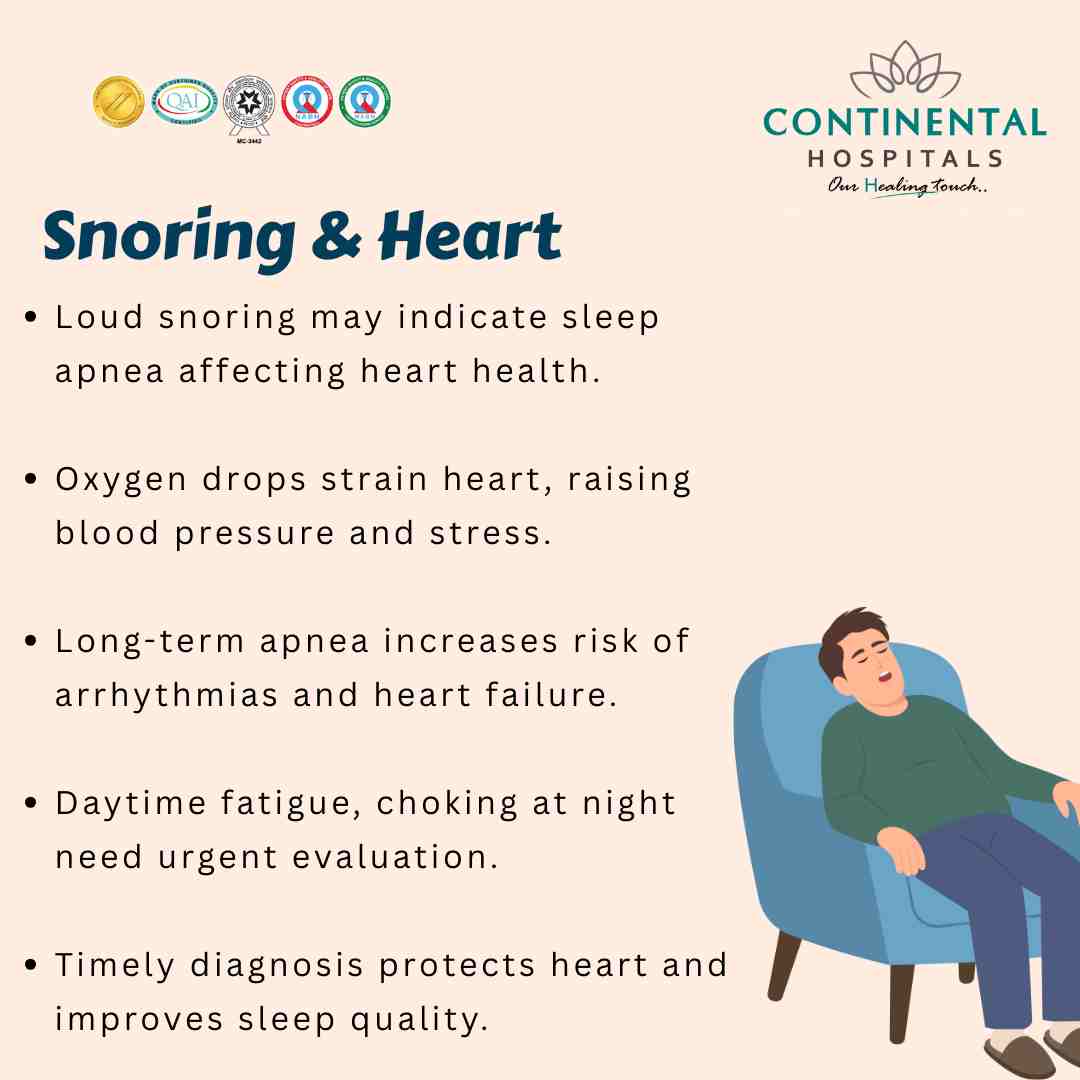
Snoring occurs when air struggles to move smoothly through your airway. The vibrations you hear are signals of narrowing air passages. When this becomes frequent or severe, it may indicate obstructive sleep apnea. Sleep apnea diagnosis is important because this condition repeatedly interrupts breathing during sleep. Each pause lowers oxygen levels, puts pressure on the cardiovascular system, and increases the heart risk.
Low oxygen levels force the heart to work harder. Over time, this adds stress to the arteries, raises blood pressure, and may contribute to thickening of the heart walls. Studies show that untreated sleep apnea increases the chance of developing hypertension, coronary artery disease, and stroke. This is why snoring and heart disease connection must be understood early.
Does Snoring Mean Heart Problems?
Not all snoring means heart problems, but loud, habitual, and disruptive snoring should not be ignored. Simple snoring caused by nasal congestion, allergies, or sleeping positions is common. However, if snoring is combined with daytime tiredness, gasping for breath, dry mouth, morning headaches, or poor sleep quality, it could point to sleep apnea.
If you constantly wake up tired despite long hours of sleep, your heart may be under stress without you realising it. When the airway collapses during sleep, your body experiences repeated episodes of reduced oxygen. This activates stress hormones, which increase blood pressure and strain the cardiovascular system. Early evaluation can prevent complications.
Sleep Apnea Diagnosis and Heart Risk
Sleep apnea diagnosis usually involves a sleep study. This test monitors breathing, oxygen saturation, heart rate, and sleep patterns. Identifying the condition early helps prevent heart related complications.
When sleep apnea goes untreated, the heart risk increases because
- Blood vessels lose their natural flexibility due to continuous stress.
- The heart beats irregularly because of oxygen fluctuations.
- High blood pressure becomes persistent as the body stays in alert mode through the night.
If you want to lower your risk, getting timely screening is one of the most effective steps.

How to Stop Snoring and Protect Your Heart?
You can take simple actions at home that support healthier breathing at night and reduce heart strain. These lifestyle changes help in many cases of mild snoring.
Useful tips to reduce snoring at home
- Maintain a healthy weight as extra tissue around the throat can narrow your airway.
- Sleep on your side instead of your back.
- Keep the bedroom air clean and humid to ease nasal congestion.
- Avoid smoking and late-night heavy meals that affect airflow.
- Follow a regular sleep schedule to support your natural breathing rhythm.
- Elevate your head slightly to keep air passages open.
These changes also help in protecting your heart by ensuring better oxygen flow while you sleep.
CPAP Benefits for Heart Health
For people diagnosed with obstructive sleep apnea, CPAP therapy is one of the most effective treatments. CPAP delivers constant airflow that prevents airway collapse. This allows you to breathe normally throughout the night.
Key CPAP benefits for heart health include:
- Stable oxygen levels that reduce strain on the heart.
- Lower blood pressure in patients with hypertension.
- Reduced risk of irregular heartbeats.
- Better sleep quality leading to improved daytime function and lower stress.
- Support for long-term heart protection.
Many patients experience improved energy levels, reduced morning headaches, and better overall wellbeing after starting CPAP therapy.
Snoring Treatment to Lower Blood Pressure
When snoring is linked to sleep apnea, treatment can directly help lower blood pressure. Proper breathing during sleep eases the workload on the cardiovascular system. Treating snoring with CPAP or oral appliances improves airflow and reduces night time oxygen drops. This prevents the release of stress hormones that elevate blood pressure.
In addition to medical treatment, lifestyle modifications such as reducing salt intake, regular walking, and avoiding alcohol before bedtime support both snoring control and heart health.
When to See a Doctor for Loud Snoring
Seek medical help if you or your partner notice
- Loud and frequent snoring
- Pauses in breathing during sleep
- Sudden gasping or choking at night
- Extreme daytime sleepiness
- Morning headaches
- Difficulty concentrating
- High blood pressure with long term snoring
These signs indicate that your snoring might be affecting your heart. Early detection helps prevent serious complications.
Why Choose Continental Hospitals for Snoring and Heart Related Care?
Continental Hospitals offers comprehensive evaluation and treatment for snoring, sleep apnea, and heart related conditions. The hospital follows international clinical protocols and is recognised for its high standards in patient safety and quality care. The team includes experienced pulmonologists, ENT specialists, and cardiologists who work together to provide accurate diagnosis and effective treatment. Advanced sleep labs, modern diagnostic tools, and evidence based therapies ensure personalised care for every patient. The hospital is also known for maintaining global accreditations that reflect consistent excellence in healthcare delivery.
Key Points to Remember
- Snoring can be an early signal of sleep apnea which increases heart risk.
- Loud and persistent snoring should never be ignored.
- Sleep apnea diagnosis is crucial for preventing hypertension and heart disease.
- CPAP benefits for heart health are proven and reliable.
- Timely snoring treatment can help lower blood pressure.
A medical evaluation is essential if snoring affects sleep quality or daily energy.
Conclusion
Snoring may seem harmless, but it can be a sign your heart is under pressure. Understanding the snoring and heart disease connection helps you take early steps toward better health. If snoring disrupts your sleep or causes tiredness through the day, seeking medical help can protect your heart and improve your life. Treatment options are effective and accessible when evaluated by trained specialists.
If you suffer from loud snoring, disturbed sleep, or symptoms of sleep apnea, schedule a consultation at Continental Hospitals. Our best pulmonologists and cardiologists provide expert care to help you breathe better, sleep well, and safeguard your heart.