.webp)


Diabetes is among the most common chronic health conditions in the world, impacting millions of people and creating an immense burden for people in the worldwide healthcare system. Current therapies have made progress in managing the condition, but researchers are looking for better ways to prevent, diagnose, and treat diabetes.
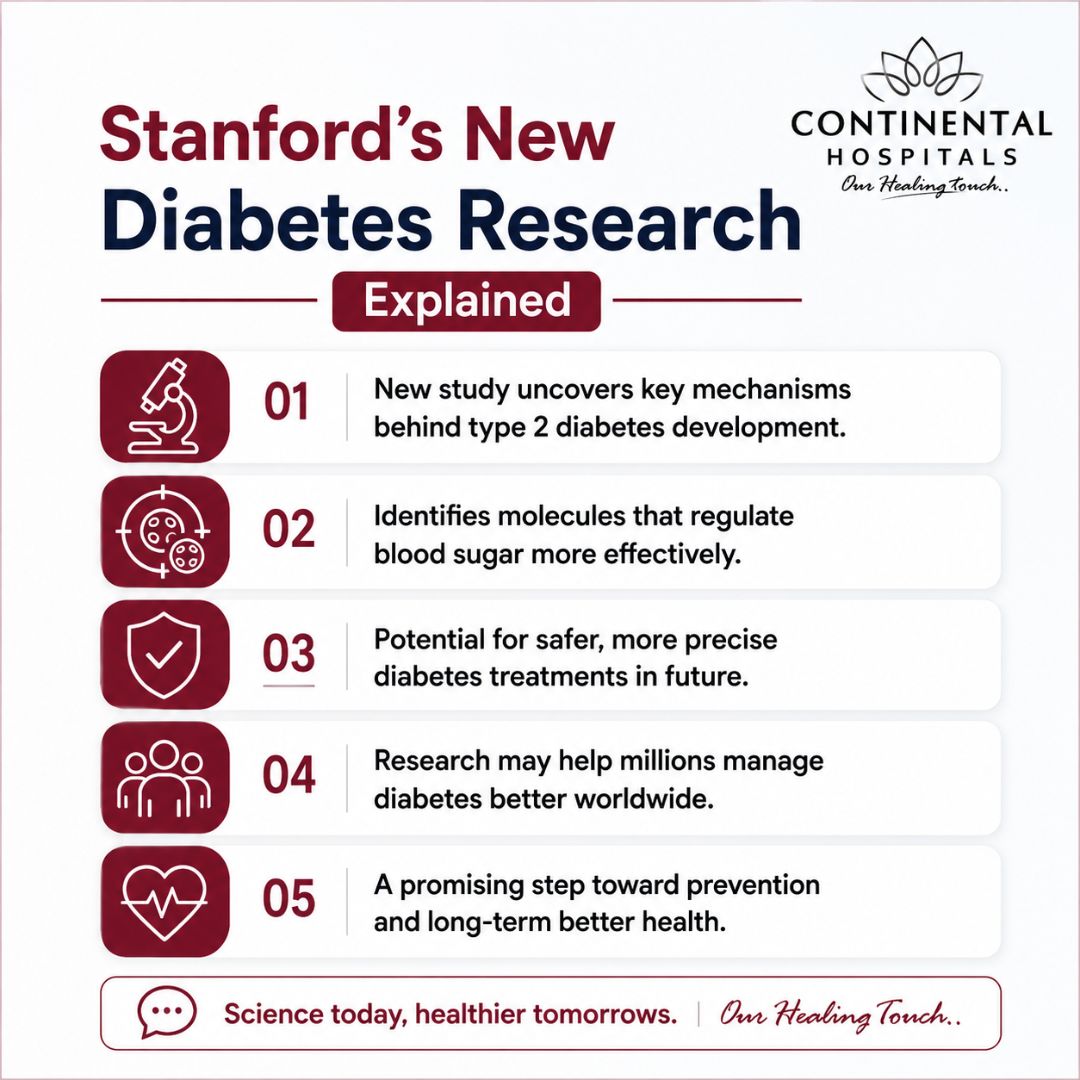
Recently, a breakthrough from Stanford Medicine has made headlines worldwide. The new Stanford diabetes research is uncovering new mechanisms of diabetes development and possibly how new therapies can improve outcomes for people living with diabetes. This new diabetes breakthrough has created great hope for both clinicians and patients.
As the science of endocrinology advances, innovative researchers from Stanford Health Care and Stanford Medicine are working on novel approaches that could dramatically change the way we care for people with diabetes in the future. It is important for patients to know about these new discoveries and how they might affect their health.
What Is This New Diabetes Research from Stanford?
This new Stanford research is examining the biology behind type 2 diabetes, insulin resistance, and the regulation of blood glucose. The scientists are trying to identify how specific cells in the body respond to the hormone insulin and what metabolic pathways are involved in the development of diabetes.
This diabetes breakthrough is trying to identify new targets for treatment and improve current treatments. The ultimate goal is to develop personalized treatment options for patients that focus on the root cause of diabetes, rather than merely managing the symptoms.
Key areas of focus include:
- Enhancing insulin sensitivity
- The biology of beta cells in the pancreas
- The genetics of diabetes
- Pursuing precision medicine solutions
- New therapeutic options
For any diabetes-related concerns, visit the Endocrinology Department at Continental Hospitals for expert evaluation, personalized treatment, and comprehensive diabetes care.
What Is Diabetes?
Diabetes is a disease that can't be cured but can be controlled. It is a chronic condition that develops when the body's ability to control blood sugar is impaired. This occurs when the body either doesn't make enough insulin or the insulin is not used properly.
The main types of diabetes are:

- Type 1 diabetes
- Type 2 diabetes
- Gestational diabetes
Type 2 diabetes is the most common form. It is usually caused by an unhealthy diet and lack of exercise. It can also run in families.
What Symptoms May Indicate Diabetes?
- Frequent urination
- More than usual thirst
- More hunger than normal
- Weight loss without trying
- Feeling tired
- Blurred vision
- Slow-drying wounds
- Infections
- Numbness or tingling in hands and feet
Early detection and treatment can help avoid health problems.
What Causes Type 2 Diabetes?
In type 2 diabetes, glucose accumulates in the blood because the body's cells are not using it. Insulin resistance, excess weight, lack of exercise, genetics, an unhealthy diet, and hormonal problems may all contribute to the condition.
Our ongoing research in diabetes treatment at Stanford looks at the underlying mechanisms and is exploring how we can intervene with new therapies.
Who Is at Risk of Diabetes?
A number of factors can increase your risk of developing diabetes:
- Family history of diabetes
- Being overweight or obese
- Not being physically active
- High blood pressure
- High cholesterol
- Getting older
- Having gestational diabetes
- Polycystic ovary syndrome (PCOS)
People who have a combination of these risk factors should have regular check-ups.
How Is Diabetes Detected?
There are a number of tests doctors use to detect and monitor diabetes:
- Fasting Blood Sugar Test
- HbA1c Test
- Oral Glucose Tolerance Test
- Random Blood Sugar Test
Early detection will allow you to take action and manage your condition early before it puts you at risk of complications to the heart, kidneys, nerves, and eyes.
What Treatment Options Do I Have for Diabetes?
Today, we treat diabetes through a combination of lifestyle changes, medications, and monitoring.
Your options may include:
- Healthy living plans
- Exercise
- Oral diabetes medications
- Insulin
- Continuous glucose monitoring
- Weight management plans
New insights from our Stanford diabetes research may pave the way for future diabetes innovation and better diabetes treatment.
How to prevent diabetes?
While not all cases of diabetes can be prevented, especially Type 1, a good number of Type 2 cases can be avoided or postponed with healthy lifestyle habits.
To prevent diabetes:
- Maintain a healthy weight
- Follow a good diet
- Exercise regularly
- Limit sugary drinks
- Avoid tobacco
- Work on stress management
- Keep up with routine checkups
How can your diet help your blood glucose levels?
- Eat more fruits and vegetables
- Choose whole grains
- Eat lean protein
- Limit processed foods
- Limit refined sugar
How can physical activity help?
- Exercise for at least 150 minutes a week
- Add strength training
- Stay active all day
How can stress management help?
Chronic stress can affect your blood sugar levels. Here are a few techniques that may help:
- Meditation
- Deep breathing exercises
- Yoga
- Adequate sleep
When to See a Doctor?
Please consult a doctor if you are experiencing:
- High blood sugar levels more than once in a while
- Constant thirst or urination
- Sudden weight loss or gain
- Infections that keep coming back
- Numbness
- Blurred vision
- Unable to control diabetes despite treatment
Immediate medical attention helps in ruling out serious complications and leads to better overall health.
Why Choose Continental Hospitals for Diabetes Treatment?
Continental Hospitals is an all-inclusive diabetes care provider with a highly experienced diabetes team and the most advanced medical technologies.
Here are our highlights:
- Highly skilled Endocrinologists and Diabetes Specialists
- State-of-the-art diabetes diagnostic and monitoring technology
- Multidisciplinary approach
- Individualized treatment options
- JCI Accredited
- NABH Accredited
- State-of-the-art infrastructure
- 24/7 Emergency and Critical Care Services
- Rigorous patient safety and patient care standards
- Management of all Diabetes complications
Our team constantly works to provide the best evidence-based, patient-centered care that enables all patients to achieve better diabetes control and quality of life.
What Will Stanford Diabetes Discovery Mean for the Future?
The most recent Stanford Diabetes research shows how fast we are learning about and treating diabetes. The Stanford Medicine findings represent a step towards a finer level of personalized diabetes care that will be more effective for many people. The new research in diabetes treatment requires more studies, but research into diabetes treatment could mean more therapies, which could make a huge difference to people with diabetes.
Conclusion
Diabetes is still a global health concern, but the progress in diabetes research at Stanford is opening up new possibilities in preventing, diagnosing and treating the disease. Ongoing research in diabetes is helping researchers figure out better ways of controlling blood sugar levels and finding the root cause of diabetes. When combined with a healthy lifestyle, regular medical check-ups, and early therapy, these developments provide hope for happier and healthier future to people with diabetes.
Consult our best endocrinologists in Hyderabad at Continental Hospitals for any kind of diabetes-related question. Get expert diagnosis, treatment and optimum care at Continental Hospitals.
Related Blog Topics: