.webp)


Managing blood sugar levels is a daily priority for many individuals, and diet plays a foundational role in this journey. One of the most frequent questions people ask is whether they can still enjoy fruit or vegetable juices. While whole fruits are generally preferred due to their fiber content, certain juices for diabetes can be integrated into a balanced meal plan if selected carefully. Understanding which options support glucose stability and which ones cause sharp spikes is essential for effective diabetes management.
The Science of Juicing and Blood Sugar
When fruit is juiced, the mechanical process often removes the insoluble fiber. Fiber is a critical component because it slows down the absorption of sugar into the bloodstream. Without it, the natural sugars in fruit can hit the system rapidly. However, not all juices are created equal. By focusing on low glycemic index ingredients and incorporating non-starchy vegetables, it is possible to create juices for diabetes that provide essential vitamins without compromising health goals.
Struggling with blood sugar swings? Get expert guidance at Continental Hospitals. Visit our endocrinology department today.
Best Juices for Blood Sugar Control
The following options are considered diabetic friendly juices because they have a minimal impact on glucose levels while offering high nutritional value.
Bitter Gourd Juice: Often cited as one of the best juices for blood sugar control, bitter gourd contains active substances like charantin and polypeptide-p which act similarly to insulin.
Amla Juice: Indian Gooseberry is rich in Vitamin C and antioxidants. It helps in regulating carbohydrate metabolism and makes for excellent low sugar juices for diabetics.
Green Vegetable Juice: Using a base of cucumber, spinach, and celery creates juices that don’t spike blood sugar. These vegetables are extremely low in calories and carbohydrates.
Tomato Juice: High in lycopene and low in sugar, tomato juice provides a savory alternative to sweet fruit drinks.
Pomegranate Juice: While it contains natural sugars, pomegranate is packed with unique antioxidants that may improve insulin sensitivity when consumed in small, controlled portions.

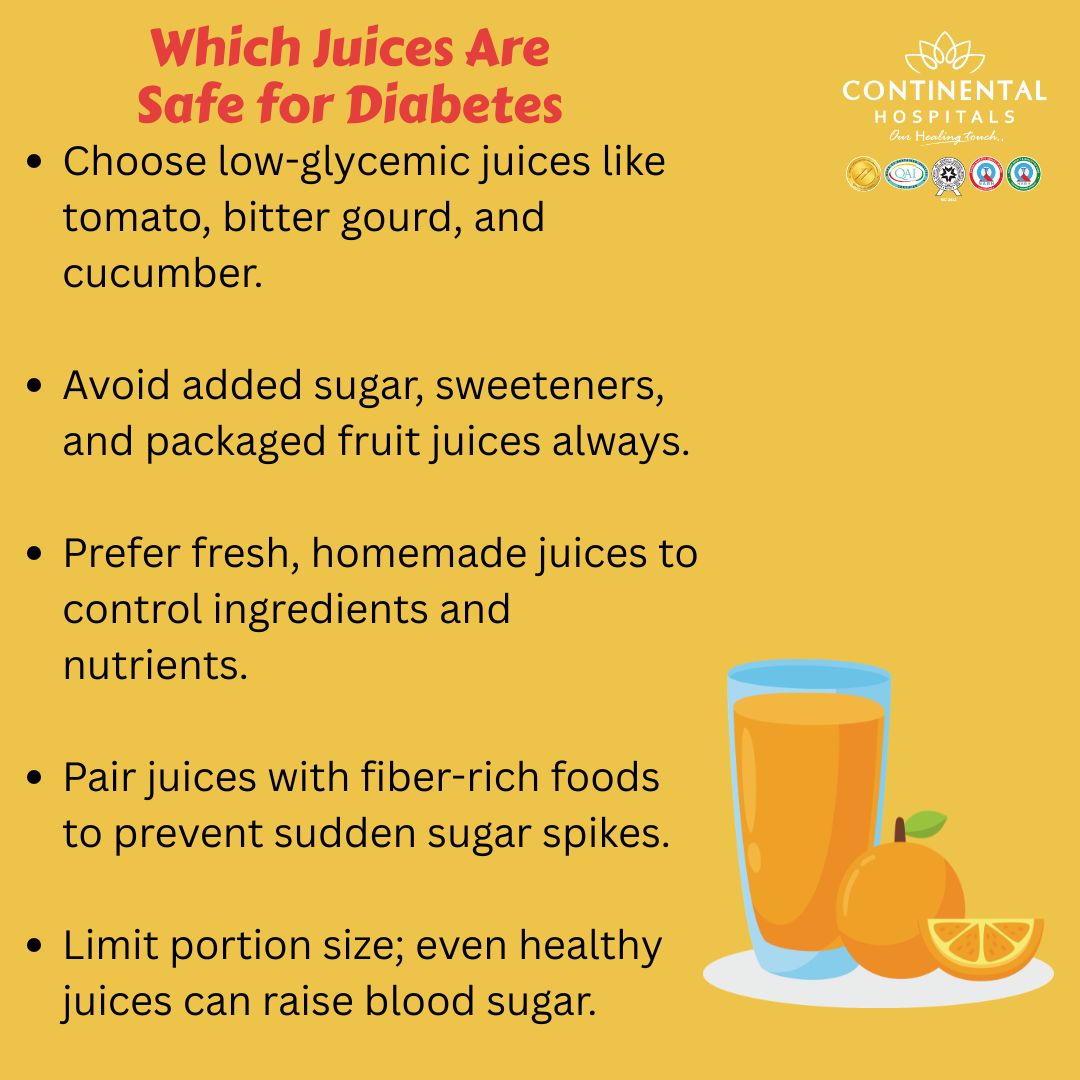
Visual Snippet: The Juice Selection Guide
To simplify your choices, categorize your drinks into three zones:
The Green Zone (Safe to Enjoy)
- Cucumber and Mint
- Spinach and Lemon
- Bitter Gourd (Karela)
- Wheatgrass juice
The Yellow Zone (Consume in Moderation)
- Unsweetened Pomegranate juice
- Fresh Tomato juice
- Diluted Grapefruit juice
The Red Zone (Avoid or Minimize)
- Canned fruit juices with added sugar
- Fruit punch or cocktails
- Pure Mango or Grape juice without dilution
Key Strategies for Incorporating Juices for Diabetes
If you choose to include juices for diabetes in your diet, follow these guidelines to maintain stability:
Prioritize Vegetables: Ensure at least 80 percent of your juice consists of green leafy vegetables or low-carb stalks like celery.
Keep the Pulp: If juicing at home, try to keep some of the pulp to retain a portion of the fiber.
Watch the Portion: Limit servings to about 100 to 150 ml. Even diabetic friendly juices can impact sugar levels if consumed in large quantities.
Avoid Added Sweeteners: Never add honey, jaggery, or white sugar to your drinks. Use a squeeze of lemon or a pinch of black salt for flavor.
Timing Matters: Drink juice alongside a meal that contains healthy fats or protein to further slow down sugar absorption.
Why Whole Fruit is Different
It is important to note the distinction between eating a whole orange and drinking its juice. A whole orange provides bulk and fiber that fills the stomach and keeps you satiated. When looking for juices that don’t spike blood sugar, remember that the liquid form is processed by the body much faster. Therefore, low sugar juices for diabetics should complement, not replace, the intake of whole, fiber-rich foods.
Why Choose Continental Hospitals for Diabetes Care?
Continental Hospitals is recognized as the best hospital in Hyderabad for comprehensive metabolic and endocrine care. Managing diabetes requires more than just dietary changes; it requires a holistic medical approach supported by world-class infrastructure.
Accreditations and Excellence
Continental Hospitals takes pride in its commitment to patient safety and quality of care. We are accredited by the Joint Commission International (JCI), which is the gold standard in global healthcare. Additionally, our facility holds National Accreditation Board for Hospitals & Healthcare Providers (NABH) accreditation. These honors signify that our clinical protocols, infection control, and patient outcomes meet the highest international and national standards.
Comprehensive Diabetic Care
Our Department of Endocrinology and Metabolism offers personalized treatment plans. From advanced glucose monitoring systems to specialized diabetic foot care and nutritional counseling, we provide everything under one roof. Our multidisciplinary team ensures that every complication associated with diabetes is managed with precision.
Important Facts About Juices for Diabetes
- Most store-bought juices are pasteurized, which can strip away heat-sensitive nutrients and often contain hidden preservatives.
- Adding a teaspoon of chia seeds to your juices for diabetes can add fiber back into the drink.
- Cinnamon is a great addition to diabetic friendly juices as it may help improve insulin response.
- Freshly squeezed juice should be consumed within 15 to 20 minutes to get the maximum benefit of live enzymes and vitamins.
Conclusion
Navigating the world of nutrition while managing blood sugar can be complex. Choosing the right juices for diabetes involves a shift in focus from sweet fruits to nutrient-dense vegetables. By selecting diabetic friendly juices like bitter gourd, amla, or green blends, you can enjoy refreshing beverages that support your health. Remember that moderation and professional guidance are the keys to success.
If you suffer from fluctuating blood sugar levels, or if you find it difficult to manage your diet effectively, seeking professional help is the best next step. Our experts can help you identify the best juices for blood sugar control tailored to your body's unique needs. Consult our best endocrinologist in Hyderabad at Continental Hospitals.
Related Blog Topics: