.webp)


Heart health plays a vital role in overall well being. When the arteries that supply blood to the heart become blocked, it can lead to serious conditions such as chest pain or a heart attack. One of the most effective treatments for blocked arteries is stent placement. This life saving procedure helps restore proper blood flow and protects the heart from further damage.
What Is Stent Placement?
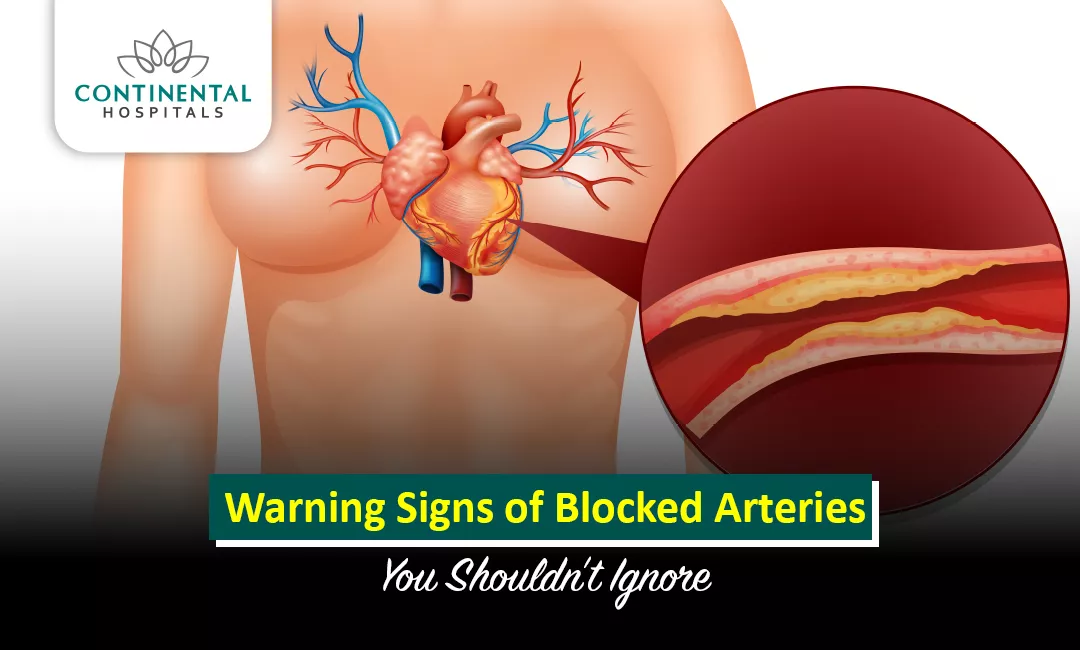
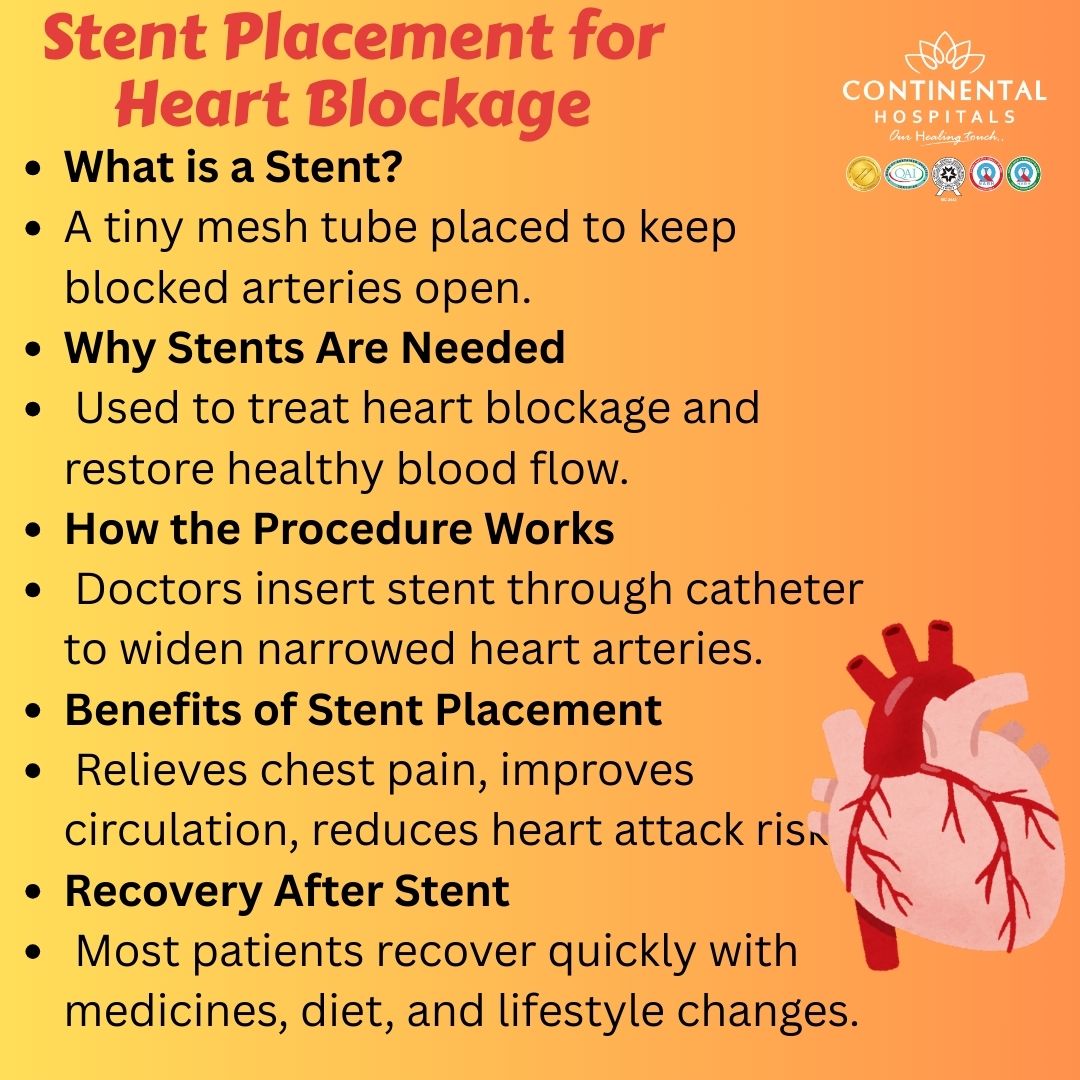
Stent placement is a medical procedure used to open blocked or narrowed coronary arteries. A stent is a small mesh tube that is inserted into an artery to keep it open and allow blood to flow normally.
When fatty deposits called plaque build up inside the arteries, they reduce blood flow to the heart. This condition is known as coronary artery disease. In such cases, doctors may recommend stent placement to widen the artery and prevent further complications.
Stent placement is commonly performed during a procedure called angioplasty. During this treatment, a balloon is used to open the blocked artery and then a stent is placed to keep the artery open.
Visit our Cardiology Department at Continental Hospitals for expert heart care, advanced diagnosis, and world-class stent procedures to protect your heart health.
Why Is Stent Placement Needed?
Blocked arteries can prevent the heart from receiving enough oxygen rich blood. This can cause chest pain and increase the risk of a heart attack.
Doctors recommend stent placement when a blockage becomes severe or when medications alone are not enough to restore healthy blood flow.
Common reasons for stent placement include
• Severe narrowing of coronary arteries
• Chest pain caused by reduced blood flow
• Prevention of future heart attacks
• Emergency treatment during a heart attack
• Improving blood circulation to the heart

In many cases, stents for heart blockage help patients return to normal activities and significantly improve their quality of life.
Symptoms That May Indicate Heart Blockage?
Recognizing early symptoms can help prevent serious complications. If you experience the following symptoms, medical evaluation is important.
Common symptoms include
• Chest pain or pressure
• Shortness of breath
• Fatigue during physical activity
• Pain in the arm, shoulder, neck, or jaw
• Sudden dizziness or sweating
These symptoms may indicate heart blockage and stent treatment may be required after proper diagnosis.
How Stent Placement Works
Stent placement is a minimally invasive procedure performed by experienced cardiologists. It usually takes about one to two hours depending on the complexity of the blockage.
Here is how the procedure typically works
- A small incision is made in the wrist or groin area.
- A thin tube called a catheter is inserted into a blood vessel.
- The catheter is guided to the blocked coronary artery.
- A small balloon is inflated to open the narrowed artery.
- A stent is placed inside the artery to keep it open.
The balloon is removed while the stent remains in place to support blood flow.
After the heart stent operation, the artery stays open and blood circulation to the heart improves significantly.
Types of Stents Used in Heart Treatment
Different types of stents may be used depending on the patient's condition and the nature of the blockage.
Common types include
Bare metal stents
These are simple metal mesh tubes used to keep arteries open.
Drug eluting stents
These stents slowly release medication that helps prevent the artery from narrowing again.
Biodegradable stents
These stents gradually dissolve in the body after supporting the artery during healing.
Your cardiologist will determine the most suitable option during heart stent surgery based on your medical condition.
Benefits of Stent Placement
Stent placement offers several advantages for patients with blocked arteries.
Key benefits include
• Restores normal blood flow to the heart
• Relieves chest pain and discomfort
• Reduces the risk of a heart attack
• Minimally invasive procedure with faster recovery
• Improves overall heart function
• Helps patients return to daily activities sooner
Because of these benefits, stent operation for heart is one of the most commonly performed cardiac procedures worldwide.
Recovery After Stent Placement
Recovery after stent placement is usually quick compared to open heart surgery. Most patients stay in the hospital for observation and return home within a short time.
During recovery, patients are advised to follow certain guidelines to maintain heart health.
Important recovery tips include
• Take prescribed medications regularly
• Follow a heart healthy diet
• Avoid smoking and tobacco use
• Maintain a healthy body weight
• Engage in regular physical activity
• Attend regular follow up appointments with your doctor
Following these steps can help ensure long term success after surgery for heart stent.
Can Stent Placement Prevent Future Heart Attacks?
Many people ask this important question.
Yes, stent placement can significantly reduce the risk of a heart attack by restoring proper blood flow to the heart. When used during emergency treatment for a stent heart attack, the procedure can quickly open the blocked artery and save heart muscle from permanent damage.
However, maintaining a healthy lifestyle and continuing medical care are essential to prevent new blockages.
When Should You See a Heart Specialist?
If you experience persistent chest discomfort, breathing difficulty, or symptoms related to heart blockage, consulting a cardiologist is important. Early diagnosis allows doctors to determine whether medications, lifestyle changes, or stent placement is the right treatment.
Modern diagnostic tests such as ECG, echocardiography, and coronary angiography help doctors detect blockages and recommend the most effective treatment.
Why Choose Continental Hospitals for Stent Placement?
When it comes to heart care, choosing the right hospital and medical team makes a significant difference.
Continental Hospitals is widely recognized as the best hospital in Hyderabad for advanced cardiac care. The hospital offers world class infrastructure and a dedicated team of experienced cardiologists who specialize in stent placement and complex heart procedures.
Key reasons to choose Continental Hospitals include
• Highly experienced interventional cardiologists
• Advanced cardiac catheterization laboratories
• Comprehensive heart care services under one roof
• International quality standards and modern medical technology
• Patient centered treatment and personalized care
• Strong focus on safety and clinical excellence
Continental Hospitals is accredited by leading healthcare quality organizations, including Joint Commission International JCI and the National Accreditation Board for Hospitals and Healthcare Providers NABH. These accreditations ensure that patients receive treatment that meets the highest global standards of safety and quality.
With advanced facilities and expert specialists, the hospital provides trusted care for heart stent operation, heart attack management, and long term cardiac health.
Conclusion
Heart blockage is a serious condition that requires timely diagnosis and proper treatment. Stent placement has transformed the way doctors treat blocked coronary arteries by offering a minimally invasive and highly effective solution.
By restoring blood flow to the heart, this procedure relieves symptoms, prevents complications, and helps patients regain a healthier life. When combined with healthy lifestyle habits and regular medical care, stent placement can significantly improve long term heart health.
If you or your loved one experiences symptoms such as chest pain, shortness of breath, or signs of heart blockage, seeking expert medical attention is essential.
Consult our best cardiology specialists at Continental Hospitals, the best hospital in Hyderabad. Our experienced heart specialists provide advanced diagnosis, personalized treatment, and world class stent placement procedures to restore healthy heart function and protect your life. Early care can prevent serious complications and ensure a stronger, healthier heart.
Related Blog Topics: