
post-title

Surgical Oncology: Treating Breast, GI & Gynae Cancers

Written by - Editorial Team
Medically Reviewed by - Dr Harish N L

Cancer evokes fear in many, yet advancements in medical science have made it possible to treat and even cure numerous types of cancer. Surgical oncology is one of the most important treatment options for cancer, focusing on the removal of tumours or cancerous tissue. In this blog, we’ll dive into how surgical oncology helps treat some of the most common cancers—breast cancer, gastrointestinal (GI) cancer, and gynecological (Gynae) cancer—and how it plays a vital role in saving lives.

What Is Surgical Oncology?

Surgical oncology is a specialized field of surgery that involves the diagnosis, treatment, and removal of cancerous tumours or tissues. Surgeons who specialize in surgical oncology are experts in performing precise operations to remove cancerous growths while preserving as much healthy tissue as possible.

Surgical oncology is often used in combination with other treatments like chemotherapy, radiation therapy, and immunotherapy. The goal of surgery is not only to remove the cancer but to ensure that the patient has the best chance of recovery and long-term health.
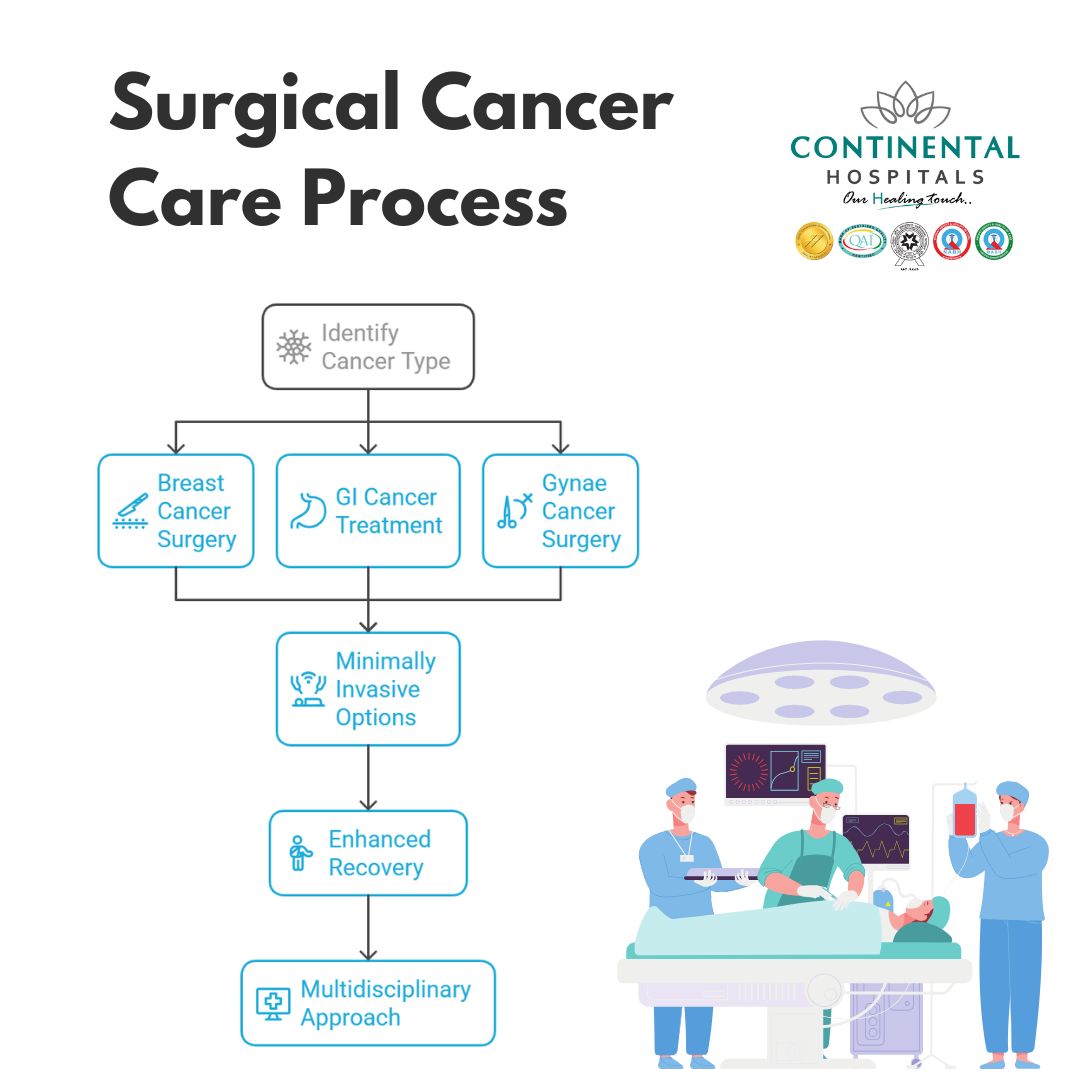
How is breast cancer treated with surgery?

Breast cancer is one of the most common cancers affecting women around the world. It begins in the cells of the breast and can spread to other parts of the body if left untreated. Surgical treatment for breast cancer is one of the most effective ways to remove the tumour and prevent the disease from spreading.

There are two primary types of breast cancer surgery:

Lumpectomy: This is the removal of the tumour and a small margin of surrounding tissue, allowing most of the breast to remain intact. This is often done for smaller tumours and in earlier stages of cancer.

Mastectomy: This involves the removal of the entire breast tissue and sometimes nearby lymph nodes. A mastectomy may be necessary when the cancer is more widespread or if the tumour is too large to remove with a lumpectomy.

Both procedures aim to eliminate the cancerous cells and reduce the chances of the cancer returning. After surgery, patients may undergo additional treatments like chemotherapy or radiation therapy to destroy any remaining cancer cells.

Second Opinion

Breast cancer surgery has evolved over the years, with less invasive procedures and more targeted treatments now available, allowing patients to recover faster and with fewer complications.

Facing cancer? Don't face it alone. Visit our Best Cancer Specialist in Hyderabad at Continental Hospitals for expert diagnosis, advanced cancer treatment, and compassionate care tailored to your needs.

How Is GI Cancer Treated with Surgery?

Gastrointestinal (GI) cancer includes cancers of the stomach, intestines, liver, pancreas, and other digestive organs. These cancers can be difficult to detect in the early stages because the symptoms often mimic other digestive issues. However, surgical oncology plays a crucial role in treating GI cancers and improving the chances of survival.

The main surgical options for treating GI cancer include:

Partial or Total Removal of Organs: In cases of stomach cancer, pancreatic cancer, or liver cancer, surgeons may remove part or all of the affected organ. For example, a partial gastrectomy involves removing part of the stomach, while a total gastrectomy involves removing the entire stomach.

Resection of Tumors: This involves removing cancerous growths in the colon, rectum, or small intestine. Surgeons may remove a section of the intestine if the tumor is localized, or in some cases, perform a colostomy if a larger section needs to be removed.

Liver Resection: For liver cancer, a surgeon may remove part of the liver if the cancer is contained within that area. The liver has the unique ability to regenerate, so removing a portion of it often doesn’t affect overall liver function.

Need an Appointment?

Surgical intervention in GI cancer aims to remove the primary tumor, prevent the cancer from spreading, and provide the patient with the best opportunity for long-term recovery. In many cases, surgery is combined with chemotherapy or radiation therapy to ensure that all cancer cells are eliminated.

When Is Surgery Needed for Gynecological Cancer?

Gynecological cancers refer to cancers that affect the female reproductive organs, including the uterus, ovaries, cervix, and vulva. These cancers can have a significant impact on a woman’s health and fertility, which makes early detection and effective treatment vital.

Several types of gynecological cancers require surgical intervention:

Ovarian Cancer: Ovarian cancer is one of the deadliest cancers affecting women, but surgery can be an effective treatment option, especially if detected early. The surgery may involve the removal of one or both ovaries, the fallopian tubes, and the uterus, known as a hysterectomy.

Uterine Cancer (Endometrial Cancer): Surgery for uterine cancer often involves a total hysterectomy, which removes the uterus and sometimes the ovaries and fallopian tubes. This procedure helps to ensure that the cancer is removed entirely and reduces the chances of recurrence.

Cervical Cancer: For early-stage cervical cancer, surgery may involve a cone biopsy or a hysterectomy. A cone biopsy removes the cancerous tissue from the cervix, while a hysterectomy involves removing the uterus and cervix.

Vulvar Cancer: This cancer affects the external genitalia, and surgery may involve removing part or all of the vulva, depending on the stage of the cancer.

Surgical treatment for gynecological cancers plays a crucial role in improving survival rates and relieving symptoms. In many cases, surgery is combined with chemotherapy or radiation therapy for a more comprehensive approach.

Why Is Early Detection Important in Breast, GI, and Gynaecological Cancers?

While surgery is an essential treatment for many cancers, early detection remains one of the most important factors in successful treatment. Regular screenings, such as mammograms for breast cancer, colonoscopies for GI cancers, and Pap smears for cervical cancer, help detect cancer in its earliest stages when surgery can be most effective.

In addition to screenings, maintaining a healthy lifestyle by eating a balanced diet, exercising regularly, and avoiding smoking and excessive alcohol consumption can help lower the risk of developing cancer.

Conclusion

Surgical oncology is a critical tool in the fight against cancer, particularly for breast, gastrointestinal, and gynecological cancers. With advancements in surgical techniques, including minimally invasive surgeries, patients are recovering faster and with fewer complications. Early detection and intervention remain key in improving survival rates, and surgery often plays a central role in removing tumors and cancerous tissues.

Facing cancer? Consult the best oncologist in Hyderabad at Continental Hospitals for expert care and advanced treatment.


Frequently Asked Questions

Surgical oncology is a specialized branch of surgery focused on diagnosing, staging, and treating cancer through surgical procedures. It plays a vital role in the management of breast, gastrointestinal (GI), and gynecologic cancers by removing cancerous tumors while preserving as much healthy tissue as possible. Surgery may be used as the primary treatment or combined with chemotherapy, radiation therapy, targeted therapy, or immunotherapy depending on the type and stage of cancer. Modern surgical oncology includes minimally invasive techniques such as laparoscopic and robotic surgery, helping patients recover faster with less pain and fewer complications. Surgical oncologists also perform biopsies, lymph node assessments, and reconstructive procedures when required. Every treatment plan is personalized based on the patient's condition, ensuring the best possible outcomes while improving survival and quality of life.
Surgery is one of the most effective treatments for breast cancer and is recommended for many patients with early and locally advanced disease. Depending on the size, location, and stage of the tumor, surgeons may perform breast conserving surgery (lumpectomy) or a mastectomy to remove the entire breast. Sentinel lymph node biopsy or axillary lymph node dissection may also be performed to determine whether cancer has spread. Surgery is often combined with radiation therapy, chemotherapy, hormone therapy, or targeted therapy to reduce the risk of recurrence. Early diagnosis significantly increases the chances of successful surgical treatment. The choice of procedure is individualized to achieve the best cancer control while maintaining appearance and function whenever possible.
Surgical oncology is commonly used to treat cancers affecting the digestive system, including cancers of the esophagus, stomach, liver, pancreas, gallbladder, colon, rectum, and small intestine. Surgery aims to remove the cancer along with a margin of healthy tissue and nearby lymph nodes when necessary. In many patients, surgery offers the best chance for long term survival, especially when the disease is detected early. Advanced surgical techniques, including laparoscopic and robotic procedures, help reduce recovery time and improve surgical precision. Depending on the stage of cancer, surgery may be combined with chemotherapy or radiation therapy before or after the operation. A multidisciplinary team carefully plans the treatment approach to achieve the best possible results.
Surgery is a key treatment option for several gynecologic cancers, including ovarian cancer, cervical cancer, uterine cancer, endometrial cancer, vulvar cancer, and certain vaginal cancers. The surgical procedure depends on the cancer type, stage, and the patient's overall health. Common operations include hysterectomy, removal of the ovaries and fallopian tubes, lymph node removal, and tumor debulking for advanced ovarian cancer. Many gynecologic cancer surgeries can now be performed using minimally invasive or robotic techniques, leading to smaller incisions and faster recovery. Surgery may also help determine the stage of cancer and guide further treatment such as chemotherapy or radiation therapy. Early diagnosis allows for more effective surgical treatment and better long term outcomes.
Minimally invasive and robotic cancer surgery have transformed modern surgical oncology by providing precise tumor removal with smaller incisions. Compared with traditional open surgery, these advanced techniques often result in less pain, reduced blood loss, lower infection risk, shorter hospital stays, and faster recovery. Robotic systems provide surgeons with enhanced visualization and greater precision, particularly during complex procedures involving breast, gastrointestinal, and gynecologic cancers. Patients may also experience improved cosmetic outcomes and a quicker return to normal daily activities. While not every patient is a candidate for minimally invasive surgery, careful evaluation helps determine the most suitable surgical approach based on the cancer type, size, and stage.
Preparing for cancer surgery begins with a comprehensive evaluation that may include blood tests, imaging scans, heart assessments, and discussions about current medications. Patients are advised to maintain a healthy diet, stay physically active when possible, stop smoking, and follow their surgeon's instructions regarding fasting before surgery. Certain medications, including blood thinners, may need temporary adjustment under medical supervision. Patients should discuss any existing medical conditions and ask questions about the procedure, recovery, and possible risks. Emotional preparation and support from family members can also help reduce anxiety. Following all preoperative instructions contributes to a safer surgery and smoother recovery.
Recovery after cancer surgery depends on the type of procedure performed, the patient's overall health, and whether minimally invasive techniques were used. Most patients receive pain management, wound care instructions, and guidance on physical activity before leaving the hospital. Walking early after surgery, maintaining proper nutrition, and following postoperative instructions help speed recovery. Regular follow up appointments allow the surgical team to monitor healing, review pathology reports, and determine whether additional treatments such as chemotherapy or radiation therapy are required. Patients should immediately report symptoms such as fever, excessive pain, bleeding, or signs of infection. Rehabilitation and supportive care may also be recommended to improve long term recovery and quality of life.
Choosing an experienced surgical oncology team is essential because successful cancer treatment depends on accurate diagnosis, expert surgical planning, and coordinated multidisciplinary care. Experienced surgeons are skilled in performing complex cancer operations while preserving healthy tissues whenever possible. A dedicated cancer team includes medical oncologists, radiation oncologists, pathologists, radiologists, anesthesiologists, rehabilitation specialists, and oncology nurses who work together to create personalized treatment plans. Access to advanced technology, minimally invasive surgical options, comprehensive postoperative care, and regular follow up further improves patient outcomes. Receiving treatment at a specialized cancer center increases confidence, supports better recovery, and ensures patients receive evidence based care throughout every stage of their cancer journey.
Disclaimer: The information provided in this blog is intended for general knowledge and informational purposes only, and does not constitute medical advice. Always consult with a qualified healthcare professional for any medical concerns or before making any decisions about your health.

Get in Touch With Us

Whether you are from India or abroad, we are here to help you with your medical queries. Please fill out the form below and our team will connect with you shortly.

  • ✔ Quick response from our medical experts
  • ✔ Secure data handling & privacy
  • ✔ Easy upload for reports & documents
banner_image

Chat with our medical experts on WhatsApp for quick assistance and hassle-free appointment booking

Recent Posts