.webp)

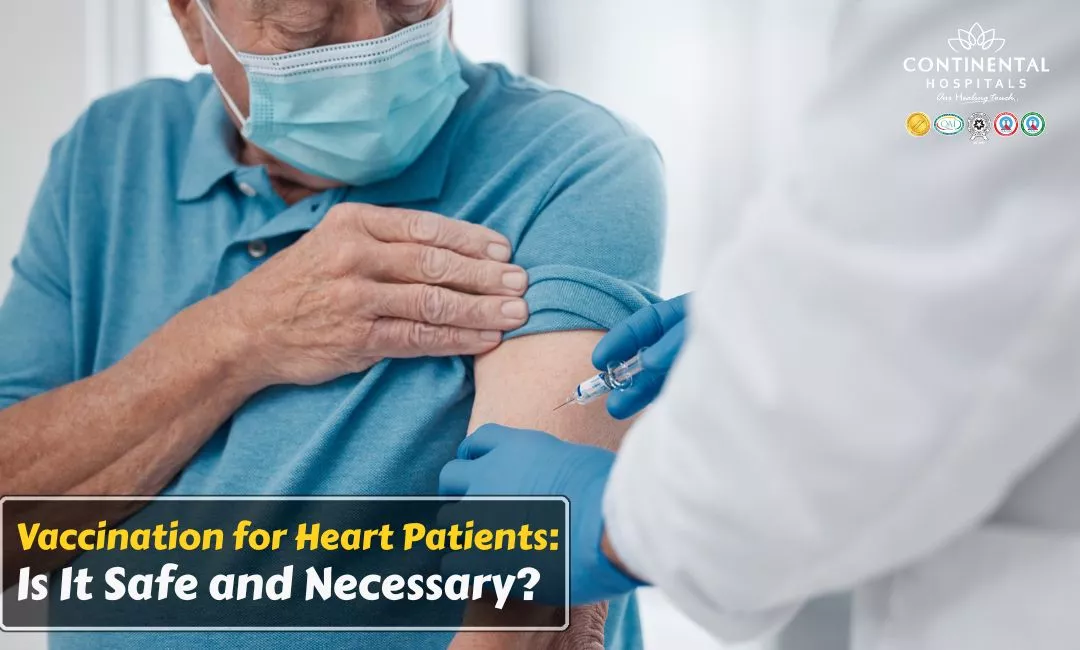
Heart disease is one of the most common health concerns across the world. People living with heart conditions often worry about infections and the impact those infections may have on their heart. A common question many patients ask is this: Is vaccination safe for heart patients?
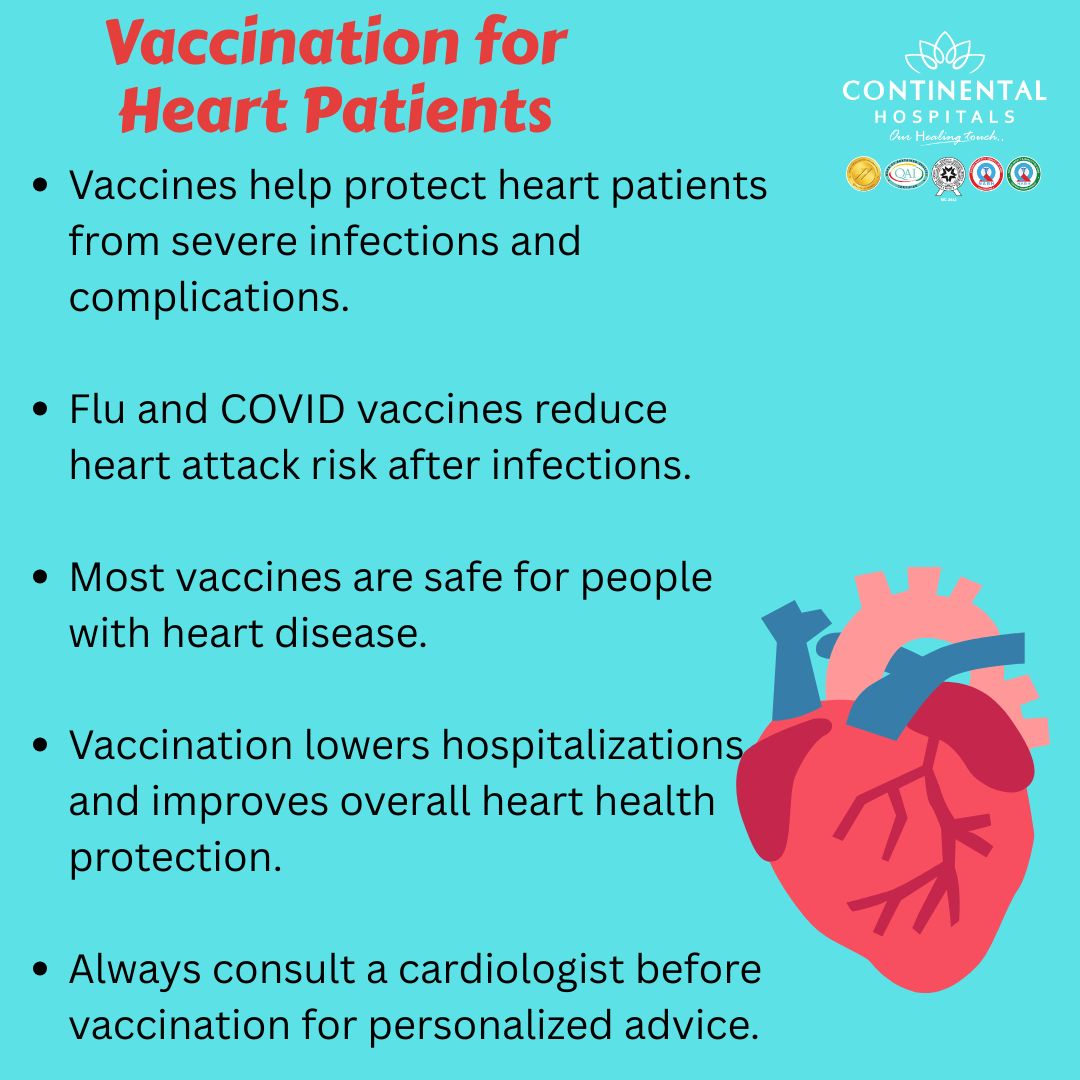
The answer from medical experts is clear. In most cases, vaccination for heart patients is not only safe but also very important for protecting overall health. Vaccines help prevent serious infections that can place additional stress on the heart and lead to complications.
Understanding the role of vaccination and heart health can help patients make informed decisions and stay protected.
Why Heart Patients Need Extra Protection
People with heart disease often have weaker immunity or underlying health challenges. When infections such as influenza, pneumonia, or viral illnesses occur, the body must work harder to fight them. This increases stress on the heart.
For someone with an existing heart condition, infections can lead to complications such as:
• Increased heart strain
• Higher risk of hospitalization
• Worsening heart function
• Increased risk of heart attack or stroke
This is why doctors strongly recommend vaccination for heart patients. Preventing infections reduces the burden on the cardiovascular system and helps maintain stability.
Visit the Cardiology Department at Continental Hospitals, Hyderabad for expert advice on vaccination and heart health. Get personalized care and trusted guidance from our specialists.
Is Vaccination Safe for Heart Patients?
Many people worry about whether vaccines may trigger heart complications. Medical research and global health guidelines show that vaccination is generally safe for heart patients when taken under medical guidance.

Vaccines work by preparing the immune system to recognize and fight harmful pathogens. They do not cause the disease they are meant to prevent.
Doctors evaluate the patient's condition before recommending vaccines. Factors considered include:
• Type of heart disease
• Current medications
• Overall immune status
• Recent cardiac procedures
Once these factors are assessed, vaccination is considered a safe preventive measure.
How Vaccination Supports Heart Health
Vaccination and heart health are closely connected because infections can worsen cardiovascular problems. Preventing infections helps protect heart function and overall wellbeing.
Here are some ways vaccination supports heart health:
Reduces infection related stress on the heart
When the body fights infections, the heart must pump harder to circulate oxygen and immune cells. Vaccination helps prevent infections that increase this strain.
Prevents complications
Infections like influenza and pneumonia can worsen heart conditions and lead to serious complications. Vaccination lowers this risk.
Reduces hospital admissions
Studies show that vaccinated heart patients are less likely to require hospitalization due to infection related complications.
Supports long term heart stability
Preventing repeated infections helps maintain consistent heart function and reduces sudden health setbacks.
Important Vaccines Recommended for Heart Patients
Doctors often recommend specific vaccines to protect individuals with cardiovascular disease. These vaccines help prevent illnesses that could be dangerous for people with heart conditions.
Common recommended vaccines include:
• Influenza vaccine
• Pneumococcal vaccine
• COVID related vaccination as advised by doctors
• Tetanus booster when necessary
Each patient's vaccination schedule may vary depending on age, health condition, and medical history. This is why consulting a doctor is essential before receiving any vaccine.
Common Concerns About Vaccination
Many heart patients hesitate to get vaccinated because of concerns about side effects. Understanding the facts can help reduce anxiety.
Mild side effects are normal
After vaccination, some people may experience temporary symptoms such as:
• Mild fever
• Fatigue
• Soreness at injection site
• Headache
These symptoms usually disappear within a short time and indicate that the immune system is responding.
Serious reactions are rare
Severe reactions are extremely uncommon. Medical professionals monitor patients carefully, especially those with chronic conditions.
Vaccination prevents more serious illness
The risks of infection are usually far greater than the mild temporary effects of vaccination.
When Should Heart Patients Delay Vaccination?
While vaccination for heart patients is generally safe, there are certain situations where doctors may recommend delaying it.
Examples include:
• Recent heart surgery
• Active infection or fever
• Unstable heart condition
• Severe allergic reactions to previous vaccines
In these situations, doctors may postpone vaccination until the patient's condition stabilizes.
Tips for Heart Patients Before Getting Vaccinated
Heart patients can follow a few simple steps to ensure a safe vaccination experience.
• Always consult a cardiologist or physician before vaccination
• Inform the doctor about current medications
• Stay hydrated and well rested before the vaccine
• Avoid skipping prescribed heart medicines
• Report any unusual symptoms after vaccination
These precautions help ensure that vaccination and heart health remain balanced and safe.
The Role of Hospitals in Safe Vaccination
Vaccination should always be performed under proper medical supervision, especially for patients with chronic diseases.
Hospitals play an important role in:
• Evaluating patient health before vaccination
• Providing safe vaccination environments
• Monitoring for reactions
• Offering expert guidance on vaccine schedules
Access to experienced cardiologists and advanced medical facilities ensures that heart patients receive safe and effective preventive care.
Why Choose Continental Hospitals for Heart Care and Vaccination?
Continental Hospitals is widely recognized as the best hospital in Hyderabad for comprehensive cardiac care and preventive health services. The hospital combines advanced technology with expert medical professionals to deliver world-class treatment.
Key strengths of Continental Hospitals include:
• Multidisciplinary team of experienced cardiologists and physicians
• Advanced diagnostic and cardiac monitoring technology
• International standards of patient safety and clinical excellence
• Accredited healthcare infrastructure ensuring high quality care
• Patient centered approach focusing on prevention and long term wellness
The hospital is known for its commitment to clinical excellence and follows strict global healthcare standards. With highly trained specialists and modern facilities, Continental Hospitals ensures that vaccination for heart patients is carried out safely and effectively.
When Should You Consult a Doctor?
If you have a heart condition and are unsure about vaccines, it is important to seek medical advice. You should consult a doctor if you experience:
• Frequent infections
• Recent heart surgery
• Changes in heart symptoms
• Concerns about vaccination safety
Early consultation can help doctors determine the right vaccination plan for your condition.
Conclusion
Vaccination plays a vital role in protecting people with heart disease from serious infections. Medical evidence clearly shows that vaccination for heart patients is both safe and necessary in most situations. By preventing infections, vaccines reduce strain on the heart and support long term cardiovascular health.
Heart patients should always discuss their vaccination schedule with a qualified doctor to ensure the safest approach based on their medical condition.
If you or your loved one is living with heart disease and wants to understand the right vaccination plan, expert guidance can make a significant difference.
Consult our best cardiologist at Continental Hospitals, the best hospital in Hyderabad, for personalized advice on vaccination and heart health. If you suffer from heart conditions or have concerns about vaccination safety, the expert cardiology team at Continental Hospitals is ready to provide advanced care, accurate guidance, and comprehensive heart protection.
Related Blog Topics: