.webp)


Male infertility contributes to nearly half of all infertility cases. It is often linked to low sperm count, poor sperm quality, or problems with sperm movement. In many cases, men may not notice symptoms until they attempt to start a family.
Early evaluation by a male infertility doctor plays a crucial role in diagnosis and treatment success.
Most Common Causes of Male Infertility
Male infertility can result from medical, lifestyle, environmental, and genetic factors.
1. Low Sperm Count
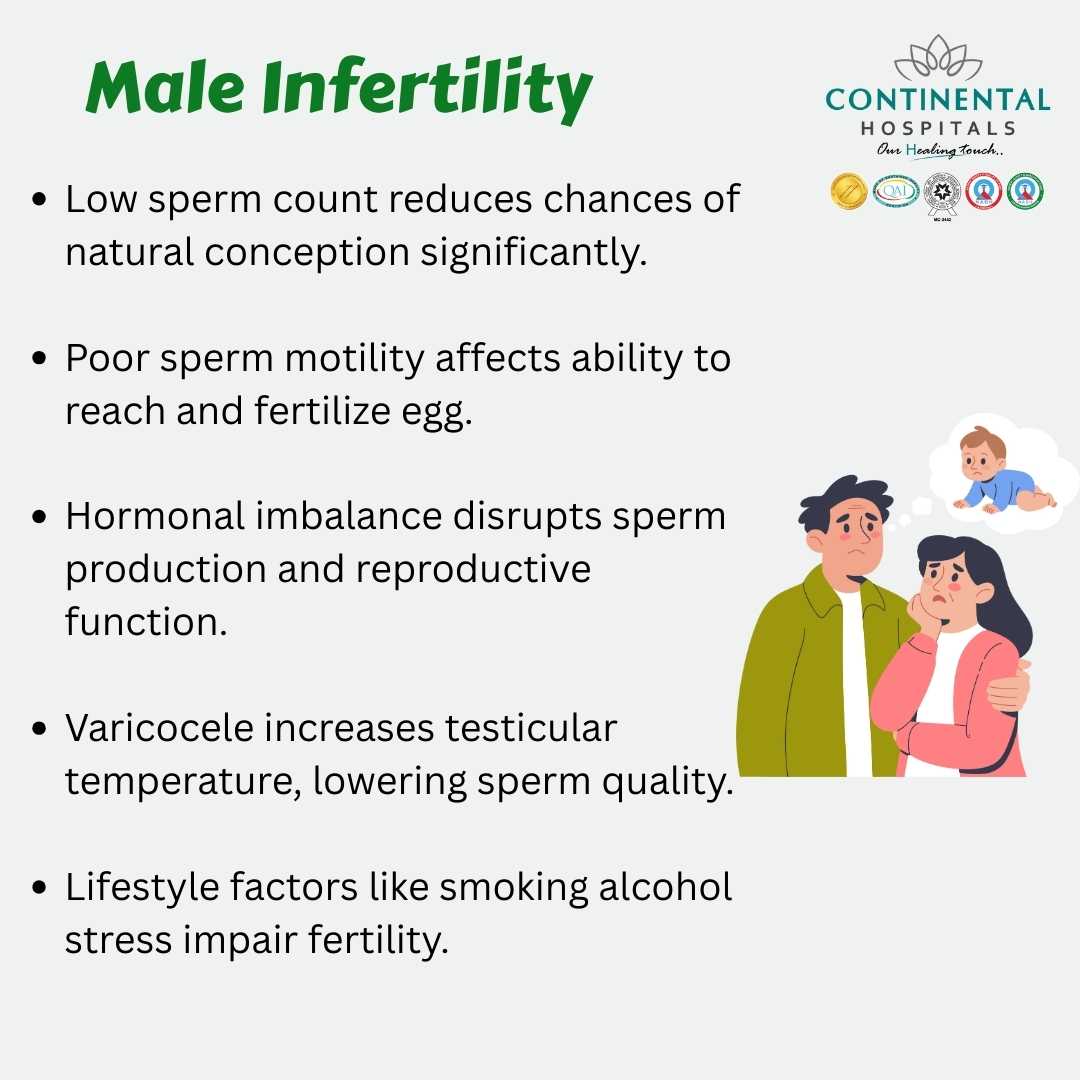
Low sperm count is one of the leading causes of male infertility. It means fewer sperm are present in semen than required for fertilization.
Common reasons include:
- Hormonal imbalance
- Testicular injury
- Infections
- Excess heat exposure
Low sperm count reduces the chance of sperm reaching and fertilizing the egg.
2. Poor Sperm Motility and Shape
Sperm motility refers to how well sperm move. Poor movement makes it difficult for sperm to reach the egg. Abnormal sperm shape can also affect fertilization.

These issues may result from:
- Genetic conditions
- Infections
- Smoking and alcohol use
- Nutritional deficiencies
3. Hormonal Imbalance
Hormones like testosterone and follicle stimulating hormone regulate sperm production. Any imbalance can affect fertility.
Hormonal causes include:
- Pituitary gland disorders
- Thyroid problems
- Obesity related hormone changes
Proper hormone evaluation is essential in male infertility treatment.
Varicocele is an enlargement of veins in the scrotum. It increases testicular temperature, which affects sperm production and quality.
It is one of the most common and treatable causes of male infertility when detected early.
5. Infections Affecting Reproductive Organs
Certain infections can block sperm passage or damage sperm health.
Examples include:
- Sexually transmitted infections
- Prostate infections
- Epididymitis
Prompt treatment helps reduce long term damage.
6. Does Smoking Cause Infertility in Males?
Yes, smoking is a major lifestyle factor linked to male infertility.
Smoking can:
- Reduce sperm count
- Damage sperm DNA
- Decrease sperm motility
Quitting smoking improves overall reproductive health and treatment outcomes.
7. Does Mumps Cause Infertility in Males?
Mumps infection after puberty can affect the testicles, a condition known as orchitis.
This may lead to:
- Reduced sperm production
- Testicular shrinkage
- Permanent fertility issues in some cases
Vaccination helps prevent this cause of infertility.
8. Genetic and Congenital Conditions
Some men are born with conditions that affect sperm production or delivery.
These include:
- Chromosomal abnormalities
- Absence of sperm ducts
- Inherited genetic disorders
Specialized testing helps identify these causes.
9. Lifestyle and Environmental Factors
Daily habits and environment also influence fertility.
Risk factors include:
- Excessive alcohol consumption
- Poor diet and obesity
- Stress and lack of sleep
- Exposure to chemicals and radiation
Lifestyle correction is often part of male infertility treatment.
Male Infertility Symptoms
Many men have no obvious symptoms. However, some signs may indicate fertility problems.
Possible male infertility symptoms:
- Difficulty achieving pregnancy
- Low sexual desire
- Erectile or ejaculation issues
- Testicular pain or swelling
- Reduced facial or body hair
Any persistent symptom should be evaluated by a male infertility specialist.
Can Male Infertility Be Cured?
A common question is can male infertility be cured? The answer depends on the cause.
In many cases:
- Hormonal issues can be corrected
- Varicocele can be treated surgically
- Infections can be managed with medication
- Lifestyle changes can improve sperm quality
Even when complete cure is not possible, advanced treatments help many couples achieve pregnancy.
Male Infertility Treatment Options
Treatment depends on the underlying cause and overall health.
Common approaches include:
- Medications to treat hormonal imbalance or infections
- Lifestyle modification programs
- Surgical correction of varicocele or blockages
- Assisted reproductive techniques when needed
Early diagnosis improves treatment success significantly.
When Should You See a Male Infertility Doctor?
You should consult a specialist if:
- Pregnancy has not occurred after one year of trying
- There is a history of testicular injury or infection
- You have known hormonal or genetic conditions
- Symptoms of low testosterone are present
A male infertility specialist provides focused evaluation and care.
Why Choose Continental Hospitals for Male Infertility Care?
Continental Hospitals is recognized as one of the best hospitals in Hyderabad for advanced reproductive and urology care.
Key reasons to choose Continental Hospitals:
- Highly experienced Urologists and Fertility Specialists
- NABH and JCI accreditations ensuring international quality standards
- Advanced diagnostic laboratories and imaging facilities
- Evidence based male infertility treatment protocols
- Multidisciplinary approach for comprehensive care
The hospital follows strict clinical guidelines, safety standards, and ethical medical practices.
Expert Male Infertility Care at Continental Hospitals
At Continental Hospitals, specialists focus on identifying the exact cause of infertility rather than offering generic solutions. Personalized treatment plans address medical, lifestyle, and reproductive factors together.
Patients benefit from
- Accurate diagnosis of low sperm count and related issues
- Advanced semen analysis and hormonal testing
- Counseling and long term fertility planning
Conclusion
Male infertility is more common than many realize and can result from low sperm count, infections, hormonal imbalance, smoking, mumps, and lifestyle factors. The good news is that many causes are treatable when diagnosed early. Understanding symptoms and seeking timely medical care improves outcomes and offers hope to couples planning a family.
If you suffer from difficulty conceiving, low sperm count, or symptoms of male infertility, consult our best Andrologist at Continental Hospitals. Early diagnosis, expert treatment, and compassionate care can help you move closer to parenthood with confidence.
Related Blog Topics