.webp)

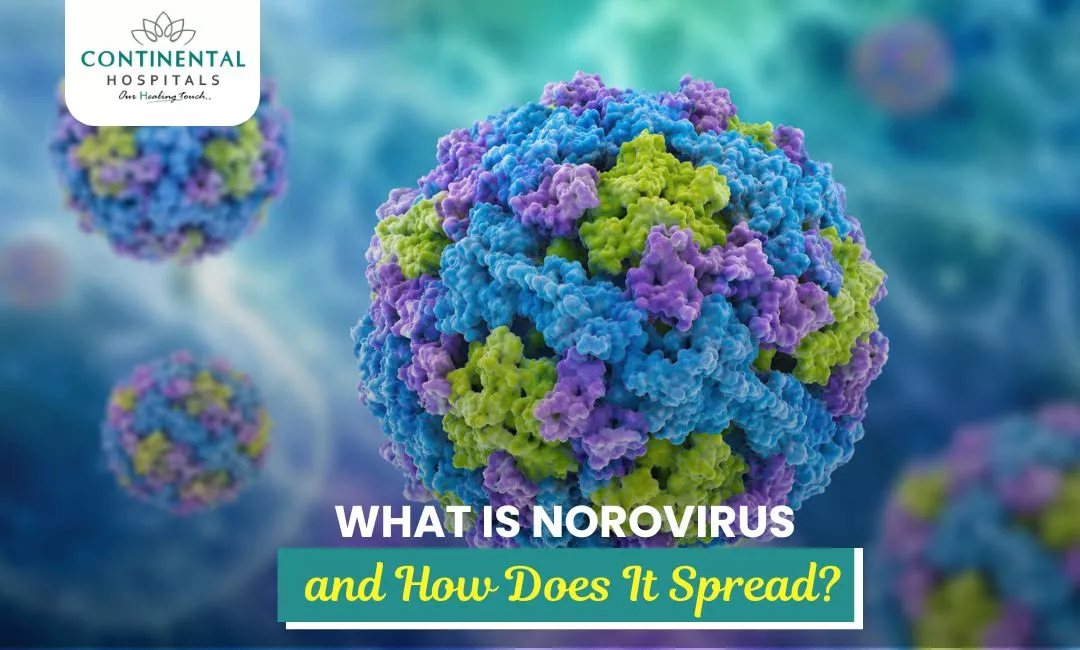
Managing sudden stomach issues can be highly disruptive, particularly when an infection spreads rapidly through an entire household or workplace. A frequent source of acute gastrointestinal distress is a highly contagious virus that impacts individuals of all age groups.
This specific viral infection targets the stomach and intestinal lining, leading to sudden and severe digestive symptoms. Gaining a clear understanding of this virus and its transmission patterns is the most effective approach to safeguarding your health and ensuring your family remains safe.
What is norovirus exactly?
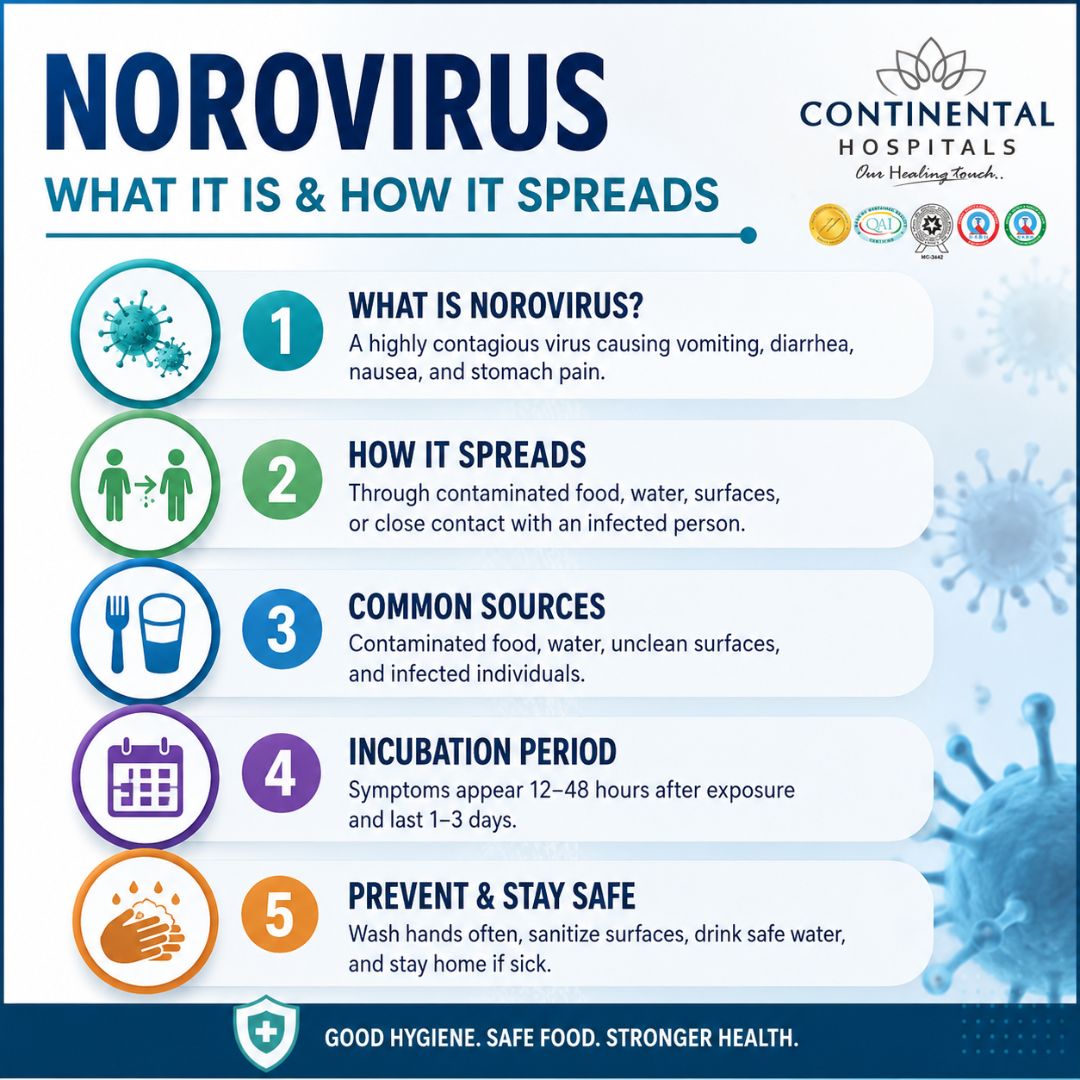
Norovirus is a highly infectious virus that triggers acute gastroenteritis, which is a medical term for the sudden inflammation of the stomach and the intestines. People frequently confuse this condition with the stomach flu or a standard stomach bug, but it is entirely unrelated to the influenza virus.
This microorganism is incredibly resilient and requires only a minuscule number of viral particles to make a person sick. It thrives in crowded environments and can easily survive extreme temperatures on various surfaces, making quick transmission very common.
Severe vomiting, persistent diarrhea, or dehydration signs? Visit our Internal Medicine Department at Continental Hospitals today.
What are the most common norovirus symptoms to watch for?
When a person comes into contact with the virus, the incubation period typically lasts between 12 and 48 hours before physical signs appear. The primary norovirus symptoms manifest abruptly and can make an individual feel profoundly ill very quickly.
The most frequent signs of an infection include:
- Frequent nausea and forceful vomiting
- Watery, non-bloody diarrhea
- Sharp stomach pain and abdominal cramping
- Low-grade fever and occasional chills
- General body aches and headaches
For most healthy individuals, these intense symptoms run their course and resolve within 1 to 3 days. However, the virus remains active in the body, meaning an individual can continue spreading it to others for several days after fully recovering.

What are the primary signs of dehydration caused by the virus?
Because the virus causes rapid fluid loss through vomiting and diarrhea, dehydration is the most critical medical concern during an active infection. Young children, elderly individuals, and people with compromised immune systems face the highest risk of fluid depletion.
You must closely monitor for these warning signs:
- A noticeably dry mouth and sticky throat
- A significant decrease in urination or dark-colored urine
- Pronounced dizziness or lightheadedness when trying to stand up
- Extreme sleepiness, fatigue, or severe fussiness in young children
- Crying with very few tears or no tears at all
How does a norovirus outbreak occur and spread so quickly?
Understanding the transmission paths of a norovirus outbreak is essential for stopping it from moving through a community. The virus travels via the fecal-oral route, which means viral particles from an infected person's stool or vomit inadvertently enter another person's mouth.
The main ways the infection spreads include:
Direct personal contact: Caring for an ill family member, sharing eating utensils, or shaking hands with someone who has the infection.
- Contaminated surfaces: Touching doorknobs, countertops, or phones that have viral particles on them and then touching your mouth or nose before washing your hands.
- Contaminated food and water: Consuming food handled by an infected individual or eating raw shellfish harvested from polluted waters.
What is the recommended norovirus treatment plan?
There is no specific antiviral medication or targeted norovirus treatment available to cure the infection. Antibiotics are completely ineffective because they only target bacteria, not viral pathogens.
Management focuses entirely on supportive care and preventing fluid depletion through these steps:
- Drink oral rehydration fluids: Consume water mixed with oral rehydration salts or clear broths to restore lost minerals and fluids.
- Avoid sugary or caffeinated drinks: Beverages with high sugar or caffeine content can worsen diarrhea and increase fluid loss.
- Eat a light, bland diet: When vomiting subsides, slowly introduce easy-to-digest items such as crackers, plain rice, toast, and boiled potatoes.
- Get plenty of physical rest: Allow your immune system to recover by avoiding strenuous activities during the illness.
What are the best strategies for norovirus prevention?
Consistent hygiene practices are the absolute foundation of successful norovirus prevention. Because the virus can withstand many standard cleaning products, specific sanitization steps are required.
Follow these proven prevention methods:
- Wash hands with soap and water: Scrub your hands thoroughly for at least 20 seconds after using the restroom or changing diapers, and always before preparing food.
- Do not rely solely on hand sanitizers: Alcohol-based hand gels do not effectively eliminate norovirus particles; physical handwashing is mandatory.
- Disinfect surfaces with bleach: Clean contaminated areas using a chlorine bleach-based household cleaner, leaving it on the surface for at least 5 minutes before wiping.
- Wash laundry at high temperatures: Immediately remove and wash clothing or bedding contaminated with vomit or stool using hot water and a high-heat drying cycle.
- Stay home during the illness: Avoid preparing food for others or going to public places for at least 48 hours after your symptoms completely disappear.
Why choose Continental Hospitals for your family's healthcare needs?
When managing acute infectious conditions like gastroenteritis, access to a trusted, high-quality medical institution is vital for patient recovery and safety. Continental Hospitals stands as the best hospital in Hyderabad, offering comprehensive medical care backed by international health standards.
Our institution is built upon strict clinical protocols and holds dual national and international recognitions, including National Accreditation Board for Hospitals and Healthcare Providers (NABH) accreditation and Joint Commission International (JCI) accreditation. These stringent accreditations serve as a guarantee that our clinical processes, patient safety measures, and infection control protocols match global benchmarks.
With advanced diagnostic laboratories, specialized critical care infrastructure, and dedicated pediatric and adult emergency wings, Continental Hospitals provides rapid intervention for severe dehydration and complex viral illnesses. Our eco-friendly, naturally ventilated healing spaces ensure a safe and hygienic environment that actively minimizes the risk of hospital-acquired infections.
Conclusion
A norovirus infection can be physically draining and highly disruptive, but understanding its transmission pathways empowers you to protect your household effectively. Prioritizing thorough handwashing, disinfecting shared surfaces, and staying well-hydrated are your most reliable defenses against acute digestive health issues.
If you or a loved one suffers from uncontrollable vomiting, severe abdominal pain, or advanced signs of dehydration, seeking professional medical evaluation is crucial. The expert team at Continental Hospitals is fully prepared to provide advanced clinical support and personalized care to restore your health safely and comfortably.
If you suffer from severe vomiting, persistent diarrhea, or signs of dehydration, do not hesitate to reach out to a specialist. Early intervention can prevent complications and ensure a smoother recovery process. Consult our best internal medicine specialist in Hyderabad at Continental Hospitals.
Related Blog Topics: