.webp)

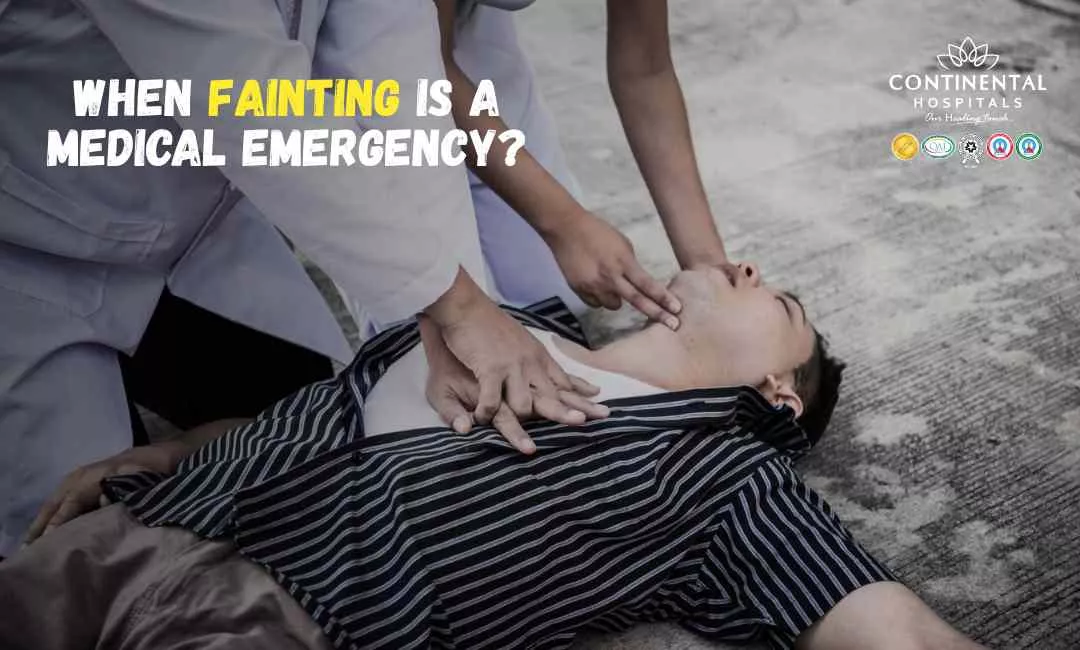
Fainting, also known as syncope, is a sudden and temporary loss of consciousness. Many people faint at least once in their lifetime, often due to dehydration, stress, or standing for too long. In most cases, it is harmless and recovery is quick.
However, fainting is not always simple. Sometimes, it can be a warning sign of a serious medical condition that needs immediate attention. Knowing when fainting is a medical emergency can save lives.
What Happens During Fainting?
Fainting occurs when the brain does not receive enough blood flow for a short time. This leads to sudden dizziness, blackout, and collapse. Consciousness usually returns within seconds or minutes.
Common early symptoms before fainting may include:
- Lightheadedness
- Blurred vision
- Sweating
- Nausea
- Ringing in the ears
- Weakness
While these symptoms may seem mild, their cause determines whether fainting is harmless or dangerous.
Common Causes of Fainting
Many fainting episodes are non life threatening and may occur due to:
- Dehydration
- Low blood sugar
- Sudden standing up
- Heat exhaustion
- Anxiety or emotional stress
- Prolonged standing
In such cases, rest and hydration usually help. But not all fainting episodes should be ignored.
When Is Fainting a Medical Emergency?
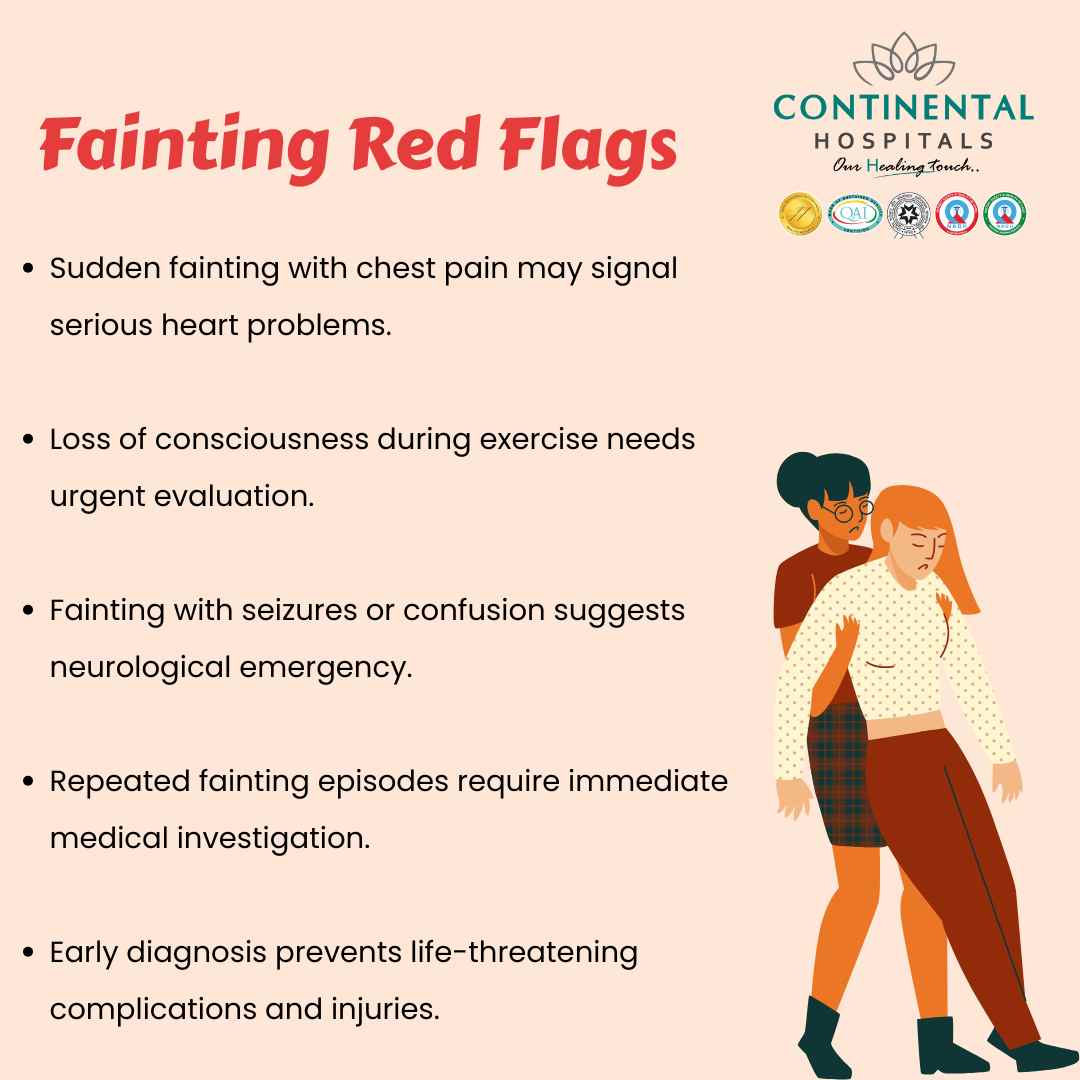
Fainting becomes a medical emergency when it is linked to underlying heart, brain, or systemic conditions. Immediate medical evaluation is needed if fainting occurs with the following warning signs.

Red Flag Symptoms You Should Never Ignore
Fainting with chest pain?
This may indicate a heart attack or serious heart rhythm problem. Emergency care is required.
Fainting during physical activity?
Passing out while exercising can signal heart valve disease or abnormal heart rhythms.
Fainting with shortness of breath?
This could be related to pulmonary embolism or heart failure.
Fainting with seizures or jerky movements?
This may suggest a neurological condition rather than simple syncope.
Fainting with severe headache?
A sudden severe headache followed by fainting can be linked to brain bleeding or stroke.
Fainting after head injury?
Loss of consciousness after a fall or trauma needs urgent evaluation to rule out brain injury.
Repeated fainting episodes?
Frequent fainting without a clear reason should always be investigated.
High Risk Groups Where Fainting Is Dangerous
Fainting requires special attention in the following groups:
- Elderly individuals
- Pregnant women
- People with known heart disease
- Diabetics
- Individuals with high blood pressure
- Patients on heart or blood pressure medications
In these groups, fainting is more likely to indicate a serious cause.
Medical Conditions Linked to Dangerous Fainting
Some conditions that can cause life threatening fainting include:
- Abnormal heart rhythms
- Heart valve disorders
- Heart attack
- Stroke or transient ischemic attack
- Severe anemia
- Internal bleeding
- Severe infections
- Low oxygen levels
Early diagnosis and treatment are crucial to prevent complications.
What Should You Do If Someone Faints?
If someone faints near you:
- Lay them flat on their back
- Raise their legs slightly
- Loosen tight clothing
- Check breathing and pulse
- Do not give food or water immediately
- Call emergency services if they do not wake up quickly
If fainting is associated with injury, chest pain, or confusion, do not delay medical help.
How Doctors Evaluate Fainting?
Doctors assess fainting based on history, physical examination, and tests. Evaluation may include:
- Blood pressure and heart rate checks
- Blood tests
- ECG to assess heart rhythm
- Imaging tests if neurological causes are suspected
- Continuous heart monitoring if needed
The goal is to identify whether fainting is benign or a sign of a serious condition.
Can Fainting Be Prevented?
Some fainting episodes can be prevented by:
- Staying well hydrated
- Eating regular meals
- Standing up slowly
- Managing stress
- Taking medications as prescribed
- Regular health checkups if you have chronic conditions
Prevention depends on identifying and treating the underlying cause.
When Should You Go to the Hospital Immediately?
Seek emergency medical care if fainting:
- Occurs suddenly without warning
- Happens during activity or exercise
- Is associated with chest pain or breathlessness
- Is followed by confusion or weakness
- Occurs in someone with heart disease
- Happens more than once
It is always safer to get evaluated than to ignore symptoms.
Why Choose Continental Hospitals?
Continental Hospitals is regarded as one of the best hospital in Hyderabad for emergency and critical care. Our emergency department is equipped to handle fainting and collapse cases with speed and precision.
What sets Continental Hospitals apart?
- Advanced emergency and cardiac care units
- Experienced general physicians, cardiologists, and neurologists
- Rapid diagnostic facilities under one roof
- Internationally recognized patient safety accreditations
- Multidisciplinary approach for accurate diagnosis
- Compassionate, patient centered care
Our teams work together to identify the cause quickly and start the right treatment without delay.
Conclusion
Fainting is not always harmless. While some episodes are due to simple causes, others can be warning signs of serious medical conditions. Knowing when fainting is a medical emergency helps protect your health and the health of your loved ones.
If fainting is sudden, unexplained, or associated with other symptoms, do not ignore it. Early medical attention can prevent life threatening complications.
If you or someone around you has experienced fainting, dizziness, or sudden collapse, consult our top General Medicine specialists at Continental Hospitals. Timely evaluation can make a critical difference.
Book an appointment today at one of the best hospital in Hyderabad and ensure your safety with expert medical care you can trust.