.webp)


Back pain has quietly become one of the most common health issues in India. People of every age group, from young adults working long hours at a desk to middle-aged individuals managing household responsibilities, are experiencing frequent episodes of discomfort, stiffness, and limited movement. Back pain India statistics and trends show that it has now become a leading reason for clinic visits, reduced productivity, and long-term health concerns. Understanding the common back pain causes, lifestyle triggers, and ways to protect your spine can help prevent chronic back pain India cases from rising further.
Why Is Back Pain Increasing in India?
Back pain has become widespread due to a combination of lifestyle changes, modern work patterns, and reduced physical activity. Some of the key reasons include:
1. Long Sitting Hours
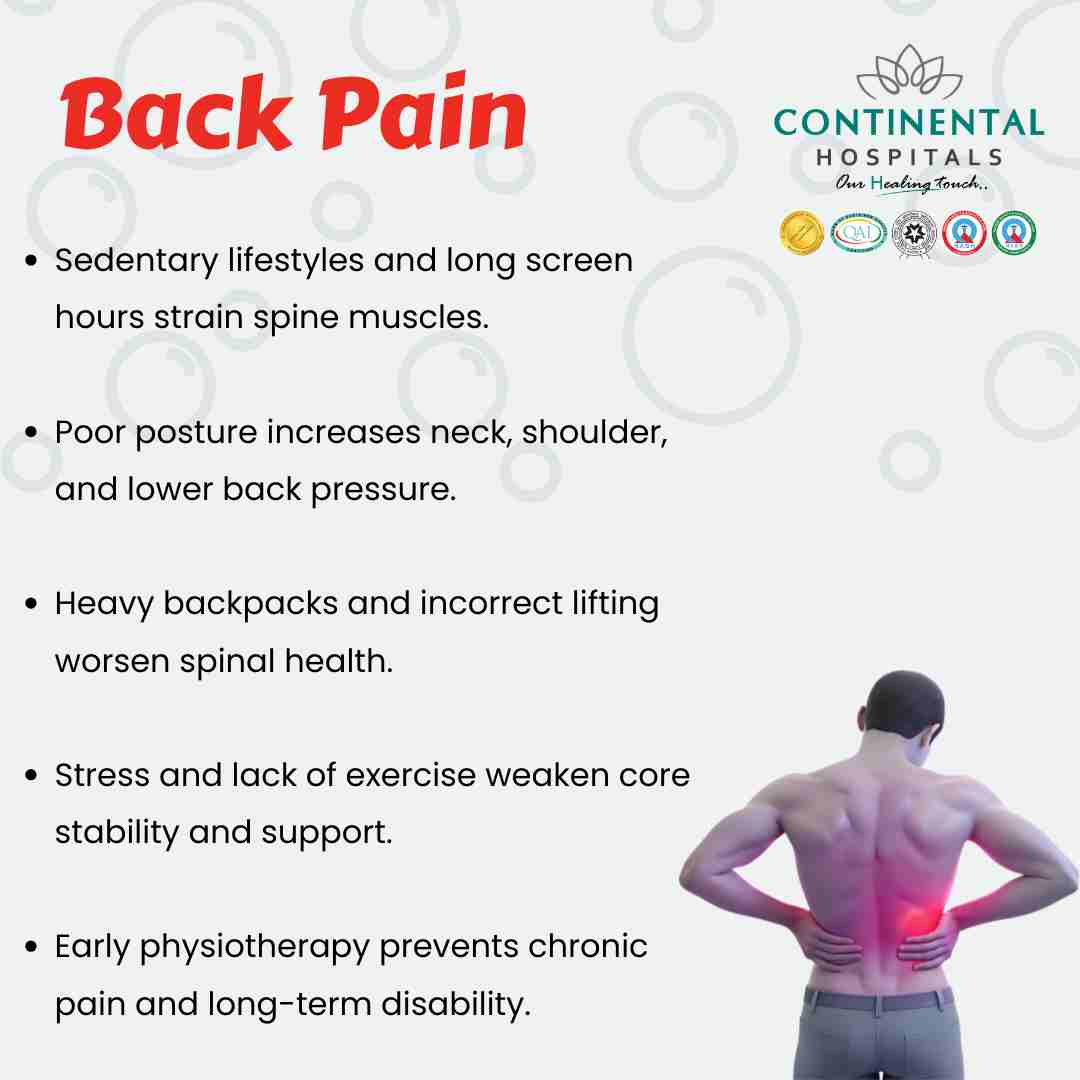
Sitting job back pain is now one of the most frequent complaints. Adults are spending long hours in front of computers without breaks, leading to stiffness, weakened back muscles, and pressure on the spine. Incorrect desk height, poor chair support, and leaning forward increase strain on the lower back.
2. Poor Posture
Poor posture pain affects both office workers and students. Slouching, bending the neck forward while using phones, and sitting in awkward positions for long periods can disturb the natural alignment of the spine. Over time, this leads to muscle fatigue and persistent pain.
3. Lack of Regular Exercise
Many people do not engage in daily physical activity. Lack of movement weakens core and back muscles, making them less capable of supporting the spine. This increases the chances of back strains, spasms, and chronic discomfort.
4. Growing Screen Dependency
Using smartphones, laptops, and tablets for long hours adds excess pressure on the upper and lower back. Looking down at screens for extended periods can cause neck and back stiffness.
5. Back Pain in Young Adults
Back pain young adults cases are increasing due to heavy backpacks, long study hours, gym workouts without proper form, and poor posture. While back pain was once considered an age-related issue, it is now affecting people as young as teenagers.
6. Sedentary Lifestyle
Urban lifestyles involve more sitting and less movement. Taking cabs, using elevators, limited walking, and lack of sports activities reduce muscle flexibility and strength, increasing the risk of spine-related problems.
7. Stress and Sleep Issues
Stress can tighten muscles in the neck, upper back, and lower back. Poor sleep posture or sleeping on worn mattresses can also trigger morning stiffness and discomfort.

Visit the top orthopedic doctors in Hyderabad at Continental Hospitals to consult our experienced orthopedic specialists in Hyderabad for a comprehensive evaluation and personalized treatment plan.
What are the most common causes of back pain in India?
Below are some of the most frequent reasons for back pain India experts encounter in hospitals:
- Disc degeneration
- Muscle strain or ligament injury
- Sciatica
- Herniated or slipped disc
- Osteoporosis
- Arthritis affecting the spine
- Poor ergonomics
- Repetitive movements or heavy lifting
- Weak abdominal and core muscles
Knowing what triggers pain can help you take steps for early prevention.
How Do Sitting Jobs Affect Spine Health?
Sitting job back pain is one of the top concerns for working professionals. When you sit for long hours without movement, your spine loses natural flexibility. Chairs without lumbar support increase pressure on the lower spine. Over time, this may lead to chronic back pain, which Indian workers frequently report.
Incorrect desk setup can worsen the problem. If your computer screen is too low or too high, your neck and shoulders take extra strain. Crossing legs for long periods and sitting without foot support also contribute to discomfort.
Why Is Back Pain Common in Young Adults?
The rise in back pain young adults cases can be linked to increasing screen use, incorrect gym exercises, heavy school bags, and lack of stretching. Many young individuals spend more time on phones than on outdoor activities, which weakens posture and reduces spinal strength. Early correction can prevent long-term complications as they grow older.
How can I keep my spine healthy every day?
Healthy spine habits can reduce the risk of chronic back pain. Here are some daily back pain prevention India recommendations:
Maintain correct posture
Keep your back straight and shoulders relaxed whether sitting, standing, or walking.
Take breaks every hour
Stand, stretch, or walk for two to three minutes to reduce muscle tension.
Strengthen core muscles
Regular exercises help support the spine and reduce strain.
Adjust your workspace
Use an ergonomic chair, keep your screen at eye level, and ensure proper desk height.
Avoid lifting heavy objects incorrectly
Bend your knees, not your back, while lifting.
Sleep on a supportive mattress
Your mattress should support spinal alignment.
Stay active
Walking, yoga, swimming, and stretching can improve flexibility and muscle strength.
When Back Pain Becomes Chronic
Chronic back pain India cases occur when discomfort lasts for weeks or keeps returning. Delayed treatment, ignoring early signs, or relying only on home remedies can worsen the condition. Chronic pain can be due to nerve compression, disc issues, spinal arthritis, or long-term muscle imbalance.
Seek medical care if:
- Pain persists beyond a few weeks
- You feel tingling or numbness in the legs
- Pain radiates downward
- There is weakness or difficulty walking
- The discomfort disturbs sleep
Advanced spine evaluation and timely back pain treatment can prevent further damage.
Back Pain Treatment Options
Specialists may recommend one or more of the following based on the underlying cause:
- Physical therapy
- Medication for pain relief and inflammation
- Posture correction and ergonomic support
- Strengthening exercises
- Lifestyle adjustments
- Image-guided injections
- Minimally invasive spine procedures
- Surgery only when absolutely necessary
A personalised treatment plan helps achieve long-term relief and prevents recurrence.
Why Choose Continental Hospitals?
Continental Hospitals is accredited by global quality and patient safety bodies, which ensures strict clinical standards, advanced diagnostic systems, and evidence-based spine care. The hospital follows internationally benchmarked protocols for evaluation, treatment, and rehabilitation of back pain and spine problems.
The team includes highly experienced spine specialists, orthopaedic surgeons, physiotherapists, and rehabilitation experts who work together to provide comprehensive care. Modern imaging technology, state-of-the-art operation theatres, and dedicated physiotherapy units allow accurate diagnosis and fast recovery. Patients benefit from personalised treatment plans, multidisciplinary expertise, and an environment designed for comfort and safety.
Conclusion
Back pain has become one of India’s most common complaints due to long sitting hours, poor posture, lack of exercise, and lifestyle habits. Understanding the early signs, following proper spine health tips, and seeking timely back pain treatment can prevent long-term complications. Taking care of your spine today protects your mobility and overall wellbeing in the future.
If you suffer from persistent or recurring back pain, do not ignore the symptoms. Consult our Best Orthopedic Specialists in Hyderabad at Continental Hospitals for expert evaluation and personalised treatment to help you return to a pain-free life.
Related Blogs: