.webp)


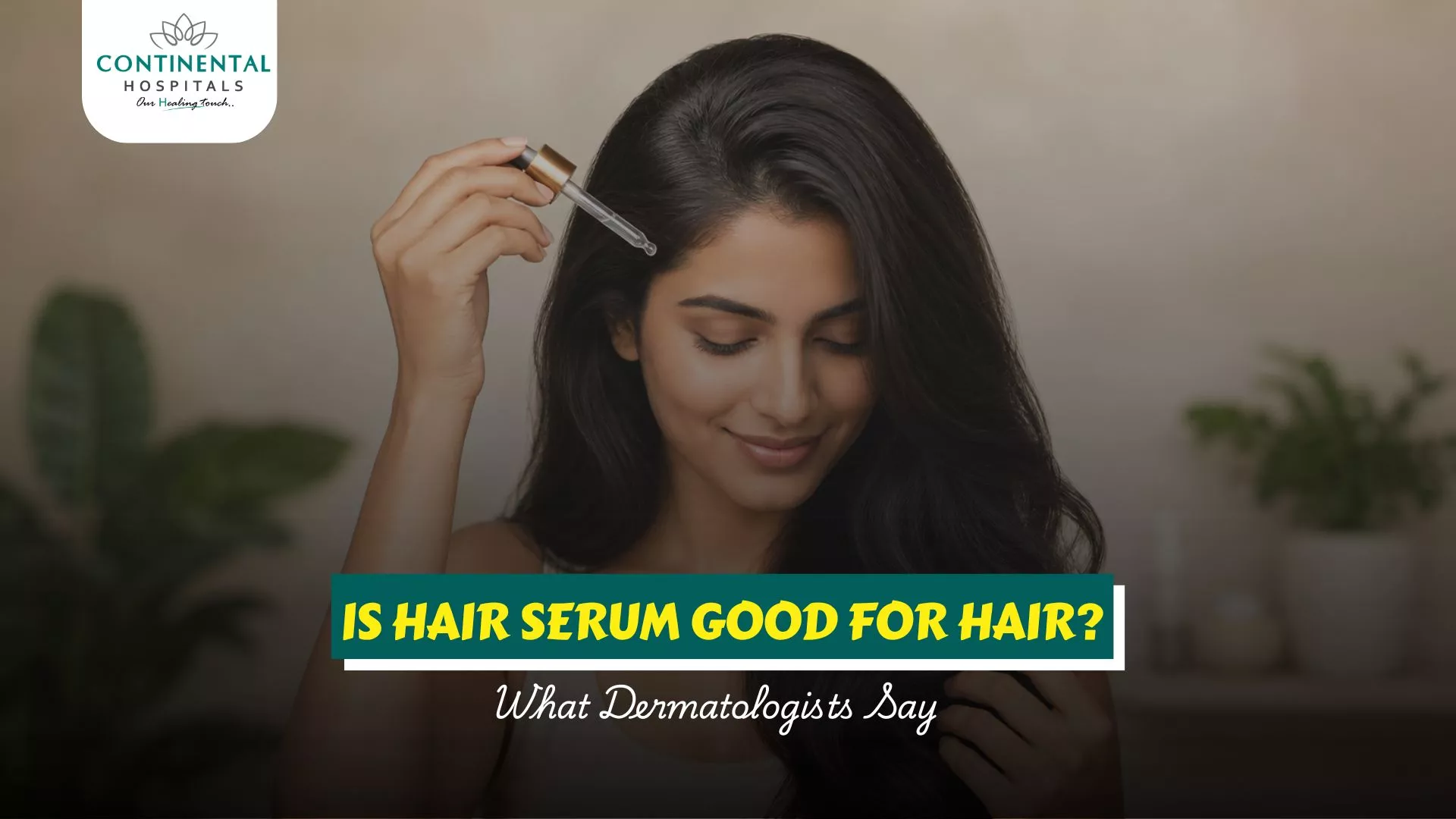
Cold weather brings many changes to our daily routine, but one of the most common complaints people experience in winter is extra dry and frizzy hair. If you notice your hair losing moisture, becoming rough, or your scalp turning flaky during the colder months, you are not alone. Winter dry hair is a widespread problem caused by a mix of environmental factors, lifestyle habits, and the natural response of your hair and scalp to low humidity.
Why Hair Becomes Extra Dry in Cold Weather?
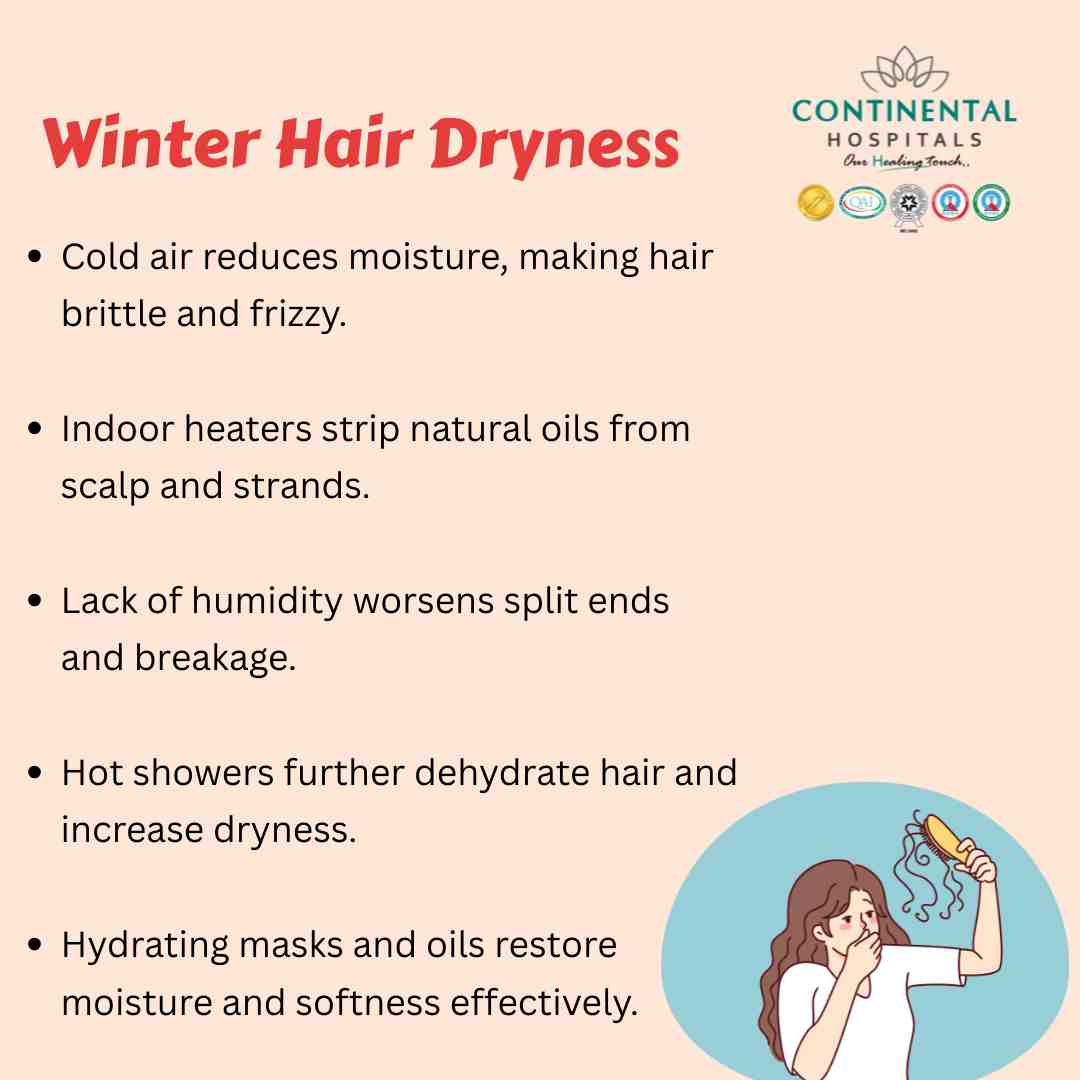
Winter air contains very low moisture. When the humidity drops, the air begins to pull moisture from wherever it can find it, including your skin and hair. Hair strands need hydration to stay soft and flexible. Without it, they turn brittle, dull, and prone to breakage.
Below are the main reasons hair dryness becomes worse in cold weather:
1. Low Humidity Levels
Low humidity is one of the biggest causes of winter dry hair. Dry winter air draws moisture out of the scalp and hair, leaving them dehydrated. This leads to winter frizzy hair, rough texture, and increased split ends.
2. Indoor Heating
While heaters make indoor spaces warm and comfortable, they also dry out the air inside homes and offices. This further reduces hydration in the scalp, worsening winter scalp dryness and flaky scalp issues.
3. Hot Water Showers
Many people use hot water during winter, but hot water strips away natural oils from the scalp. These natural oils act as protective moisturisers. Without them, hair becomes dry, frizzy, and more fragile.
4. Reduced Oil Production
Cold temperatures can slow down the scalp’s oil glands. When the natural oil layer decreases, hair strands lose their protective coating. This leads to dryness and frizz.
5. Frequent Use of Hair Dryers
Blow drying hair in winter may seem convenient, but the heat weakens hair strands and removes moisture, making dryness even worse.
6. Wearing Woolen Caps and Scarves
Woolen fabrics create friction that causes static and frizz. They also trap moisture unevenly, sometimes causing scalp irritation.

How Winter Affects Your Scalp?
Hair health depends on scalp health. When the scalp becomes dry, itchy, or flaky in winter, hair naturally becomes dull and dehydrated. Winter scalp dryness can look similar to dandruff, but the flakes are usually dry and white rather than oily.
Common winter scalp problems include:
- Itching
- Flaky scalp
- Tightness of the scalp
- Increased hair fall due to dryness
- Lack of shine
Proper winter hair care is essential to restore moisture to both the scalp and hair strands.
Signs That Your Hair Is Lacking Moisture in Winter
You may notice the following:
- Hair feels rough to touch
- Lack of shine
- Increased frizz
- Split ends
- Breakage during combing
- Scalp flaking or itching
These are clear indicators that it is time to follow winter dry hair remedies to protect and hydrate your hair.
Simple and Effective Winter Hair Care Tips
To manage hair dryness in cold weather, follow these cold weather hair tips consistently:
1. Oil Regularly
Using suitable hair oil in winter helps lock moisture into the scalp and strengthens hair strands. Oils such as coconut oil or almond oil nourish hair naturally and reduce frizz.
2. Use a Hydrating Shampoo and Conditioner
Choose products with moisturising ingredients. Look for hydrating shampoo and deep conditioners to restore softness.
3. Avoid Hot Water
Use lukewarm water. Hot water damages the scalp barrier and removes natural oils.
4. Reduce Heat Styling
Limit the use of straighteners, curlers, and blow dryers. If needed, apply a heat protectant.
5. Cover Your Hair
When stepping outdoors, use a soft scarf or cap to protect your hair from cold winds. Prefer silk or satin lining to avoid friction related frizz.
6. Hydration Through Diet
Drink enough water and eat foods rich in omega fatty acids. Hydration from within reflects in hair health.
7. Use Hair Masks Weekly
Nourishing hair masks help repair dryness and add moisture. They support long term hair strength.
8. Maintain Scalp Hygiene
Wash regularly but not excessively. Over washing strips oils and leads to winter scalp dryness.
9. Trim Split Ends
Regular trimming prevents further breakage and keeps hair looking healthy.
Winter Dry Hair Remedies You Can Try at Home?
These remedies are safe and effective for most hair types:
- Apply warm oil before washing
- Use aloe vera based gels
- Apply curd based masks for moisture
- Use leave in conditioners
- Use satin pillowcases to reduce friction
These steps help hydrate hair in winter and reduce frizz naturally.
When to See a Dermatologist or Trichologist?
If dry hair or flaky scalp winter problems continue even after home care, you may need medical support. Seek expert evaluation if you experience:
- Excessive hair fall
- Persistent itchy scalp
- Severe dryness despite care
- Scalp redness or scaling
- Sudden texture changes
A specialist can assess underlying conditions such as dermatitis, fungal infections, psoriasis, or nutritional deficiencies.
Why Choose Continental Hospitals for Hair and Scalp Concerns?
Continental Hospitals is a trusted, internationally accredited healthcare institution known for excellence in dermatology and trichology care. The hospital follows strict global quality and safety standards, providing advanced diagnostics and personalised treatment for hair and scalp disorders. The team consists of experienced dermatologists, trichologists, and specialists supported by modern infrastructure, digital medical systems, and patient centred care.
Patients receive evidence based treatment plans, expert counselling, and long term follow up support. Continental Hospitals is recognised for its high clinical standards, compassionate care approach, and commitment to maintaining international level accreditations for quality and patient safety.
Conclusion
Hair gets extra dry in cold weather because of low humidity, indoor heating, reduced natural oil production, and exposure to hot water or styling tools. With the right winter hair care habits, nourishing products, and simple tips, you can keep your hair hydrated, soft, and manageable. If you suffer from severe dryness, persistent frizz, or winter scalp dryness, consult a specialist for personalised care.
If you suffer from persistent dry hair, flaky scalp, or winter related hair concerns, consult our best Dermatology and Trichology specialists at Continental Hospitals for expert diagnosis and customised treatment plans tailored to your needs.