.webp)


Parents often notice sudden mood changes in their children. One moment they are calm and cooperative, and the next they are angry, restless, or crying without a clear reason. Many parents wonder, is this normal behaviour or is something wrong? While emotions are a natural part of growing up, frequent irritability in children is often linked to nutrition. What a child eats directly affects brain function, energy levels, sleep quality, and emotional balance.
At Continental Hospitals, known as one of the best hospitals in Hyderabad, specialists consistently see a strong connection between diet and behavioural concerns in children. Understanding this link can help parents make simple changes that improve their child’s mood, focus, and overall wellbeing.
What Does Irritability in Children Really Mean?
Irritability is more than occasional anger or moodiness. It can appear as frequent tantrums, low frustration tolerance, constant crying, lack of interest in activities, poor concentration, or even aggression. When these signs happen often, nutrition should be one of the first areas parents review.
The brain needs a steady supply of nutrients to regulate emotions. Without proper nourishment, a child may feel overwhelmed, tired, or anxious, which often comes out as irritability.
How Nutrition Affects Your Child’s Mood?
Food plays a direct role in brain chemistry. Certain nutrients support neurotransmitters that control mood and behaviour, while poor diet choices can trigger emotional ups and downs.
Blood sugar imbalance
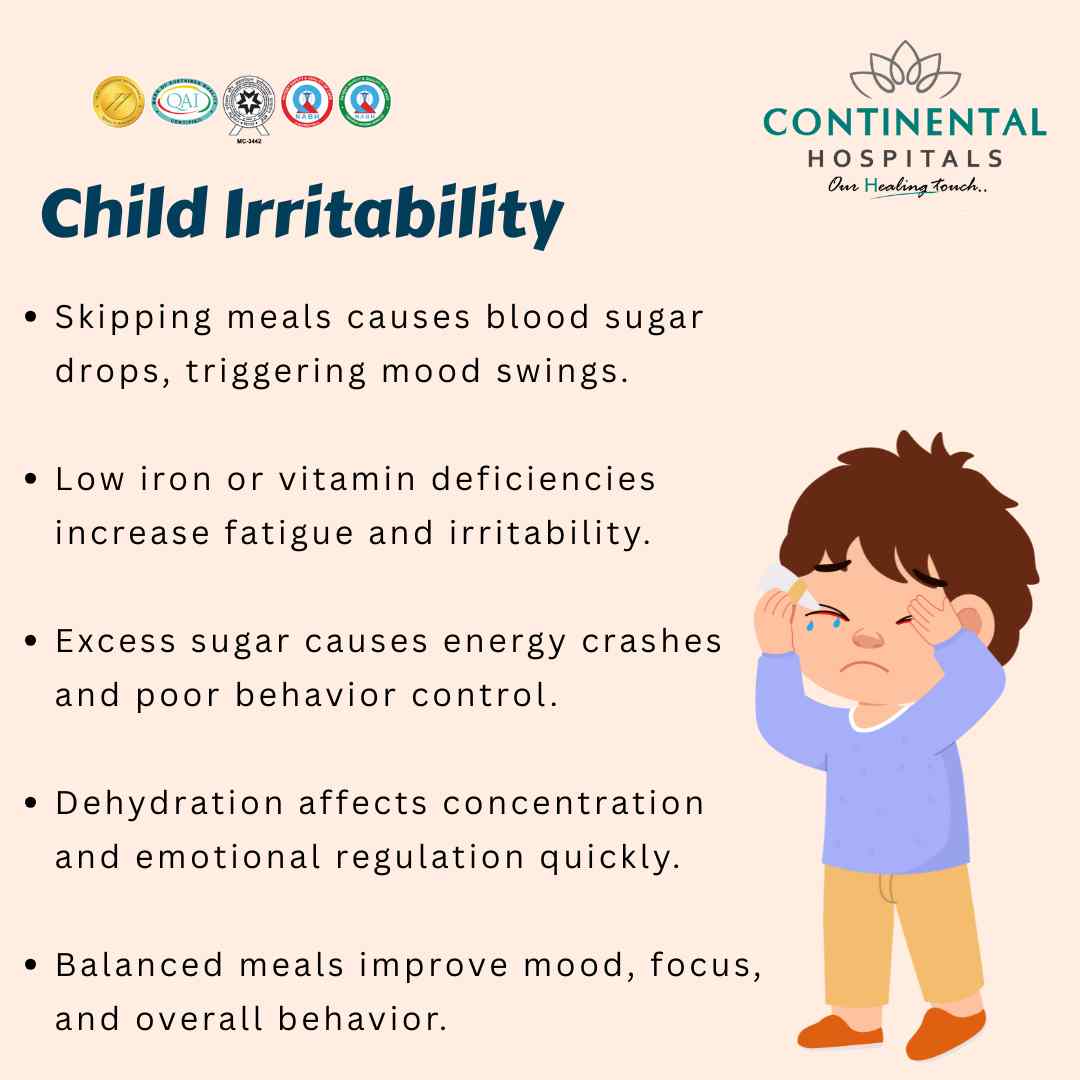
When children consume foods high in sugar or refined carbohydrates, their blood sugar rises quickly and then drops sharply. This sudden fall can make them feel tired, hungry, and irritable.
Lack of essential nutrients
Growing brains require vitamins, minerals, healthy fats, and proteins. Deficiency in these can affect emotional regulation and attention.
Poor gut health
The gut and brain are closely connected. An unhealthy digestive system can impact mood, sleep, and behaviour.

Dehydration
Even mild dehydration can cause fatigue, headaches, and cranky behaviour in children.
Common Nutritional Causes of Irritability in Children
A nutritionist often identifies these key dietary issues when evaluating irritable children.
Skipping meals
Children who skip breakfast or eat irregularly may become easily frustrated and tired during the day.
Excess junk food
Packaged snacks, sugary drinks, and fast foods offer calories without nutrition and can disrupt mood stability.
Low protein intake
Protein helps stabilize blood sugar and supports brain development. Poor protein intake may lead to mood swings.
Iron deficiency
Low iron levels can cause tiredness, poor concentration, and irritability, especially in growing children.
Omega fatty acid deficiency
Healthy fats are essential for brain function. Without them, children may struggle with emotional control.
Key Nutrients That Support Calm and Happy Behaviour
A balanced diet can significantly improve your child’s emotional health. Nutritionists recommend focusing on these nutrients.
Complex carbohydrates
Whole grains, fruits, and vegetables provide steady energy and prevent sudden blood sugar drops.
Protein rich foods
Eggs, pulses, dairy products, nuts, and lean meats support mood stability and focus.
Healthy fats
Foods like seeds, nuts, and healthy oils support brain development and emotional balance.
Iron rich foods
Green leafy vegetables, lentils, dates, and fortified cereals help prevent fatigue and irritability.
Vitamins and minerals
Zinc, magnesium, and B vitamins play a role in calming the nervous system.
Eating Patterns Matter as Much as Food Choice?
Yes. Even nutritious foods need to be eaten at the right time and in the right way.
Helpful eating habits include:
- Regular meal times to maintain stable energy levels
- Balanced meals with carbohydrates, proteins, and healthy fats
- Healthy snacks between meals to prevent hunger related tantrums
- Limiting sugary foods, especially before school or bedtime
These simple habits can significantly reduce behavioural fluctuations.
Signs That Nutrition Could Be the Root Cause?
Parents should consider nutrition as a possible factor if they notice the following:
- Frequent tantrums without a clear emotional trigger
- Irritability that worsens before meals
- Low energy and poor attention at school
- Disturbed sleep patterns
- Frequent complaints of stomach discomfort or headaches
When these signs appear together, a nutrition assessment can be very helpful.
How Parents Can Support Better Behaviour Through Diet?
Here are practical steps recommended by child nutrition specialists:
- Serve a balanced breakfast every day
- Include fruits and vegetables in every main meal
- Replace sugary snacks with nutrient rich alternatives
- Encourage adequate water intake throughout the day
- Avoid forcing food but maintain structure and variety
Consistency matters more than perfection. Small improvements over time lead to lasting results.
When Should You Seek Medical or Nutrition Guidance?
If your child’s irritability is persistent, intense, or affecting school performance and family life, professional evaluation is important. Sometimes nutritional deficiencies coexist with other medical or developmental concerns that need expert care.
At Continental Hospitals, Hyderabad, experienced pediatricians and nutritionists work together to assess growth, diet, digestion, and behavioural health. Early guidance can prevent long term issues and support healthy emotional development.
Why Choose Continental Hospitals?
Continental Hospitals is widely recognized as one of the best hospitals in Hyderabad, offering comprehensive child healthcare under one roof. The hospital is known for its strong clinical protocols, patient focused approach, and multidisciplinary expertise.
Key strengths include:
- Internationally recognized accreditations that ensure high standards of patient safety and quality care
- Experienced pediatricians, nutritionists, and child health specialists
- Advanced diagnostic facilities for accurate assessment
- Evidence based nutrition and lifestyle counselling
- Family centered care with clear communication and follow up support
These qualities make Continental Hospitals a trusted choice for parents seeking reliable and ethical healthcare.
Conclusion
Irritability in children is not always just a behavioural phase. Often, it is the body’s way of signaling nutritional imbalance. The right food, proper meal timing, and professional guidance can greatly improve emotional stability and overall health. By paying attention to what your child eats and seeking timely medical advice, you can support their growth, happiness, and confidence.
Consult our best Pediatric Nutrition Specialist at Continental Hospitals, Hyderabad for a complete evaluation and personalized care plan. Our experts help identify nutritional gaps and guide families toward healthier, happier childhood development.